Whether a Samoyed’s Guard Hairs Reflect Sunlight
For anyone who lives with a Samoyed, the sheer volume of that glorious white fur can bring on a panic attack when summer rolls around. We’ve all been there, wondering if our beloved cloud is truly comfortable when the mercury climbs. One common question that pops up, and rightly so, is about the Samoyed's guard hairs: do they actually reflect sunlight, or is it just wishful thinking? This guide will dive deep into the fascinating science behind your Samoyed's coat and how those guard hairs are more than just pretty fluff, offering practical insights into keeping your furry friend cool and comfortable.
The Ingenious Design of the Samoyed's Coat
Before we talk specifically about sunlight reflection, it’s vital to understand the marvel that is a Samoyed's coat in its entirety. It’s not just a single layer of fur; it's a sophisticated, multi-purpose system honed over millennia to thrive in some of the most extreme climates on Earth.
A Winter Survival Kit, Also a Summer Shield
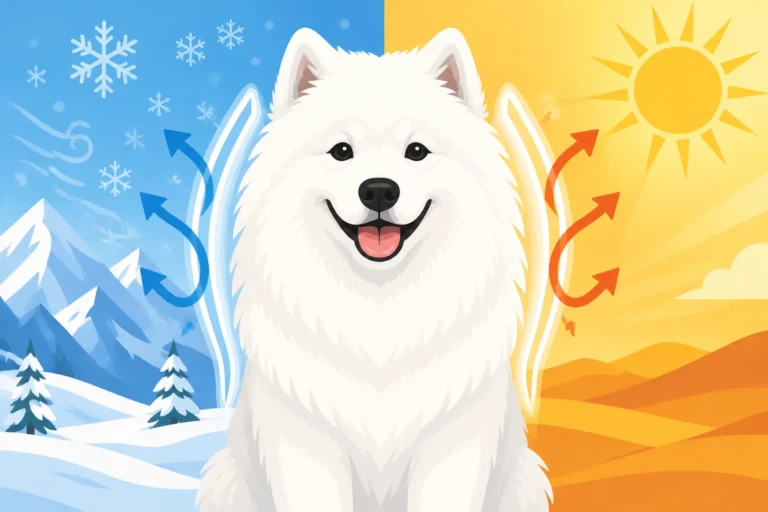
The Samoyed breed hails from the Arctic regions of Siberia, where temperatures can plummet to unimaginable lows. Their coat evolved to be the ultimate survival kit in such an environment. Its primary function is, indeed, insulation – keeping them incredibly warm when the wind howls and the snow drifts. This thick, dense fur traps body heat, creating a protective barrier against the biting cold. But here’s the fascinating part, and where much of the confusion lies: this very same principle of insulation works in reverse during warmer months.
Think of it like the insulation in your own home. It keeps the heat in during winter and keeps the heat out during summer. A Samoyed’s coat acts as a buffer against the external environment, whether that environment is freezing or scorching. It helps maintain a stable body temperature by slowing the transfer of heat in either direction. So, while it feels counterintuitive to us, that thick coat is actually working to protect them from the sun's oppressive heat, not just the deep chill of winter. It truly is remarkable how nature has perfected this design. For a deeper understanding of this dual-purpose coat, you might find our article Why a Samoyed's Coat Insulates Against Heat as Well as Cold particularly insightful.
Getting to Know the Guard Hairs
The Samoyed’s coat is comprised of two distinct layers: the soft, dense undercoat and the longer, coarser guard hairs. While the undercoat is often what people notice first – it's the fluffy, woolly stuff that sheds in copious amounts – the guard hairs are the unsung heroes, especially when it comes to dealing with the sun.
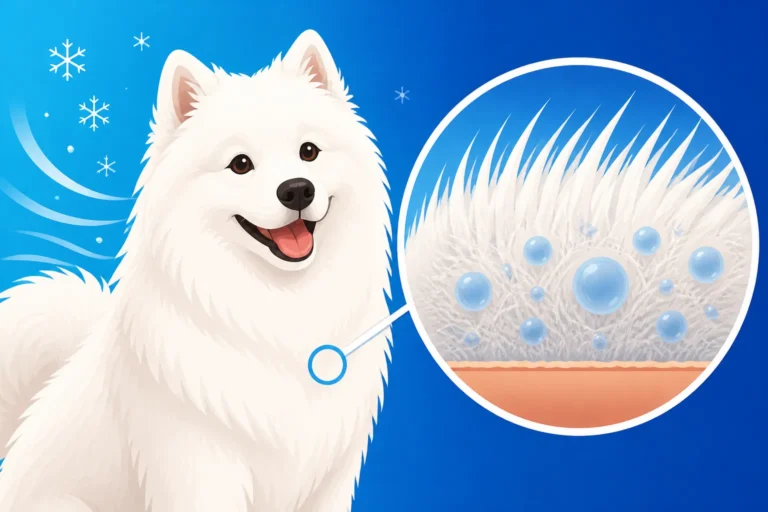
Guard hairs are the longer, stiffer, and straighter hairs that form the outermost layer of the Samoyed's fur. They are visibly different from the soft, crimped undercoat. You can feel the difference when you run your hand through their coat; the undercoat is like cotton, while the guard hairs feel more like straw, albeit very fine straw. These hairs are designed to stand away from the body, creating a natural loft. This loft is crucial because it allows air to circulate against the skin, acting as an insulating layer that prevents both cold and heat from penetrating too quickly. Beyond insulation, these guard hairs also serve a vital protective role. They are water-repellent, helping to shed rain and snow, and they resist dirt and debris, keeping the softer undercoat clean and dry. This maintenance of cleanliness is essential for the coat to function optimally as an insulator. To truly appreciate the complexity, it helps to understand What a Samoyed's Double Coat Is Made Of.
The Role of Guard Hairs in Sunlight Reflection
Now, let's get to the core of your question: do those glorious guard hairs reflect sunlight? The answer is a resounding yes, primarily due to their striking white color.
White Color: A Natural Sunscreen
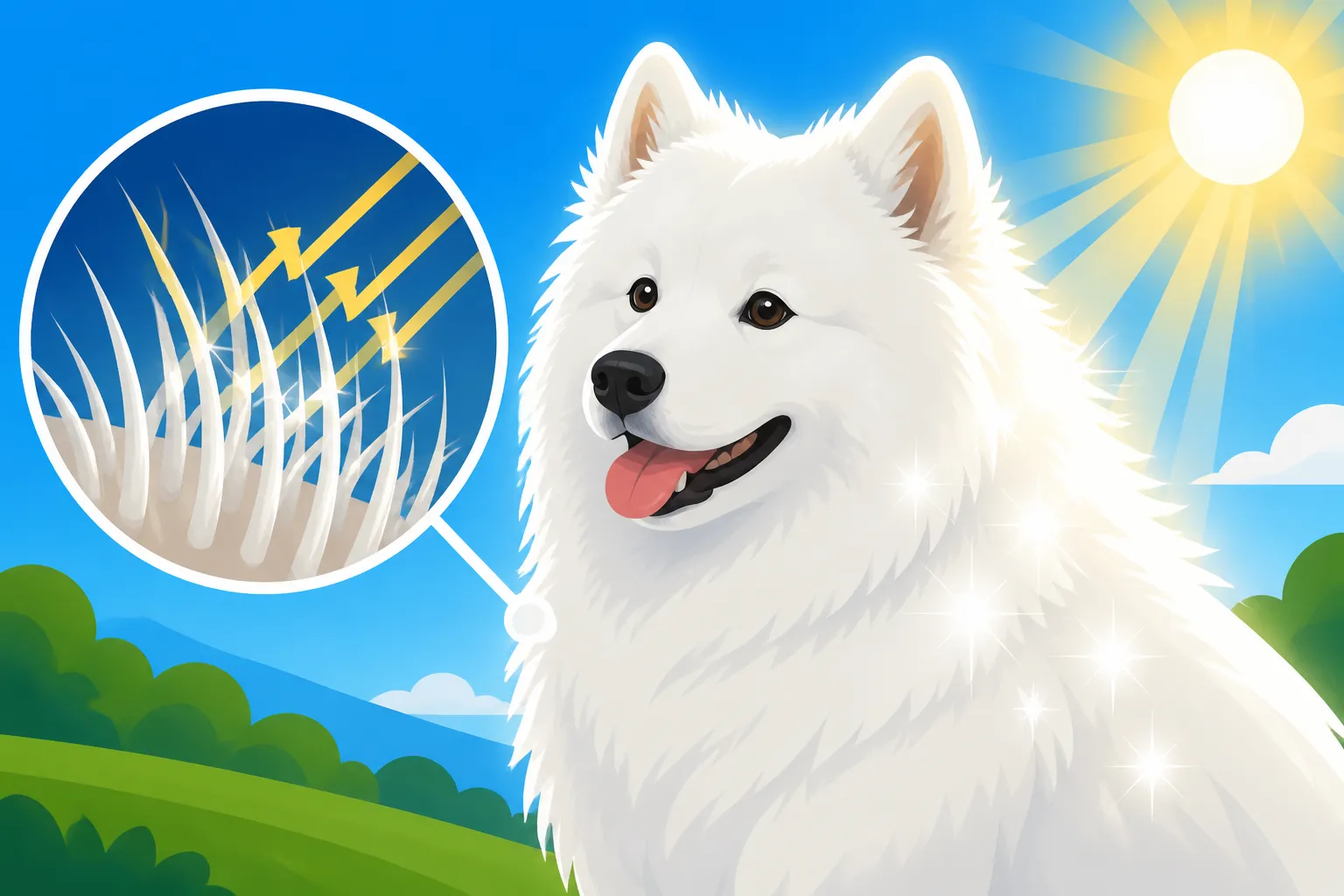
The most significant way a Samoyed's guard hairs deal with sunlight is through reflection, and this is almost entirely due to their pristine white color. Think about your own wardrobe choices on a sweltering summer day. You probably reach for light-colored clothing, perhaps a crisp white linen shirt. There's a scientific reason for this: white surfaces reflect a much higher percentage of light and heat energy compared to darker surfaces, which tend to absorb it.
Imagine a dark-colored object sitting in direct sunlight; it gets hot, sometimes searingly so, because it's absorbing most of the light spectrum and converting that energy into heat. A white object, on the other hand, bounces most of that light energy away, absorbing significantly less. This principle applies directly to your Samoyed's guard hairs. Their natural white pigmentation acts like a built-in solar reflector, minimizing the amount of thermal energy that penetrates the coat and reaches the dog's skin. This isn't some magical, active reflection mechanism unique to Samoyed hair; it's simply the fundamental property of white color interacting with light. This natural reflection is one of the key reasons Whether a Samoyed's Coat Really Keeps It Cool.
The Air Barrier Effect: Beyond Just Color
While the white color of the guard hairs provides an excellent reflective barrier against direct solar radiation, their physical structure contributes another crucial element to thermoregulation: the air barrier effect. This isn't about reflecting light, but about creating a protective cushion of air.
As mentioned, Samoyed guard hairs are designed to stand stiffly away from the body. This creates a distinct layer of trapped air between the outer guard hairs and the dense undercoat, and ultimately, the skin. This trapped air acts as a fantastic insulator, similar to how a thermos keeps liquids hot or cold. It significantly slows down the transfer of heat, whether that heat is coming from the sun outside or from the dog's own body. So, even if some heat energy manages to get past the reflective white guard hairs, this air pocket provides a secondary defense, preventing that warmth from easily reaching the skin. It also allows any existing cooler air near the skin to remain there longer, providing a microclimate that helps your Samoyed stay more comfortable. This combined effect of reflection and insulation is what makes the Samoyed's coat so incredibly effective.
Common Misconceptions and Effective Summer Care
Understanding how your Samoyed's coat works is paramount to providing proper care, especially when the weather heats up. Many well-meaning owners fall prey to common misconceptions that can inadvertently harm their beloved pets.
The Dangers of Shaving for "Coolness"
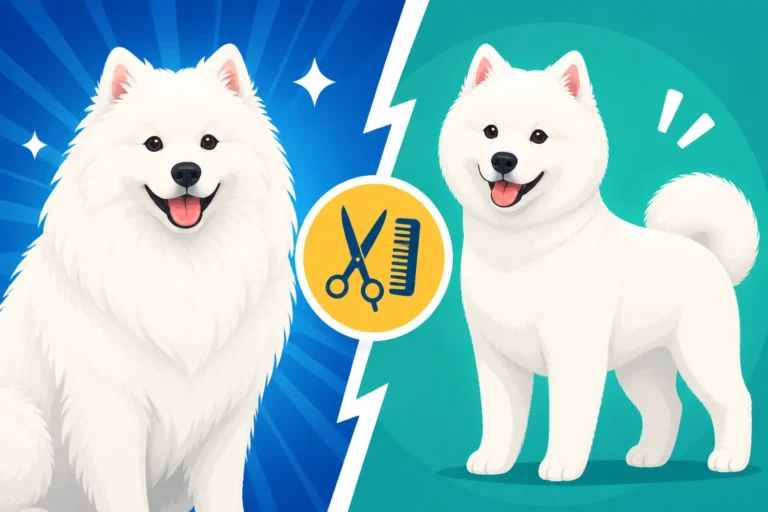
This is perhaps the biggest and most heartbreaking misconception among Samoyed owners and even some inexperienced groomers. The idea that shaving a Samoyed will make them cooler in summer is not only false but can be detrimental to their health and comfort. When you shave off a Samoyed's double coat, you remove both of those crucial protective layers we just discussed.
Firstly, you strip away the guard hairs that provide that vital reflective barrier. This exposes their sensitive skin directly to the sun's powerful UV rays, making them highly susceptible to severe sunburn, which is painful and increases their risk of skin cancer. Secondly, you destroy the insulating air barrier created by the guard hairs and the undercoat. Without this natural buffer, their skin is directly exposed to the ambient heat, making them hotter and less able to regulate their body temperature. It's like removing the insulation from your house in summer; the interior will heat up much faster. Furthermore, shaving can permanently damage the Samoyed's coat, leading to what's often called "coat funk" – where the guard hairs may not grow back properly or at all, resulting in a patchy, dull, or even discolored coat that no longer provides the protection it should. This can be a huge source of frustration and regret for owners. We cannot stress enough Why Shaving a Samoyed Makes the Heat Worse. It's also worth noting that once shaved, Whether a Samoyed's Coat Grows Back After a Shave becomes a very real and sometimes negative question.
What Actually Helps Your Samoyed in Summer
Instead of reaching for the clippers, effective summer care for your Samoyed centers around supporting their natural thermoregulation system. Their coat is their best defense; your job is to help it do its job.
- Consistent, Thorough Grooming: Regular brushing is absolutely essential, especially during their "coat blow" seasons. When a Samoyed sheds its undercoat, it can become matted and trapped, preventing air circulation. Thorough brushing, using tools like a slicker brush and an undercoat rake (readily available on Amazon or Chewy), helps remove this dead, loose undercoat. This allows the living coat to breathe and the air pockets to form effectively. Proper grooming allows their natural cooling system to function as it should. Understanding When a Samoyed Blows Its Coat can help you prepare for these intense grooming periods.
- Hydration is Key: Always ensure your Samoyed has access to fresh, cool water. On hot days, consider adding ice cubes to their water bowl or having multiple bowls around the house and yard. Dehydration can quickly lead to overheating.
- Shade and Timing of Exercise: Limit walks and strenuous activity to the coolest parts of the day – early mornings or late evenings. Avoid the midday sun entirely. When outdoors, always provide ample shade, whether from trees, an umbrella, or a covered patio. This is a critical component of Water, Shade and the Summer Plan for a Samoyed.
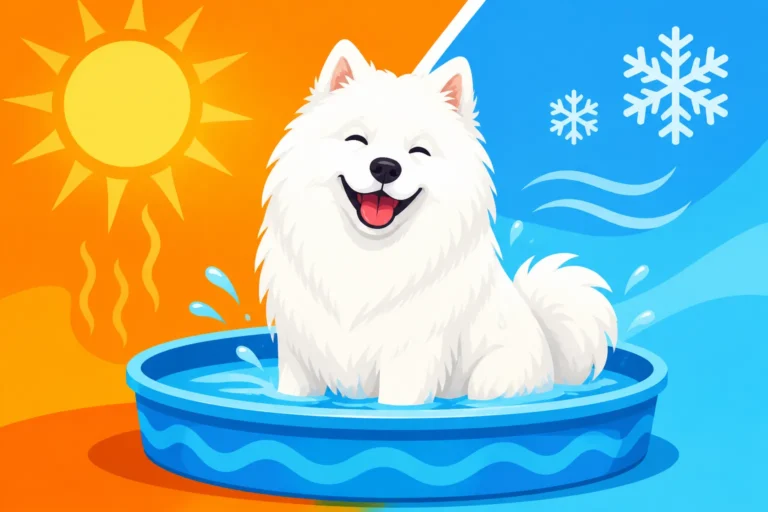
- Cooling Aids (Supplements, Not Substitutes): While their coat is excellent, supplementary cooling measures can provide extra comfort. Cooling mats (you can find various types on Amazon), elevated dog beds that allow air circulation, or even a shallow kiddie pool for them to splash in can be very beneficial. Remember, these are to aid their natural cooling, not replace the need for their coat. If your Samoyed is showing signs of being too hot, knowing How a Samoyed Should Be Cooled Down quickly and safely is crucial. It’s also wise to know The Temperature at Which a Samoyed Should Stay Indoors to prevent any issues.
Recognizing and Preventing Overheating
Even with the best intentions and proper care, Samoyeds can still be susceptible to overheating, especially in truly hot and humid conditions. Knowing the signs and taking proactive steps can literally be a lifesaver.
Subtle Signs Your Samoyed Is Struggling
Samoyeds are famously stoic and wear a perpetual "smile," which can sometimes mask discomfort or illness. It's one of the challenges of living with this breed; their cheerful demeanor can make it difficult to tell when something is genuinely wrong. As we often discuss, How a Samoyed Hides Illness Behind a Smile is a real phenomenon that owners need to be aware of.
Therefore, you must be hyper-vigilant for subtle changes in their behavior or physical state. While some panting is normal for a dog regulating its temperature, excessive or frantic panting, especially if it seems louder or deeper than usual, is a red flag. Look for bright red gums or tongue, which can indicate increased blood flow trying to cool the body. Lethargy, stumbling, or a wobbly gait are serious signs. Other indicators include seeking out cool spots relentlessly, drooling excessively with thick, ropy saliva, or vomiting. If you observe any of these symptoms, act immediately. These are all clear Signs a Samoyed Is Overheating, and prompt action is critical.
Environmental Management for Northern Breeds
Preventative environmental management is your best strategy. For many Samoyed owners, this means making their home a cool haven during the hotter months. Ensuring constant access to air conditioning indoors is often non-negotiable for these northern breeds. While their coat helps them cope with a range of temperatures, prolonged exposure to high heat and humidity can overwhelm their natural cooling mechanisms.
If you live in a notoriously hot climate, like those in Whether a Samoyed Should Live in Florida or Texas, you need to be exceptionally mindful of their needs, as this often incurs significant additional costs for cooling. Even in more temperate zones, you'll notice your Samoyed instinctively seeking out the coolest spots in the house, often sprawling out on tile floors or in front of an air vent. Outdoors, they might dig a cool hollow in the dirt during summer, a behavior that speaks to their innate need to escape the heat. Providing such a spot, or at least ensuring constant shade, is important. Always be aware of How Long a Samoyed Can Be Outside at Ninety Degrees; the answer is usually not long at all. Never, ever underestimate the power of sustained heat on these beautiful, cold-weather dogs. Remember, for their comfort and health, Whether a Samoyed Needs Air Conditioning isn't a luxury; it's often a necessity.
| Coat Component | Description | Primary Function in Summer | Sunlight Reflection |
|---|---|---|---|
| Guard Hairs | Longer, coarser, stiff outer hairs forming the visible coat | Repel water & dirt, create an insulating air barrier, protect skin | High (due to white pigmentation) |
| Undercoat | Dense, soft, woolly inner layer, hidden beneath guard hairs | Traps insulating air close to the body, prevents direct heat transfer | Minimal (it's covered by guard hairs) |
| Overall Coat | The complete double-layer system of guard hairs and undercoat | Provides multi-layered insulation against external temperatures, reflects solar radiation, and offers UV protection | High (primarily from the guard hairs' color and loft) |
Disclaimer
This article is for general informational purposes only and does not constitute professional advice. Laws, prices and regulations vary by location and change over time. Consult a qualified professional for guidance on your specific situation.