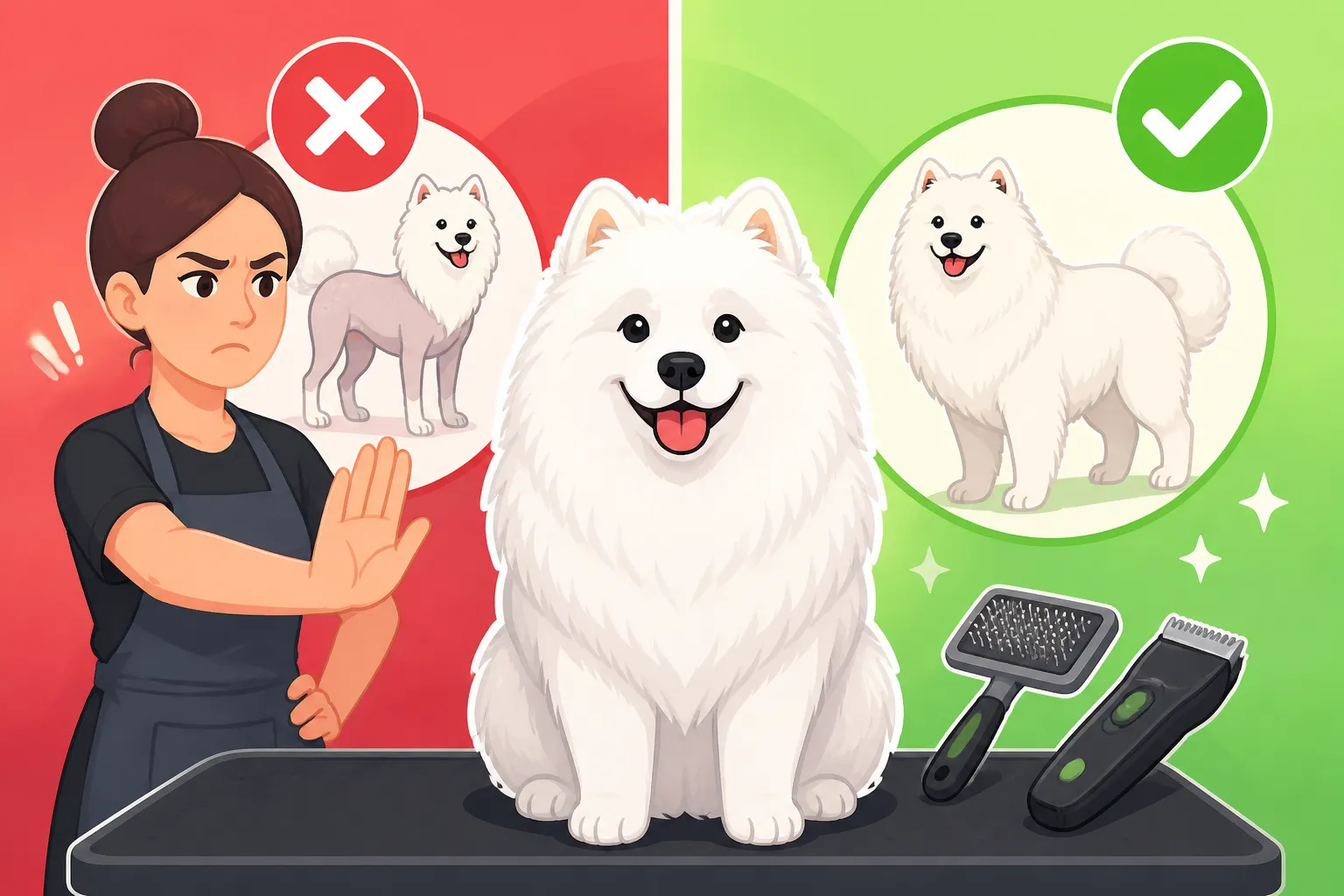
Whether a Groomer Will Refuse to Shave a Samoyed
The sheer volume of beautiful, fluffy white fur on a Samoyed is one of its most defining features, but let's be honest, it can also be a source of constant battle, especially when you're wrestling with endless shedding or worried about them overheating. Many Samoyed owners, out of genuine concern or sheer frustration, eventually wonder if shaving that magnificent coat is the answer, only to find their groomer often flat-out refuses. This guide will explain why professional groomers are so adamant about not shaving your Samoyed and what you can do instead to keep your furry friend comfortable and looking their best.
The Core Reason Groomers Refuse to Shave Samoyeds
When you walk into a reputable grooming salon asking for your Samoyed to be shaved down, you're likely to be met with a firm but polite refusal. This isn't because groomers are trying to be difficult or judge your choices; it’s rooted in a deep understanding of canine physiology, particularly concerning double-coated breeds like our beloved Samoyeds. They know that shaving a Samoyed can do more harm than good, both for the dog's comfort and the long-term health of its coat.
Understanding the Samoyed's Double Coat
To truly grasp why shaving is such a no-go, we need to talk about the Samoyed's incredible coat. It's not just one layer of fur; it's a sophisticated, two-part system perfectly engineered for extreme environments. First, you have the outer layer, known as the guard hairs. These are longer, coarser, and somewhat stiff, designed to protect the dog from external elements like snow, rain, dirt, and even UV radiation from the sun. Think of them as a waterproof, dirt-repellent, and sun-blocking shield.
Beneath this protective outer layer lies the undercoat. This is where the magic happens for insulation. The undercoat is incredibly dense, soft, and woolly, consisting of shorter hairs packed tightly together. Its primary job is to trap air, creating a natural thermal barrier. In winter, this barrier holds warmth close to the body, keeping your Samoyed toasty even in freezing temperatures. In summer, it works in reverse: the trapped air acts as a barrier against external heat, allowing air to circulate close to the skin and keeping the dog cool. This is why you'll often hear that A Samoyed's Coat Is Insulation, Not Decoration. It's a marvel of natural engineering, truly a coat for all seasons.
The Damage Shaving Inflicts on a Double Coat
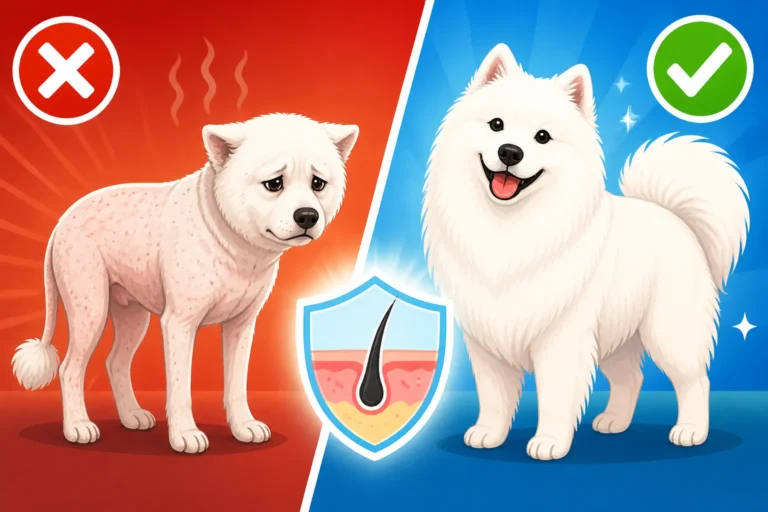
When you shave a Samoyed, you disrupt this delicate and functional system in several detrimental ways. The most immediate impact is on the guard hairs. These hairs have a specific growth cycle and texture. Shaving them often damages the hair follicles, leading to uneven and sometimes coarse regrowth. Instead of growing back with their natural texture and protective qualities, they can become bristly or patchy. Some dogs even develop "clipper alopecia," where the fur either never grows back properly or takes an incredibly long time, sometimes years, to return to its former glory.
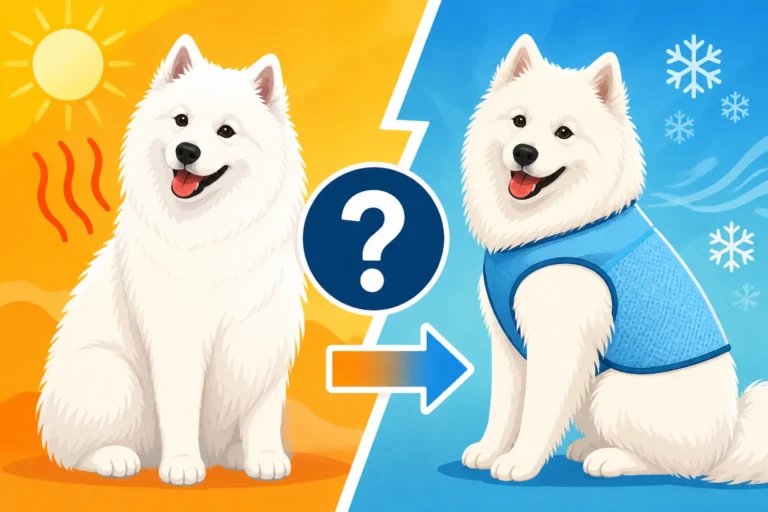
But the real trouble often starts with the undercoat. When the protective guard hairs are gone, the dense undercoat tends to grow back much faster and thicker. Without the longer, stronger guard hairs to guide it and keep it from matting, this soft, woolly undercoat can become incredibly matted and packed against the skin. This overgrowth creates a dense, felt-like layer that actually prevents air circulation. Instead of helping your Samoyed cool down, it traps heat, making them feel even hotter and significantly increasing their risk of overheating. This is a critical point that many owners misunderstand: Why Shaving a Samoyed Makes the Heat Worse. The natural airflow that the double coat provides is lost, turning their protective barrier into a heat trap.
Beyond Aesthetics: Health and Comfort Concerns
Beyond the irreversible damage to the coat's structure and appearance, shaving a Samoyed introduces several significant health and comfort risks that any responsible groomer or owner needs to consider. These aren't minor inconveniences; they can seriously impact your dog's well-being.
Increased Risk of Skin Issues
Imagine spending all your time outdoors without sunscreen, even on a cloudy day. That's essentially what you're doing to your Samoyed when you shave off their natural protection. The guard hairs act as a barrier against the sun's harmful UV rays. Without them, your Samoyed's pale skin is directly exposed, making them highly susceptible to sunburn, especially in areas with thinner hair, like the belly or inner thighs. Sunburn isn't just painful; it can lead to more serious skin conditions and even increase the risk of skin cancer over time.
Furthermore, the natural coat offers a layer of defense against environmental irritants and parasites. When this protection is removed, your Samoyed's skin becomes more vulnerable to bug bites from mosquitoes, fleas, and ticks, as well as cuts, scrapes, and allergic reactions from contact with plants or other irritants. Groomers understand that they are removing a dog's primary defense, leaving them exposed to a host of potential problems.
Impaired Temperature Regulation
This is perhaps the most critical health concern. Many owners assume that shaving a Samoyed will make them cooler in summer, akin to how we humans feel cooler in lighter clothing. However, as we discussed, the Samoyed's double coat is specifically designed for sophisticated temperature regulation. That dense undercoat, combined with the insulating guard hairs, doesn't just keep them warm in winter; it helps keep them cool in summer by preventing external heat from reaching their skin and allowing for air circulation. Think of it like a thermos: it keeps hot things hot and cold things cold.
When you shave this system away, you remove its ability to perform this crucial function. The dog loses its built-in insulation against the heat, and often, the regrowth is so poor that the coat becomes counterproductive, trapping heat instead of dissipating it. This can lead to your Samoyed overheating far more easily and quickly than if they had their full, properly maintained coat. Remember, a Samoyed is A Samoyed Built for Sixty Below in an American Summer – their physiology is geared towards extreme temperatures, and their coat is central to that survival mechanism. Taking it away doesn't simplify their summer; it complicates it.
When Shaving Might Be Considered (and the Caveats)
While the general rule is "never shave a Samoyed," there are extremely rare circumstances where a veterinarian or experienced professional might recommend it. Even then, it's not a decision taken lightly and certainly not for cosmetic reasons.
Extreme Matting and Medical Necessity
The most common scenario where a groomer might agree to shave a Samoyed is due to severe, neglected matting. If a Samoyed's undercoat has become so tangled and packed that it forms a solid, felt-like shell against the skin, brushing it out becomes impossible and excruciatingly painful for the dog. In such cases, the matting can restrict movement, pull on the skin, cause skin infections, and even lead to open sores underneath. At this point, the welfare of the dog dictates that the matted coat must be removed, and often, shaving is the only humane option. This is typically a "strip down" or "medical shave," not a trim or stylistic cut, and the priority is always the dog's immediate relief and health, not appearance.
Another legitimate reason for shaving is when it's medically necessary for a veterinary procedure. This could be for surgery, to allow access to a wound, or for the treatment of severe skin conditions that require topical medications to reach the skin directly. In these instances, the shave is localized to the affected area or as needed for the procedure, and it's done under the guidance of a veterinarian. These are exceptions driven by explicit health needs, not general comfort or aesthetic preferences.
The Ethical Dilemma for Groomers
For professional groomers, the decision to refuse a shave is often an ethical one. Their primary responsibility is the safety and well-being of the animals in their care. They are trained to understand coat types, skin conditions, and breed-specific needs. Shaving a Samoyed against the best interests of the dog goes against their professional code.
They understand the potential for severe sunburn, overheating, and irreversible coat damage. Many groomers will take the time to educate owners about the implications of shaving a double-coated breed, explaining the science behind the coat and offering alternatives. They prioritize the dog's long-term health over a client's temporary desire for what they perceive as a cooler or less shedding dog. This commitment to animal welfare is why you’ll find most reputable groomers standing firm on their "no shave" policy for Samoyeds and similar breeds. They might even have a prominent policy, stating that they reserve the right to refuse services that could harm the animal.
Better Alternatives to Shaving for a Samoyed
So, if shaving is out of the question (and it almost always is), what can you do to manage that glorious Samoyed coat, especially during shedding season or warm weather? Plenty! The key is consistent, proactive care tailored to their unique needs.
Regular Grooming and Deshedding
The absolute best way to manage a Samoyed's coat and keep them comfortable is through regular, thorough grooming. This means brushing, brushing, and more brushing. Aim for several times a week, or even daily during their infamous "coat blow" seasons. When a Samoyed blows their coat, they shed their entire undercoat, and it can be a truly impressive amount of fur! This is often why owners panic and consider shaving. Instead, embrace the deshedding process.
Invest in the right tools, like a good quality undercoat rake and a slicker brush. A force dryer (available on platforms like Amazon or Chewy) is also an absolute game-changer. These powerful dryers blow out loose undercoat incredibly effectively, reducing shedding in your home and allowing air to circulate close to the skin. Many professional groomers offer dedicated deshedding treatments that involve special shampoos, conditioners, and extensive use of a force dryer to remove as much dead undercoat as possible. This process is far more effective and beneficial than shaving for keeping your Samoyed cool and preventing matting. It can also significantly reduce the amount of fur floating around your house! Consider What a Coat Blow Costs at a Samoyed Groomer for a professional treatment, as it's often worth the investment for the comfort of your dog and the cleanliness of your home. Understanding How Often a Samoyed Needs Brushing is fundamental to keeping their coat healthy.
Cooling Strategies in Hot Weather
Managing a Samoyed in hot weather is about smart strategies, not coat removal. Their coat, when properly maintained, helps insulate them from the heat. So, instead of shaving, focus on these methods:
- Shade and Water: Ensure constant access to fresh, cool water, and plenty of shade when outdoors. Consider a kiddie pool filled with shallow water for them to splash in.
- Indoor Access: On hot days, your Samoyed absolutely needs to be indoors in an air-conditioned environment. Their thick coat makes them very susceptible to heatstroke.
- Cooling Mats and Vests: Products like cooling mats (you can find various options on Chewy or Amazon) or cooling vests can provide additional relief. These work by dissipating heat or holding cool water against the dog's body. Whether a Cooling Mat Helps a Samoyed is a common question, and for many Samoyeds, it can make a real difference.
- Timing Walks: Walk your Samoyed during the coolest parts of the day – early morning or late evening – and keep walks shorter on hot days. Pay attention to their panting; excessive panting is a sign of overheating.
- Wet Towels: You can wet down a towel with cool water and drape it over your Samoyed's back or belly for temporary relief.
- Water, Shade and the Summer Plan for a Samoyed offers more detailed advice on keeping your Samoyed safe when the mercury rises.
Diet and Overall Health
A healthy coat starts from within. A balanced, high-quality diet plays a huge role in maintaining skin and coat health. Look for dog foods with appropriate levels of omega-3 and omega-6 fatty acids, which contribute to a shiny coat and healthy skin. Some owners even supplement with fish oil, after consulting with their vet. Brands like Ollie, known for fresh, human-grade ingredients, can contribute to overall health, which in turn reflects in the coat's condition. While no diet will eliminate shedding, good nutrition can help ensure the coat is as healthy as possible, making it easier to manage and less prone to issues like excessive dryness or dullness. It’s a foundational element in your Samoyed's overall well-being and managing everything from coat health to potentially preventing conditions like diabetes down the line if you consider Feeding a Samoyed That May Become Diabetic.
Remember, your Samoyed's coat is a functional masterpiece. By understanding its purpose and committing to proper care, you can ensure your Samoyed is comfortable, healthy, and looks magnificent without resorting to the clipper.
| Feature | Shaving a Samoyed | Proper Grooming (Brushing & Deshedding) |
|---|---|---|
| Coat Structure | Damages guard hairs, promotes dense undercoat | Maintains integrity of both guard and undercoat |
| Temperature Reg. | Impairs natural cooling/heating, can cause overheating | Enhances natural insulation and airflow |
| Skin Health | Increases risk of sunburn, bug bites, irritation | Provides natural UV protection and barrier |
| Shedding Reduction | Temporary, can worsen shedding with improper regrowth | Significantly reduces shedding sustainably |
| Aesthetics | Often results in patchy, coarse, or uneven regrowth | Maintains breed-standard appearance and texture |
| Long-Term Impact | Potential for irreversible coat damage | Promotes healthy coat growth and skin health |
| Matting | Can lead to worse matting due to undercoat overgrowth | Prevents matting by removing loose undercoat |
Disclaimer
This article is for general informational purposes only and does not constitute professional advice. Laws, prices and regulations vary by location and change over time. Consult a qualified professional for guidance on your specific situation.