Whether a Samoyed Should Swim to Cool Off
Oh, the eternal summer struggle for our beloved Samoyeds! If you're a Sammy parent, you know that heart-sinking feeling when the temperatures climb, and your beautiful fluffball starts to pant like a steam engine. You want nothing more than to help them cool down, and often, the first thought that springs to mind is a refreshing dip. But is swimming truly the best solution for a Samoyed, or does that magnificent double coat actually make things more complicated? This guide dives deep into whether swimming is a sensible way to keep your Samoyed comfortable when the mercury rises and explores other effective strategies.
Understanding Your Samoyed's Unique Cooling Needs
Let's be real, a Samoyed is fundamentally built for a climate that most of us in the lower 48 states can only dream of for a few months out of the year. Their ancestors thrived in the frigid Arctic, sleeping inside tents with their human companions to keep them both warm. This heritage dictates so much about their physical makeup, especially their incredible coat, which is a double-edged sword when summer rolls around.
The Double Coat Dilemma
The first thing to understand is that your Samoyed's glorious white coat isn't just for show; it's a sophisticated insulation system. This double coat consists of a harsh, long outer layer of guard hairs and a dense, woolly undercoat. In winter, this traps warm air close to their body, protecting them from extreme cold, even sixty below zero. But here’s the kicker: in summer, this same coat is designed to insulate them from the heat. It creates a buffer against the sun's rays and helps regulate their body temperature.
Many people mistakenly believe that shaving a Samoyed will help them cool off, but this is a dangerous misconception. Removing that protective layer actually exposes their delicate skin to sunburn and makes it harder for them to regulate their temperature. Why Shaving a Samoyed Makes the Heat Worse explains this in detail. That dense undercoat, when properly maintained and not matted, allows air to circulate, acting like a natural air conditioner. However, when it gets wet, especially thoroughly soaked, it can become incredibly heavy and lose its insulating properties, potentially trapping heat if not dried properly. Imagine wearing a heavy wool sweater that then gets drenched – it becomes cumbersome and, ironically, can feel hotter if the air can't get through it to dry.
Signs of Overheating in a Samoyed
Before we even consider solutions, it's vital to recognize when your Samoyed is genuinely struggling with the heat. They're masters at hiding discomfort, often maintaining their cheerful "Sammy smile" even when feeling unwell. This makes it crucial for us, their human companions, to be vigilant. How a Samoyed Hides Illness Behind a Smile is a must-read for all owners. The most common signs of overheating include excessive panting, often more rapid and shallow than usual. You might notice their tongue appearing wider and darker red. They might also become lethargic, unwilling to move, or seek out cool, tiled floors or shady spots persistently.
Other, more concerning signs can include drooling, weakness, stumbling, or even vomiting and diarrhea. Their gums might appear very red or pale, and their heart rate could be elevated. It’s important to remember that heatstroke is a life-threatening emergency, and early intervention is key. If you see these signs, immediate cooling measures, such as moving them to an air-conditioned space and offering small amounts of water, are critical, followed by a call to your veterinarian. Signs a Samoyed Is Overheating goes into more depth on this critical topic.
The Instinct to Dig for Coolness
If you've spent any time with a Samoyed in summer, you've probably witnessed their impressive excavating skills. They love to dig. While sometimes it's pure mischief, often, especially when the weather is warm, they're instinctively trying to create a cool spot. By digging down, they expose the cooler earth beneath the surface, offering a natural "cooling mat" for their bellies. This ancient behavior harks back to their days in Siberia, where a cool hollow in the ground could provide much-needed relief from solar radiation.
This behavior highlights their deep-seated need for thermal regulation and is a clear indicator that they're trying to manage their body temperature. Providing them with a designated digging spot in a shady area of the yard, perhaps with some loose, damp soil, can be a safe outlet for this natural instinct and a viable cooling method. Why a Samoyed Digs to Stay Cool explores this fascinating behavior further.
The Pros and Cons of Swimming for Samoyeds
So, with all that in mind, where does swimming fit into the picture? It seems like a natural fit for cooling, but it's not without its unique considerations for our fluffy friends.
Benefits of Water Play
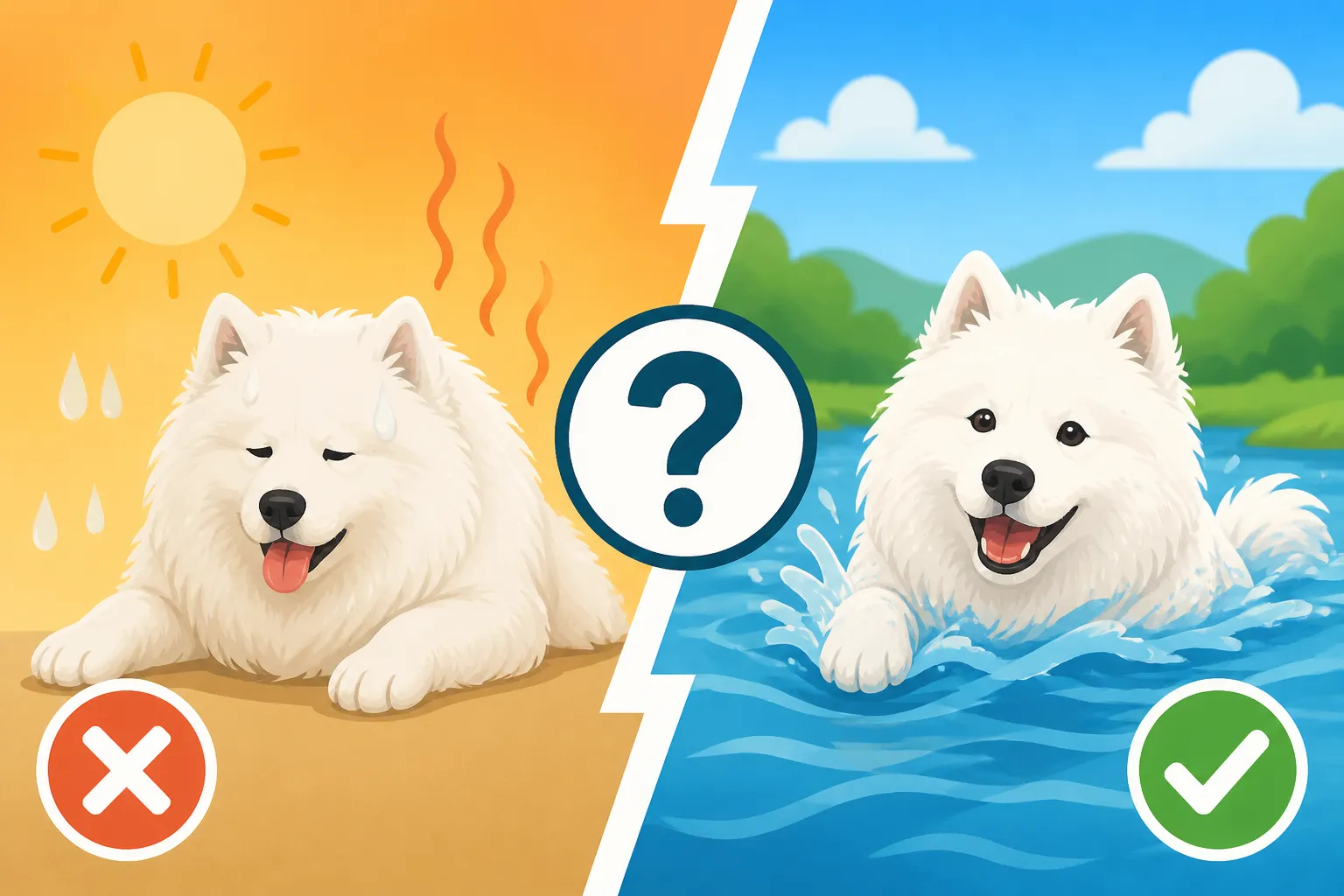
On a sweltering day, a dip in cool water can certainly offer immediate relief. For many Samoyeds who enjoy it, swimming is a fantastic way to cool down their core body temperature quickly. The buoyancy of water also provides a low-impact exercise option, which is a huge plus, especially for older Samoyeds or those with joint issues like hip dysplasia. Arthritis in an Older Samoyed or Hip Dysplasia in a Samoyed might make water exercise a much more comfortable alternative to running on hard ground. It allows them to use their muscles without putting excessive strain on their joints.
Beyond physical benefits, water play can be incredibly mentally stimulating. Chasing a floating toy, paddling around, or even just splashing in a kiddie pool provides an enriching experience that taps into their playful nature. It can be a wonderful way to bond with your Samoyed and burn off some of that famous Samoyed energy when a long walk is out of the question due to heat. A tired Samoyed is generally a happier, quieter Samoyed! Just remember that not all Samoyeds are natural-born swimmers, so always supervise closely.
Potential Drawbacks and Risks
Here's where the Samoyed's incredible coat becomes a bit of a challenge when it comes to swimming. That dense undercoat, once soaked, takes an incredibly long time to dry. If not dried thoroughly and quickly, especially down to the skin, it can lead to a host of problems. Matting is a huge concern; wet fur clumps together easily and forms tight, painful mats as it dries. These mats not only pull on the skin but also trap moisture, creating a perfect breeding ground for bacteria and yeast. This can result in skin infections, often referred to as "hot spots," which are intensely itchy and painful.
Another common issue is ear infections. Samoyeds have erect ears, but if water gets trapped deep inside and isn't allowed to dry, moisture combined with warmth can lead to painful bacterial or yeast infections. Always check and gently dry their ears after a swim. Beyond the coat, consider the water source itself. Lakes and rivers can harbor harmful bacteria, algae (especially blue-green algae, which is highly toxic), and parasites. Even chlorinated pools can irritate their skin and eyes if not rinsed off afterward. There's also the risk of your Samoyed ingesting too much water, which can lead to water intoxication in extreme cases, or simply an upset stomach. And, tragically, for Samoyeds who aren't strong swimmers, there's always the risk of drowning, particularly in pools with difficult exit points.
Creating a Safe Swimming Environment
If you decide swimming is right for your Samoyed, safety is paramount. Never, ever throw your Samoyed into water or force them to swim. A traumatic first experience can create a lifelong aversion. Start with shallow water, like a Whether a Kiddie Pool Cools a Samoyed or a gentle slope into a lake. Let them explore at their own pace. A dog-specific life vest, like those you can find on Amazon or Chewy, is an absolute must, especially for beginners or in open water. It helps keep them afloat and provides a handle for you to assist them.
For pools, ensure there's a clear, easily accessible exit point, like steps or a ramp, and teach them how to use it. Never leave a Samoyed unsupervised near water, even if they're strong swimmers. Always rinse your Samoyed thoroughly with clean water after swimming, whether in a pool or natural body of water, to remove chlorine, salt, or lake gunk. This is a critical step to prevent skin irritation and ensure their coat is clean before you begin the lengthy drying process.
Alternatives and Complementary Cooling Methods
While swimming can be a tool in your summer arsenal, it's rarely the only tool, and for some Samoyeds, it might not even be the best one. Having a comprehensive Water, Shade and the Summer Plan for a Samoyed is essential.
Strategic Exercise Timing
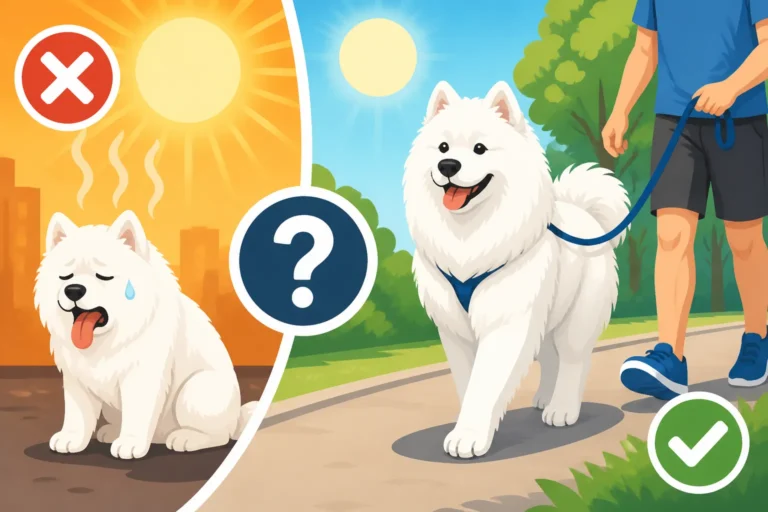
The simplest and most effective way to manage your Samoyed's heat exposure during summer is to adjust their exercise schedule. Early mornings and late evenings are your best friends. These are the times when the pavement is coolest, and the sun's intensity is lowest. A brief stroll at midday, even in the shade, can still be too much for their thick coats. Whether a Samoyed Should Walk in Summer is a crucial consideration for all owners.
Consider the ambient temperature, but also the ground temperature. Asphalt and concrete can reach scorching temperatures, burning delicate paw pads even when the air feels warm but not unbearable to us. Opt for grassy areas or shaded trails if you absolutely must take a midday potty break. Remember, a vigorous run or extended play session is best reserved for those cooler parts of the day.
Indoor Cooling Solutions
Your Samoyed's primary refuge from the heat should be indoors, in a cool, air-conditioned environment. If you live in a warm climate, investing in a reliable air conditioning system isn't a luxury; it's a necessity for a Samoyed. What Air Conditioning Costs a Samoyed Owner in Summer might seem like a concern, but it's vital for their well-being. Even fans can help, especially if pointed towards them after a damp towel rub down.
Cooling mats, readily available on Chewy or Amazon, can also provide direct relief. These mats typically contain a gel that activates when pressure is applied, drawing heat away from your dog. Whether a Cooling Mat Helps a Samoyed can often turn a warm floor into a comfortable spot. Freeze-dried treats or kongs filled with frozen peanut butter or plain yogurt can also offer a cool, engaging snack. Just be mindful of calories!
Hydration and Diet
Consistent access to fresh, cool water is non-negotiable for a Samoyed, especially in warmer months. Dehydration can quickly escalate problems related to heat stress. Consider adding ice cubes to their water bowl to keep it extra refreshing. For Samoyeds who aren't enthusiastic drinkers, you might try adding a splash of bone broth or offering water from different types of bowls or even a pet fountain to encourage intake.
While food doesn't directly cool them, a balanced diet supports overall health, which in turn helps their body regulate temperature more efficiently. High-quality kibble from brands like Ollie or others available on Chewy provides essential nutrients. You'll want to avoid giving them rich, fatty table scraps, especially during hot weather, as these can be harder to digest and might inadvertently lead to other issues. Whether a Samoyed Needs a Low Fat Diet can be a consideration, particularly if your dog is prone to pancreatitis.
Making an Informed Decision for Your Samoyed
Every Samoyed is an individual, and what works wonderfully for one might be a disaster for another. The key is to observe your dog, understand their preferences, and prioritize their safety and comfort above all else.
Assessing Your Dog's Personality and Health
Some Samoyeds simply adore water. They'll splash in puddles, dive into lakes, and joyfully paddle around. Others, despite their Arctic heritage, might treat water like it's made of lava, gingerly stepping around it or outright refusing to get wet. There's no right or wrong here; it's just their personality. Trying to force a water-averse Samoyed to swim will only create stress and potentially a negative association.
Beyond personality, consider their overall health. Dogs with certain heart conditions, severe joint issues, or respiratory problems might find swimming too strenuous. Always consult your veterinarian before introducing a new, vigorous activity like swimming, especially if your Samoyed has any pre-existing health concerns. Their vet can offer tailored advice based on your dog's specific needs and medical history.
Gradual Introduction to Water
If your Samoyed is new to water or seems a bit hesitant, a gradual, positive introduction is crucial. Start small. A shallow kiddie pool with just a few inches of water and some floating toys can be a great first step. Let them sniff, splash, and play in it without any pressure. You can even join them, making it a fun, shared experience.
Progress to slightly deeper water, always ensuring they can touch the bottom easily. Use plenty of praise and high-value treats to create positive associations. Never, ever leave them unattended, even in shallow water. Once they seem comfortable and happy splashing, you can introduce a life vest and, perhaps, a short, supervised swim in a calm, safe body of water like a shallow lake or a quiet corner of a dog-friendly pool. Remember, it's about building confidence and enjoyment, not forcing them into an activity they dislike.
Post-Swim Care Essentials
The work isn't over once your Samoyed is out of the water! Proper post-swim care is arguably just as important as the swim itself, especially for their magnificent coat. First, a thorough rinse is crucial to remove any lingering chlorine, salt, or debris. This helps prevent skin irritation and ensures their coat is clean.
Next comes the drying process, and this is where patience is key. A high-velocity force dryer is an absolute game-changer for Samoyed owners. These powerful dryers blow water out of the coat quickly and efficiently, drying them right down to the skin and preventing matting and skin issues. Towel drying alone is almost never sufficient for a Samoyed's dense undercoat. If you don't have a force dryer, professional groomers offer "bath and blow-dry" services that are well worth the investment after a swim. Ensure their ears are clean and dry, too, using a vet-approved ear cleaner if necessary. Ignoring these steps can quickly turn a fun swim into a trip to the vet for a skin or ear infection.
To help illustrate the options, here's a quick comparison of common Samoyed cooling methods:
| Cooling Method | Pros | Cons | Best for… |
|---|---|---|---|
| Swimming | Rapid core cooling, low-impact exercise, mental stimulation, fun | Extensive drying needed, matting risk, skin/ear infections, water ingestion, drowning risk | Water-loving Samoyeds, joint-sensitive dogs, supervised play |
| Air Conditioning | Consistent, whole-body cooling, minimal effort once set | Energy cost, not portable for outdoors | Primary indoor cooling, anytime comfort |
| Cooling Mats | Portable, instant relief, no electricity needed for gel types | Limited surface area, can get warm after extended use | Targeted relief, resting spots, crates |
| Kiddie Pools | Shallow, safe splashing, easy setup, refreshing for paws | Water mess, limited body immersion, supervision still needed | Beginners, dogs who just want to wade, quick cool-downs |
| Strategic Exercise | Prevents overheating before it starts, natural exercise, free | Requires strict timing, limited midday activity | Regular daily activity, maintaining fitness |
| Shade & Water | Simple, essential, always available | Not sufficient for extreme heat, no active cooling beyond basic needs | Complementary to all other methods, basic heat management |
Disclaimer
This article is for general informational purposes only and does not constitute professional advice. Laws, prices and regulations vary by location and change over time. Consult a qualified professional for guidance on your specific situation.