Whether a Samoyed Should Eat Low Fat
Navigating the world of canine nutrition can feel like walking through a minefield, especially when you're trying to do the absolute best for your beloved Samoyed. Many of us grapple with confusing advice, and one common question that pops up is whether a low-fat diet is truly beneficial or even necessary for our fluffy companions. This guide aims to clear up that confusion, diving deep into the role of fat in a Samoyed's diet, identifying situations where a low-fat approach might be crucial, and helping you make informed decisions for your dog's health.
The Essential Role of Fat in Your Samoyed's Diet
Before we even consider cutting fat, it's vital to understand just how crucial it is for your Samoyed's overall health and well-being. Fat isn't just about making food taste good; it's a powerhouse of nutrition, and without enough of it, your Sammy can really struggle.
More Than Just Energy: The Benefits of Healthy Fats
Think of healthy fats as the super-fuel for your Samoyed. They provide a highly concentrated source of energy, which is particularly important for an active breed like ours. A Samoyed with a healthy fat intake has the stamina for those long walks, playtime in the yard, or even pulling a sled if that's their passion. But it goes far beyond just raw energy.
Fats are absolutely essential for the absorption of fat-soluble vitamins – A, D, E, and K. Without adequate dietary fat, these vital vitamins, which play roles in everything from vision and bone health to immune function and blood clotting, simply won't be utilized by your dog's body. Imagine eating all your veggies but not getting any of the good stuff out of them! Moreover, fats contribute significantly to the health of your Samoyed's magnificent double coat, giving it that characteristic luster and softness. It's what helps keep their skin supple and reduces dryness, which can be a real issue underneath all that dense fur. A deficiency in healthy fats can lead to a dull, brittle coat, flaky skin, and even increased shedding. A Samoyed's Coat Is Insulation, Not Decoration is an excellent read if you want to understand more about their unique fur.
Balancing Macronutrients for Optimal Samoyed Health
When we talk about a balanced diet, we're referring to the right mix of macronutrients: protein, carbohydrates, and fats. For Samoyeds, given their working dog heritage and active nature, this balance is key. While protein is fundamental for muscle development and repair, and carbohydrates provide quick energy, fat provides sustained energy and supports cellular function throughout the body.
A typical healthy adult Samoyed, unless otherwise directed by a vet, thrives on a diet with a moderate fat content. Too little fat can leave them feeling constantly hungry, as fat is incredibly satiating, and it can also lead to a lack of energy, hindering their playful and adventurous spirit. It’s a delicate balance, and simply opting for the lowest fat option on the shelf isn't always the best move. It's like trying to run a marathon on just water – you might make it, but you'll be significantly less effective and feel much worse for wear. Finding that sweet spot ensures your Samoyed has the reserves they need to live their best, fluffiest life.
When a Low-Fat Diet Becomes a Necessity for Samoyeds
While fat is a crucial component of a Samoyed's diet, there are very specific health reasons why a veterinarian might recommend a low-fat dietary approach. These situations usually involve organs that process fats, or conditions where excess fat intake exacerbates an existing problem.
Pancreatitis: The Sudden and Severe Need for Low Fat
Perhaps the most common and urgent reason for a low-fat diet in Samoyeds, and indeed in many dog breeds, is pancreatitis. The pancreas is a vital organ located near the stomach that produces digestive enzymes, including lipase, which breaks down fat. When the pancreas becomes inflamed, a condition known as pancreatitis, these enzymes can start attacking the pancreas itself, leading to severe pain, vomiting, diarrhea, and lethargy. It's a truly miserable and potentially life-threatening condition.
Feeding a high-fat meal can trigger an acute pancreatitis attack or worsen an existing one because it puts enormous strain on an already inflamed or compromised pancreas. For Samoyeds, knowing Whether a Fatty Meal Triggers Samoyed Pancreatitis is crucial for prevention. Therefore, if your Samoyed has been diagnosed with pancreatitis, either acutely or as a chronic condition, a prescription low-fat diet is often a cornerstone of their treatment and ongoing management. Even once they've recovered from an acute flare-up, maintaining a strictly low-fat diet is typically recommended to prevent recurrence. This isn't just a suggestion; it's a critical dietary intervention. You can often find a wide array of veterinary therapeutic diets, including those formulated for pancreatic support, on platforms like Chewy, which makes it easier to access these specialized foods under veterinary guidance.
Obesity and Weight Management in Samoyeds
Another significant reason for reducing fat in your Samoyed's diet is weight management. Samoyeds, with their thick coats, can sometimes hide weight gain until it becomes a more serious issue. Being overweight or obese puts a strain on their joints, contributes to lethargy, and significantly increases their risk for other health problems, including Diabetes in a Middle Aged Samoyed and Hip Dysplasia in a Samoyed. Why a Samoyed Owner Must Watch Its Weight Closely is a piece you'll want to read.
While overall calorie reduction is key to weight loss, lowering dietary fat is an effective strategy because fat is the most calorie-dense macronutrient. By reducing fat, you can often feed a larger volume of food, helping your Samoyed feel more satisfied while still consuming fewer calories. Many weight-management dog foods are formulated with lower fat content, higher fiber to promote fullness, and appropriate protein levels to maintain muscle mass during weight loss. This isn't just about aesthetics; it's about extending your Samoyed's healthy lifespan and improving their quality of life.
Other Health Conditions Benefiting from Lower Fat
Beyond pancreatitis and obesity, there are a few other conditions where a low-fat diet might be prescribed or beneficial:
- Lymphangiectasia: This is a rare gastrointestinal disorder where lymph vessels in the small intestine become dilated, leading to protein and fat loss. A very low-fat diet is essential to reduce the load on the lymphatic system and minimize fat malabsorption.
- Certain types of hyperlipidemia: This refers to elevated levels of fats (lipids) in the blood, which can sometimes be genetic or secondary to other diseases like hypothyroidism. In some cases, a carefully controlled low-fat diet can help manage these elevated levels, especially if they are contributing to conditions like pancreatitis.
- Gallbladder issues: While less common, certain gallbladder conditions or sensitivities might benefit from a diet that is easier to digest, and sometimes a lower fat content is part of that recommendation.
In all these scenarios, the decision to implement a low-fat diet should always come from your veterinarian, as they can accurately diagnose the underlying issue and recommend the specific type and level of fat restriction needed. Self-diagnosing and putting your Samoyed on a restrictive diet without professional guidance can lead to nutritional deficiencies.
Recognizing the Signs Your Samoyed Might Need a Low-Fat Approach
It’s easy to miss subtle changes in your Samoyed, especially with their perpetually cheerful "Sammy smile." However, paying close attention to their behavior, appetite, and physical condition can give you crucial clues that their current diet might not be serving them well, and that a low-fat approach could be warranted.
Digestive Distress: More Than Just an Upset Tummy
One of the most immediate indicators that your Samoyed might be struggling with fat in their diet is digestive upset. This isn't just a one-off bout of diarrhea or an occasional vomit; we're talking about a recurring pattern or sudden, severe symptoms. For instance, if your Samoyed frequently experiences soft, greasy stools or steatorrhea (pale, fatty diarrhea) after meals, it could be a sign that their digestive system, particularly the pancreas, isn't handling the fat content effectively.
A sudden onset of severe vomiting, hunched posture, abdominal pain (they might guard their belly or snap if you try to touch it), and profound lethargy could point to acute pancreatitis. This is a veterinary emergency. Signs a Samoyed Has Pancreatitis details these symptoms further. On the other hand, chronic pancreatitis might manifest with more subtle, intermittent signs like decreased appetite, mild nausea, or intermittent loose stools. If you notice any of these symptoms, especially if they seem linked to specific foods or treats, it's definitely time to schedule a visit to your vet to discuss the possibility of a dietary change, potentially to a lower-fat option.
Unexplained Weight Gain or Difficulty Losing Weight
Given that Samoyeds are generally an active breed, unexplained weight gain can be a red flag. If your Sammy is packing on the pounds despite consistent exercise and seemingly appropriate portion sizes, their current food's calorie or fat density might be too high. Their thick coat can make it difficult to visually assess their weight, so getting hands-on is essential. You should be able to feel their ribs without pressing too hard, and they should have a discernible waist when viewed from above.
If you're actively trying to help your Samoyed shed some extra weight, and despite your best efforts, the numbers on the scale aren't budging, a diet higher in fiber and lower in fat might be the answer. Fat, as mentioned, is calorie-dense, so even a small reduction can make a big difference in overall caloric intake, allowing them to lose weight safely and effectively. Remember, Whether a Neutered Samoyed Gains Weight is a common concern, as metabolic changes can make them prone to putting on extra pounds. Discussing these observations with your vet can help determine if a low-fat diet, possibly a prescription weight-management formula, is the right step.
Navigating Low-Fat Dog Food Options for Your Samoyed
Once you and your veterinarian have determined that a low-fat diet is appropriate for your Samoyed, the next step is to choose the right food. This can feel overwhelming with the sheer number of options available, but understanding what to look for will make the process much smoother.
Decoding Dog Food Labels: What "Low-Fat" Really Means
The term "low-fat" isn't as strictly regulated for pet food as it is for human food, so it's important to understand the nuances. Generally, when veterinarians recommend a low-fat diet for medical conditions like pancreatitis, they are often referring to prescription therapeutic diets designed specifically for this purpose. These diets are typically formulated to contain less than 10-15% fat on a dry matter basis.
For over-the-counter options, you'll need to look at the "Guaranteed Analysis" section on the food label and calculate the dry matter fat percentage. This involves a little math, as the guaranteed analysis lists "Crude Fat (min)" as a percentage of the food as fed (including moisture). To get the dry matter basis:
- Subtract the moisture percentage (usually listed as "Moisture (max)") from 100%. This gives you the dry matter percentage.
- Divide the "Crude Fat (min)" percentage by the dry matter percentage.
- Multiply by 100 to get the dry matter fat percentage.
For example, if a food lists 10% crude fat and 10% moisture:
(10% Crude Fat / (100% – 10% Moisture)) * 100 = (10 / 90) * 100 = 11.1% Dry Matter Fat.
A truly low-fat diet for a medically sensitive Samoyed will usually aim for under 10-12% dry matter fat. Many "light" or "weight management" foods available on platforms like Amazon or Chewy are indeed lower in fat than standard formulas, but it's crucial to check the dry matter percentage and consult with your vet to ensure it meets the specific needs for your Samoyed's condition.
Prescription vs. Over-the-Counter: Making the Right Choice
For many health conditions requiring a low-fat diet, a prescription veterinary diet is often the most effective and safest choice. These foods are rigorously tested and formulated to meet specific therapeutic nutritional profiles, ensuring not only reduced fat but also appropriate levels of all other essential nutrients. Brands like Royal Canin Gastrointestinal Low Fat or Hill's Prescription Diet i/d Low Fat are examples that veterinarians commonly recommend. These are typically accessed through your vet's office or with a prescription through online retailers like Chewy.
| Food Type | Typical Dry Matter Fat % | Primary Use Case | Key Considerations |
|---|---|---|---|
| Standard Adult Formulas | 12-20% | Healthy adult maintenance | Too high for dogs with fat sensitivities or severe weight issues. |
| Weight Management/Light | 8-15% | General weight loss/maintenance for healthy dogs | Can be a good starting point, but always check dry matter fat. |
| Therapeutic Low-Fat (Rx) | 5-10% | Pancreatitis, hyperlipidemia, lymphangiectasia | Requires vet prescription; carefully balanced for specific medical conditions. |
If your Samoyed's needs are less severe, perhaps just needing to shed a few pounds, an over-the-counter "light" or "weight management" formula might be sufficient. However, always run your choice past your vet. They can help you compare different brands and formulas, ensuring the food is not only low in fat but also nutritionally complete and appropriate for your Samoyed's age, activity level, and specific health concerns. Remember, What a Diabetic Samoyed's Prescription Diet Costs can sometimes be higher, but the investment in health is usually worth it. Some fresh food services, like Ollie, might offer lower-fat recipe options, but you'd need to discuss with their nutritionists and your vet to ensure they meet very specific therapeutic low-fat requirements.
Implementing and Monitoring a Low-Fat Diet for Your Samoyed
Once you've chosen the appropriate low-fat diet with your vet's guidance, the way you introduce and manage it is just as important as the food itself. A smooth transition and vigilant monitoring will ensure your Samoyed adapts well and experiences the health benefits you're aiming for.
Gradual Transition and Avoiding Hidden Fats
Never switch your Samoyed's food abruptly, especially when moving to a therapeutic diet. A sudden change can lead to digestive upset, which is the last thing you want if you're trying to heal or protect their digestive system. Instead, introduce the new low-fat food gradually over 7-10 days. Start by mixing a small amount of the new food with their old food, slowly increasing the proportion of the new food each day while decreasing the old. This allows their system to adjust without shock.
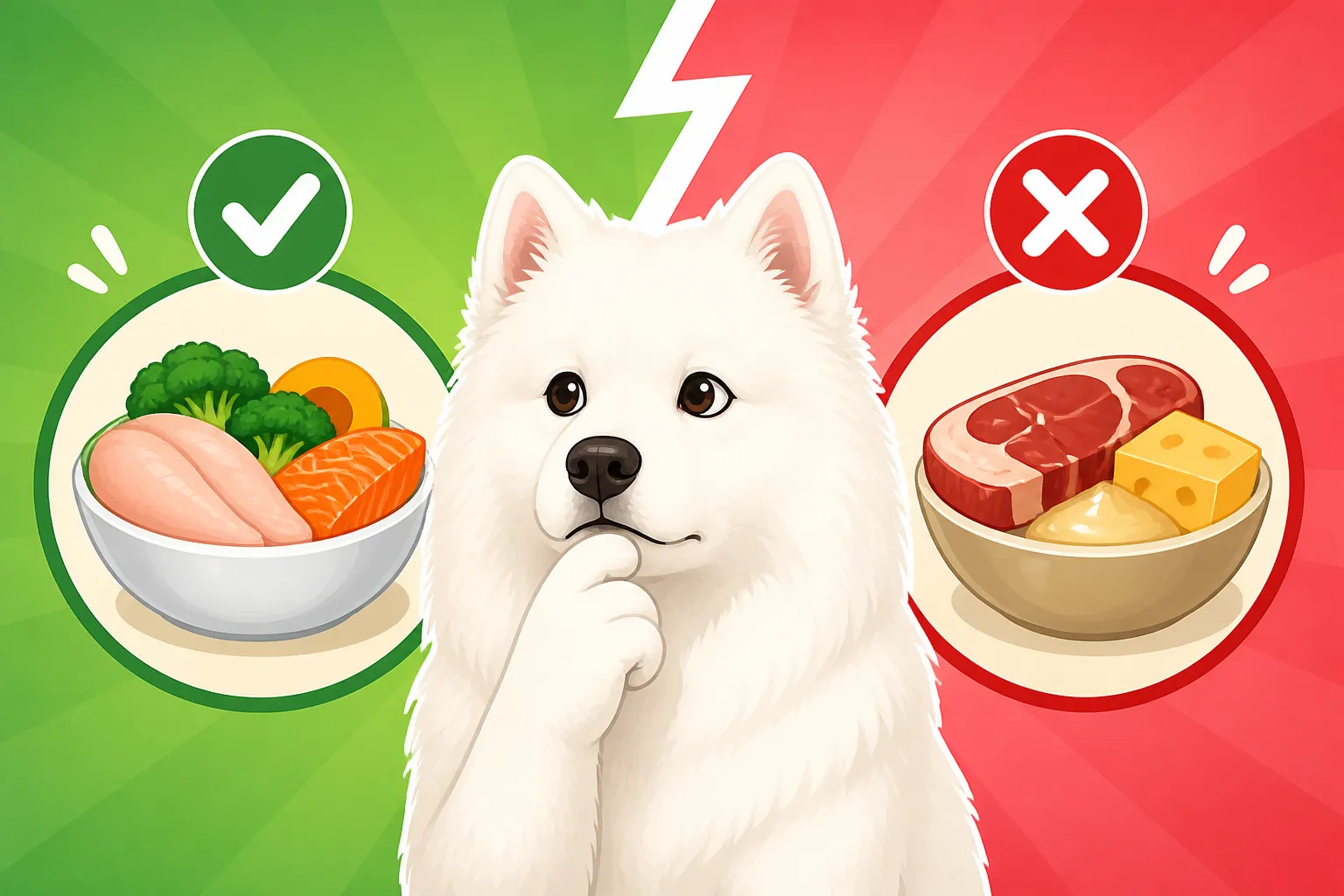
Beyond the main diet, it's critical to be mindful of all sources of fat your Samoyed consumes. This includes treats, table scraps, and even certain supplements. For a Samoyed on a strict low-fat diet, fatty treats are absolutely off-limits. Opt for low-fat, high-fiber treats, or use small pieces of their kibble as rewards. Be vigilant about family members who might unknowingly offer fatty tidbits. Remember, just one fatty bite could potentially trigger a pancreatitis flare-up. You might consider using a slow feeder bowl, readily available on Amazon, to ensure your Samoyed eats at a measured pace, which can also aid digestion.
Regular Check-ups and Adjusting the Plan
Implementing a low-fat diet is often an ongoing process, not a one-time fix. Regular follow-up appointments with your veterinarian are crucial to monitor your Samoyed's progress and make any necessary adjustments. Your vet may want to run blood tests to check pancreatic enzyme levels, cholesterol, or blood glucose, especially if managing conditions like The Age a Samoyed Develops Diabetes or hyperlipidemia.
You'll also need to closely monitor your Samoyed's weight, body condition, and overall health at home. Are their digestive issues improving? Are they gaining or losing weight appropriately? Do they have good energy levels and a healthy coat? Keep a log of any changes you observe, positive or negative, to share with your vet. Based on these assessments, your vet may recommend modifying the type of low-fat food, adjusting portion sizes, or exploring additional treatments. This collaborative approach ensures that your Samoyed receives the best possible care and that their low-fat diet continues to meet their evolving nutritional and health needs throughout their life.
Disclaimer
This article is for general informational purposes only and does not constitute professional advice. Laws, prices and regulations vary by location and change over time. Consult a qualified professional for guidance on your specific situation.