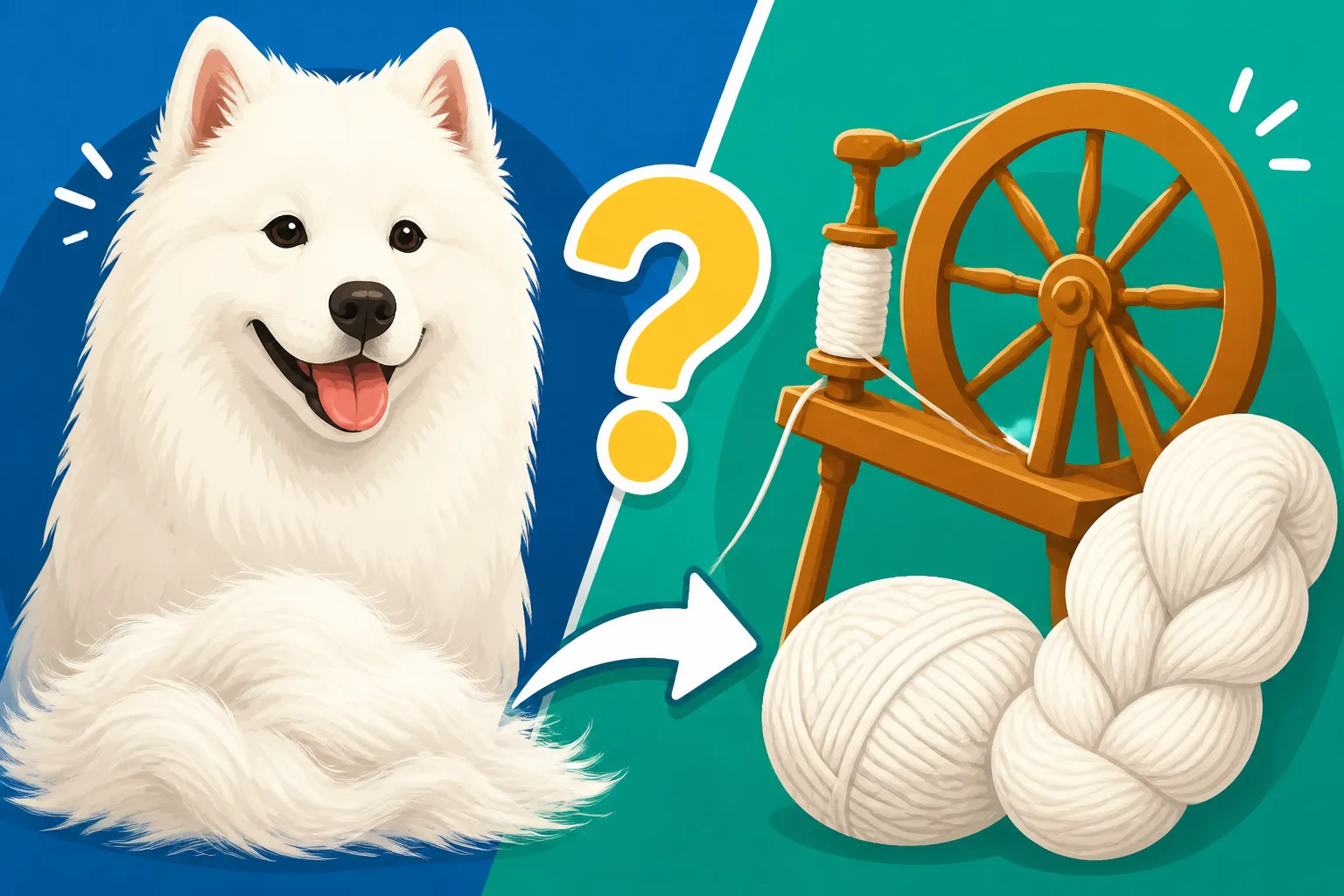
Whether Samoyed Fur Can Be Spun Into Yarn
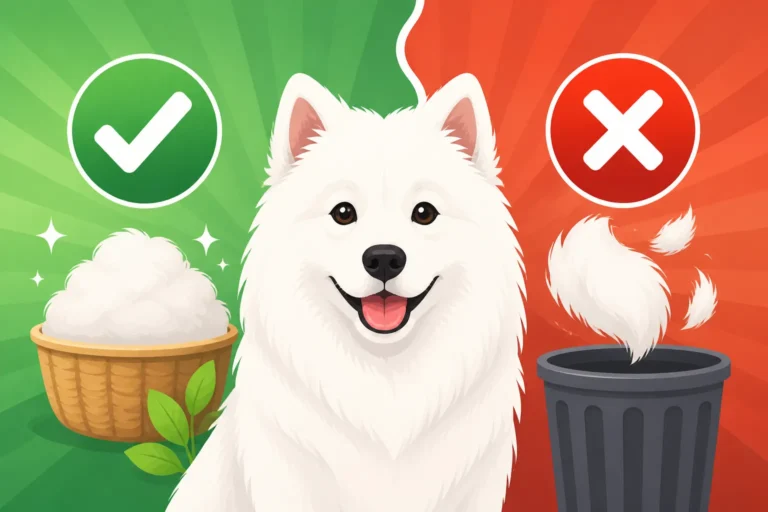
If you've ever owned a Samoyed, you know that their glorious, cloud-like coat comes with a significant amount of "fluff" – especially during their biannual coat blow. Many of us find ourselves wondering if there's a better use for all that beautifully soft undercoat than simply tossing it in the trash. The good news is, absolutely yes! You can transform that magnificent Samoyed fur into incredibly warm, luxurious yarn, creating truly unique and sentimental items. This guide will walk you through everything you need to know about turning your Sammy's shed fur into cherished keepsakes.
The Allure of "Chiengora": Why Spin Samoyed Fur?
There's something truly magical about taking your beloved Samoyed's shed fur and turning it into something tangible and lasting. This special fiber, often affectionately called "chiengora" (from "chien" for dog and "angora" for the soft rabbit fiber), holds a unique appeal for many dog owners and fiber enthusiasts alike. It's not just about repurposing; it's about creating a deeply personal connection to your furry friend that you can literally wear or hold.
Imagine wrapping yourself in a scarf made from the very fur that kept your Samoyed warm through winter. It’s a tangible piece of their presence, a cozy reminder of their soft snuggles. For those of us who adore our Samoyeds, the idea of having a sweater, hat, or even a small blanket made from their own fibers is incredibly heartwarming. It’s particularly poignant for senior Samoyeds, offering a way to keep a part of them close even as they age. Plus, let's be honest, the sheer volume of fur these dogs produce makes it almost a natural extension of their being to become a textile. We all grapple with What Twenty Pounds of Samoyed Undercoat Does to a House, so why not make the most of it?
The Unique Qualities of Samoyed Fur Yarn
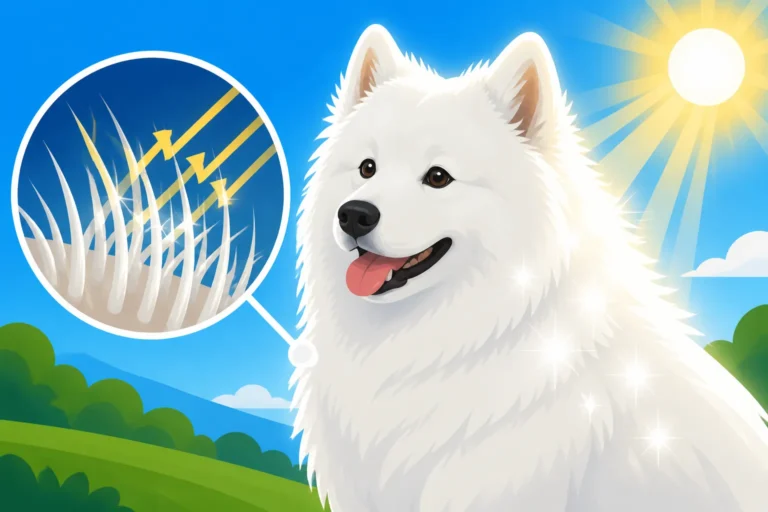
Samoyed fur isn't just any dog fur; it possesses characteristics that make it particularly well-suited for spinning. Our breed's magnificent double coat is specifically designed for extreme cold, featuring a harsh outer guard coat and an incredibly dense, soft, woolly undercoat. It's this undercoat that you want for spinning.
When spun, Samoyed undercoat yields a yarn that is remarkably soft, often compared to angora or cashmere. It’s incredibly lightweight yet exceptionally warm, thanks to the hollow core of the individual fibers that trap air, much like their natural coat insulates them from both extreme cold and, surprisingly, heat. A Samoyed's Coat Is Insulation, Not Decoration after all, and that insulation carries over to the yarn. The resulting fabric has a lovely halo effect, a slight fuzziness that adds to its luxurious feel. It’s also surprisingly durable when blended with other fibers, and its natural pristine white or biscuit color means you're starting with a beautiful, undyed palette.
Collecting and Preparing Your Samoyed's Precious Undercoat
The journey from a furry dog to wearable yarn begins with careful collection and preparation of the raw fiber. This isn't just about grabbing handfuls of fur; there's an art to it to ensure the best quality yarn.
Timing is Everything: The Coat Blow
The absolute best time to collect Samoyed fur for spinning is during their infamous "coat blow." This usually happens twice a year, often in spring and fall, when they shed their entire undercoat to prepare for the change in seasons. During this period, the undercoat comes out in soft, fluffy clumps, making it easy to brush or pluck directly from the dog. This shed undercoat is typically clean, free of dander, and has excellent staple length – meaning the individual fibers are long enough to hold together when spun.
While you can collect fur year-round from regular brushing, the quality and quantity won't be as good as during the coat blow. Regular grooming with tools like an undercoat rake or a deshedding brush (many great options can be found on Chewy or Amazon) will help you gather a substantial amount of prime fiber during these peak shedding times. Remember, we are looking for the soft, downy undercoat, not the coarser guard hairs. Which Part of a Samoyed's Coat Spins Best is almost exclusively the fluffy undercoat.
Cleaning and Storing Your Samoyed Fluff
Once collected, your Samoyed's fur needs to be clean and dry before storage. While Samoyed fur has a remarkable ability to self-clean and repel dirt, it's still a good idea to ensure there are no lingering debris, burrs, or excessive oils. Most professional spinners will wash the fiber themselves, but starting with a relatively clean batch is always appreciated. You can gently pick out any larger pieces of debris.
For storage, airtight bags are your best friend. Ziploc bags, vacuum-seal bags, or large fabric bags (like pillowcases, if you want something breathable) are all excellent choices. Make sure the fur is completely dry to prevent mildew. Label each bag with the date you collected the fur and, if you have multiple Samoyeds or are particular about blends, which dog it came from. Store it in a cool, dry place away from pests. Some people even put their collected fur in a freezer for a few days to kill any potential insect larvae before long-term storage, which is a clever trick! Whether Brushed Samoyed Fur Should Be Saved is a definite yes, but only if stored properly.
The Art and Science of Spinning Samoyed Fur
Once you've diligently collected and prepared your Samoyed's beautiful undercoat, the next step is transforming it into yarn. This can be a delightful personal project or something best left to the experts.
Finding a Chiengora Spinner
Unless you're an experienced fiber artist with your own spinning wheel, finding a professional chiengora spinner is often the best route. These artisans specialize in working with animal fibers, including dog fur, and have the knowledge and equipment to create high-quality yarn. A simple online search for "chiengora spinning services" or "dog fur yarn spinners" will likely yield several results. Many will have websites showcasing their work, which can give you a good idea of their style and experience.
When choosing a spinner, consider a few things:
- Experience with dog fur: Spinning dog fur, especially Samoyed fur, requires specific techniques due to its unique fiber structure.
- Turnaround time: Ask about their typical lead times, as popular spinners can have waiting lists.
- Pricing: Costs will vary based on the weight of the fiber, the desired ply (single, two-ply, etc.), and any blending requests. Be sure to discuss this upfront.
- Communication: A good spinner will be happy to answer your questions and guide you through the process. Don't be shy about asking about their process, what kind of yarn they produce, and Whether a Spinner Will Take Samoyed Undercoat specifically.
You might also find local fiber guilds or spinning groups in your area. These communities are often a treasure trove of knowledge and may even have members who offer custom spinning services or can recommend someone reliable.
The Spinning Process: What to Expect
The spinner will take your carefully prepared fluff and, usually, begin by washing it thoroughly, if you haven't done so already. Then, the fur is "carded" or "combed" to align the fibers and remove any remaining debris or mats. This creates a fluffy roll or roving that is then ready for spinning.
During spinning, the fibers are drawn out and twisted together to form a continuous strand of yarn. Many spinners will blend Samoyed fur with a small percentage of sheep's wool (like Merino) or alpaca. This isn't just to increase volume; it can significantly improve the yarn's strength, elasticity, and overall drape, as chiengora on its own can sometimes be a bit fragile or "slippery." A common blend might be 80% Samoyed fur and 20% wool. This blend still highlights the unique qualities of the Samoyed fur while making it more versatile for knitting or crocheting. The yarn is then typically plied (two or more single strands twisted together) for added strength, and then washed and set to prevent unraveling.
The amount of yarn you get will depend on the weight of the fur you provide and the thickness of the desired yarn. For a general idea, it can take quite a bit of undercoat to make a significant project. For example, How Much Samoyed Fur Makes a Sweater would require several pounds of clean, prepared undercoat, collected over multiple coat blows.
Living with Samoyed Yarn: Pros, Cons, and Care
So, you've got your beautiful, custom-spun Samoyed yarn. What's it like to work with, and how do you care for it?
Characteristics of Samoyed Yarn
Samoyed yarn is truly a unique fiber. It's renowned for its incredible softness and warmth, making it ideal for items worn close to the skin, like scarves, hats, or mittens. The natural color, ranging from pure white to a creamy biscuit, offers a lovely neutral palette. It has a distinctive "fluffy" appearance, a lovely halo that gives it a luxurious, cozy feel.
However, it's also important to understand its quirks. Because dog hair lacks the scales found on sheep's wool, it can be a bit more slippery and less elastic. This is why blending it with wool is often recommended. Also, while generally durable, it's not typically used for high-wear items like socks. It's best suited for accessories and garments that will be gently used and cherished.
Addressing the "Dog Smell" Question
One of the most common questions people have is: Whether Spun Samoyed Fur Smells When Wet? It's a valid concern! The good news is that properly cleaned and spun chiengora generally does not smell like a wet dog. The process of washing, carding, and spinning removes most, if not all, of the natural oils and dander that contribute to that characteristic odor. Most people who have garments made from chiengora report no noticeable smell, even when damp.
However, if the fur was not thoroughly cleaned before spinning, or if the finished item gets heavily soiled, a faint scent could theoretically emerge. This is why working with a reputable spinner who emphasizes clean fiber is crucial. So, you can relax; your Samoyed scarf won't make you smell like you just came from the dog park after a rainy day.
Caring for Your Chiengora Creations
Like any delicate fiber, Samoyed yarn garments require gentle care to maintain their beauty and integrity. Think of it like caring for a fine wool or cashmere item.
Here are some general care tips:
- Hand Wash Only: Always hand wash in cool or lukewarm water with a gentle wool-specific detergent. Avoid harsh chemicals or excessive agitation, which can cause felting or damage.
- Rinse Thoroughly: Rinse gently until the water runs clear.
- Squeeze, Don't Wring: Gently squeeze out excess water. Never twist or wring the item, as this can stretch or distort the fibers.
- Roll in a Towel: Lay the item flat on a clean towel, roll it up gently to absorb more moisture, then unroll.
- Lay Flat to Dry: Reshape the item and lay it flat on a clean, dry towel or a mesh drying rack. Avoid hanging, which can stretch the garment. Keep it out of direct sunlight or high heat.
- Storage: Store folded in a drawer or on a shelf to prevent stretching. Use cedar blocks or lavender sachets to deter moths, just as you would with wool.
By following these care instructions, your Samoyed fur creations will remain beautiful, soft, and warm for many years to come, a lasting tribute to your furry companion.
| Feature | Samoyed Fur Yarn (Chiengora) | Sheep's Wool (e.g., Merino) |
|---|---|---|
| Softness | Extremely soft, often cashmere-like | Varies, fine Merino is very soft |
| Warmth | Exceptional, hollow fibers trap air | Excellent, scales trap air |
| Weight | Very lightweight | Moderate |
| Drape/Elasticity | Less elastic, can be "slippery" | Good elasticity, drapes well |
| Odor (when wet) | Minimal to none if properly cleaned | Distinctive "wet wool" smell |
| Care | Hand wash, lay flat to dry | Hand wash or gentle cycle, lay flat to dry |
| Felting Risk | Moderate, depends on fiber prep & blend | Moderate to high, depending on type |
| Availability | Custom spun from your dog's fur | Widely available commercially |
| Cost | Custom spinning can be significant | Varies from affordable to luxurious |
Disclaimer
This article is for general informational purposes only and does not constitute professional advice. Laws, prices and regulations vary by location and change over time. Consult a qualified professional for guidance on your specific situation.