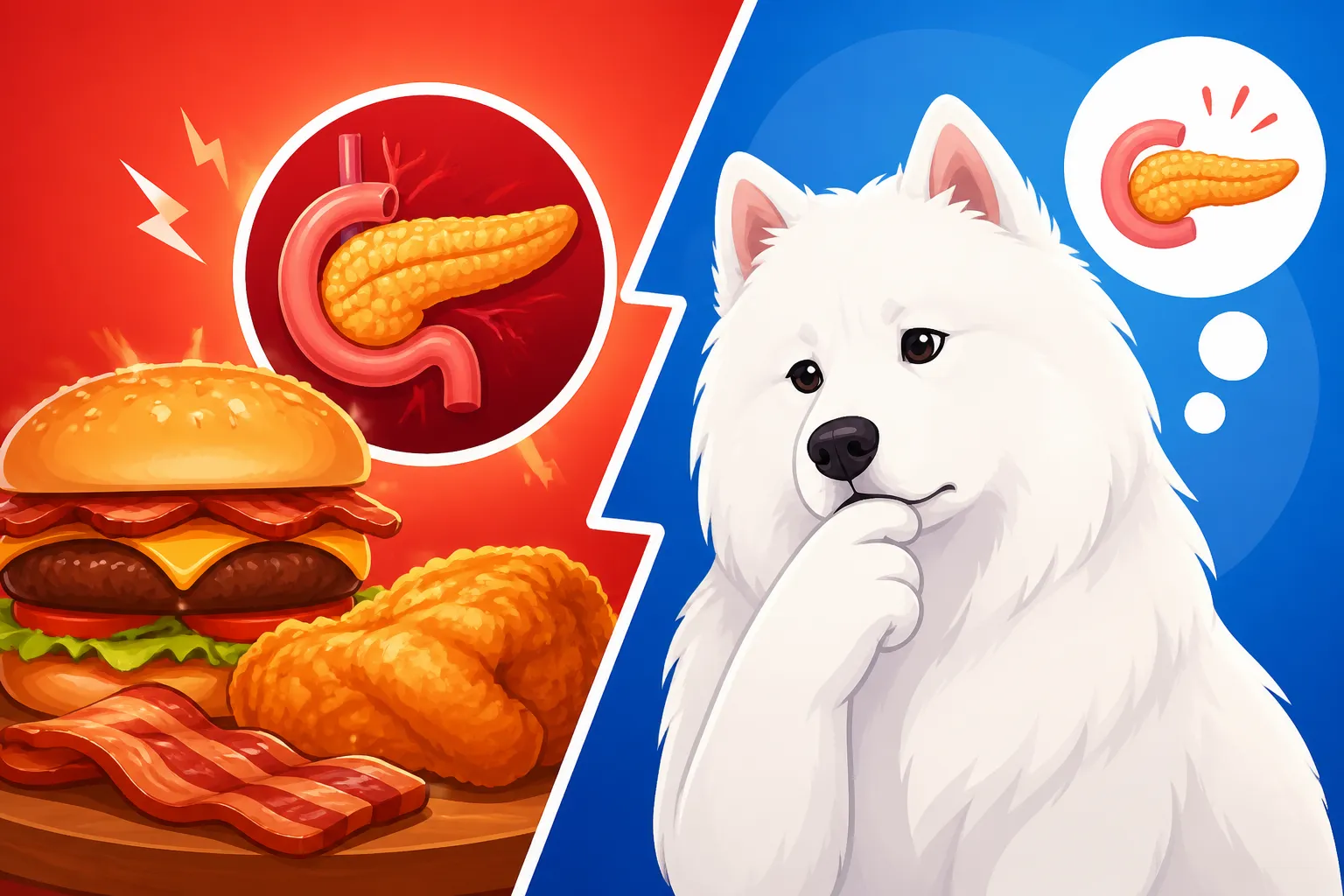
Whether High Fat Food Risks a Samoyed’s Pancreas
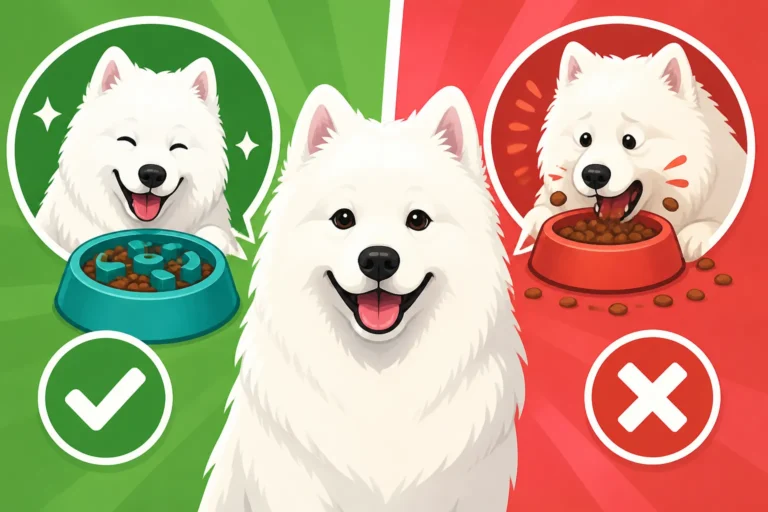
Oh, the sheer joy of watching your Samoyed devour something delicious! It's hard not to spoil them, especially when they give you that adorable, slightly mischievous "Samoyed smile." But when it comes to certain foods, especially those rich in fat, that indulgence can unfortunately lead to a very painful and dangerous condition called pancreatitis. This guide will delve into what pancreatitis is, why high-fat foods are such a risk for our fluffy friends, and most importantly, how to keep your Samoyed's pancreas happy and healthy.
Understanding Pancreatitis in Samoyeds
Pancreatitis is one of those conditions that can sneak up on you, and for a breed like the Samoyed, known for their stoicism and ability to mask discomfort, it can be particularly concerning. The thought of our cheerful companions silently suffering is truly heartbreaking.
What is Pancreatitis and Why is it a Concern for Samoyeds?
Simply put, the pancreas is a vital organ located near the stomach and small intestine. It has two main jobs: producing enzymes that aid in digestion (breaking down fats, proteins, and carbohydrates), and producing hormones like insulin that regulate blood sugar. When a dog develops pancreatitis, it means this crucial organ has become inflamed. Instead of the digestive enzymes staying safely within the pancreas and only activating once they reach the small intestine, they get activated inside the pancreas itself. This causes the pancreas to essentially start digesting itself, leading to immense pain, inflammation, and potential damage to surrounding organs.
For Samoyed owners, there's always a worry about conditions that can affect their beloved dogs. While pancreatitis isn't exclusive to Samoyeds, their general robust nature might make us, as owners, a little less vigilant about subtle signs of illness. It's easy to dismiss a bit of lethargy or a slightly upset stomach, especially when our dogs are so good at putting on a brave face. However, this condition can range from mild to severe, and in its acute form, it can be life-threatening, making early recognition and prevention incredibly important.
Common Triggers for Pancreatitis in Dogs
Pancreatitis in dogs often doesn't just appear out of nowhere. There are usually identifiable triggers, with diet playing a massive role. Imagine your Samoyed, with their keen nose and persuasive charm, begging for a bite of your dinner. It’s hard to resist, isn’t it? But those seemingly harmless morsels can be the very thing that sets off a pancreatic flare-up.
The most notorious culprit is a sudden ingestion of a large amount of high-fat food. Think about holidays: Thanksgiving dinner scraps, a fatty piece of ham from Christmas, or even just sneaking into the trash for leftover bacon grease. These rich, unfamiliar foods can overload your dog's pancreas. But it’s not just a single, massive fatty meal. Chronic pancreatitis, though less dramatic, can be caused by long-term consumption of a diet that is consistently too high in fat for a particular dog's system. Other factors like certain medications, trauma, or even some underlying diseases can contribute, but dietary indiscretion is by far the most common trigger that we, as owners, have control over. Why Pancreatitis Precedes Samoyed Diabetes is a great article if you're curious about other health conditions that can sometimes be linked to pancreatic issues.
The Link Between High-Fat Foods and Pancreatitis
It really boils down to how your Samoyed's body processes fat and what happens when that system is suddenly overwhelmed.
How Fatty Foods Overwhelm the Pancreas
When your Samoyed eats a meal, the pancreas releases digestive enzymes into the small intestine to break down the food. Fat, in particular, requires a significant amount of these enzymes. When an excessive amount of fat suddenly hits the digestive system, the pancreas goes into overdrive, releasing a deluge of enzymes. The problem is, this sudden rush can lead to a cascade where these enzymes activate prematurely within the pancreas itself. Instead of waiting for their cue in the small intestine, they start "digesting" the pancreatic tissue, causing inflammation, pain, and tissue damage.
Think of it like a safety valve. Your Samoyed's pancreas has a certain capacity for handling fat. Introduce a massive, unexpected load, and that valve can burst, leading to severe and painful consequences. A single large, fatty meal, like a whole plate of bacon or a big piece of cooked fatty meat, is often more dangerous than a consistent diet that's moderately high in fat, simply because of that sudden shock to the system. The body isn't prepared for such an intense workload, and the delicate balance of enzyme activation is thrown completely off.
The Risks of Indulging Your Samoyed in Rich Treats
We all love to treat our Samoyeds, and it's so easy to slip them a little piece of whatever we're enjoying. But this seemingly harmless act carries significant risks. That dropped piece of buttered toast, the sliver of cheese from your sandwich, or even a fatty commercial treat not designed for sensitive tummies can be a ticking time bomb for your Samoyed’s pancreas. Holiday gatherings are particularly perilous. Who hasn't seen a well-meaning relative sneak a bit of gravy-soaked turkey skin or a spoonful of mashed potatoes laden with butter to the "nice doggy"?
The truth is, many human foods that are delicious to us are far too rich for a dog's digestive system. Foods like bacon, sausages, fried chicken, rich cheeses, and gravies are packed with fat. Even seemingly innocent items like fatty cuts of meat trimmed from your dinner can trigger an attack. It's not just the fat, but often the combination of fat, spices, and sometimes even bones (cooked bones are a choking hazard and can splinter) that creates a perfect storm for pancreatic distress. It's a tough lesson to learn, but being firm about "no human food" is one of the kindest things you can do for your Samoyed's long-term health. Whether a Samoyed Should Avoid Table Scraps Entirely goes into more detail about this crucial boundary.
Recognizing the Signs of Pancreatitis in Your Samoyed
One of the biggest challenges with Samoyeds is their incredible ability to mask pain or discomfort. That cheerful smile and fluffy coat can hide a lot, making it difficult to spot illness until it's quite advanced. This stoicism, while admirable, means we have to be extra vigilant as owners.
Subtle and Overt Symptoms to Watch For
Pancreatitis symptoms can vary in intensity, from mild and intermittent to severe and acute. Knowing what to look for can make a huge difference in getting timely veterinary care.
Subtle Signs (often dismissed initially):
- Lethargy: Your usually energetic Samoyed might seem a bit more subdued, sleeping more, or less enthusiastic about walks and playtime.
- Reduced Appetite: They might pick at their food, or simply not finish their usual meal, which is often unusual for a Samoyed who usually loves their dinner.
- Mild Vomiting or Diarrhea: A single episode might be dismissed as an upset stomach, but if it recurs or is accompanied by other signs, it's a red flag.
- Reluctance to Move or Play: They might seem a bit stiff, or hesitate to jump onto furniture.
- Changes in Posture: Sometimes, dogs with abdominal pain will adopt a "praying position" – front legs on the ground, hind end in the air – in an attempt to alleviate discomfort. This is a strong indicator of belly pain.
Overt/Acute Signs (require immediate attention):
- Severe, Persistent Vomiting: Especially if it contains bile or is projectile.
- Severe Diarrhea: Can be bloody or have a very foul odor.
- Extreme Abdominal Pain: Your Samoyed might cry out when touched, guard their belly, or refuse to let you touch them.
- Fever: Their nose might feel warm, or they might generally feel hot to the touch.
- Dehydration: Sunken eyes, lethargy, and dry gums.
- Weakness and Collapse: In severe cases, they might be unable to stand or become unresponsive.
It's critical to remember that How a Samoyed Hides Illness Behind a Smile is a real phenomenon. You know your Samoyed best, so any deviation from their normal behavior, even if subtle, warrants attention.
When to Seek Veterinary Care
If you notice any of the overt symptoms listed above, or a combination of subtle symptoms that persist for more than a day, it's time for an immediate trip to the veterinarian. Pancreatitis is not a condition that you can "wait and see" with, especially with a Samoyed's tendency to mask pain. The sooner treatment begins, the better the prognosis and the less likely your dog is to suffer long-term complications.
Your vet will likely perform a physical exam, blood tests (specifically looking for elevated pancreatic enzymes like canine pancreatic lipase, or cPL), and possibly imaging like an ultrasound. Don't be afraid to voice all your concerns and detail any recent dietary indiscretions. This information is crucial for an accurate diagnosis. Early intervention can involve pain management, anti-nausea medication, intravenous fluids to combat dehydration, and a strict diet change. Signs a Samoyed Has Pancreatitis offers more in-depth information on diagnosis.
Preventing Pancreatitis: Dietary Strategies for Your Samoyed
Prevention truly is the best medicine when it comes to pancreatitis. As Samoyed owners, we hold the key to their dietary health, and making smart choices can save them a lot of pain and us a lot of worry (and vet bills!).
Choosing Appropriate Commercial Diets
The foundation of preventing pancreatitis often starts with the food bowl. Selecting a high-quality, balanced commercial diet is paramount. Many premium dog foods are formulated to provide complete nutrition without excessive fat, which is ideal for general health and specifically for preventing pancreatic issues. When you're looking at kibble or wet food options, take a moment to look at the guaranteed analysis. While "low fat" isn't strictly necessary for every Samoyed, especially if they are active, a moderate fat content is a safe bet. Talk to your vet about what "moderate" means for your individual dog, considering their age, activity level, and overall health.
Reputable brands often list their ingredients and nutritional breakdown clearly. Many owners find great options through online retailers like Chewy, which offers a wide selection and detailed product information to help you make informed choices. If you're exploring fresh food options, brands like Ollie prepare meals with specific nutritional profiles that can often be tailored to your dog's needs, potentially offering controlled fat levels. Remember, consistency is also key; sudden changes in diet can sometimes upset the digestive system, so always transition new foods slowly. What Kibble Costs for a Samoyed might be a useful read when considering different food types and brands.
The Dangers of Table Scraps and High-Fat Human Foods
This is where owner discipline comes into play, and it’s often the hardest part! Those soulful Samoyed eyes can melt even the strongest resolve, but when it comes to table scraps, you must be firm. As discussed, fatty human foods are a primary trigger for pancreatitis. This includes not just obvious culprits like bacon and sausage, but also seemingly innocuous items like chicken skin, fatty beef trimmings, rich gravies, dairy products like full-fat cheese, and even certain baked goods.
Imagine your Samoyed accidentally getting into the kitchen trash after a holiday meal. That's a recipe for disaster. Keep all rich, fatty human foods out of reach. Secure your trash cans, and educate family members and guests about what your Samoyed can and cannot eat. It's much easier to say "no" consistently than to deal with the pain and expense of a pancreatitis attack. Even for training treats, choose low-calorie, low-fat options specifically designed for dogs.
Smart Snacking: Healthier Treat Options
Treats are an important part of bonding and training, and thankfully, there are plenty of safe, low-fat options that your Samoyed will adore. Instead of fatty meat scraps, consider these alternatives:
- Plain cooked vegetables: Carrots, green beans, pumpkin (canned, plain, not pie filling), and sweet potatoes are often big hits.
- Plain fruits: Sliced apples (no seeds), blueberries, and bananas in moderation.
- Lean cooked meats: Small pieces of plain, boiled chicken breast or turkey.
- Low-fat commercial dog treats: Many brands offer treats specifically marketed as low-fat or diet-friendly.
- Ice cubes: A simple, refreshing, and calorie-free treat, especially on a warm day.
You can often find a fantastic variety of these healthier treats on platforms like Amazon or Chewy, making it easy to stock up on safe alternatives. The goal is to provide enjoyment without overloading their system. Remember that treats should make up no more than 10% of your Samoyed's daily caloric intake to prevent weight gain and ensure they get adequate nutrition from their main meals. Whether a Samoyed Needs Fewer Calories Than Expected can help you understand the importance of managing their overall intake.
Here's a quick comparison of high-fat vs. low-fat treat options:
| High-Fat (Risky) Human Foods | Low-Fat (Safer) Dog-Specific Treats |
|---|---|
| Bacon/Sausage | Plain cooked chicken breast |
| Fatty beef trimmings | Steamed carrots or green beans |
| Cheese/Dairy products | Small pieces of apple (no seeds) |
| Fried foods (chicken, chips) | Blueberries |
| Rich gravies and sauces | Plain canned pumpkin (not pie filling) |
| Holiday ham/turkey skin | Low-fat commercial dog biscuits |
| Buttered toast/pastries | Ice cubes |
Ultimately, safeguarding your Samoyed's pancreas means being a diligent and informed owner. It means understanding the risks associated with high-fat foods and making a conscious effort to provide a diet that supports their health, rather than inadvertently putting them in harm's way. Your Samoyed's cheerful "smile" is precious, and keeping them comfortable and free from pain should always be our top priority. By choosing wisely, you can help ensure your beloved companion enjoys a long, healthy, and pancreatitis-free life.
Disclaimer
This article is for general informational purposes only and does not constitute professional advice. Laws, prices and regulations vary by location and change over time. Consult a qualified professional for guidance on your specific situation.