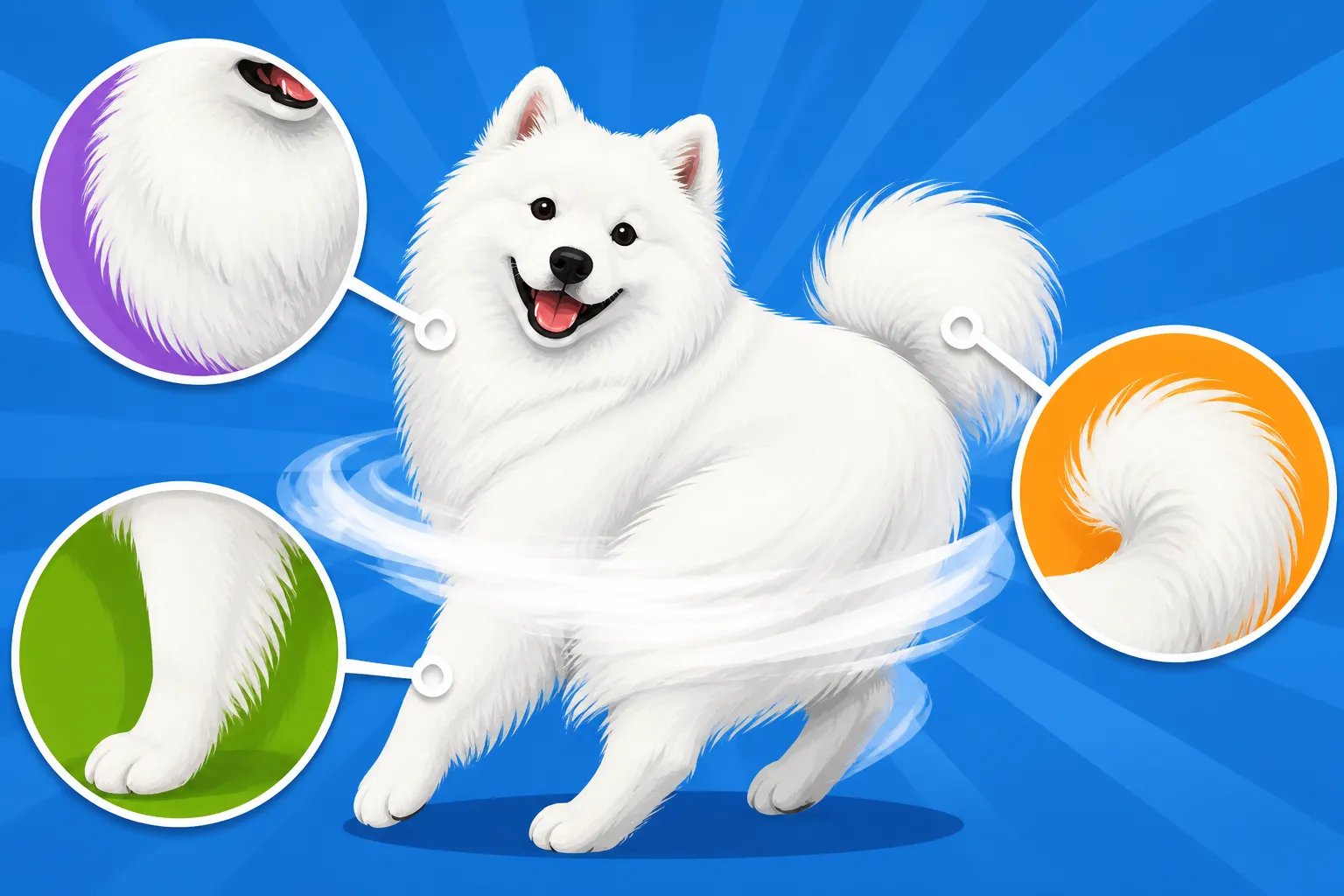
Which Part of a Samoyed’s Coat Spins Best
If you've ever lived with a Samoyed, you know the delightful, fluffy reality of their magnificent coats. And if you're like many Samoyed parents, you've probably looked at that mountain of brushed-out fur during a coat blow and wondered, "What on earth am I going to do with all of this?" The good news is, that glorious fluff can be transformed into beautiful, warm yarn. But not all parts of a Samoyed's coat are created equal when it comes to spinning. This guide will walk you through exactly which parts of your Samoyed's fabulous fur are best suited for spinning, and why.
Understanding the Samoyed's Magnificent Double Coat
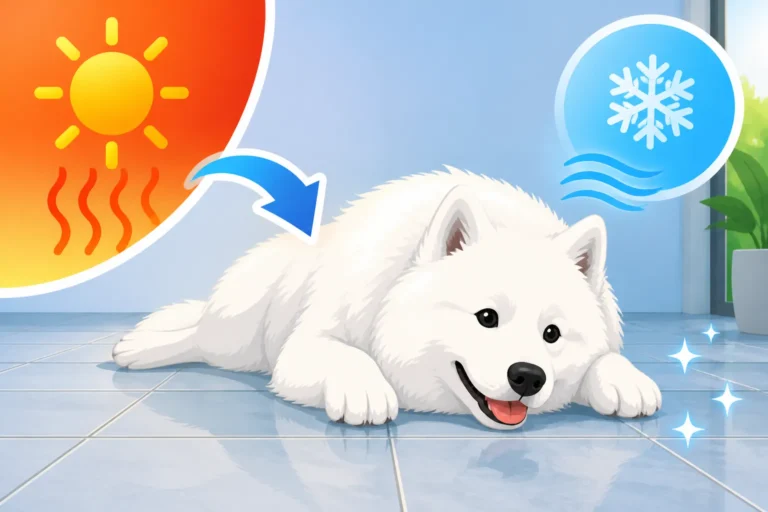
Before we dive into the nitty-gritty of spinning, it's really helpful to understand the unique structure of a Samoyed's coat. Our beautiful floofs aren't just one type of hair; they have a sophisticated double coat, perfectly designed for their ancestral life in sub-zero temperatures. This ingenious design is what keeps them warm in winter and surprisingly cool in summer. A Samoyed Built for Sixty Below in an American Summer is a testament to this incredible natural engineering. This double coat consists of two distinct layers: the harsh outer guard hairs and the soft, dense undercoat. Knowing the difference is key to getting the best results when you start thinking about spinning.
The Insulating Undercoat: The Spinner's Gold Mine
This is the holy grail for spinners! The Samoyed's undercoat is famously soft, dense, and remarkably fine. It's almost like a cloud of cotton wool, but with incredible insulating properties. This downy layer grows close to the skin, providing the primary insulation against both cold and heat. During a "coat blow," which happens typically once or twice a year, sometimes more, this is the magnificent fluff that comes out in astounding quantities. When a Samoyed Blows Its Coat is a sight to behold, trust me!
When you brush your Samoyed, especially with a good undercoat rake or a high-velocity force dryer (you can find excellent ones on platforms like Amazon or Chewy), it's this incredibly soft, crimped undercoat that you're primarily collecting. Each individual fiber is relatively short compared to the guard hairs, but there are so many of them, and they interlock beautifully to create a luxurious, airy textile. This fiber's natural crimp also contributes to its elasticity and ability to trap air, making the resulting yarn wonderfully warm yet surprisingly lightweight. This is the stuff that dreams are made of for spinners, offering unparalleled softness and warmth in the finished product.
The Sturdy Guard Hairs: More Than Just Protection
Above the dense undercoat lies the layer of coarser, longer, and straighter guard hairs. These are the hairs that give your Samoyed its characteristic pristine white appearance and that lovely, weatherproof outer shell. A Samoyed's Coat Is Insulation, Not Decoration in large part thanks to these guard hairs. Their primary job is to protect the undercoat from snow, ice, rain, and dirt, acting like a natural shield. They are much stronger and have a slicker texture than the undercoat.
While essential for the dog's protection, these guard hairs are generally not the preferred choice for spinning into a soft, wearable yarn on their own. They lack the crimp and inherent softness of the undercoat, making them harder to spin into a fine, comfortable thread. If you try to spin only guard hairs, the resulting yarn can be stiff, bristly, and not very pleasant against the skin. They don't have the same insulating qualities when spun, either. While they certainly contribute to the overall fluff you collect, for the best spinning results, you'll want to separate them out as much as possible or use them in very small percentages when blending.
Why the Undercoat is the Star for Spinning
So, you've gathered your piles of glorious Samoyed fluff – often enough to fill a small pillowcase or two during a major coat blow! Now, why is it that everyone raves about the undercoat for spinning? It really comes down to the inherent qualities of the fiber itself.
Softness and Warmth: The Hallmarks of Samoyed Yarn
The true magic of Samoyed yarn lies in its incredible softness and warmth. The undercoat fibers are hollow, which is a fantastic feature, much like the way polar bear fur works. This hollowness makes the yarn exceptionally light while still being remarkably insulating. It's often compared to cashmere or angora for its luxurious feel, but with a unique airy quality that sets it apart. Imagine a scarf so light you barely feel it, yet so incredibly warm it fends off the chilliest winter winds. That's Samoyed yarn made from the prime undercoat.
Compared to traditional sheep's wool, Samoyed yarn often feels much softer and has less "prickle" factor, making it ideal for items worn directly against sensitive skin, like hats, scarves, and even baby blankets. This is largely due to the fineness and smoothness of the individual undercoat fibers. They don't have the scales that can cause wool to feel itchy to some people. How Much Samoyed Fur Makes a Sweater often surprises people, as you need less volume than you might think due to its lofty nature.
Handling and Blending: Maximizing Your Fluff
One of the great joys of working with Samoyed undercoat is how beautifully it handles. While it can be a bit slippery for absolute beginner spinners, its length and crimp make it quite cooperative once you get the hang of it. Many spinners choose to blend Samoyed fur with other fibers, and the undercoat is perfect for this.
Table: Samoyed Fiber Blending Options
| Fiber Type | Characteristics for Blending with Samoyed Undercoat | Best For |
|---|---|---|
| Merino Wool | Adds elasticity, strength, and helps with easier spinning. | Garments needing more structure or durability. |
| Alpaca | Enhances softness, adds drape, and can introduce subtle color variations. | Luxurious scarves, shawls, and softer blankets. |
| Silk | Adds sheen, strength, and a smoother texture. | Fine garments, elegant accessories. |
| Mohair | Creates a halo effect, adds warmth, and a slight fuzziness. | Lofty sweaters, decorative elements. |
| Nylon/Synthetic | Increases durability and wear resistance, especially for socks or outer layers. | Items that will experience more friction or wear. |
Blending allows you to compensate for the relatively short staple length of Samoyed fur, adding strength or different textures. For example, a blend with Merino wool can make the yarn stronger and more elastic, ideal for garments that need to hold their shape or withstand a bit more wear. Using a fiber like silk can add a lovely drape and a subtle sheen. The key is to experiment and find what works best for your desired finished product.
Collecting and Preparing Your Samoyed's Precious Fiber
Getting that beautiful Samoyed fluff from your dog to the spinning wheel involves a few key steps. It's not just about scooping up whatever falls off; a little intentional effort goes a long way in ensuring you have high-quality fiber ready for transformation.
Brushing Techniques for Optimal Collection
The best way to collect high-quality undercoat is through consistent and thorough grooming. You want to aim for clean, unmatted fluff. Regular brushing is your best friend here. During a coat blow, you'll be brushing even more frequently, sometimes daily.
- Tools are key: A good quality slicker brush or an undercoat rake are indispensable. Many Samoyed owners swear by a force dryer, which blows out loose undercoat with incredible efficiency and makes the job much faster and easier. Investing in one from a retailer like Chewy or Amazon can save you hours of brushing time. What a Force Dryer Costs a Samoyed Owner might seem like an investment, but it's often worth it.
- Layer by layer: For the best yield, brush your Samoyed in sections, getting down to the skin. Lift the top guard hairs and brush the undercoat beneath. This prevents matting and ensures you're getting the prime, softest fibers.
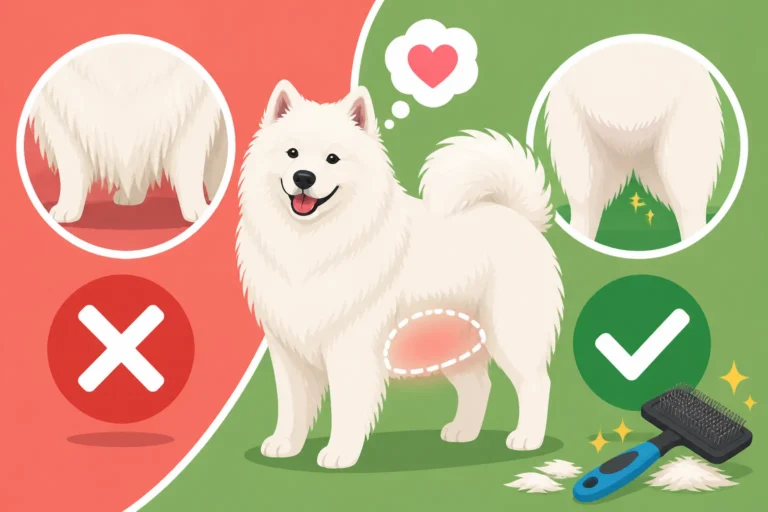
- Target the "prime" areas: The softest and most abundant undercoat often comes from the ruff (around the neck), the "pants" (on the back of the thighs), and the belly. These areas tend to have the longest and finest undercoat fibers.
- Keep it clean: Try to collect fur when your Samoyed is clean. If your dog is muddy or has debris in its coat, it's best to bathe and dry them thoroughly before a major brushing session. While Samoyeds are surprisingly self-cleaning, How a Samoyed's Coat Sheds Dirt on Its Own, a clean start for spinning fiber is always preferable.
Storage and Pre-Processing
Once you've collected your fluffy treasures, proper storage is vital. You don't want all that hard work to go to waste!
- Airtight storage: Store your collected fur in breathable bags (like pillowcases or mesh laundry bags) or, for longer-term storage, in plastic bins with tight-fitting lids. This protects it from moths, dust, and moisture. Just make sure the fur is completely dry before sealing it away to prevent mildew. You can find large storage bags on Amazon. Whether Brushed Samoyed Fur Should Be Saved is a resounding yes!
- De-matting and cleaning: Before spinning, you'll need to "process" the fur. This often involves gently picking apart any small mats or tangled sections. Some spinners prefer to wash the fur before spinning, especially if it has any oils or dander. A gentle wash in lukewarm water with a wool-safe soap, followed by thorough rinsing and air drying, can make a big difference. However, many Samoyed owners find that their fur is remarkably clean and can be spun "in the grease" (unwashed) if it's been collected from a clean dog. If you do wash it, be very careful not to agitate it too much, as Samoyed fur can felt easily, just like wool.
- Carding or combing: For the smoothest, most consistent yarn, you'll want to prepare the fiber further by carding or combing it. This aligns the fibers and removes any remaining debris or short, weak hairs. Hand carders or a drum carder are common tools for this step.
The Art of Spinning Samoyed Fur: What to Expect
Venturing into spinning your Samoyed's fur is a truly rewarding experience, transforming something that might otherwise be discarded into a lasting, cherished memento. It's a connection to your beloved companion in a whole new way.
The Experience of Spinning Samoyed Wool
The act of spinning Samoyed fur is unique. The fibers are incredibly soft and have a lovely "bloom" to them, meaning the finished yarn will have a slight halo of fluffiness. You might notice a faint, pleasant doggy smell, especially if you spin it unwashed, but this usually dissipates with washing. Whether Spun Samoyed Fur Smells When Wet is a common concern, but usually it's quite mild and fades.
The learning curve for spinning Samoyed fur can vary. Its softness and shorter staple length can sometimes be a challenge for absolute beginners, as it can slip easily. However, with practice, you'll learn the right tension and twist to create a beautiful, cohesive yarn. Many spinners describe it as a wonderfully meditative process, connecting them even more deeply with their furry friends. It’s definitely a labor of love!
Projects Best Suited for Samoyed Yarn
Once you have your gorgeous Samoyed yarn, the possibilities are endless! Given its extraordinary warmth and softness, certain projects are particularly well-suited.
- Luxurious Accessories: Scarves, hats, mittens, and cowl necks are perennial favorites. These items maximize the warmth and softness, and since they're often worn close to the skin, the non-itchy quality of Samoyed yarn is a huge plus.
- Cozy Home Goods: Small throws, blankets, or even decorative pillows are wonderful ways to showcase the yarn. Imagine snuggling up on the couch with a blanket made from your own Samoyed's fur – pure bliss!
- Specialty Garments: While a full sweater might require a substantial amount of fur and a blend for durability, smaller garments like vests or delicate shawls are also excellent choices.
- Pet Remembrance: For many, spinning their Samoyed's fur is a deeply personal way to honor their companion, especially as they age. A small keepsake or an ornament can provide comfort and a tangible memory.
When planning your projects, consider that Samoyed yarn can have less inherent strength than, say, a rugged sheep's wool. For items that will experience a lot of friction or wear, like socks or heavily used sweaters, blending it with a stronger fiber (like Merino wool or even a small percentage of nylon) can be a wise choice to enhance durability. But for pure warmth and luxurious softness, pure Samoyed undercoat yarn is simply unparalleled.
Disclaimer
This article is for general informational purposes only and does not constitute professional advice. Laws, prices and regulations vary by location and change over time. Consult a qualified professional for guidance on your specific situation.