Whether Brushed Samoyed Fur Should Be Saved
If you've ever owned a Samoyed, you know the absolute tidal wave of fur that can descend upon your home, especially during a "coat blow." It's enough to make you wonder if you could knit a new dog out of it, or at least a sweater for yourself! This guide is here to tackle that very common question: whether that beautiful, fluffy brushed Samoyed fur should be saved, and what on earth you might do with it.
The Avalanche of Samoyed Fur: Why We Even Ask This Question
Let's be honest, living with a Samoyed means living with fur. A lot of fur. It becomes part of your clothing, your furniture, and sometimes, mysteriously, your food. It's not a small amount that comes off during a regular brush; it's an endless cloud of white fluff that seems to defy the laws of physics.
The Sheer Volume of a Samoyed's Coat Blow
When a Samoyed "blows its coat," it's not just shedding; it's a full-scale fur-nado. Twice a year, typically in spring and fall, your fluffy cloud decides it's time to redecorate your entire house with its discarded undercoat. You brush and brush, and the pile of fur beside you grows into something resembling a second, smaller Samoyed. It’s a job that feels never-ending, and every Samoyed owner can tell you stories about the sheer volume. You might sweep, vacuum, and lint-roll your way through gallons of it. It’s a common experience, and if you're wondering What Twenty Pounds of Samoyed Undercoat Does to a House, trust me, it’s a lot more than you’d ever anticipate. This isn't just a nuisance; it's a testament to the incredible density of their northern coats.
The frustration is real. You spend hours grooming, filling bag after bag with this soft, cloud-like material. It's so beautiful, so incredibly soft, that the thought of just tossing it all away can feel a little wasteful, especially when you know its origins protected your dog from arctic blasts. This abundance is precisely why so many Samoyed owners start pondering if there's a higher calling for all that fluff. It’s not just hair; it’s a natural fiber, a tangible piece of your beloved companion.
The Dual Nature of the Samoyed Coat
To understand if Samoyed fur can be saved and used, you first need to understand what you're dealing with. A Samoyed has a double coat, which is truly a marvel of natural engineering, designed to keep them warm in sub-zero temperatures and even cool in warmer climates.
The outer layer consists of long, coarse "guard hairs." These hairs are straight, resilient, and somewhat bristly. Their job is to protect the dense undercoat from moisture, dirt, and UV rays. When you brush your Samoyed, especially during a coat blow, you'll inevitably pull out some of these guard hairs, but they're not typically what you'd want to save for crafts. They don't have the same soft, spinnable qualities.
Beneath this protective layer lies the true treasure: the thick, woolly "undercoat." This is the soft, downy fluff that feels like cotton or angora. It's incredibly insulating and is the primary component that creates the Samoyed's iconic cloud-like appearance. It's this undercoat that people consider saving for various projects. It's lighter, finer, and has a natural crimp that makes it perfect for spinning into yarn. The distinction is crucial, as the quality of any finished product relies heavily on isolating this precious undercoat from the coarser guard hairs. This separation is often the most time-consuming part of preparing the fiber.
From Fluff to Fiber: Turning Samoyed Fur into Something New
Once you understand the difference between the guard hairs and the undercoat, the possibilities for that collected fluff start to open up. Many Samoyed owners, unwilling to let such a valuable natural resource go to waste, have embraced the idea of transforming it into something functional or memorable.
The Ancient Art of Spinning Dog Wool (Chiengora)
Yes, you read that right: dog wool. The process of spinning dog fur into yarn is known as "chiengora," a portmanteau of chien (French for dog) and angora (referring to the soft wool of angora rabbits and goats). People have been spinning animal fibers for millennia, and dog fur is no exception. This isn't a modern fad; it's a tradition that has existed in various cultures where dogs were a vital part of life.
The collected undercoat needs to be clean and free of debris, then carefully "carded" or "combed" to align the fibers and remove any remaining guard hairs. This preparation is critical for creating a smooth, even yarn. Once prepared, the fibers are spun, often blended with sheep's wool for added strength and elasticity, onto a spindle or spinning wheel. The resulting yarn is surprisingly soft, incredibly warm, and often has a unique halo effect, similar to angora. Items made from chiengora, like scarves, hats, or mittens, are renowned for their exceptional warmth—think about the extreme cold a Samoyed's coat protects them from. Many who have worn chiengora swear it’s warmer than sheep’s wool. If you're curious about the process, you might want to look into Spinning Samoyed Fur Into Yarn.
One concern people often have is whether the finished product will smell like "wet dog." Thankfully, when properly processed and spun, chiengora does not retain that characteristic odor. The washing and finishing process usually eliminates any doggy scent. You might also be asking Whether Spun Samoyed Fur Smells When Wet, and the good news is, generally, it does not. The key is proper processing and thorough cleaning of the fibers before and after spinning.
Creative Crafts and Cherished Keepsakes
Beyond spinning yarn, there are numerous other creative ways to utilize your Samoyed's brushed fur. These options often appeal to those who might not want to go through the entire spinning process but still want to preserve a piece of their beloved companion.
One popular option is felting. The unique texture of Samoyed fur lends itself well to both needle felting and wet felting. Artists create small sculptures, decorative patches, or even jewelry using the fur. Imagine a tiny felted Samoyed replica made from your dog’s actual fur – it's a wonderfully personal keepsake.
Another heartfelt use is as stuffing. The soft, fluffy undercoat makes excellent, natural stuffing for small pillows, sachets, or even pet beds. Some owners create "memory pillows" for their Samoyeds, especially as they get older, offering them comfort with the scent of their own coat. You can also incorporate small amounts into art pieces or scrapbooks, adding a tactile element to your memories. These keepsakes can be incredibly comforting, particularly after a dog has passed, providing a tangible link to their presence. For those who want to ensure they're saving the best material, understanding Which Part of a Samoyed's Coat Spins Best applies to felting and stuffing too, as the softer undercoat is always preferred for these delicate projects.
The Practicalities of Saving Your Samoyed's Undercoat
Deciding to save your Samoyed's fur is one thing; actually doing it effectively is another. There's a bit of an art and a science to collecting, storing, and eventually transforming this precious fiber. It's not as simple as just scooping it into a bag and forgetting about it.
What Kind of Fur to Save
Not all Samoyed fur is created equal, especially when you're considering using it for crafts or spinning. The golden rule is to save only the clean, soft undercoat. Avoid anything with mats, tangles, dirt, or too many coarse guard hairs. Guard hairs, while part of the Samoyed's natural coat, don't spin well and can make the resulting yarn feel scratchy.
When you're brushing your Samoyed, pay attention to the type of fur you're collecting. Use grooming tools that effectively strip out the undercoat without damaging the guard hairs or irritating the skin. Slicker brushes and undercoat rakes are excellent for this. As you collect the fur, gently pull apart any clumps and inspect them. Remove any bits of leaf, twig, or general grime that might have gotten caught. The cleaner and purer the undercoat, the better the final product will be. Some diligent owners even sort the fur as they brush, separating the prime undercoat from the rest. This meticulous preparation is vital for anyone considering Whether a Samoyed's Guard Hairs Come Out Before Spinning because the more you remove beforehand, the less work for the spinner, and the better the yarn quality.
Proper Storage for the Fluff
Once you've collected a decent amount of clean undercoat, proper storage is paramount. You can't just throw it in a plastic bag and tuck it in the attic. Dog fur, like any natural fiber, is susceptible to pests like moths and carpet beetles.
The best way to store Samoyed fur is in breathable containers, such as pillowcases, mesh laundry bags, or cotton sacks. This allows for air circulation, preventing moisture buildup and potential mold. Before storing, ensure the fur is completely dry. Any dampness can lead to mildew. For long-term storage, you might consider adding natural repellents like cedar blocks or lavender sachets, which can be found easily on platforms like Amazon or Chewy, to deter pests. Avoid mothballs, as their strong chemical odor can permeate the fur and be difficult to remove later. Store these bags in a cool, dry place away from direct sunlight. Some people even lightly compress the fur to save space, but avoid packing it too tightly, as it needs some air. If you're wondering Whether Samoyed Fur Can Be Spun Into Yarn, remember that its condition after storage will directly impact its spinnability.
Finding a Fiber Artist Who Works with Dog Hair
So, you've got a growing stash of beautiful Samoyed undercoat, and you're dreaming of a custom scarf. Your next step is finding a fiber artist or spinner willing and experienced in working with dog hair. This is a niche skill, and not every spinner will take on chiengora.
Start by searching online for "dog fur spinners," "chiengora yarn," or "pet hair keepsakes." Many artists specialize in this unique fiber and will have galleries of their work and testimonials. Reach out to local spinning and weaving guilds or fiber arts communities; they often have members with diverse skills. When you contact a potential spinner, be prepared to discuss the quantity and quality of your fur. They’ll want to know if it’s clean, how long the staples (individual fiber lengths) are, and if it's pure undercoat.
It’s important to have realistic expectations regarding cost and turnaround time. Spinning dog fur is a labor-intensive process, and the cost per ounce or yard of yarn will reflect that. It’s significantly more expensive than commercially produced sheep’s wool yarn. The time it takes can also vary greatly depending on the spinner's workload and the amount of fur you provide. Don't be shy about asking for samples of their previous work or to discuss their pricing structure. You might want to consider Whether a Spinner Will Take Samoyed Undercoat before you collect too much, just to ensure you have a plan for it. Furthermore, it's worth considering How Much Samoyed Fur Makes a Sweater, as you'll realize you need a substantial amount to create a sizable garment, which can influence how long you might need to collect fur. If you’re also curious Whether a Samoyed Owner Can Sell the Undercoat, some spinners might buy it, but most prefer clients to supply their own cherished fur.
When Saving Isn't Feasible: Responsible Alternatives
While the idea of turning your Samoyed's fur into yarn or keepsakes is lovely, it's not for everyone. The sheer effort, cost, or lack of interest might mean that saving every brushed strand isn't a practical option for your household. But that doesn't mean you have to just toss it in the bin! There are still responsible and even beneficial ways to deal with that abundant fluff.
Composting and Garden Uses
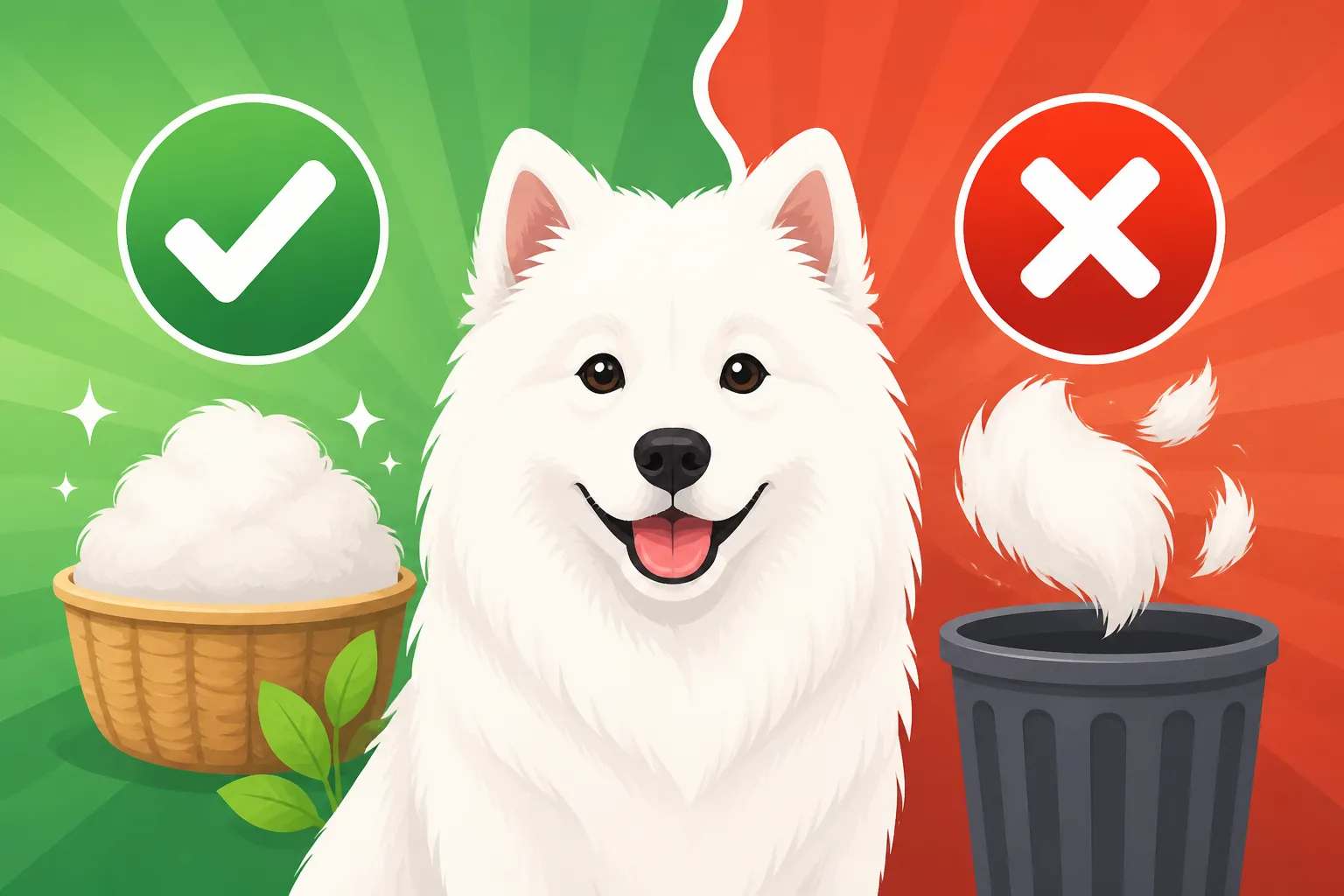
Believe it or not, your Samoyed's fur can be a fantastic addition to your garden or compost pile. Dog fur is rich in nitrogen and other organic materials, which are excellent for enriching soil. When added to compost, it breaks down over time, contributing valuable nutrients to your plants. Just make sure it's mixed well with other "green" and "brown" compost materials to ensure proper decomposition.
Beyond composting, loose fur can be used directly in the garden as a natural pest deterrent. Sprinkle small amounts of fur around the base of plants that are prone to being nibbled by deer, rabbits, or other critters. The scent of a predator (your dog!) can often make them think twice before munching on your prize-winning tomatoes. It's an eco-friendly way to protect your garden, and your Samoyed will be unknowingly contributing to your green thumb! This is a great way to put that constant shedding to good use without any extra effort or cost.
Managing Daily Shedding
Let's face it, even if you decide to save some fur, you'll still have plenty to manage on a day-to-day basis. The biggest challenge for Samoyed owners is keeping the shedding under control in the home. Consistent grooming is your best friend here. Regular brushing, ideally several times a week, can drastically reduce the amount of loose fur that ends up on your furniture and floors. During a coat blow, daily brushing is almost a necessity.
Investing in high-quality grooming tools like undercoat rakes and powerful force dryers can make a huge difference. A force dryer, used after a bath or even just on a dry coat, can blow out an incredible amount of loose undercoat, often significantly more than brushing alone. You can find excellent selections of these tools on platforms like Chewy or Amazon. These items, though an initial investment, can save you countless hours of vacuuming and lint-rolling. Remember, the more fur you remove during grooming, the less there is to shed around the house, making your life and your Samoyed's coat much healthier. For deeper insights, explore topics like How Often a Samoyed Needs Brushing to optimize your routine.
Community and Wildlife Initiatives
For those who are unable to use the fur themselves, there are some community-based options to consider, though with a few caveats.
Some local craft groups or schools might be interested in clean, natural fibers for various projects. It never hurts to ask around. You might find a budding fiber artist in your community who would be thrilled to experiment with Samoyed fur.
When it comes to wildlife, the intention is often good, but caution is advised. While some people suggest putting fur out for birds to use in their nests, it's generally recommended against. Long strands of fur can actually tangle around birds' legs or wings, causing injury or even death. If you want to help wildlife, it’s best to stick to providing fresh water or planting native flora. However, if you have very short, felted clumps or thoroughly chopped up fur, it might be acceptable, but always err on the side of caution. Focus on other ethical disposal methods if you can't reuse it yourself. The primary goal should always be the safety of animals and the environment. Also, considering Why a Samoyed Barely Smells at All is a testament to how clean their fur naturally is, but it doesn't negate potential dangers to tiny birds. Similarly, if you ever wondered What a Wet Samoyed Smells Like, it's generally very mild, further highlighting the clean nature of their coat.
| Use for Samoyed Fur | Pros | Cons | Ideal Fur Type |
|---|---|---|---|
| Spinning (Chiengora) | Incredibly warm, unique, lasting keepsake | Labor-intensive, expensive, requires professional | Clean, pure undercoat, good staple length |
| Felting | Versatile for crafts, personal art pieces | Requires clean undercoat, can be time-consuming | Clean undercoat, can be shorter fibers |
| Stuffing | Soft, natural, comforting for memory items | Requires large volume, can attract pests if not stored | Clean undercoat, can be less pristine |
| Compost/Garden | Eco-friendly, enriches soil, deters pests | Breaks down slowly, not for all types of compost bins | Any fur, but best to chop or mix well for composting |
| Discard | Easiest, most convenient | Wasteful of a natural resource | Any fur |
Disclaimer
This article is for general informational purposes only and does not constitute professional advice. Laws, prices and regulations vary by location and change over time. Consult a qualified professional for guidance on your specific situation.