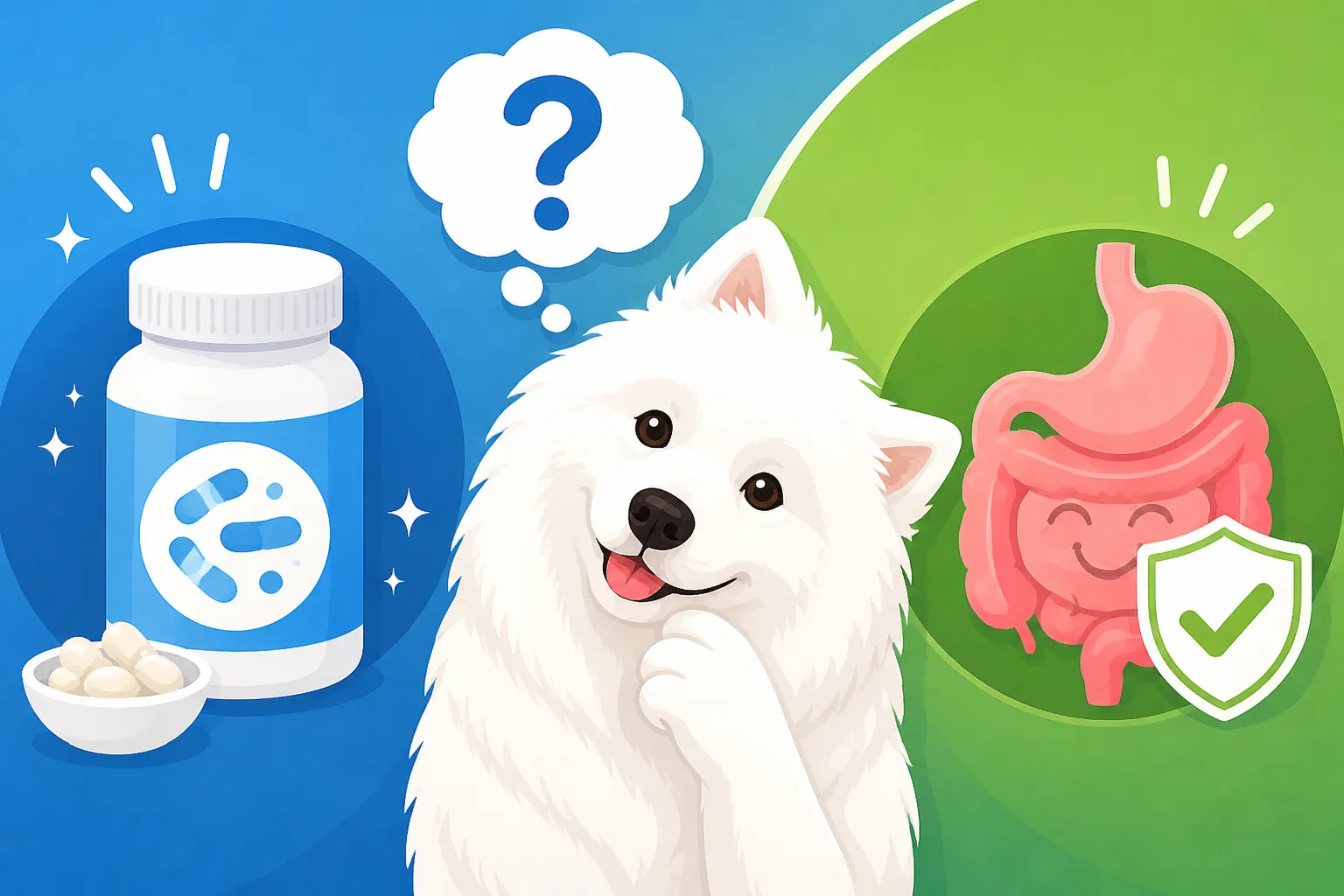
Whether a Samoyed Needs a Probiotic
It’s a common scenario these days: you’re trying your absolute best to give your beloved Samoyed the healthiest, happiest life possible, and everywhere you turn, you hear about "gut health." From human health trends to dog food commercials, probiotics are having their moment, and it can leave you wondering if your fluffy companion is missing out. Does your Samoyed really need a probiotic, or is this just another fad? This guide is here to cut through the noise, validate your concerns, and help you understand the role probiotics might play in your Samoyed's digestive well-being.
Understanding Your Samoyed's Digestive System
Our Samoyeds, with their glorious double coats and perpetual smiles, are robust dogs, but that doesn't mean their internal workings are immune to upsets. Just like us, a huge part of their overall health starts right in their gut.
The Basics of Canine Gut Health
At the core of your Samoyed's digestive well-being is something called the microbiome – a bustling, microscopic city of bacteria, fungi, and other microbes living in their intestines. It’s a delicate balance, with billions of "good" bacteria working hard to keep everything running smoothly, warding off the "bad" guys. When this balance is just right, your Samoyed's body is a powerhouse: nutrients from their food are absorbed efficiently, their immune system gets a huge boost, and believe it or not, even their mood and energy levels can be influenced by a happy gut. It's truly fascinating how interconnected everything is.
For Samoyeds specifically, while they aren't typically singled out for extreme digestive sensitivities compared to some other breeds, they are still dogs. They can experience the same tummy troubles as any other canine. A robust, well-functioning gut is their first line of defense against all sorts of issues, from environmental stressors to changes in their routine. Ensuring that their digestive system is supported means a healthier, happier Samoyed prancing around your home.
When a Samoyed's Gut Gets Upset
Let’s be honest, it’s truly disheartening when your fluffy companion isn't feeling their best, and sometimes pinpointing the exact cause of an upset tummy can feel like solving a mystery. A Samoyed’s gut can be disrupted by a myriad of factors. Stress is a big one – whether it’s a new environment, a change in routine, or even separation anxiety if they're left alone for too long. A sudden shift in their diet, perhaps you switched kibble brands too quickly, can also send their system into a tailspin.
Antibiotics, while often necessary and life-saving, are notorious for indiscriminately killing off both good and bad bacteria in the gut, leaving a vacuum that needs to be refilled. Then there are those less obvious culprits: exposure to parasites from the dog park, mild food allergies or sensitivities that might manifest gradually, or even just eating something they shouldn't have during an unsupervised moment in the backyard.
When a Samoyed's gut balance is off, you'll start to notice signs. Persistent soft stool or outright diarrhea is a dead giveaway, often accompanied by excessive gas that could clear a room! They might lose their appetite, seeming uninterested in their regular meal, or even start vomiting. Sometimes, the signs are more subtle: a duller coat than usual, excessive shedding, or even unusual itching can sometimes point back to an underlying gut issue. Nobody wants to see their bright-eyed, smiling Samoyed looking a bit peaked, which is why understanding these signs is so important.
What Are Probiotics and How Do They Work for Samoyeds?
If you’ve heard the term "probiotic" thrown around, it essentially boils down to giving your body (or your dog's body) a dose of those friendly, beneficial microorganisms that should already be thriving in a healthy gut. Think of it as restocking the shelves of that microscopic city we talked about earlier.
The Role of Good Bacteria
Probiotics are defined as live microorganisms that, when administered in adequate amounts, confer a health benefit on the host. For your Samoyed, these good bacteria come in various strains, each with its own special skills. They primarily work by colonizing the intestinal tract, creating a robust population that can outcompete harmful bacteria. This isn't just about crowding out the bad guys; these good bacteria are actively working. They aid in the breakdown and absorption of nutrients from your Samoyed's food, ensuring they get the maximum benefit from every meal. This is particularly important for active breeds like Samoyeds, who need efficient energy conversion.
Beyond digestion, probiotics play a crucial role in bolstering your Samoyed's immune system. A significant portion of the immune system actually resides in the gut, and a healthy bacterial balance helps train and regulate it, making your Samoyed more resilient to various illnesses. They can also produce beneficial compounds like short-chain fatty acids, which nourish the cells lining the gut, keeping the intestinal barrier strong and preventing unwanted substances from leaking into the bloodstream. It's an intricate dance, and probiotics are a key player in keeping the rhythm steady for your happy, healthy Samoyed.
When Probiotics Might Be Helpful
So, when does a Samoyed specifically stand to benefit from these tiny allies? There are several key scenarios where introducing a probiotic could be a real game-changer.
First and foremost, if your Samoyed has recently been on antibiotics, a probiotic is almost universally recommended. Antibiotics, by their very nature, kill off bacteria – and they don’t discriminate between the good and the bad. This can leave your dog’s gut flora seriously depleted, making them vulnerable to secondary infections or prolonged digestive upset. Starting a probiotic after or even during (but staggered by a few hours) an antibiotic course can help replenish those crucial beneficial bacteria, bringing the gut back into balance more quickly.
Secondly, stressful periods are prime times for gut disruption. Moving to a new home, boarding at a kennel, a long car ride, a visit to the vet for shots or a check-up, or even just a change in your own household routine can trigger stress in a sensitive Samoyed. Stress hormones can directly impact gut motility and bacterial balance. A probiotic can help stabilize their digestive system during these unsettling times, making them more resilient.
If your Samoyed suffers from chronic, mild digestive issues – think intermittent soft stools, occasional bouts of gas, or slight appetite fluctuations that don't point to a serious illness – a daily probiotic might offer noticeable improvement. It helps maintain a stable, healthy gut environment, smoothing out those minor bumps. When you're Whether a Samoyed Needs a Consistent Feeding Schedule or making a planned switch to a new food, probiotics can also ease the transition, preventing the digestive upset that often accompanies dietary changes.
Finally, for our older Samoyeds, maintaining optimal gut health becomes even more vital. As dogs age, their digestive efficiency can decline, and their immune systems might not be as robust. Probiotics can support nutrient absorption and immune function, contributing to their overall quality of life as they enter their golden years. It's an excellent way to support Caring for an Old Samoyed and ensure their comfort.
Choosing and Administering Probiotics for Your Samoyed
Navigating the world of probiotics can feel a bit overwhelming given the sheer number of products out there. However, with a little knowledge, you can make an informed choice for your Samoyed.
Types of Probiotics and Key Ingredients
Probiotics for dogs come in various forms and contain different strains of bacteria, and often, other helpful ingredients. The most common beneficial bacteria strains you'll encounter are Lactobacillus and Bifidobacterium species, much like in human supplements. Each strain has unique benefits, so a product with a diverse blend can be more effective.
You'll find them available as powders, often sprinkled over food, or in more convenient chewable tablets or treats. Some specialty dog foods even come fortified with probiotics. When you’re looking at labels, keep an eye out for a few things:
- Live Cultures (CFUs): This stands for Colony Forming Units, and it tells you how many live bacteria are in each dose. Higher numbers generally indicate more potency. Look for products that guarantee a certain number of CFUs at the time of expiration, not just at the time of manufacture, as these delicate organisms can die off over time.
- Prebiotics: Often, probiotics are combined with prebiotics (like FOS – fructooligosaccharides, or inulin). Think of prebiotics as the food that helps the good probiotic bacteria flourish and multiply in the gut. This synergistic effect can enhance the overall benefit.
- Storage: Some probiotics require refrigeration to maintain their potency, while others are shelf-stable. Always check the instructions!
Many reputable brands can be found on sites like Chewy or Amazon, offering a wide variety of formats to suit your Samoyed's preferences and your budget. Remember, what works for one dog might not work for another, so sometimes a bit of trial and error (under veterinary guidance) is necessary to find the best fit.
Integrating Probiotics into Your Samoyed's Routine
Once you’ve chosen a probiotic, the next step is safely and effectively integrating it into your Samoyed’s daily life. It’s always, always a good idea to chat with your veterinarian before starting any new supplement, especially if your Samoyed has underlying health conditions. They can offer guidance on the best product and dosage for your specific dog.
When you first introduce a probiotic, start slowly. Give a smaller dose than recommended for the first few days to allow your Samoyed’s system to adjust. This helps prevent any mild initial digestive upset, which can sometimes occur as the new bacteria settle in. Gradually increase to the full recommended dose.
Consistency is absolutely key with probiotics. These beneficial bacteria need to be continually replenished, so daily administration is usually most effective. Make it a part of their routine – perhaps mixed in with their morning meal or given as a treat. Some fresh food services, like Ollie, might even incorporate probiotics directly into their recipes, offering another avenue for consistent supplementation without needing to remember an extra step. Keep a close eye on your Samoyed during this time. Are their stools becoming more consistent? Is their gas reduced? Are they generally looking and acting healthier? These are all good signs that the probiotic is making a positive difference.
Potential Downsides and When to Be Cautious
While probiotics are generally considered safe, it’s important to be aware of potential downsides and when caution is warranted. When first starting a probiotic, some Samoyeds might experience mild digestive upset, such as temporary gas, bloating, or loose stools. This is usually transient as their gut adjusts to the new bacterial balance, but if it persists, it's best to stop and consult your vet.
It’s also crucial to remember that probiotics are not a magic bullet. They won't cure serious illnesses, and they are not a substitute for proper veterinary care. If your Samoyed is experiencing severe or persistent digestive issues, such as chronic vomiting, bloody stools, or significant weight loss, a probiotic isn't the first answer – a trip to the vet is. These could be signs of more serious conditions, and you'll want to rule out things like parasites, inflammatory bowel disease, or other medical issues.
Another point of caution is the quality control of probiotic products. The supplement industry isn’t as tightly regulated as pharmaceuticals, so the effectiveness can vary widely between brands. Choosing a reputable brand that clearly states CFU counts and has good reviews can help, but it still requires diligence on your part. Always prioritize a high-quality, balanced diet as the foundation for your Samoyed's gut health. While probiotics can be a helpful addition, they can't compensate for a poor diet or address underlying issues that might require a prescription diet (Whether a Diabetic Samoyed Needs a Prescription Diet) or other medical intervention.
Beyond Probiotics: A Holistic Approach to Samoyed Gut Health
While probiotics can be a fantastic tool in your Samoyed care arsenal, they are just one piece of the puzzle when it comes to truly optimal gut health. A holistic approach, looking at all aspects of their life, will yield the best results for your furry friend.
The Role of Diet in Gut Wellness
The most fundamental building block for a healthy gut is, without a doubt, a high-quality, consistent diet. Imagine trying to build a strong house with shaky foundations – it just won't work. For your Samoyed, this means feeding a well-balanced, nutritionally complete dog food that suits their age, activity level, and any specific health needs. Whether a Samoyed Needs a Consistent Feeding Schedule can also play a role, as regularity helps their digestive system establish a rhythm.
Avoiding sudden, drastic changes to their food is crucial. If you need to switch brands or formulas, do it gradually over several days to a week, mixing increasing amounts of the new food with decreasing amounts of the old. This gives their gut microbiome time to adapt, preventing upset stomachs.
What about treats? While we all love to spoil our Samoyeds, treats should be given in moderation and chosen wisely. Fatty table scraps are a definite no-no, as they can lead to pancreatitis or severe digestive upset. Whether a Samoyed Should Avoid Table Scraps Entirely is a good rule of thumb to protect their sensitive systems. Opt for healthy, low-calorie dog-specific treats, especially if your Samoyed is prone to gaining weight. Speaking of which, Whether a Samoyed Gains Weight Easily is something to be mindful of, as obesity can impact overall health, including gut function.
Finally, hydration is often overlooked but vital for digestive health. Make sure your Samoyed always has access to fresh, clean water. Especially during warmer months, keeping them hydrated is paramount, as How Much Water a Samoyed Needs in Summer is often significantly more than you might think. Water helps move food through the digestive tract and keeps things functioning smoothly.
Stress Management and Exercise
It might seem strange to link stress and exercise directly to gut health, but the connection is undeniable. Just like in humans, a Samoyed’s brain and gut are in constant communication via the gut-brain axis. When a Samoyed is stressed, it can directly impact their gut motility, reduce beneficial bacteria, and increase gut permeability, leading to digestive upset.
Think about common stressors for a Samoyed: being left alone for long periods (they are very people-oriented!), loud noises, changes in the household, or even just boredom. Mitigating these stressors is key. Providing a consistent routine, offering plenty of enrichment toys, and ensuring they feel secure in their environment can go a long way.
And then there's exercise! Regular physical activity is incredibly important for a Samoyed's overall well-being, both physical and mental. It helps burn off excess energy, reduces anxiety, and keeps their metabolism humming. How Much Exercise a Samoyed Needs isn't just about physical conditioning; it's about mental stimulation and stress relief too. A well-exercised Samoyed is generally a calmer, happier Samoyed, and a calm, happy Samoyed tends to have a calmer, happier gut. Whether it's a brisk walk, a romp in the snow, or even some structured training, consistent activity contributes significantly to their internal harmony.
Regular Veterinary Check-ups
No amount of probiotics or perfect diet can replace the watchful eye and professional expertise of your veterinarian. Regular check-ups are essential for monitoring your Samoyed's overall health, catching potential issues early, and addressing any persistent digestive concerns.
If your Samoyed is experiencing ongoing digestive problems – beyond just a mild, occasional upset – it’s crucial to involve your vet. They can help diagnose underlying conditions, perform necessary tests (like stool samples or bloodwork), and rule out more serious health issues. Sometimes, what looks like a simple tummy ache could be something like inflammatory bowel disease, parasites that need specific medication, or even other systemic illnesses that manifest with digestive symptoms. What a Samoyed's Vet Bills Look Like can be a concern, but proactive care and early diagnosis are always more cost-effective and compassionate in the long run than waiting until a problem becomes severe.
When you do talk to your vet, bring up any supplements you’re considering, including probiotics. They can offer tailored advice, recommend specific brands they trust, and ensure that any new addition won't interfere with existing medications or health conditions. Remember, your vet is your most valuable partner in ensuring your Samoyed lives a long, healthy, and happy life.
| Scenario for Samoyed | Potential Benefit of Probiotics | Important Considerations |
|---|---|---|
| After Antibiotic Treatment | Replenishes beneficial gut bacteria killed off by antibiotics, reducing the risk of diarrhea and supporting gut balance. | Start after or staggered from antibiotics. Consult vet on timing. |
| Stressful Situations | Helps stabilize the gut microbiome during periods of stress (travel, boarding, new home, vet visits), reducing stress-induced digestive upset. | Begin a few days before the stressful event if possible. |
| Dietary Changes | Aids in smoother transition between foods, minimizing gas, bloating, and diarrhea commonly associated with diet switches. | Introduce gradually alongside the food transition. |
| Mild, Chronic Digestive Upset | May improve stool consistency, reduce gas, and alleviate discomfort from intermittent soft stools or minor sensitivities. | Rule out serious underlying conditions with a vet first. Consistent use is key. |
| General Wellness/Immune Support | Boosts overall gut health, which supports a robust immune system and efficient nutrient absorption, particularly in Caring for an Old Samoyed. | Part of a holistic health plan; not a standalone immune booster. |
| Puppy Development | Can support the development of a healthy gut microbiome in young Samoyeds, especially during weaning or initial stress. | Ensure puppy-specific formulas and vet guidance for young pups. |
| Serious Illness (Vomiting, Bloody Stool, Severe Diarrhea) | Not a primary treatment. While helpful for recovery, immediate veterinary attention is critical to diagnose and treat underlying disease. | Seek vet care immediately. Probiotics are secondary support. |
Disclaimer
This article is for general informational purposes only and does not constitute professional advice. Laws, prices and regulations vary by location and change over time. Consult a qualified professional for guidance on your specific situation.