How Much Water a Samoyed Needs in Summer
The summer months can bring a unique kind of worry for Samoyed owners, especially when the temperatures really start to climb. We all know our fluffy companions were built for cold climates, and seeing them pant heavily, constantly seeking the coolest patch of tile, can make you wonder if they're getting enough water to stay truly hydrated. This guide is here to walk you through exactly how much water your Samoyed needs when the mercury rises and offer practical tips to ensure they stay happy and healthy throughout the warmer seasons.
Understanding Your Samoyed's Unique Hydration Challenges
Samoyeds are majestic creatures, often described as having a permanent smile, but that thick, luxurious double coat, while fantastic for insulating against the bitter cold, can become a real liability in the heat. It’s not just about comfort; it's about their core body temperature and vital organ function. Dehydration can sneak up on a dog quickly, and with our Samoyeds, who sometimes try to power through discomfort with that stoic nature, it's crucial to be proactive.
The Double Coat: Friend or Foe in Summer?
It’s a common misconception that a Samoyed's thick coat must be hot in summer. While it certainly looks like a winter blanket, their double coat actually acts as insulation against both cold and heat. The harsh outer guard hairs protect the skin from sun exposure, while the dense undercoat traps a layer of air that helps regulate body temperature. Think of it like a thermos: it keeps hot things hot and cold things cold. However, this natural engineering works best when the air trapped within the coat is cooler than the dog's body, and the outside temperature isn't excessively high. When the ambient temperature surpasses their ability to radiate heat, or the humidity is too oppressive for evaporative cooling (panting) to be effective, their coat can hinder the process. A Samoyed Built for Sixty Below in an American Summer dives deeper into this amazing adaptation.
Despite this insulating quality, a Samoyed isn't truly built for a scorching 90-degree Fahrenheit day. Their physiological mechanisms for cooling, primarily panting, become less efficient when the air itself is hot and humid. Unlike humans, dogs don't sweat significantly through their skin; their sweat glands are mostly in their paw pads, which isn't enough to cool their entire body. This heavy reliance on panting means they lose a lot of water vapor, making consistent water intake non-negotiable.
Spotting the Early Signs of Overheating
Before we even get to measuring water, it's vital to recognize when your Samoyed is struggling with the heat. Early intervention is key to preventing serious heatstroke. Look for excessive panting that seems labored or unusually rapid, even when they're not exercising. Their gums might appear darker red than usual, and their tongue might hang out further than normal, looking very wide.
Other red flags include drooling, seeking shade or cool surfaces obsessively, and a noticeable decrease in energy. If they seem disoriented, stumble, or their eyes appear glazed, you're past the early signs and need to act immediately to cool them down. Knowing Signs a Samoyed Is Overheating can truly be a lifesaver. Never wait for extreme symptoms; our fluffy friends are masters at hiding discomfort, and by the time they're showing severe signs, they're often in a critical state.
How Much Water Is Enough for Your Samoyed in Summer?
There isn't a one-size-fits-all answer, but we can certainly establish a solid baseline and then factor in the variables that increase those needs. Generally speaking, dogs need about one ounce of water per pound of body weight per day. So, for a Samoyed that weighs between 35-60 pounds, that’s roughly 35-60 ounces (about 4-7.5 cups) of water daily. In summer, you can easily expect this requirement to increase, sometimes by 50% or even more, depending on activity and temperature.
General Daily Guidelines and What Increases Them
Let's break down that basic guideline. For a healthy, moderately active Samoyed, aiming for at least 1 oz per pound of body weight is a good starting point. This means if your Samoyed weighs a solid 50 pounds, you’re looking at around 50 ounces (just over 6 cups) on a normal, comfortable day. Now, let’s talk about summer.
When the temperatures soar, or the humidity is thick, this baseline becomes the absolute minimum. Any activity, no matter how brief, will escalate their need. A short walk around the block in 80-degree weather will make them pant much more than the same walk in 50-degree weather, and all that panting means water loss. Playtime in the yard, even just a few minutes of chasing a ball, can also drastically increase their internal temperature and their need for fluids.
Factors That Significantly Boost Water Intake Needs
Several factors will push your Samoyed's water requirements even higher during the summer months. It's not just the outdoor temperature, but a combination of things that can compound the risk of dehydration.
- Temperature and Humidity: This is obvious, but often underestimated. High humidity means that evaporative cooling (panting) is much less effective. Your Samoyed is working harder to cool down, and losing more water in the process. A 75-degree day with 90% humidity can be more dangerous than an 85-degree dry day.
- Activity Level: Even a little extra exercise, like a vigorous zoomie session in the yard, can dehydrate them quickly. If you're doing any form of outdoor activity, even a slow sniffari, ensure constant access to water. Whether a Samoyed Should Walk in Summer is a crucial read here.
- Individual Health and Age: Puppies and senior Samoyeds are often more susceptible to dehydration. Puppies might not regulate their body temperature as efficiently, and seniors can have underlying health conditions or simply drink less proactively. Dogs on certain medications might also have increased water needs.
- Diet: Dogs on a dry kibble diet will naturally need more water than those eating wet food or a fresh diet like Ollie, which contains a higher moisture content. If you feed kibble, adding a bit of water to it can be a good way to sneak in extra hydration.
Here’s a quick overview of how factors influence water needs:
| Factor | Normal Conditions (approx. oz/lb) | Summer Conditions (approx. oz/lb) | Notes |
|---|---|---|---|
| Resting, Cool Day | 1 | 1.2-1.5 | Baseline, minimal activity. |
| Resting, Hot Day | N/A | 1.5-2 | High temps, low activity. |
| Light Exercise | 1.2-1.5 | 2-2.5+ | Short walks, gentle play. |
| Moderate Exercise | 1.5-2 | 2.5-3+ | Longer walks, active play. |
| Intense Exercise | 2+ | 3+ | Sledding (even dryland), prolonged vigorous play. |
| High Humidity | Add 0.5+ | Add 1+ | Impairs panting's cooling effect. |
| Illness/Medication | Varies | Varies | Always consult your vet for specific needs. |
These are general guidelines. Always observe your dog's individual behavior and consult your veterinarian if you have concerns.
Practical Strategies to Encourage Water Intake
Knowing how much water your Samoyed needs is one thing; getting them to actually drink it is another. Samoyeds can be finicky, or simply get distracted, especially if they're focused on "important" business like patrolling the yard. We need to get creative!
The Right Water Bowl: Placement, Material, and Cleanliness
Start with the basics: the water bowl itself. It might seem trivial, but it makes a huge difference.
- Placement is Key: Don't just have one bowl in the kitchen. In summer, strategically place multiple water bowls throughout your home and yard. Think about where your Samoyed likes to relax. One in the living room, one by their favorite napping spot, one on the patio, and another deep in the shadiest part of the yard. This way, water is always within easy reach, reducing the effort needed to get a drink. We keep a ceramic bowl by the back door, a stainless steel one in the yard under a tree, and a travel bottle near the sofa for easy access.
- Material Matters: Stainless steel and ceramic bowls are generally preferred over plastic. Plastic bowls can harbor bacteria more easily, leading to funky smells and tastes that might deter your discerning Samoyed. They can also leach chemicals over time. Plus, plastic bowls often feel lighter and can be tipped over easily during enthusiastic drinking, making a mess and potentially leaving your dog without water. You can find excellent, heavy-duty stainless steel bowls on Amazon or Chewy that are less likely to tip.
- Squeaky Clean Bowls: This is perhaps the most crucial point. Imagine drinking from a glass that hasn't been washed in days. Gross, right? Dogs are no different, and Samoyeds, with their keen sense of smell, will absolutely notice. Algae, slobber slime, and dust can build up quickly, especially outdoors in the summer heat. Scrub bowls daily with soap and water, and rinse thoroughly. Consider a quick rinse and refill every time you walk past them. A clean bowl encourages more frequent drinking.
Creative Ways to Entice More Drinking
Sometimes, just presenting a clean bowl isn't enough. We have to be a little sneaky.
- Ice, Ice Baby: Many Samoyeds adore ice. Drop a few ice cubes into their water bowl. It keeps the water refreshingly cold, and for some, the novelty of crunching the ice is an added bonus that encourages them to drink more. You can even make large ice blocks with treats frozen inside, placed in a bucket of water, which slowly melts, providing a cool drink and a fun puzzle.
- Water Fountains: Some dogs are fascinated by running water. A pet drinking fountain might be a worthwhile investment. The continuous flow often seems more appealing to them than stagnant water, and it usually includes a filter to keep the water cleaner and fresher for longer. Amazon offers a wide range of options, from ceramic to stainless steel, in various sizes.
- Flavor Boosts (Carefully!): A tiny splash of low-sodium chicken or beef broth can make water much more appealing. Be very careful with this, ensuring it's genuinely low-sodium and only a small amount, as too much can upset their stomach or contribute to other health issues. You can also freeze small amounts of broth into ice cubes to drop into their water.
- High-Moisture Foods: While not directly about drinking, incorporating higher moisture foods into their diet can contribute significantly to their overall hydration. If you feed kibble, adding water to it, or even a dollop of plain yogurt or unsweetened pumpkin puree, can help. Fresh food options, like those from Ollie, naturally have a much higher water content than dry kibble, giving them a hydration boost with every meal.
- "Water Stations" on Walks: Always carry water for your Samoyed when you go out. A collapsible travel bowl and a bottle of water are indispensable. Offer water frequently, even on short walks, and particularly after any exertion. It’s too easy to forget how quickly they can get parched.
Spotting Dehydration Beyond the Bowl
Even with your best efforts, it's essential to know how to check if your Samoyed is becoming dehydrated. The water bowl is only one piece of the puzzle.
- Skin Turgor Test: Gently grasp a loose fold of skin on your Samoyed's neck or between their shoulder blades, pull it up, and then release it. In a well-hydrated dog, the skin should snap back almost instantly. If it's slow to return or "tents" for a moment, it indicates dehydration.
- Gums Check: Healthy gums should be moist and slick. Press your finger gently on their gums; the color should return quickly (within 1-2 seconds) to a healthy pink. If their gums feel dry or sticky, or the color return is delayed, they are likely dehydrated. Their saliva might also appear thick or ropey.
- Sunken Eyes: In more severe cases of dehydration, your Samoyed's eyes might appear sunken into their sockets. This is a sign that they need immediate veterinary attention.
- Lethargy and Appetite Loss: While also Signs a Samoyed Is Overheating, these can also be strong indicators of dehydration. A dog that is usually energetic but is suddenly sluggish, or refuses food and treats, could be experiencing significant fluid loss.
By being vigilant and employing these strategies, you can help ensure your Samoyed stays well-hydrated and happy, even when summer decides to crank up the heat.
Beyond the Water Bowl: Comprehensive Summer Care for Your Samoyed
Hydration is undeniably critical, but it's part of a larger picture of keeping your Samoyed safe and comfortable during the summer. We need to adjust our entire routine to accommodate their unique needs in warm weather.
The Best Times for Exercise and Outdoor Activities
One of the biggest mistakes we can make as Samoyed owners in summer is adhering to our usual walk schedule. Midday walks are often a no-go. The pavement can reach scorching temperatures, burning their paw pads, and the peak heat of the day can quickly lead to overheating. How a Samoyed Should Be Cooled Down offers more tips for when things get too hot.
- Early Mornings and Late Evenings: These are your Samoyed's prime times for exercise during summer. Aim for walks as the sun rises, before the heat of the day truly sets in, or once it has completely set and the air has cooled significantly. The ground temperature is just as important as the air temperature. If you can’t comfortably hold your hand on the pavement for 5-7 seconds, it’s too hot for your dog's paws.
- Shorter, More Frequent Outings: Instead of one long walk, consider multiple shorter potty breaks throughout the day, always in the shade. These are not for exercise, but for necessary relief. Save the actual exercise for the coolest parts of the day.
- Indoor Activities: Embrace indoor enrichment! Puzzle toys, training sessions, or even a game of hide-and-seek can keep their minds and bodies engaged without exposing them to dangerous temperatures.
Cooling Aids and Environmental Management
Sometimes, despite our best efforts, the heat is just there. That's when we need to provide extra support to keep our Samoyeds comfortable.
- Cooling Mats and Beds: These are a fantastic invention for Samoyeds. Chewy offers a variety of cooling mats that activate with pressure or simply through a gel that dissipates heat. Placing one of these in their favorite resting spot can provide immense relief. Look for durable ones that can withstand their digging instinct!
- Fans and Air Conditioning: If you have central air conditioning, use it. If not, strategically placed fans, especially pointing towards their favorite resting spots, can create a much-needed breeze. Never underestimate the power of a good fan to help evaporate moisture from their coat and cool them down. Remember, The Temperature at Which a Samoyed Should Stay Indoors isn't just about human comfort.
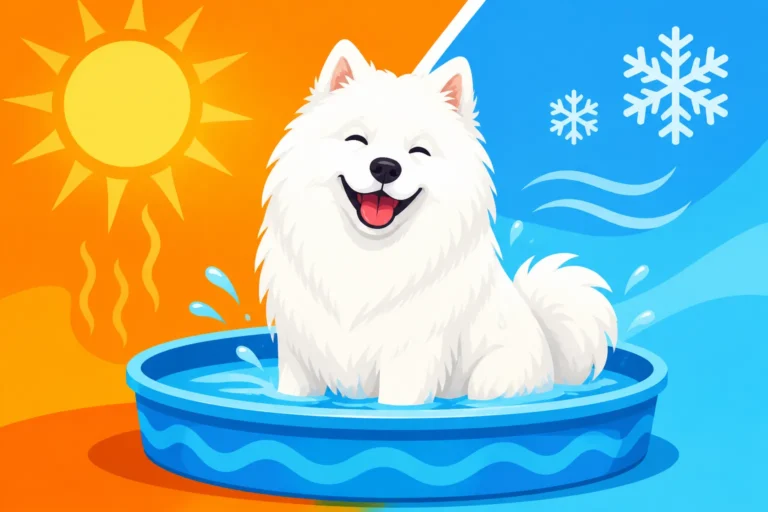
- Kiddie Pools and Sprinklers: Many Samoyeds, surprisingly for a northern breed, enjoy a good splash! A shallow kiddie pool filled with a few inches of cool water in a shady spot in the yard can be a great way for them to cool off their bellies and paws. Some even enjoy gently playing in the sprinkler. Always supervise them, and make sure the water isn't too cold initially, especially if they're already warm.
- Cool Compresses/Wet Towels: If your Samoyed is feeling particularly warm, you can dampen a towel with cool (not ice-cold) water and drape it over their back or underbelly. Focus on areas with less fur, like the paw pads, armpits, and groin, where major blood vessels are closer to the surface. Whether a Cooling Mat Helps a Samoyed or a cool towel can make a big difference when Why a Samoyed Pants Constantly in Summer becomes a regular occurrence.
By combining diligent water management with smart summer routines and appropriate cooling aids, you can ensure your beloved Samoyed navigates the warmer months safely and comfortably. Their well-being depends on our proactive care and understanding of their unique needs.
Disclaimer
This article is for general informational purposes only and does not constitute professional advice. Laws, prices and regulations vary by location and change over time. Consult a qualified professional for guidance on your specific situation.