How Much Exercise a Samoyed Needs
So many Samoyed owners find themselves scratching their heads, wondering if their fluffy cloud is getting enough activity, or perhaps, too much. It's a common frustration because these dogs look like plush toys, but they are built for serious work in harsh environments. This guide is here to shed light on exactly how much exercise a Samoyed needs to stay healthy, happy, and well-behaved, addressing the often-misunderstood energy levels of this beautiful breed.
Understanding the Samoyed's Energy Reserves
It’s easy to look at a Samoyed, lounging like a snowdrift in the living room, and think they’re perfectly content with a short stroll around the block. But beneath that serene, smiling exterior lies generations of working dog heritage. These aren't just pretty faces; they were bred for endurance, strength, and intelligence.
The Historical Role: A Working Dog's Instincts
Imagine the vast, icy plains of Siberia, where the Nenets people relied on their dogs for survival. These dogs weren't just companions; they were integral to daily life. They herded reindeer, pulled heavy sleds across unforgiving terrain, and even curled up with their human families at night to provide warmth. This isn't just a quaint historical fact; it's etched into their very being. The Samoyed's athleticism, stamina, and problem-solving abilities weren't for sport; they were for work. When we talk about The Nenets of the Yamal Peninsula Bred the Samoyed, we're talking about a breed whose genetic makeup demands an outlet for that innate drive.
This deep-seated working instinct means that a Samoyed isn't truly fulfilled by merely existing. They need a job, or at the very least, activities that simulate a job. Think of it this way: their ancestors would have spent hours covering miles, making decisions, and using their bodies and minds actively. Our modern Samoyeds still possess this blueprint. If they don't get an appropriate outlet, that energy doesn't just vanish; it often manifests in ways we don't appreciate, like excessive barking, digging, or even destructive chewing. It's not malice; it's simply a misdirected genetic imperative.
Misconceptions About Their Activity Levels
One of the biggest misconceptions about Samoyeds is that their thick coats make them inherently lazy or prone to overheating, thus limiting their need for exercise. While it's absolutely true that caution must be exercised in hot weather – and we’ll talk more about A Samoyed Built for Sixty Below in an American Summer later – their coat is a double-edged sword. It insulates against both cold and heat, meaning they can be active even in surprisingly warm temperatures if managed correctly and given access to shade and water. The key is smart management, not restriction.
Another common mistake is confusing their calm demeanor indoors with low energy needs. A well-exercised Samoyed is often a calm and quiet house dog. However, that calmness is usually the result of sufficient activity, not a sign that they don't need it. If your Samoyed is pacing, whining, or constantly nudging you with a toy, it's a pretty clear signal that their energy reservoir is still overflowing. Many owners mistake a tired dog for a lazy dog, but with Samoyeds, that indoor calm is often earned through purposeful outdoor activity.
Daily Exercise Requirements for an Adult Samoyed
So, what does this working dog heritage translate to in terms of daily exercise? It's more than you might think, but it's also highly adaptable. The goal is consistent, meaningful activity, not just bursts of frantic play.
The Baseline: More Than Just a Walk Around the Block
For an adult Samoyed, we're generally looking at at least 60-90 minutes of dedicated, vigorous exercise per day. And I mean vigorous. This isn't just sniffing every lamppost for five minutes; this means brisk walking, jogging, running, or playing fetch in a secure area. Many Samoyeds thrive on even more, especially younger ones between one and five years old. Two shorter, more intense sessions (say, 45 minutes each) are often more beneficial than one long, slow amble.
Think about the kind of sustained effort their ancestors put in. A quick neighborhood loop simply doesn't cut it. They need to stretch their legs, engage their muscles, and get their heart rate up. This baseline also assumes some free play time in a yard if you have one, but even a large yard isn't a substitute for intentional exercise. Dogs, especially intelligent breeds like Samoyeds, don't typically self-exercise efficiently in a yard. They need us to initiate and guide their activity.
Incorporating Varied Activities
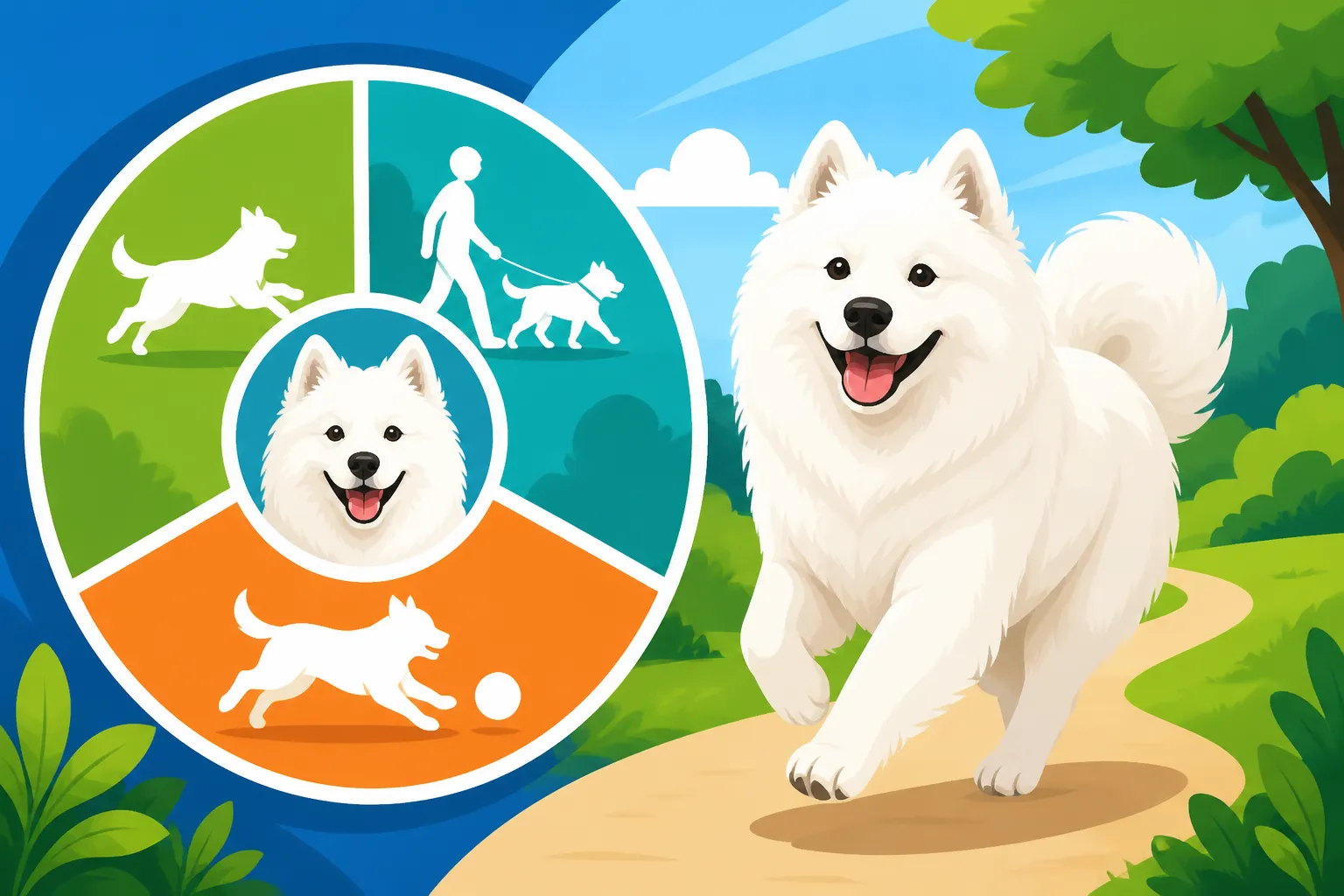
To truly satisfy a Samoyed, variety is the spice of life. Monotony can lead to boredom, and a bored Samoyed is a creative Samoyed – often in ways you won't appreciate!
- Brisk Walks and Hikes: This is foundational. Explore new trails, walk on different surfaces, and vary your routes. This provides both physical challenge and mental enrichment from new smells and sights. A good will to work (Whether an Old Samoyed Still Wants to Work) even in retirement suggests they enjoy purposeful movement.
- Jogging or Running: If you're a runner, your Samoyed can make an excellent running partner once they're fully grown and cleared by a vet. Start slow and build up endurance gradually, always monitoring them for signs of overheating, especially if you live in a warmer climate.
- Canine Sports: Many Samoyeds excel at activities like canicross (running with your dog attached to you), bikejoring (cycling with your dog pulling the bike), or even recreational sledding or carting. These activities tap into their natural desire to pull and work alongside a human. Whether a Samoyed Can Earn a Sledding Title shows just how capable they are.
- Fetch and Play: While not always as vigorous as structured running, a good game of fetch with a durable toy can burn energy and strengthen your bond. Just ensure the toy is robust enough for their powerful jaws; nobody wants toy bits strewn across the lawn.
Tailoring Exercise to Individual Samoyeds
Every Samoyed is an individual, and their exercise needs can vary based on several factors:
- Age: As we'll discuss, puppies and seniors have different requirements.
- Health: Any underlying health conditions, such as Hip Dysplasia in a Samoyed or Arthritis in an Older Samoyed, will significantly impact what kind and how much exercise they can safely do. Always consult your vet if you have concerns.
- Temperament: Some Samoyeds are naturally more laid-back, while others are perpetual motion machines. Observe your dog's cues. Are they still restless after an hour-long walk? Do they seem exhausted after 30 minutes? Adjust accordingly.
- Climate: As mentioned, extreme heat or humidity will necessitate shorter, earlier, or later walks and a focus on indoor mental stimulation. Conversely, cold weather often brings out their absolute best, where they can run and play with boundless joy. Whether a Samoyed Should Pull in Warm Weather is a critical consideration.
It's about finding that sweet spot where your Samoyed is tired but not utterly spent, calm but not bored. This is a dynamic process that will change throughout their life.
Exercise Needs for Samoyed Puppies and Seniors
Just like humans, Samoyeds at different life stages have very different exercise requirements. What's perfect for a young adult can be detrimental to a growing puppy or an aging senior.
Growing Pains: Protecting Puppy Joints
Samoyed puppies are bundles of fluffy joy, seemingly boundless in their energy. It's tempting to let them run and play endlessly, but this can be a serious mistake for their developing bodies. Their bones, joints, and growth plates are still soft and vulnerable. Over-exercising a puppy, especially with high-impact activities like jumping or long-distance running, can lead to orthopedic problems down the line, such as hip or elbow dysplasia.
A good rule of thumb for puppies is the "five minutes per month of age" rule for structured exercise. So, a three-month-old puppy would need about 15 minutes of structured walking, twice a day, perhaps, not 15 minutes continuously. The rest of their activity should come from supervised, free-play sessions on soft surfaces, where they can self-regulate and stop when they're tired. They’ll usually crash hard when they need a break! Short, positive Puppy Class Is Enough for a Samoyed sessions also count as mental and light physical exercise. Avoid forced running, long hikes, or repetitive stair climbing until they are at least 12-18 months old and their growth plates have closed. This patience early on can save you a lifetime of heartache and vet bills.
Gentle Movement for the Golden Years
As your Samoyed enters its senior years – typically around The Age a Samoyed Counts as a Senior, which is often nine or ten years old – their exercise needs will naturally shift. They might not have the stamina for long runs or vigorous games of fetch anymore, but that doesn't mean they don't need exercise. In fact, gentle, consistent movement is crucial for maintaining muscle mass, joint flexibility, and overall well-being.
Focus on shorter, more frequent walks. Instead of one long walk, try two or three shorter, leisurely strolls throughout the day. Swimming, if your Samoyed enjoys it, can be fantastic low-impact exercise. Puzzle toys and gentle brain games still offer valuable mental stimulation. Pay close attention to their comfort levels; if they're limping, slowing down, or struggling to get up, it's time to ease back. Medications or supplements prescribed by your vet can also help manage any age-related joint pain or stiffness, making exercise more comfortable. Remember, Caring for a Samoyed Past Nine means adapting to their changing physical capabilities.
The Mental Workout: Beyond Physical Exertion
While physical exercise is non-negotiable for a Samoyed, don't underestimate the power of mental stimulation. A tired mind is just as important as a tired body for a well-adjusted Samoyed. These dogs are intelligent, and if their brains aren't engaged, they can become bored and destructive, regardless of how many miles they've logged on the trail.
Engaging Their Intelligent Minds
Samoyeds are problem-solvers. Their ancestors had to be, to herd reindeer and navigate complex environments. If we don't give them appropriate challenges, they'll invent their own, which might involve meticulously dismantling your couch cushions or orchestrating an elaborate escape from the yard. The Job a Samoyed Actually Needs extends far beyond simple physical exertion.
Ways to engage their minds:
- Puzzle Toys and Treat Dispensers: These are fantastic for meal times or when you need to keep them occupied. Brands readily available on Amazon offer a wide range of difficulty levels, from simple treat balls to more complex sniff mats and multi-stage puzzles. They force your Samoyed to think and work for their reward.
- Scent Work: Dogs experience the world through their noses. Setting up simple scent games around the house or yard can be incredibly engaging. Hide treats or their favorite toys and encourage them to find them. This taps into a primal instinct and is often more tiring than a physical run.
- New Environments: Even if the physical activity isn't intense, exposing your Samoyed to new sights, sounds, and smells on a walk through a different neighborhood or a local park provides immense mental enrichment. Their brains are working overtime to process all the new information.
The Role of Training and Brain Games
Formal and informal training sessions are excellent forms of mental exercise. Samoyeds are smart, but they can also be notoriously independent thinkers. This makes training a wonderful challenge and a powerful bonding experience.
- Obedience Training: Even if you're not aiming for competitive obedience, regular practice of basic cues like sit, stay, come, and heel keeps their minds sharp. Start with short, fun sessions – Samoyeds bore easily with repetitive drilling. Incorporate positive reinforcement and high-value treats. For those looking for structured guidance, platforms like BAXTER & Bella offer online puppy and dog training programs that emphasize positive methods, which can be fantastic for engaging a Samoyed's mind in a structured way.
- Learning New Tricks: Beyond basic obedience, teaching your Samoyed fun tricks like "spin," "bow," or "fetch a specific toy" provides mental stimulation and reinforces the idea that working with you is rewarding.
- Agility or Rally: If your Samoyed enjoys it and is physically sound, exploring canine sports like agility or rally obedience can provide a superb combination of physical and mental challenge. They have to think about where their feet are going, listen to your cues, and navigate obstacles. Whether a Samoyed Can Do Agility is a resounding yes for many individuals.
Mixing up physical and mental exercise ensures a truly well-rounded, happy, and well-behaved Samoyed. Neglecting one aspect almost always leads to problems in the other.
Recognizing Signs of Under-Exercised vs. Over-Exercised Samoyeds
It’s a delicate balance, isn't it? You want your Samoyed to be tired but not exhausted, stimulated but not stressed. Learning to read your dog’s signals is key to hitting that sweet spot.
Behavioral Cues of Insufficient Activity
An under-exercised Samoyed is often a frustrated Samoyed, and that frustration needs an outlet. These behaviors aren't about being "bad"; they're usually a cry for more engagement.
- Destructive Chewing: If your Samoyed starts targeting furniture, shoes, or anything else they shouldn't, it’s often a sign of pent-up energy and boredom. A tired dog is usually too content to chew through your favorite armchair.
- Excessive Barking or "Screaming": Samoyeds are vocal dogs by nature, often communicating with a distinctive "scream" or howl rather than a simple bark. However, The Samoyed Scream and Why It Is Not Barking can become incessant if they're bored, lonely, or have too much unused energy. They're trying to tell you something, and often it’s "I need more to do!"
- Restlessness and Pacing: If your Samoyed can't seem to settle down, constantly moving from one spot to another, pacing the house, or nudging you for attention, it’s a clear indication that they still have energy to burn.
- Digging: While Samoyeds do love to dig, sometimes to create a cool spot in the heat, excessive digging, especially near fences or in areas you don't want them to, can be a sign of boredom and insufficient activity. They're trying to create their own fun, and often The Digging a Samoyed Does Because It Is Hot is just a small part of their digging repertoire.
- Escaping: A Samoyed with too much energy and a lack of mental stimulation might decide to go on an adventure. Their intelligence and desire for exploration, combined with boredom, make them expert escape artists. This is why How a Samoyed Gets Out of Anything You Build is a common worry for owners.
If you’re seeing a combination of these behaviors, it’s probably time to re-evaluate your Samoyed’s daily routine and add more physical activity and mental enrichment.
When to Scale Back: Avoiding Overexertion
On the flip side, it's possible to over-exercise a Samoyed, especially in certain conditions or if they have underlying health issues. This is particularly crucial to monitor in warm weather or with growing puppies.
- Excessive Panting or Drooling: While some panting is normal during exercise, exaggerated, continuous panting that doesn't subside quickly after stopping is a red flag. Heavy drooling can also be a sign of overheating. This relates to Signs a Samoyed Is in Heat Distress.
- Lethargy or Lameness: If your Samoyed is unusually quiet, doesn't want to get up, or is noticeably limping after exercise, they've likely been pushed too hard. This could indicate muscle soreness, joint strain, or even heat exhaustion.
- Dragging Behind or Refusing to Move: A Samoyed that usually loves to run but suddenly lags behind or outright refuses to continue during a walk or run is telling you they've had enough. Listen to this cue immediately.
- Red Gums and Tongue: This is a serious sign of overheating or heatstroke. If their gums and tongue appear darker red than usual, seek immediate veterinary attention.
- Loss of Coordination or Collapse: These are critical signs of severe overheating or other serious health issues and require emergency veterinary care.
Always be mindful of the weather, especially humidity, and adjust your activity schedule accordingly. Early morning or late evening walks are best in summer months. Provide plenty of fresh water and rest breaks. Building stamina gradually is always better than pushing too hard too fast. A healthy balance ensures a long, happy life with your Samoyed.
| Samoyed Life Stage | General Exercise Guideline (Structured) | Recommended Activities | Things to Avoid | Key Considerations |
|---|---|---|---|---|
| Puppy (2-12 months) | 5 minutes per month of age, 2-3 times daily | Short walks, supervised free play on soft surfaces, puppy classes, puzzle toys | Forced running, jumping, long hikes, hard surfaces | Protect growth plates, focus on socialization, mental stimulation |
| Adult (1-8 years) | 60-90 minutes daily, often split into two sessions | Brisk walks, jogging, hiking, canicross, bikejoring, fetch, obedience, agility, scent work | Overexertion in heat, repetitive high-impact work without conditioning | Variety is key, balance physical and mental, monitor weather |
| Senior (9+ years) | 30-60 minutes daily, gentle and frequent | Shorter, leisurely walks, gentle swimming, puzzle toys, sniff games | High-impact activities, long duration, strenuous exercise | Monitor comfort levels, manage arthritis, consult vet for pain management |
This article is for general informational purposes only and does not constitute professional advice. Laws, prices and regulations vary by location and change over time. Consult a qualified professional for guidance on your specific situation.