Whether a Samoyed Should Avoid Table Scraps Entirely
Oh, the Samoyed smile. It’s a powerful thing, isn't it? That perpetually happy, slightly mischievous grin, often accompanied by big, soulful eyes fixed on your plate as you try to enjoy your dinner. It’s an age-old dilemma for dog owners, especially those of us with such charming, persuasive companions: should a Samoyed ever get table scraps? The temptation is real, the guilt is immediate, and the lore around it is endless. This guide is here to cut through the confusion and help you understand why, for the sake of your fluffy friend's health and happiness, resisting that adorable plea is almost always the best path forward.
The Allure of the "Samoyed Smile" at the Dinner Table
Let's be honest, part of the joy of having a Samoyed is their incredible ability to charm their way into your heart, and often, into your habits. That famous Samoyed smile isn't just for show; it's a powerful tool in their arsenal of adorable manipulation, especially when food is involved. It's a universal truth: we love to share with those we love, and our Samoyeds are family. But what feels like a small act of love can sometimes have unintended, and frankly, serious consequences.
That Sweet Face and Those Begging Eyes
You know the look. Your Samoyed, perhaps lounging casually across the kitchen floor, slowly rises as the scent of your meal wafts their way. They approach, tail giving a gentle, hopeful wag, head cocked just so. The eyes, usually bright and intelligent, become soft, almost sorrowful. A tiny whimper might escape, or perhaps a soft "woo-woo" sound, as if they're attempting a polite conversation about the deliciousness on your plate. This isn't just regular dog begging; it's Samoyed begging. It's a performance perfected over generations, designed to melt even the most resolute human heart. You might find yourself thinking, "It's just one tiny bite, it won't hurt." And that's where the slippery slope begins. They are masters of communication, and they learn quickly that these adorable antics often yield tasty rewards.
The Slippery Slope of "Just a Little Bit"
It starts innocently enough. A tiny piece of chicken, a sliver of potato, a crumb of toast. "Just this once," you tell yourself, as your Samoyed gently takes the offering, their soft muzzle brushing your hand. But here’s the thing about dogs, and especially intelligent breeds like Samoyeds: they are creatures of habit and keen observers. One "just this once" quickly becomes "just on Tuesdays," then "just when Dad's home," and before you know it, every mealtime is a loud, persistent plea session. What felt like a loving gesture transforms into a demanding routine. This isn't just annoying; it actually teaches your Samoyed that persistence pays off, making it harder to establish good manners and boundaries. The occasional scrap breaks down the clear line between their food and human food, making them think all food is fair game. This can lead to undesirable behaviors, not just at the table, but perhaps even counter surfing when you're not looking.
The Very Real Dangers of Table Scraps for Samoyeds
Beyond the behavioral issues, and far more concerning, are the actual health risks that come with feeding your Samoyed table scraps. Their digestive systems are not designed for the rich, varied, and often fatty foods we consume. What might be perfectly harmless for a human can be downright dangerous, or at least highly detrimental, for our furry friends. It's crucial to remember that our meals, even seemingly plain ones, often contain ingredients and fats that are inappropriate for a canine diet.
Digestive Upset and Pancreatitis: A Samoyed's Sensitive Stomach
One of the most immediate and painful risks associated with table scraps is digestive upset, which can range from mild diarrhea to severe, life-threatening pancreatitis. Samoyeds, like many breeds, can be prone to pancreatitis, an inflammation of the pancreas that can be excruciatingly painful and require intensive veterinary care. Foods high in fat are a huge culprit here. That greasy piece of bacon, the fatty drippings from your roast, or even the buttered toast you think is harmless can overload their system.
Imagine your Samoyed happily gobbling down a bite of your leftover lasagna. It tastes amazing to them! But their pancreas, which is responsible for producing digestive enzymes, suddenly has to work overtime to process all that unfamiliar fat and richness. This can lead to inflammation, severe abdominal pain, vomiting, diarrhea, lethargy, and a trip to the emergency vet. Pancreatitis is not only awful for your dog, but it can also be incredibly expensive to treat, sometimes requiring hospitalization for days. Worse, a severe bout of pancreatitis can sometimes precede other chronic conditions, like diabetes. It's truly a risk not worth taking. Why Pancreatitis Precedes Samoyed Diabetes explains how these conditions are sometimes linked. It's a stark reminder that what seems like a treat can quickly turn into a medical crisis. When considering Whether a Fatty Meal Triggers Samoyed Pancreatitis, the answer is a resounding yes for many dogs, including our beloved Samoyeds.
Weight Gain and Its Long-Term Health Consequences
Let's face it, Samoyeds are glorious, fluffy creatures. That double coat hides a lot, making it notoriously difficult to tell if they’re gaining weight until it’s become a significant issue. Regular table scraps, even small ones, add a surprising number of extra calories to their diet, often from sources that aren't nutritionally balanced for them. Before you know it, your lean, athletic Samoyed starts to carry a few extra pounds.
Obesity in dogs is just as serious as it is in humans. It puts extra strain on their joints, especially crucial for a breed like the Samoyed who can be prone to hip and elbow issues. It increases their risk for diabetes, heart disease, and can even shorten their lifespan. Those extra pounds make them less energetic, less enthusiastic about walks, and less comfortable in warmer weather. It's a vicious cycle where a heavier dog is less active, leading to more weight gain. Checking for Signs a Samoyed Is Overweight can be tricky under all that fur, but feeling for their ribs is essential. And sadly, being overweight significantly increases the likelihood of other health problems, including Whether an Overweight Samoyed Is More Likely to Get Diabetes. It’s a silent, insidious threat often fueled by our own desire to treat them.
Toxic Foods You Might Not Even Realize Are Dangerous
This is perhaps the scariest aspect of feeding table scraps. Many common human foods are highly toxic to dogs, and sometimes, even a small amount can be deadly. It's not always about the fat content; sometimes it's about specific compounds that their bodies cannot process safely.
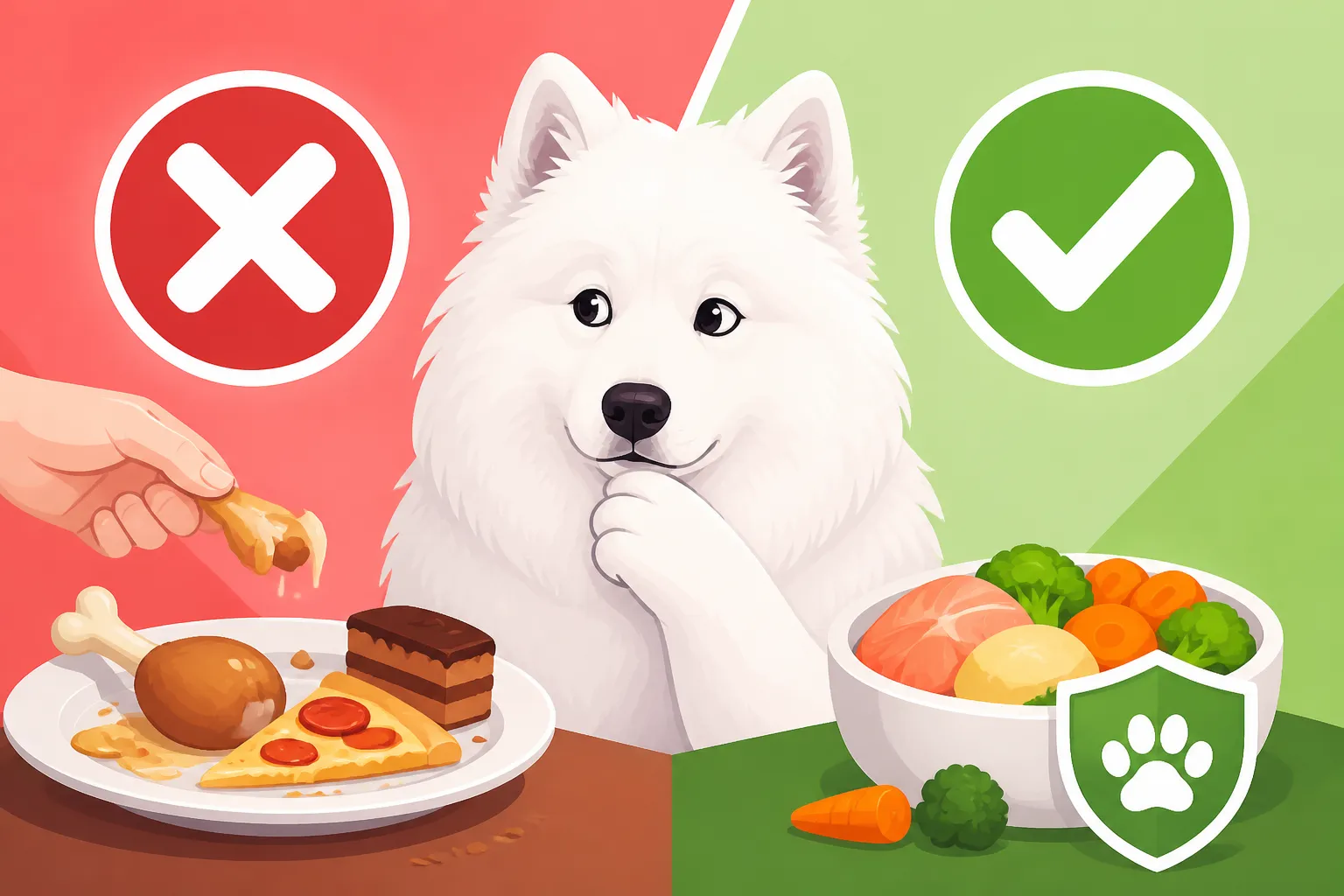
Here’s a quick (but by no means exhaustive) list of absolute no-nos:
- Chocolate: Contains theobromine, which is poisonous to dogs. Dark chocolate is especially dangerous.
- Grapes and Raisins: Can cause acute kidney failure, even in small amounts. The exact toxic compound isn't fully understood, but the effects are severe.
- Onions, Garlic, Leeks, and Chives: All members of the Allium family, these can damage red blood cells and lead to anemia. Found in many savory dishes, sauces, and gravies.
- Xylitol: A sugar substitute found in many sugar-free gums, candies, peanut butters, and baked goods. It causes a rapid release of insulin, leading to a dangerous drop in blood sugar and liver failure. This one is particularly insidious as it's in so many unexpected products.
- Avocado: Contains persin, which can be toxic to dogs in large quantities, especially the pit and skin.
- Alcohol: Extremely dangerous, even in small amounts. Causes alcohol poisoning.
- Macadamia Nuts: Can cause weakness, vomiting, tremors, and hyperthermia.
- Cooked Bones: While raw bones can be part of a healthy diet for some dogs, cooked bones are brittle and can splinter, causing choking, internal punctures, or blockages.
- Yeast Dough: Can rise in their stomach, causing painful bloating and potentially twist the stomach (bloat). The yeast also produces alcohol, leading to alcohol poisoning.
This list isn't meant to scare you, but to highlight the hidden dangers. Even seemingly innocuous ingredients in a casserole or a sauce can be problematic. It's simply not worth the risk when there are so many safe alternatives designed specifically for dogs.
Beyond Health: Behavioral and Training Implications
Beyond the significant health concerns, routinely offering table scraps can inadvertently unravel good behavior and make your Samoyed a challenging housemate. These intelligent dogs are quick to learn patterns, and if the pattern is "begging at the table gets me food," then that's exactly what they'll do. It's about more than just polite manners; it impacts their understanding of boundaries and your role as the provider of their food.
Reinforcing Begging and Undermining Obedience
Imagine spending hours teaching your Samoyed to "sit" and "stay" patiently. You've worked hard on impulse control. Then, at dinner, you toss them a piece of chicken from your plate. What message does that send? It completely undermines all that hard work. Your Samoyed learns that while "sit" might get them a regular meal, "staring intently and whining" gets them the really good stuff, directly from your plate!
This reinforcement can make meal times a battleground. Instead of resting calmly while you eat, your Samoyed will likely be underfoot, nudging, pawing, or vocalizing – the infamous Samoyed "scream" might even make an appearance. This isn't their fault; it's a direct result of us inadvertently teaching them that this behavior works. It can be exhausting to constantly redirect a persistent Samoyed, and it makes having guests over particularly challenging. They need clear rules, and consistency is key. It might seem like a small thing, but What Actually Motivates a Samoyed is often food, and if they learn that begging gets them the ultimate reward, they'll lean into that motivation with all their fluffy might.
The Battle for the Countertop and the Trash Can
When your Samoyed learns that human food is a potential reward, their curiosity and determination kick into high gear. This can escalate beyond simple table begging to more problematic behaviors like counter surfing or raiding the trash can. Samoyeds are clever and surprisingly agile. That seemingly unreachable dish on the counter or the tightly lidded trash can might become a new challenge for them to conquer.
I've heard countless stories of Samoyeds who, given an inch, take a mile. They learn to open cabinets, push open pantry doors, and even figure out childproof latches. A Samoyed who has successfully snatched a dropped sandwich from the floor will quickly deduce that the counter is just a higher floor. This doesn't just put your food at risk; it puts your dog at risk, especially with those toxic human foods lurking. Imagine coming home to find an empty bag of grapes or a container of onion dip. The stress and potential vet bills associated with these scenarios are significant. Establishing a firm "no human food from the table" rule prevents them from developing this dangerous scavenger mentality inside your home.
Healthy Alternatives: Sharing Love Without Sharing Scraps
So, you love your Samoyed, and you want to treat them. That’s perfectly natural! The good news is, there are plenty of wonderful, healthy, and safe ways to show your affection and share a special moment with your furry companion without resorting to table scraps. It's all about making informed choices that benefit their health and reinforce positive behavior.
Safe and Approved "People Foods" in Moderation
While the general rule is "no table scraps," there are a few specific human foods that are perfectly safe for your Samoyed as occasional treats, as long as they are plain, unseasoned, and given in very small quantities. Think of these as special extras, not meal replacements.
Here are some safe options:
- Plain Cooked Lean Meats: Small bits of plain, cooked chicken (no skin or bones), turkey, or beef. Make sure there are no seasonings, sauces, or high-fat elements.
- Certain Fruits: Sliced apples (no core or seeds), bananas, blueberries, strawberries, and watermelon (seedless, without rind) are often well-received. Always introduce new fruits slowly and in tiny amounts to check for any digestive upset.
- Certain Vegetables: Plain, cooked green beans, carrots, peas, and sweet potato (steamed or boiled, unseasoned) are usually safe and can be a healthy snack. Raw carrots can also be a good crunchy treat.
- Plain Rice or Pasta: In very small amounts, cooked plain rice or pasta can be okay, especially if your Samoyed has a mild upset stomach (though always consult your vet in that case).
Remember, moderation is key. These items should be treats, not a significant portion of their diet. A good rule of thumb is that treats (of any kind) should make up no more than 10% of your dog's daily caloric intake. Always check with your vet if you're unsure about a new food.
High-Value Dog Treats and Chews
The best way to "treat" your Samoyed is with treats specifically formulated for dogs. These are designed with their nutritional needs and digestive systems in mind. There's a vast world of delicious and healthy dog treats out there!
Consider:
- Training Treats: Small, soft, and highly palatable treats that are perfect for reinforcing good behavior during training sessions. Brands like Wellness or Zuke's are popular choices and can often be found on Chewy or Amazon.
- Dental Chews: Products designed to help clean your dog's teeth and freshen their breath, like those from Greenies or Pedigree Dentastix. These offer a dual benefit of a treat and oral hygiene.
- Long-Lasting Chews: For a more extended chewing experience, look for natural chews like bully sticks, natural deer antlers, or certain dental-safe bones. Always supervise your dog with these to ensure they don't break off large pieces.
- Frozen Kongs or Lick Mats: Stuffing a Kong toy with dog-safe peanut butter, plain yogurt, or canned pumpkin (ensure it's pure pumpkin, not pie filling) and freezing it provides a long-lasting, mentally stimulating treat. Lick mats, spread with similar safe foods, can be incredibly calming and satisfying.
- Subscription Boxes: Services like Ollie (while a food delivery service, they also offer treats) can provide high-quality, human-grade treats and chews made with excellent ingredients. Exploring a variety of options helps you find what your Samoyed loves best.
The great thing about dog-specific treats is that they’re regulated and formulated to be safe. You don't have to worry about hidden onions or dangerous fats. Many brands focus on natural ingredients, and you can easily find options that cater to specific dietary needs or preferences, all available at places like Chewy or your local pet supply store.
Engaging Play and Affection as Rewards
Sometimes, the best "treat" isn't food at all! Samoyeds thrive on interaction, attention, and play. These can be incredibly high-value rewards and ways to bond with your dog, especially if you're trying to manage their weight or if they have a sensitive stomach.
Think about:
- A Game of Fetch: Nothing gets a Samoyed's tail wagging like a good game of fetch in the yard or at the park.
- A Special Walk: Instead of a routine potty break, make it an adventure. Explore a new trail, let them sniff to their heart's content, or even try a structured training walk where they focus on you.
- Cuddle Time: A few minutes of dedicated petting, belly rubs, or gentle grooming can be a wonderful reward and a moment of connection. Remember how much Samoyeds love to be near their people; Why a Samoyed Wants to Be in the Room With You applies to affection, too!
- Puzzle Toys: Toys that dispense kibble or small treats (dog-specific ones, of course!) can provide mental stimulation and a sense of accomplishment without you having to hand-feed them.
- Training Sessions: Five to ten minutes of fun, positive reinforcement training, practicing known cues or learning new tricks, can be incredibly rewarding for a Samoyed. They love to learn, even if Training a Samoyed That Finds Obedience Negotiable can be a challenge at times!
These non-food rewards are excellent for their overall well-being, strengthen your bond, and avoid all the pitfalls associated with human food. It teaches your Samoyed that your attention and time are valuable, not just the contents of your plate.
Here's a handy table summarizing common human foods and their safety for Samoyeds:
| Food Item | Samoyed Safe (Plain, Unseasoned, Moderation) | Dangerous/Toxic (Avoid Entirely) | Notes |
|---|---|---|---|
| Cooked Chicken/Turkey | Yes (lean, no skin/bones) | Cooked bones, fatty pieces | Ensure no onions, garlic, or excessive salt used in cooking. |
| Plain Rice/Pasta | Yes (small amounts) | Sauces, seasonings | Good for mild tummy upsets, but not a regular diet component. |
| Carrots | Yes (raw or cooked) | Raw carrots can be a good chew for dental health. | |
| Green Beans | Yes (plain, cooked) | Canned beans (high sodium) | Excellent low-calorie snack. |
| Apples | Yes (sliced, no core/seeds) | Core, seeds (contain cyanide) | Seeds and core are toxic. |
| Bananas | Yes (small amounts) | High in sugar, so very limited. | |
| Blueberries | Yes | Antioxidant-rich, good small treat. | |
| Watermelon | Yes (seedless, no rind) | Seeds, rind | Hydrating, but also high in sugar. |
| Grapes/Raisins | Yes | Highly toxic, can cause kidney failure. | |
| Onions/Garlic/Leeks | Yes | Toxic, found in many cooked dishes. | |
| Chocolate | Yes | Theobromine is poisonous; severity depends on type and amount. | |
| Xylitol | Yes | Extremely dangerous sugar substitute. Check peanut butter and baked goods! | |
| Macadamia Nuts | Yes | Can cause neurological symptoms. | |
| Avocado | Yes (especially pit/skin) | Contains persin, can be harmful. | |
| Alcohol | Yes | Causes alcohol poisoning. | |
| Yeast Dough | Yes | Can cause bloat and alcohol poisoning. | |
| Fatty Meats/Grease | Yes | High risk for pancreatitis. | |
| Dairy (e.g., Ice Cream) | Large amounts, flavored | Many Samoyeds are lactose intolerant; plain yogurt/kefir in moderation might be okay. |
Ultimately, the decision to share or not to share lies with you, but armed with this knowledge, you can make the best choices for your Samoyed. The initial guilt of denying that charming smile is quickly replaced by the peace of mind knowing you're protecting their health and fostering good behavior. There are so many safer, healthier, and equally loving ways to treat your fluffy companion.
Disclaimer
This article is for general informational purposes only and does not constitute professional advice. Laws, prices and regulations vary by location and change over time. Consult a qualified professional for guidance on your specific situation.