Whether a Samoyed Needs Fish Oil
It's completely natural to want the very best for our beloved Samoyeds, these beautiful, fluffy companions who bring so much joy into our lives. As doting owners, we're constantly on the lookout for ways to support their health and keep that magnificent coat shining, that smile bright, and those active bodies moving well into their golden years. This often leads us down the path of supplements, and one that consistently pops up in conversations and online searches is fish oil. But does your Samoyed really need fish oil, or is it just another trendy supplement? Let's dive deep into what fish oil can offer and whether it's a good fit for your furry family member.
Understanding Fish Oil and Your Samoyed's Needs
When you hear people talking about fish oil for dogs, it's usually with a hopeful tone, believing it's a magical elixir for everything from dull coats to creaky joints. And while it's certainly not magic, there's a good reason why it's so popular. The key lies in its potent compounds.
What Exactly Is Fish Oil for Dogs?
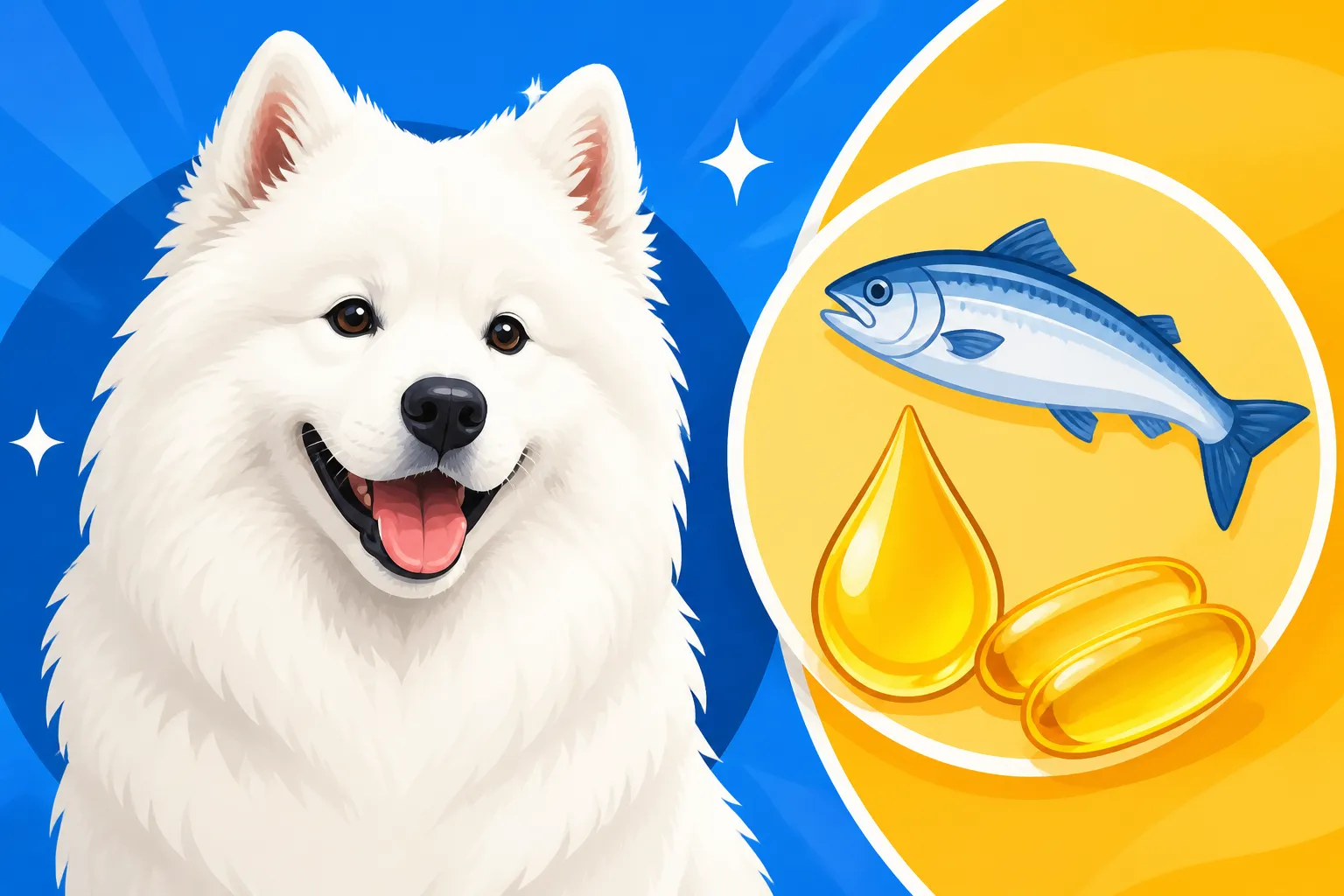
At its heart, fish oil is a dietary supplement derived from the tissues of oily fish. Think salmon, mackerel, herring, and sardines. What makes these oils so special are the Omega-3 fatty acids they contain, specifically eicosapentaenoic acid (EPA) and docosahexaenoic acid (DHA). These aren't just any fats; they are essential fatty acids, meaning your Samoyed's body can't produce them on its own. They must come from their diet.
Unlike Omega-6 fatty acids, which are abundant in many commercial dog foods and can sometimes contribute to inflammation if unbalanced, Omega-3s are renowned for their anti-inflammatory properties. This is a crucial distinction, as inflammation is often at the root of many chronic health issues in dogs, much like in humans. When we talk about "fish oil benefits," we're really talking about the powerful work these EPA and DHA molecules do within your Samoyed's system. They act on a cellular level to modulate the body's inflammatory responses, promoting overall health and well-being.
The General Benefits of Omega-3s for Canines
So, beyond just being "good for them," what specific advantages do these Omega-3s bring to the table for our canine friends? The scientific community has been studying the effects of fish oil for decades, and the consensus is that EPA and DHA can have a widespread positive impact on a dog's health. For instance, they play a vital role in supporting neurological development, making them particularly beneficial for puppies during their crucial growth stages. DHA, in particular, is a major structural component of the brain and retina, which means it’s essential for healthy vision and cognitive function throughout a dog’s life.
Beyond the brain, Omega-3s contribute significantly to cardiovascular health, helping to maintain a healthy heart rhythm and supporting overall cardiac function. For dogs prone to certain cardiac conditions, or simply for maintaining a strong heart as they age, this can be a huge plus. The anti-inflammatory effects also extend to the gastrointestinal tract, potentially easing discomfort for dogs with sensitive stomachs or certain digestive issues. It's truly a powerhouse supplement that touches many different systems within your Samoyed's body, helping to keep them in peak condition.
Specific Reasons a Samoyed Might Benefit from Fish Oil
Now, let's bring it closer to home and consider our specific breed: the Samoyed. With their unique needs and predispositions, fish oil can be a particularly appealing supplement.
Supporting Skin and That Glorious Coat
Ah, the Samoyed coat! It's one of their most defining features, a magnificent cloud of white fluff that's both a blessing and, let's be honest, sometimes a bit of a challenge to maintain. This dense double coat, designed to protect them in Arctic temperatures, relies on healthy skin beneath. Dry, flaky skin can lead to itching, irritation, and excessive shedding, which is the last thing any Samoyed owner needs when their dog is already famous for its biannual "coat blow" that leaves drifts of white fur everywhere. What Twenty Pounds of Samoyed Undercoat Does to a House is no exaggeration!
Omega-3 fatty acids, especially EPA, are instrumental in maintaining skin barrier function. They help to strengthen the skin's natural defenses, reducing moisture loss and protecting against environmental irritants. This means fewer dry flakes, less itchiness, and ultimately, a healthier foundation for that stunning coat. When the skin is healthy, the hair follicles are also healthier, producing stronger, shinier strands. This can translate to a noticeably softer, more lustrous coat that sheds a bit more gracefully, and perhaps even appears whiter by reducing underlying inflammation that can dull the fur. Owners often report a noticeable improvement in coat quality after consistently adding fish oil to their Samoyed's diet.
Joint Health for Active Samoyeds
Samoyeds are, by nature, active and playful dogs. They were originally bred to herd reindeer, pull sleds, and live a hardy life in challenging environments. This means their joints take a fair amount of impact throughout their lives. Unfortunately, like many larger, active breeds, Samoyeds can be prone to joint issues such as hip dysplasia or arthritis as they age. Conditions like Hip Dysplasia in a Samoyed can significantly impact their quality of life, and watching our happy, bouncy Samoyeds struggle with mobility is truly heartbreaking.
Fish oil's potent anti-inflammatory properties can be incredibly beneficial here. EPA works to reduce the production of inflammatory molecules that contribute to pain and stiffness in joints. By dampening this inflammatory response, fish oil can help to alleviate discomfort, improve mobility, and slow the progression of degenerative joint diseases. It's not a magic bullet, and it won't cure severe arthritis, but it can certainly make a Samoyed feel more comfortable and maintain a better quality of life, especially as they enter their senior years. Think of it as a natural way to support those hard-working joints, keeping them limber and happy for longer. Many owners start their Samoyeds on joint supplements, including fish oil, proactively to support them through their active lives and well into their later years, alongside other considerations like Joint Supplements for a Samoyed.
Cognitive Function and Heart Health
As our Samoyeds age, just like us, their cognitive function can sometimes decline. They might seem a little more confused, get lost in familiar rooms, or simply not be as sharp as they once were. Signs a Samoyed Is Getting Old can manifest in many ways, including changes in their mental acuity. DHA is a critical component of brain cell membranes and is essential for maintaining optimal brain function throughout a dog's life. Supplementing with fish oil, particularly one rich in DHA, can help support cognitive health, potentially preserving memory and learning abilities as your Samoyed matures. It's about keeping their minds as bright as their smiles.
Beyond the brain, heart health is another significant area where fish oil shines. Cardiovascular disease can affect any dog, and while Samoyeds aren't uniquely prone to it, maintaining a healthy heart is vital for a long and vibrant life. The Omega-3s in fish oil can help support healthy heart rhythm, improve blood vessel function, and reduce triglyceride levels, all contributing to a robust cardiovascular system. This general systemic support can be particularly reassuring for owners who want to proactively protect their Samoyed's heart health, ensuring they have many more happy years of zoomies and cuddles.
Choosing the Right Fish Oil and Dosage for Your Samoyed
Alright, so you're leaning towards giving fish oil a try. Great! But walking into a pet store or browsing online can feel like stepping into a labyrinth of options. How do you choose?
Navigating the World of Supplements: What to Look For
Not all fish oil supplements are created equal, and quality truly matters when it comes to something you're giving your beloved Samoyed. Here are the key factors to consider:
- Source of Fish: Look for fish oils derived from small, oily fish like anchovies, sardines, and mackerel. These fish are lower on the food chain, meaning they accumulate fewer toxins like mercury compared to larger, longer-lived fish. Salmon oil is also a popular choice, though ensuring it's wild-caught can be a plus.
- EPA and DHA Content: Don't just look at the total "fish oil" amount. The crucial numbers are the milligrams of EPA and DHA per serving. These are the active ingredients doing the work. A high-quality supplement will clearly state these figures on the label. Aim for a product with a good ratio and sufficient amounts of these key Omega-3s.
- Purity and Testing: Fish oils can be susceptible to oxidation, which degrades the beneficial fatty acids. Look for supplements that state they are third-party tested for purity, heavy metals, PCBs, and oxidation. Many reputable brands will provide certificates of analysis (COA) if you ask. Products that are molecularly distilled are often a good sign of high quality.
- Form: Fish oil comes in liquid form or capsules. Liquid can be easier to mix into food, especially for picky eaters, but capsules can be more precise for dosing and may have a longer shelf life by preventing oxidation. Consider what works best for you and your Samoyed.
- Added Ingredients: Some fish oil supplements include vitamin E, an antioxidant that helps prevent the oxidation of the delicate fatty acids in the body. If your chosen supplement doesn't include it, discuss with your vet whether adding a separate vitamin E supplement is advisable, as Omega-3s can increase the body's need for this vitamin.
You'll find a wide variety of reputable brands available from major online retailers like Chewy and Amazon. Many pet food companies, like Ollie, also incorporate beneficial ingredients like fish oil into their fresh food formulas, which can be a convenient way to ensure your Samoyed gets their daily dose without a separate supplement. Always take the time to read reviews and research the brand's reputation for quality and sourcing.
Here’s a quick comparison of common fish oil sources:
| Source Fish | Typical Omega-3 Profile (EPA/DHA) | Purity Concerns | Oxidation Risk | Notes |
|---|---|---|---|---|
| Anchovies/Sardines | High EPA, moderate DHA | Generally low mercury | Moderate | Smaller fish, often recommended due to lower contaminant levels. Sustainable sourcing is common. |
| Salmon | Good balance of EPA and DHA | Varies (wild vs. farmed) | Moderate to High | Popular choice, but ensure wild-caught for best contaminant profile. Farmed salmon oil can have different fatty acid ratios and higher contaminant potential. |
| Mackerel | High EPA, moderate DHA | Generally low mercury | Moderate | Similar to anchovies/sardines, good for concentrated Omega-3s. |
| Cod Liver Oil | High DHA, Vitamin A & D | Moderate mercury | Moderate | Historically used, but Vitamin A and D levels can be too high if not careful, leading to toxicity. Less about Omega-3s only, more about a broader vitamin supplement. |
| Krill | Good EPA/DHA, Phospholipid bound (better absorption) | Very low mercury | Low | A newer, more expensive option. Contains astaxanthin, a powerful antioxidant. May be more bioavailable. |
How to Introduce Fish Oil and Monitor for Effects
Introducing any new supplement to your Samoyed's diet should be done gradually. Start with a smaller dose than recommended and slowly increase it over a week or two. This helps prevent digestive upset. The appropriate dosage for your Samoyed will depend on their weight and the concentration of EPA and DHA in the specific product you choose. Always consult your veterinarian for the precise dosage. They can calculate it based on your dog's individual needs, existing health conditions, and any other medications they might be on.
Once you start, be patient. You won't see dramatic changes overnight. It can take several weeks, sometimes even a couple of months, for the beneficial effects of fish oil to become apparent, especially for skin and coat improvements. Keep an eye out for positive changes: a shinier coat, less scratching, improved mobility, or even just a general perkiness.
It's also important to monitor for any potential side effects. The most common ones are mild gastrointestinal upset, such as diarrhea, vomiting, or greasy stools, especially if introduced too quickly or given in too high a dose. Some dogs might develop "fishy breath," which is usually more annoying for the owner than the dog! In rare cases, fish oil can affect blood clotting, which is why veterinary guidance is so crucial, especially before surgery. Your vet might suggest regular blood work to monitor overall health, including Whether a Samoyed Needs Yearly Kidney Bloodwork or Whether a Samoyed Needs Yearly Thyroid Bloodwork, and can advise on how fish oil fits into that routine.
When to Talk to Your Vet About Fish Oil
While fish oil is a widely used and generally safe supplement, it's not a "do it yourself" endeavor. Your veterinarian is your best resource.
Not a Cure-All: Understanding Limitations and Potential Interactions
It's tempting to view supplements as a magic fix, but fish oil, while beneficial, isn't a cure-all. It's a supportive therapy that works best as part of a comprehensive health plan. If your Samoyed is experiencing severe joint pain, chronic skin issues, or significant cognitive decline, fish oil alone won't solve the problem. It should complement, not replace, veterinary diagnosis and treatment.
One critical aspect to discuss with your vet is potential interactions. For example, fish oil has mild blood-thinning properties. If your Samoyed is already on medications that affect blood clotting, such as NSAIDs, the combination with fish oil could increase the risk of bleeding. Similarly, if your Samoyed is undergoing surgery, your vet might recommend discontinuing fish oil a week or two beforehand.
Also, as mentioned earlier, Omega-3s can deplete the body's vitamin E stores over time. Your vet can advise whether your Samoyed needs an additional vitamin E supplement to balance this, or if the chosen fish oil product already provides enough. They can also discuss specific concerns, like Whether a Samoyed Needs a Low Fat Diet if your dog has pancreatitis history, and how fish oil fits into that. Your vet will have the full picture of your Samoyed's health and can make tailored recommendations, ensuring you're doing what's truly best for them.
Ultimately, deciding whether a Samoyed needs fish oil comes down to their individual health, lifestyle, and your goals as an owner. With proper guidance from your veterinarian and a high-quality product, fish oil can be a wonderful addition to your Samoyed's regimen, helping them to maintain that healthy coat, strong joints, and sharp mind we all cherish.
Disclaimer
This article is for general informational purposes only and does not constitute professional advice. Laws, prices and regulations vary by location and change over time. Consult a qualified professional for guidance on your specific situation.