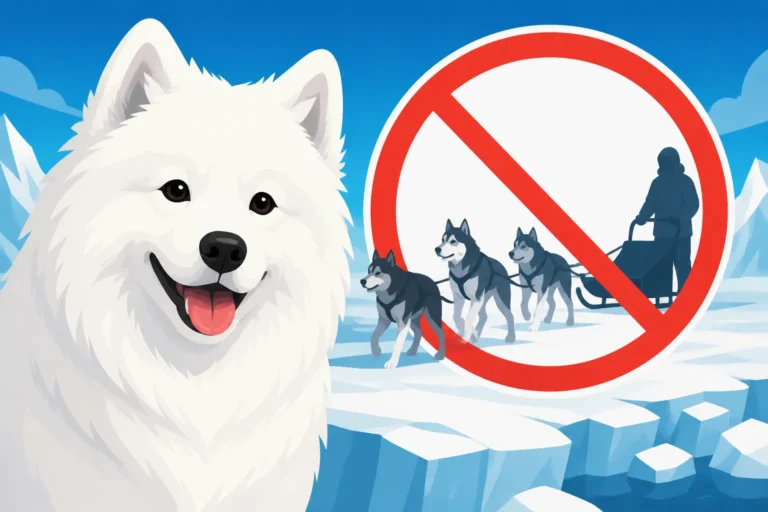
Who Brought Samoyeds Out of Siberia
It’s a truly fascinating question that many Samoyed enthusiasts ponder: how did these magnificent, smiling dogs, so perfectly adapted to the harsh Siberian wilderness, end up in homes all across the world? It wasn't a simple stroll across the border; their journey to global recognition is interwoven with incredible tales of endurance, exploration, and the dedication of a few key individuals who saw their unique charm and potential. This guide will delve into the storied history of how Samoyeds made their way out of their native lands and into the hearts of people worldwide.
The Ancient Keepers: Samoyeds in Their Native Land
Before we talk about who brought Samoyeds out of Siberia, we need to understand who had them in Siberia to begin with. For centuries, these dogs weren't just pets; they were integral to the survival of the nomadic Nenets people in the vast, frozen expanse of the Yamal Peninsula. These indigenous tribes, often referred to collectively as "Samoyed people" (though this term is now largely considered outdated and refers to language groups, not just one ethnicity), relied on these dogs for everything.
Life with the Nomadic Nenets
Imagine living in a place where temperatures plunge to unbelievable lows, and your entire existence depends on moving vast herds of reindeer across icy plains. That was the reality for the Nenets. Their dogs, the ancestors of our modern Samoyeds, were not merely companions. They were partners in the truest sense of the word. They herded reindeer, protected the camps from predators like wolves and bears, and perhaps most importantly, kept the people warm. At night, these fluffy guardians would often sleep inside the chum (tent) with the families, sharing their body heat and becoming living, breathing blankets against the deadly cold. This close bond meant the dogs were valued members of the family, chosen for their temperament, intelligence, and resilience. It's a far cry from simply heading to a pet store or ordering supplies from Chewy; these dogs were life itself. The Nenets of the Yamal Peninsula Bred the Samoyed is a rich history.
What the Dogs Did for Survival
The tasks these dogs performed were varied and demanding. Their thick double coats, a defining feature of the breed, allowed them to withstand brutal arctic conditions. They were powerful enough to pull sleds laden with family belongings, moving camp from one grazing ground to the next. Their herding instinct, which some modern owners still glimpse when their Samoyed tries to "herd" children or other pets, was honed over generations to manage thousands of reindeer. This wasn't a gentle nudge; it was an active, intelligent management of a massive, vital food source. They had to be alert, adaptable, and incredibly hardy. This deep connection to their human families and their critical role in survival ensured that only the most robust and amenable dogs were bred, contributing to the healthy, friendly, and resilient nature we still see in Samoyeds today.
The First Western Glimpses: Early Explorers and Traders
The isolation of the Siberian tundra meant that for a long time, these magnificent dogs remained largely unknown to the Western world. However, as trade routes expanded and exploration pushed further into uncharted territories, glimpses of these "white dogs of the North" began to emerge.
Travelers and Traders Bearing Tales
In the 16th to 18th centuries, Russian traders and early European explorers making their way across Siberia would occasionally encounter the nomadic tribes and their unique canine companions. These were often brief, fleeting encounters, but the stories of these white, strong, and friendly dogs began to filter back to Europe. Imagine the wonder of hearing about dogs that could live in such extreme conditions, yet were so gentle with their human families. These early reports were often mixed with myth and exaggeration, painting a picture of an almost mythical creature from the ends of the earth. These weren't expeditions specifically designed to acquire dogs, but rather chance meetings that planted seeds of curiosity in the minds of those back home.
Limited Interaction and Information
For a long time, direct acquisition of these dogs was rare. The Nenets weren't interested in selling their vital partners, and the journey itself was perilous. Any dogs that did make it out were few and far between, often suffering from the drastic change in climate and diet. Information about their care and breeding was sparse, relying mostly on anecdotal accounts from traders or adventurers. It wasn't like today, where you can research a breed's dietary needs and order specialized food and supplements online from retailers like Chewy with just a few clicks. These early dogs faced an uphill battle just to survive in their new environments, making the efforts of those who sought to establish the breed even more impressive.
The Polar Pathfinders: Samoyeds and Arctic Expeditions
The true catalyst for bringing Samoyeds to international attention was the late 19th and early 20th-century age of polar exploration. As adventurers aimed to conquer the North and South Poles, they needed reliable, powerful, and cold-resistant sled dogs. The Samoyed, with its proven track record in Siberia, was an obvious choice.
Amundsen, Scott, and Shackleton: The Race to the Poles
Many famous polar explorers recognized the incredible stamina and resilience of the Samoyed. Fridtjof Nansen, a Norwegian explorer, was one of the first to bring a large number of these dogs out of Siberia for his Arctic expeditions in the 1890s. His success, in part due to his robust dog teams, paved the way for others.
Then came the legendary race to the South Pole. Roald Amundsen, the Norwegian explorer who was the first to reach the South Pole, famously used a team of sled dogs, which included many Samoyed-type dogs, for his triumphant journey. His strategic reliance on strong, well-cared-for dogs was a major factor in his success. On the other hand, Captain Robert Falcon Scott, the British explorer who reached the South Pole only to perish on the return journey, also employed Samoyeds. Ernest Shackleton, another iconic British explorer, similarly used Samoyeds on his Antarctic expeditions, valuing their strength and cold resistance. These expeditions were brutal, testing the limits of both humans and animals, and the Samoyeds proved their mettle time and again. The tales of their endurance are incredible, demonstrating exactly why these dogs were so vital. How Polar Explorers Took Samoyeds Out of Siberia details many of these harrowing journeys.
Etah: A True Samoyed Hero
One of the most famous individual Samoyeds to emerge from these expeditions was Etah. This remarkable female Samoyed was part of the team led by Robert Peary, believed to be the first man to reach the North Pole in 1909. While the exact details of that expedition are still debated, Etah stands out as the lead dog that reportedly guided Peary's team across the treacherous Arctic ice. Her story is a testament to the intelligence, courage, and leadership qualities inherent in the breed. To think of a dog, born in the wilds of Siberia, navigating such an unforgiving landscape with such purpose is truly awe-inspiring. Etah, the Samoyed That Reached the South Pole First tells her incredible story. After these expeditions, many of the surviving dogs were brought back to Europe, often as heroes, and became the foundation stock for the breed we know today.
From Expedition to Exhibition: Establishing the Breed in the West
Bringing a dog back from a polar expedition was one thing; establishing it as a recognized breed in a new continent was quite another. This transition required dedication, careful breeding, and a passionate belief in the Samoyed's unique qualities.
Early Breeders in England
The late 19th and early 20th centuries saw several individuals in England take a keen interest in these returning Siberian dogs. Ernest Kilburn Scott is widely credited with being a pivotal figure in establishing the Samoyed breed outside of Russia. He and his wife, Clara, imported several Samoyed-type dogs directly from the Archangel region of Russia, as well as acquiring some from returning polar explorers. They were captivated by the dogs' beauty, intelligence, and friendly disposition. The Scotts meticulously documented their dogs, bred them carefully, and were instrumental in formalizing the breed standard.
In a world where dog breeds were becoming increasingly organized, with kennel clubs and show rings, the Samoyed stood out. It was exotic, beautiful, and had an undeniable presence. Without the efforts of pioneers like the Scotts, the Samoyed might have remained a rare curiosity rather than becoming the beloved breed it is today. They understood that to preserve the breed, they needed to standardize its appearance and temperament, moving it from a purely working dog to one that could also be a cherished companion and show dog.
The Breed's Arrival in America
From England, the Samoyed made its way across the Atlantic to North America. The first Samoyed registered with the American Kennel Club (AKC) was Moustan of Argenteau in 1906. Early American breeders and enthusiasts, often inspired by the stories of polar expeditions, imported dogs from England and directly from Russia. They faced challenges, not least of which was educating the public about this relatively unknown breed. People were accustomed to other working dogs or more common companion breeds, and the Samoyed was something entirely new.
Early American Samoyed owners worked tirelessly to promote the breed, entering them in dog shows, sharing their unique history, and highlighting their wonderful temperaments. It was a grassroots effort, driven by a genuine love for these dogs. Today, if you’re looking to get started with a Samoyed, you'll find a wealth of information and products, from puppy food to specialized grooming tools, easily available from online retailers like Chewy, a convenience unimaginable to those early pioneers.
Key Figures Who Championed the Samoyed
The journey of the Samoyed out of Siberia and into our homes wasn't just about famous explorers; it was also about dedicated individuals who saw the breed's potential and worked tirelessly to ensure its recognition and survival.
Ernest and Clara Kilburn Scott: The Architects of the Modern Samoyed
As mentioned, Ernest and Clara Kilburn Scott are undeniably the most significant figures in the early history of the Samoyed as a Western breed. Their first Samoyed, a male named Sabarka, arrived in England in 1889. Later, they acquired dogs like Whitey Petchora, who was brought back from Siberia by an explorer. Their most influential dog was a female named Musti, believed to be one of the original foundation Samoyeds. The Scotts didn't just collect dogs; they understood the importance of selective breeding to maintain the health and characteristics of the breed.
Clara Scott, in particular, was a prolific writer and advocate for the breed. Her articles and books helped popularize the Samoyed and educated a growing number of admirers about their history, temperament, and care. She recognized the Samoyed's unique blend of working ability and gentle nature, traits that made them suitable for both the show ring and as family companions. Their kennel, "Farningham," became a hub for Samoyed breeding and knowledge, directly influencing the breed's development for decades.
Queen Alexandra and Royal Patronage
The Samoyed also received a significant boost in popularity through royal patronage. Queen Alexandra, wife of King Edward VII, became a great admirer of the breed in the early 20th century. She was given a Samoyed, named Jack, by Ernest Kilburn Scott, and reportedly kept several more at Sandringham. The Queen's interest brought considerable attention to the breed, lending it a certain prestige and desirability among the British aristocracy and beyond.
Imagine the impact of a royal household proudly owning these beautiful white dogs! This kind of visibility helped to solidify the Samoyed's place in the burgeoning dog fancy world. It wasn't just about their utility anymore; it was also about their beauty and unique charm, making them a breed to be admired and sought after. This high-profile endorsement was crucial in spreading awareness and fostering interest in the Samoyed, encouraging more people to explore owning one of these "Smiling Sammies."
The Samoyed's Global Spread and Enduring Appeal
From its humble beginnings as a vital working dog in Siberia to a cherished companion and show dog around the world, the Samoyed’s journey has been remarkable. The foundation laid by early explorers and dedicated breeders ensured that the breed flourished far beyond its arctic homeland.
A Breed for All Seasons
Today, Samoyeds are beloved across many countries, not just those with cold climates. Their striking appearance, friendly demeanor, and playful nature have won them countless admirers. While their double coat still requires significant grooming – something a modern owner can easily manage with high-quality brushes and dryers, perhaps sourced from a comprehensive pet supply site like Chewy – it also serves as a beautiful reminder of their ancestral home.
The challenges of owning a Samoyed, such as their vocal nature or their desire to be involved in family activities, are often seen as part of their charm. Their history of working closely with humans has instilled in them a deep need for companionship, making them wonderfully loyal and affectionate family members. The Samoyed Slept in the Tent to Keep People Alive is a great read on this bonding.
The Enduring Legacy
The story of who brought Samoyeds out of Siberia is really a testament to the powerful bond between humans and dogs. It’s a narrative of survival, exploration, and the passionate efforts of individuals who recognized the extraordinary qualities of these smiling dogs. Each time you see a Samoyed, you're not just looking at a beautiful pet; you're seeing a living piece of history, a direct descendant of the hardy companions who journeyed from the vast Siberian wilderness, across icy poles, and into our hearts.
| Era | Key Figures/Groups | Contribution to Samoyed's Journey Out of Siberia | Notable Dogs/Impacts |
|---|---|---|---|
| Ancient Times | Nenets People | Bred and coexisted with Samoyed-type dogs for survival in Siberia. | Developed core traits: resilience, herding instinct, close human bond, cold adaptation. |
| 16th-18th Century | Russian Traders, Explorers | First recorded encounters, brought back anecdotal reports of "white dogs." | Sparked initial curiosity in the West, but limited direct impact on breed establishment. |
| Late 19th Century | Fridtjof Nansen | Pioneered large-scale use of Samoyed-type dogs for Arctic expeditions. | Demonstrated the dogs' incredible suitability for polar travel, influencing subsequent explorers. |
| Early 20th Century | Roald Amundsen, Robert Scott, Ernest Shackleton | Used Samoyeds extensively in the race to the Poles; brought many dogs back to Europe. | Etah (Peary's lead dog) became famous; provided foundation stock for Western kennels. |
| Early 20th Century | Ernest & Clara Kilburn Scott | Systematically imported, bred, and formalized the Samoyed breed in England. | Established the "Farningham" kennel; authored breed literature; defined the breed standard. |
| Early 20th Century | Queen Alexandra | Royal patronage increased the breed's prestige and public awareness. | Boosted the Samoyed's popularity among the upper classes and broader public. |
| Early 20th Century onward | American & European Breeders | Continued importing, breeding, and promoting the Samoyed in their respective countries. | Ensured the breed's survival and growth, leading to its global recognition as a beloved companion. |
The journey was long, challenging, and full of incredible stories. It truly gives you a new appreciation for the Samoyed curled up on your rug, knowing the epic travels its ancestors undertook. Whether you're researching The Twelve to Fourteen Years a Samoyed Lives or how The Samoyed Smile Is Functional, knowing their history helps understand the breed.
Disclaimer
This article is for general informational purposes only and does not constitute professional advice. Laws, prices and regulations vary by location and change over time. Consult a qualified professional for guidance on your specific situation.