How Polar Explorers Took Samoyeds Out of Siberia
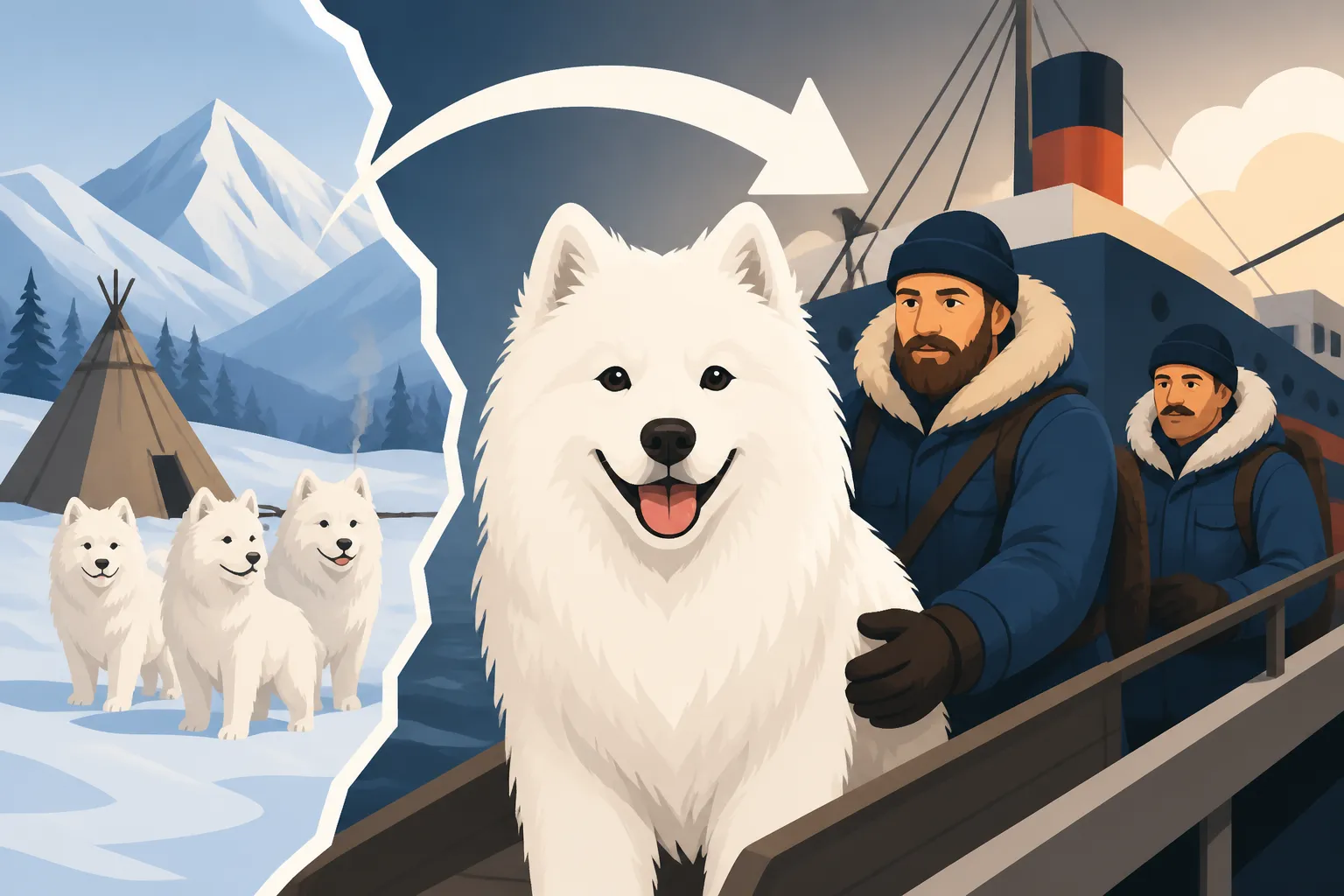
We often see our beautiful Samoyeds as fluffy, smiling companions, graceful in the show ring or happily romping in the park. It’s easy to forget that beneath all that pristine white fur lies the heart of an Arctic explorer, a true working dog whose ancestors braved the most brutal conditions on Earth. This guide will take you on a journey back in time, unveiling the incredible story of how these magnificent dogs transitioned from the nomadic tents of Siberia to become the indispensable heroes of polar expeditions, ultimately making their way into homes worldwide.
The Samoyed's Ancient Roots in Siberia
Before Samoyeds were accompanying famous explorers to the ends of the Earth, they were deeply embedded in the lives of the indigenous peoples of Siberia. For thousands of years, these dogs weren't just pets; they were integral family members, essential for survival in one of the planet's harshest environments. Understanding this profound original relationship is key to appreciating the resilience and character of the breed we know today.
Life with the Nenets People
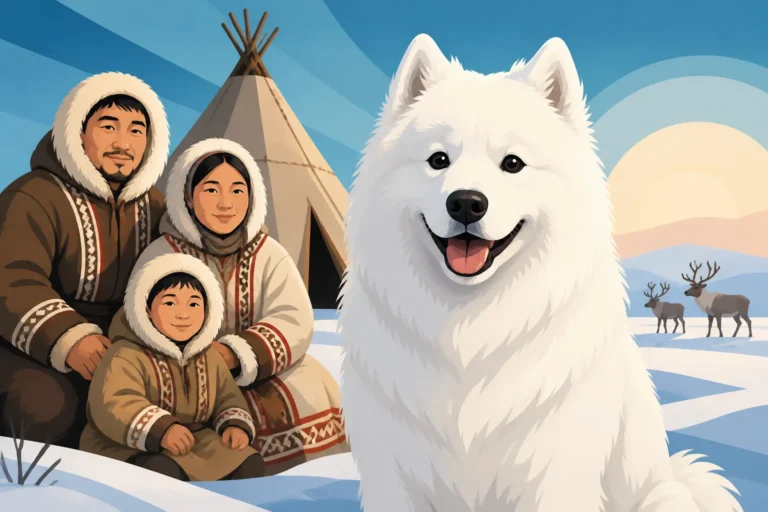
Imagine a vast, frozen landscape stretching as far as the eye can see, where temperatures plummet far below freezing for months on end. This was, and largely still is, the homeland of the Nenets people (often historically referred to as "Samoyed people," a term from which the dog breed takes its name, though the people themselves prefer "Nenets"). For centuries, the Nenets lived a nomadic life, herding reindeer across the vast tundras of the Yamal Peninsula. Their survival depended entirely on their animals – and their dogs. These dogs, the ancestors of our modern Samoyeds, were not merely animals kept for convenience; they were partners in every sense of the word. They played a crucial role in managing the reindeer herds, using their intelligence and natural instincts to gather, move, and protect the deer from predators like wolves. This wasn't a gentle herding style; it was robust and involved active participation, quite unlike the herding styles of many other breeds.
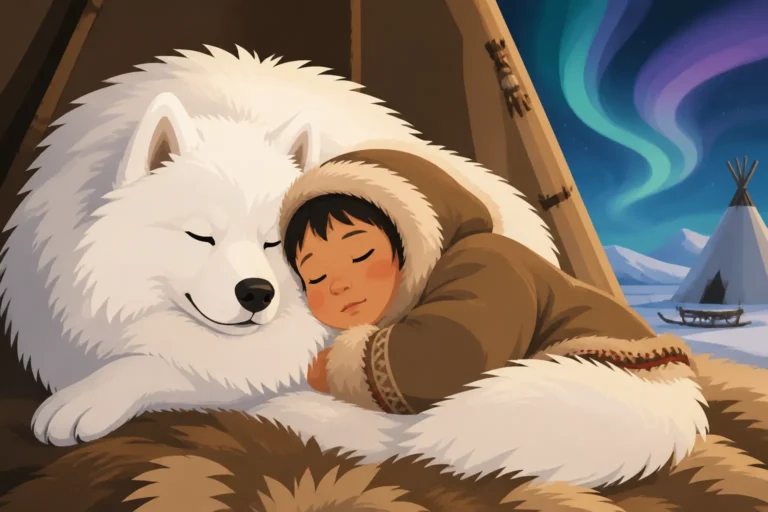
Beyond herding, these dogs were the primary mode of transportation. They pulled sleds laden with belongings, children, and provisions across endless snowy expanses, sometimes for hundreds of miles. Their strength and endurance were legendary, allowing the Nenets to follow their reindeer herds and maintain their migratory lifestyle. But perhaps most remarkably, these dogs weren't banished to cold kennels or outdoor shelters. They slept right inside the chum (the traditional conical tent), nestled among the family members. This wasn't just for companionship; it was a matter of survival. Their thick, warm coats radiated heat, helping to keep the entire family alive in temperatures that could dip to 60 degrees below zero. This intimate living arrangement fostered an incredibly strong bond between humans and dogs, shaping the Samoyed's famously affectionate and people-oriented temperament. They were truly part of the tribe, a concept that resonates deeply with owners today who find their Samoyeds always want to be by their side. It's this deep history of cohabitation and mutual reliance that truly explains The Samoyed Slept in the Tent to Keep People Alive.
A Breed Shaped by Survival
The extreme demands of life in Siberia naturally selected for certain traits, transforming the ancestral Samoyed into the resilient and adaptable creature we recognize. Their most obvious feature, the stunning white double coat, is a marvel of natural engineering. The soft, dense undercoat provides incredible insulation, trapping warm air close to the body, while the longer, coarser guard hairs protect against snow, ice, and wind. This coat isn't just beautiful; it's a survival suit, allowing them to thrive in frigid temperatures that would be deadly for most other animals. Indeed, understanding how this coat functions is key to understanding How a Samoyed Survives Sixty Below. It's not merely decoration; it's a functional adaptation to their native environment.
Their physical structure also reflects their working heritage. Samoyeds possess a powerful, muscular build, designed for sustained effort over long distances, whether pulling a sled or tirelessly herding reindeer. Their strong bones and well-angulated limbs provide the necessary propulsion and stability for navigating deep snow and uneven terrain. Mentally, they developed a keen intelligence, coupled with an independent streak that allowed them to make decisions while working with the herds, often out of direct sight of their human handlers. This independence can sometimes be misconstrued as stubbornness by modern owners, but it was once a vital characteristic for survival. They also developed their characteristic "Samoyed smile," a slight upward curve to their lips, which is believed to prevent icicles from forming around their mouths and drooling that might freeze their fur, another practical adaptation to the cold. All these traits weren't chosen for aesthetics; they were honed by millennia of brutal survival in an unforgiving land.
The Lure of the Arctic: Explorers Set Their Sights North (and South)
As the 19th century drew to a close and the 20th century dawned, humanity harbored an insatiable desire to conquer the last untouched frontiers on Earth: the North and South Poles. These vast, icy expanses represented the ultimate challenge, a test of human endurance, innovation, and courage. The ambition to be the first to reach these remote points fueled an era of intense exploration, drawing adventurers from across Europe and beyond.
The Dawn of Polar Exploration
The late 1800s and early 1900s marked the golden age of polar exploration. Expeditions were meticulously planned, often spanning years, and required immense financial backing and a relentless spirit. Explorers like Fridtjof Nansen, Roald Amundsen, and Robert Falcon Scott became household names, their exploits followed avidly by a fascinated public. The goals were varied: scientific discovery, mapping uncharted territories, and, perhaps most compellingly, the sheer prestige of planting one's flag at the Earth's extremes. These were monumental undertakings, fraught with unimaginable dangers, from crippling cold and blizzards to treacherous ice fields and dwindling supplies. Every decision, from the choice of vessel to the provisions carried, could mean the difference between triumph and tragic failure. It was within this context of immense challenge and high stakes that the northern dog breeds, particularly the Samoyed, would find their true calling on the world stage.
However, the question of how to effectively traverse these frozen landscapes remained a significant hurdle. Early attempts often relied on human-powered sledges or attempts to use ponies, both of which proved largely inadequate for the scale of the task. The extreme conditions quickly demonstrated the limitations of conventional methods. Imagine trying to drag heavy sleds through deep, uneven snow for mile after mile, day after day, in sub-zero temperatures. It was backbreaking, demoralizing work that quickly sapped the strength and resolve of even the most robust men. Ponies, while strong, struggled immensely with the snow and cold, their hooves often ill-suited for the icy terrain, and their need for large amounts of fodder presented a logistical nightmare. The early failures highlighted a critical need for a more efficient, resilient, and specialized mode of transport, something that could not only withstand the elements but thrive in them. This desperate search for reliable partners in the ice would eventually lead explorers directly to the hardy dogs of the far North, dogs like the Samoyed, whose entire existence had prepared them for such a challenge. These men were on the hunt for something uniquely adapted to the harsh arctic environment, and as we will see, they found it in the four-legged companions of the Nenets people. It was a search for endurance, strength, and unwavering reliability in a world determined to break them.
Why Sled Dogs Were Essential
It quickly became clear to seasoned polar explorers that the key to navigating the Arctic and Antarctic was not simply brute human strength or ill-suited livestock, but specialized animal power. Sled dogs emerged as the undisputed champions of polar travel, and among them, the Samoyed distinguished itself. Their ability to pull heavy loads over long distances, often through blizzards and over treacherous ice, was unmatched. These dogs weren't just strong; they were incredibly intelligent and possessed an innate understanding of teamwork, honed over generations working with the Nenets. They could sense dangers, follow faint tracks, and maintain a steady pace even when conditions were at their worst. This combination of physical prowess and mental fortitude made them indispensable.
Beyond their pulling capabilities, sled dogs offered a unique advantage: they could sustain themselves on a diet that was primarily meat, often derived from seals or even other dogs if circumstances became dire. This meant less reliance on bulky, heavy fodder that had to be transported from distant supply depots, a logistical nightmare for human and pony teams. Their compact size and agility allowed them to navigate terrain that would trap larger animals, and their thick coats meant they didn't require elaborate shelter, often simply burrowing into the snow. Moreover, the psychological boost provided by these loyal, cheerful companions cannot be overstated. In the soul-crushing isolation of the polar regions, the unwavering companionship of a dog could be a lifeline. This deep bond between man and dog, forged in the crucible of extreme survival, often proved as vital as any piece of equipment. Pulling: What a Samoyed Was Actually Bred to Do was precisely what these explorers needed, a skill perfected over centuries on the Siberian tundra.
The First Encounters: Bringing Samoyeds to the Western World
The path for Samoyeds from their isolated Siberian homeland to international recognition was largely paved by intrepid explorers and enthusiasts who recognized their extraordinary qualities. It wasn't a sudden exodus but a gradual process of individual efforts, driven by admiration for these resilient dogs.
Ernest Kilburn Scott and the Genesis of the Western Samoyed
One of the pivotal figures in bringing the Samoyed to the Western world was Ernest Kilburn Scott, a British zoologist and explorer. Scott’s travels in Siberia in the late 19th century exposed him to the magnificent dogs of the Nenets people, and he was immediately captivated by their beauty, strength, and gentle nature. He understood that these dogs were something truly special, far beyond what most Europeans had ever seen. His passion led him to acquire several of these dogs, carefully bringing them back to England. This was no easy feat, considering the arduous journeys involved at the time, which could take months by ship and land.
Scott didn't just bring them back; he dedicated himself to establishing the breed in the West. He was instrumental in forming the first Samoyed Club in England in 1909 and creating the breed standard, which defined the physical and temperamental characteristics that breeders would strive to maintain. His most famous dog, a male named Musti, is widely considered one of the foundation dogs of the Western Samoyed breed. It was through Scott’s tireless efforts that the breed gained a foothold outside of Siberia, introducing them to a new world that would soon fall in love with their charm. His work directly contributed to shaping the breed as we know it today. It's difficult to overstate his impact on the breed's global presence. If not for him, the Samoyed might have remained a regional, nomadic dog, unknown to the rest of the world. It was his vision and persistence that truly laid the groundwork for the future of the Samoyed. This pivotal moment truly marks The Year the First Samoyed Reached England and the start of its journey to global recognition.
Early Imports and Dissemination
While Ernest Kilburn Scott certainly played a monumental role, he wasn't the only one bringing these incredible dogs out of their native lands. Other explorers, traders, and even some Russian nobility, intrigued by the unique characteristics of these Siberian dogs, also imported them to various parts of Europe. These early imports formed the diverse genetic pool from which the modern Samoyed breed developed. For instance, Queen Alexandra of England was known to be a great admirer of Samoyeds, acquiring several dogs from various sources. Her royal patronage undoubtedly boosted the breed's profile and desirability among the European aristocracy and public, cementing their place as more than just working dogs. The fact that Whether Queen Alexandra Kept Samoyeds is a common question today speaks to her influence.
These dogs weren't always called "Samoyeds" in the earliest days of their introduction to the West; they might have been referred to as Siberian dogs, Nenets dogs, or simply Arctic dogs. It took time and the dedicated efforts of people like Scott to standardize the name and establish a consistent breed identity. As the breed gained traction in Europe, it wasn't long before Samoyeds made their way across the Atlantic to North America. Here, too, they were cherished for their striking appearance, gentle temperament, and inherent working ability. Breeders in both continents worked to selectively breed for desired traits, ensuring the continuation of the qualities that made them so special, while sometimes adapting them slightly for show ring aesthetics or companion animal roles rather than strictly nomadic herding. The foundation stock might have been relatively small, but the care and dedication of these early enthusiasts ensured the breed's survival and growth beyond its Siberian origins.
Samoyeds in the Great Race to the Poles
The true test and ultimate showcase of the Samoyed's capabilities came during the fierce competition to reach the Earth's geographical poles. These were not just scientific endeavors but high-stakes races against nature and rival expeditions. The performance of the dogs in these extreme environments etched their place in history.
Nansen's Fram Expedition (1893-1896)
Fridtjof Nansen, the celebrated Norwegian explorer, pioneered a novel approach to Arctic exploration with his Fram expedition. Rather than trying to force his way through the ice, Nansen intentionally froze his specially designed ship, the Fram, into the Arctic ice pack, hoping to drift across the North Pole. For his ambitious plan, Nansen understood that sled dogs would be indispensable. He acquired a team of Siberian dogs, many of which were Samoyed-type, knowing their unparalleled resilience and strength were paramount for his planned overland dash to the pole once the ship drifted close enough.
Nansen meticulously documented the dogs' performance, observing their incredible hardiness, their ability to work cohesively as a team, and their relative ease of maintenance in such extreme conditions. While Nansen ultimately did not reach the North Pole during his overland attempt (he came tantalizingly close, setting a new 'Farthest North' record), the dogs were central to his success in navigating the brutal Arctic environment. Their pulling power was critical for carrying supplies, and their very presence contributed to the morale of the expedition members. Nansen's experiences, widely publicized upon his return, were a powerful testament to the dogs' capabilities, solidifying their reputation as the premier working animals for polar conditions. He demonstrated conclusively that dogs, properly handled, were the most effective means of travel and survival in the Arctic.
Amundsen's South Pole Triumph (1911-1912)
Perhaps the most iconic use of Samoyed-type dogs in polar exploration belongs to Roald Amundsen's triumphant expedition to the South Pole. Amundsen, another brilliant Norwegian explorer, learned extensively from previous expeditions, including Nansen's. He meticulously planned every detail, understanding that speed, efficiency, and unwavering reliability were crucial for success in the brutal Antarctic. Unlike his rival, Robert Falcon Scott, who struggled with a mix of ponies, motorized sledges, and dogs, Amundsen placed his entire trust in dog teams, primarily using Siberian Huskies and Samoyeds. He knew that for the sheer demands of the Antarctic interior, dogs were the only viable solution.
Amundsen's success hinged on his expert dog handling and his pragmatic approach. He planned to use the dogs not only for transport but also, controversially, as a food source for both the men and the remaining dogs as the expedition progressed. While this sounds harsh to modern sensibilities, it was a brutal necessity in an era where failure meant certain death. His team of dogs, including the famous Samoyed named Etah, performed flawlessly. Etah herself was reported to be the lead dog of the team that famously reached the South Pole on December 14, 1911, making her arguably Etah, the Samoyed That Reached the South Pole First. Amundsen's careful provisioning, his understanding of dog nutrition and care, and his decision to travel light ensured his dogs were always in peak condition when it mattered most. Their relentless pulling power covered vast distances with remarkable speed, allowing Amundsen to outpace Scott's expedition decisively. The world watched in awe as Amundsen returned, having conquered the South Pole, and the heroic role of his sled dogs, especially the Samoyeds, became legendary, further cementing their status as the ultimate polar explorers.
Scott's Tragic Expedition (1910-1912)
In stark contrast to Amundsen's methodical and dog-centric approach, Robert Falcon Scott's British Antarctic Expedition, also known as the Terra Nova Expedition, suffered a tragic fate, partly due to his more mixed and less effective strategy for transportation. Scott utilized a combination of motorized sledges, Siberian ponies, and dog teams, including Samoyeds. However, his understanding and use of these resources, especially the dogs, were less adept than Amundsen's. The motorized sledges quickly broke down in the extreme cold, proving unreliable. The ponies struggled immensely in the deep snow and frigid temperatures, requiring vast amounts of fodder and ultimately succumbing to the harsh conditions.
Scott’s use of dogs, while present, was not as integrated or prioritized as Amundsen's. He often used the dogs for hauling supplies to depot points rather than for the final push to the Pole, and his team’s general care and management of the dogs were criticized, even by members of his own expedition. Unlike Amundsen, who understood the vital role of fresh meat and the dogs' ability to recycle energy through their diet, Scott's planning for dog food was insufficient for the extreme demands. As a result, his dogs were often overworked, underfed, and ultimately less effective when compared to Amundsen's robust teams. The tragic outcome of Scott’s polar party, who perished on their return journey just miles from a supply depot, became a cautionary tale in polar exploration. The difference in fortunes between Amundsen and Scott vividly demonstrated the critical importance of selecting the right animals and, crucially, knowing how to use them effectively. The Samoyeds on Scott's Expedition were, sadly, not utilized to their full potential, a stark reminder that even the best tools require expert handling.
| Expedition Leader | Year | Primary Dogs Used | Destination | Outcome | Key Dog Management |
|---|---|---|---|---|---|
| Fridtjof Nansen | 1893-1896 | Samoyed-type | North Pole (drift) | New 'Farthest North' | Integral for overland dash, good care |
| Roald Amundsen | 1911-1912 | Samoyed, Husky | South Pole | First to reach Pole | Masterful, essential for success, pragmatic use |
| Robert F. Scott | 1910-1912 | Samoyed, Husky, Ponies | South Pole | Perished on return | Inconsistent, less effective, dogs secondary |
The Impact of Polar Exploration on the Breed's Future
The heroic, often tragic, narratives of polar exploration captured the public imagination in an unprecedented way. Newspapers around the world published dispatches from the ice, detailing the incredible bravery of the explorers and the indispensable role played by their canine companions. This widespread publicity had a profound and lasting effect on the Samoyed breed, catapulting them from relative obscurity to global fame.
Global Recognition and Popularity
The stories of Samoyeds enduring the harshest conditions, pulling sleds through blizzards, and providing companionship in the desolate polar wastes resonated deeply with people. They were seen as symbols of courage, loyalty, and resilience. This romanticized image, combined with their striking beauty – that smiling face and luxuriant white coat – quickly made them a desirable breed far beyond the scientific community and the circles of Arctic enthusiasts. No longer just working dogs for isolated nomadic tribes, they became celebrated heroes. This surge in interest led to more imports, more dedicated breeders, and the formal recognition of the Samoyed as a distinct breed by kennel clubs around the world.
In America, for example, the American Kennel Club (AKC) officially recognized the Samoyed, leading to the establishment of breed clubs dedicated to its preservation and promotion. This formal recognition provided a framework for breeding, showing, and registering Samoyeds, further solidifying their place in the canine world. The public's fascination didn't wane; instead, it grew. People wanted to own a piece of that Arctic heroism, a dog that embodied such noble qualities. This global recognition was directly linked to their roles in exploration, especially the successful expeditions. It's safe to say that without the polar explorers, the Samoyed would likely not be the beloved and widely recognized breed it is today. They were literally "discovered" and shared with the world through these daring journeys. It was a rapid transformation from working companion to international sensation, with the breed quickly becoming a cherished part of many families.
The Shift from Working Dog to Companion Animal
With increased popularity and a transition from the harsh realities of Siberian life and polar expeditions to the comforts of Western homes, the Samoyed's primary role began to shift. While their inherent working drive and endurance remained, the practical necessity for herding reindeer or pulling sleds for survival largely disappeared for most Samoyeds in Europe and North America. Instead, they were increasingly valued for their stunning appearance, their famously friendly disposition, and that endearing "Samoyed smile." They transitioned from being primarily utilitarian working dogs to becoming cherished family companions and show dogs.
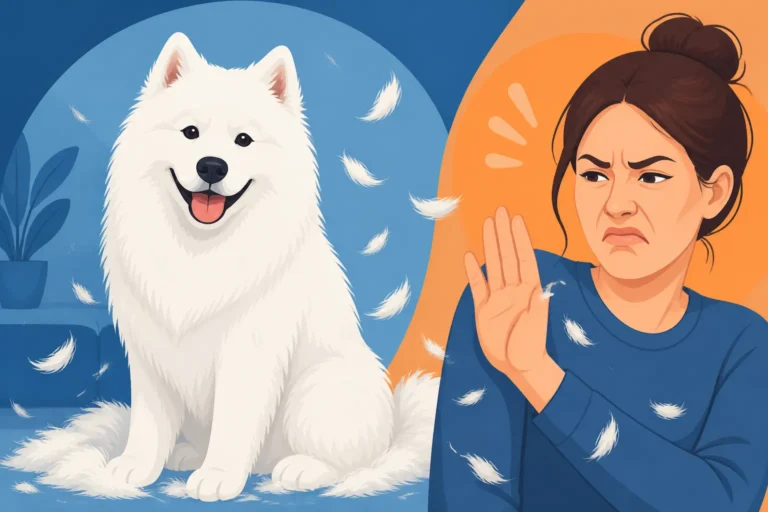
This shift didn't happen overnight, and it wasn't universal. Some dedicated enthusiasts continued to engage Samoyeds in sledding and other dog sports that honored their heritage. However, for the vast majority of owners, the Samoyed's role became that of a beloved pet, a furry member of the household. This meant that traits emphasizing companionship, good temperament with children and other animals, and show-ring aesthetics often took precedence in breeding programs over sheer working endurance or primitive survival instincts. The thick coat, once vital for freezing temperatures, now required regular grooming to maintain its pristine condition, often prompting owners to seek out specialized tools and high-quality grooming products, which can be easily found on retailers like Chewy. The transition highlights the breed's adaptability – from fiercely independent workers to affectionate family pets, capable of thriving in diverse human environments. Yet, even as companions, their underlying intelligence and need for activity often remind owners of their adventurous past. They still carry the spirit of the Arctic, even if their "work" now involves chasing squirrels in the backyard or guarding the sofa. The shift was a testament to their incredibly balanced temperament.
Legacy and Modern Connections
The legacy of the Samoyed's role in polar exploration is not just a chapter in history books; it continues to influence the breed today. From how breeders select their stock to how owners interact with their beloved companions, the echoes of their adventurous past are ever-present.
Preserving the Heritage
For dedicated Samoyed breeders and enthusiasts, honoring and preserving the breed's unique heritage remains a top priority. This means more than just maintaining their physical beauty; it involves safeguarding their health, temperament, and innate working abilities. Responsible breeders today go to great lengths to ensure their dogs are healthy, undertaking various health screenings for genetic conditions prevalent in the breed, such as hip and elbow dysplasia, eye diseases, and certain kidney conditions. These health tests are crucial for ensuring the longevity and well-being of future generations. Indeed, a thorough understanding of The Health Tests Both Samoyed Parents Should Have is a hallmark of any reputable breeder.
Beyond health, temperament is paramount. Breeders strive to produce Samoyeds that retain the friendly, outgoing, and intelligent disposition that made them such invaluable partners to the Nenets and polar explorers alike. While the average Samoyed might not be herding reindeer anymore, many still possess a strong desire to "work" or have a "job." This desire manifests in their enthusiasm for activities like obedience, agility, therapy work, or recreational sledding. Breeders often focus on maintaining a sound structure that allows the dogs to move efficiently and enjoy an active lifestyle, a nod to their history of pulling heavy loads across vast distances. The commitment to these core characteristics ensures that the Samoyed of today still embodies the spirit of its heroic ancestors, making it a joy to live with for those who understand and appreciate its background. When looking for a puppy, it's wise to ensure the parents have undergone these critical health evaluations.
Samoyeds in Contemporary Culture
Today, the Samoyed continues to capture hearts around the globe, beloved not just for its stunning looks but for its unwavering loyalty and cheerful demeanor. While the days of monumental polar expeditions are largely behind us, the breed's intrinsic desire to pull, explore, and be active remains. Many Samoyed owners embrace this heritage by engaging their dogs in various activities that tap into their natural instincts. Dog sledding clubs, for instance, still exist, offering opportunities for Samoyeds and their owners to participate in recreational or competitive mushing, keeping the spirit of their polar ancestors alive. These activities, whether it's full-scale sledding or simply urban mushing (pulling a cart or a person on a bike), provide excellent mental and physical stimulation, fulfilling their historical purpose in a modern context. It's a wonderful way to connect with the breed's past, proving that Sledding, Herding and What a Working Samoyed Costs to Campaign isn't just for professional mushers.
Furthermore, Samoyeds are increasingly popular in other dog sports like agility, rally obedience, and even therapy work, where their gentle nature and bright "smile" bring comfort to many. Their distinctive appearance and friendly personality also make them popular choices in advertising and social media, further solidifying their place in contemporary culture as an iconic and beloved breed. From high-end dog food brands to pet accessory lines, their image evokes a sense of pristine beauty and joyful energy. Modern pet owners looking to provide the best for their Samoyeds, from specialized nutrition to durable toys, often turn to reliable online retailers like Chewy, which cater to the specific needs of active and large breeds. The story of the Samoyed’s journey from the remote Siberian tundra to being a global canine celebrity is a powerful testament to their enduring qualities and the deep bond they form with humans. They are truly living legends, still smiling, still ready for adventure, and still captivating everyone they meet.
Disclaimer
This article is for general informational purposes only and does not constitute professional advice. Laws, prices and regulations vary by location and change over time. Consult a qualified professional for guidance on your specific situation.