Etah, the Samoyed That Reached the South Pole First
It’s easy to look at our fluffy, smiling Samoyeds today and imagine them as nothing more than happy-go-lucky house pets, perhaps a bit of a handful with their strong voices and independent streaks. But for all their modern-day charm, there’s a deep, powerful history coursing through their veins – a history etched in ice and courage. This guide dives into the incredible, often harsh, reality of polar exploration and the pivotal role played by dogs like Etah, a Samoyed who stood at the forefront of humanity’s quest to conquer the ends of the Earth, leading the charge to the South Pole.
The Unsung Heroes of the Ice: Setting the Scene for Polar Exploration
The late 19th and early 20th centuries were an era defined by grand, perilous ambitions. Explorers, driven by a blend of scientific curiosity, national pride, and sheer human will, turned their sights to the last unconquered frontiers: the North and South Poles. These were not mere treks; they were voyages into the unknown, fraught with unimaginable dangers, where every decision could mean the difference between triumph and a frozen tomb.
The Allure and Danger of the Poles
Imagine a world before satellite imagery, before reliable weather forecasts, before specialized cold-weather gear as we know it today. The polar regions were truly alien landscapes, vast expanses of ice, snow, and rock, battered by winds that could strip the flesh from bone and temperatures that plunged far below zero. The allure was immense – to be the first, to plant a flag, to chart the uncharted. But the dangers were equally immense. Frostbite, starvation, scurvy, getting lost in whiteouts, falling into hidden crevasses, or being trapped by shifting ice were constant, terrifying threats. The explorers who ventured into these realms were not just brave; they were often desperate, pushing the limits of human endurance.
For many, the idea of owning a Samoyed today is about enjoying their fluffy companionship and playful antics. It's hard to reconcile that image with the stark, brutal environments their ancestors faced. Yet, this inherent toughness, this deep-seated resilience, is a core part of what makes them such special dogs even now. We owe it to their history to understand just what they went through.
The Dog's Crucial Role in Expedition Success
In these unforgiving landscapes, traditional methods of transport like horses or even early motorized vehicles quickly proved inadequate. Horses, while strong, struggled in deep snow, their hooves ill-suited to the ice, and their need for substantial forage made resupply nearly impossible. This is where dogs, specifically the powerful and cold-adapted Northern breeds, became absolutely indispensable. They were not merely pets tagging along; they were the engines of discovery.
Teams of sled dogs were the primary means of hauling tons of supplies, equipment, and scientific instruments across vast distances. They pulled sledges laden with tents, food, fuel, spare parts, and geological samples. Without their tireless strength and uncanny ability to navigate treacherous terrain, many of these expeditions simply would not have been possible. The success or failure, and indeed the very survival, of an entire expedition often rested squarely on the shoulders, or rather, the paws, of these remarkable animals. They truly were the unsung heroes, often working to the point of collapse, driven by instinct and the bond with their handlers.
The Perilous Journey to the Ice
Getting the dogs from their native lands, primarily Siberia and Greenland, to the remote staging grounds in Antarctica was a monumental undertaking in itself. It involved long, arduous ship voyages across stormy seas, often with inadequate space or ventilation. Many dogs perished during these transports due to disease, stress, or injuries from rough seas. The conditions for both men and animals were rudimentary at best, and the sheer logistics of moving such a large number of dogs across continents and oceans represented a significant portion of an expedition's initial investment and risk.
Once on the continent, the real work began. Dogs had to be acclimated, trained, and conditioned in an environment unlike anything they had ever experienced. The transition from a cramped ship hold to the vast, open, freezing expanse of the Antarctic was jarring for them, yet they adapted with astonishing speed, a testament to their inherent hardiness.
Etah's Legacy: A Samoyed's Journey to the South Pole
When we talk about the conquest of the South Pole, two names often come to mind: Robert Falcon Scott and Roald Amundsen. Their race to the Pole is one of history's most compelling sagas, a stark illustration of contrasting strategies and their outcomes. Amundsen's methodical, dog-centric approach ultimately secured his victory, and at the heart of his success was the incredible performance of his canine team, led by a Samoyed named Etah.
Amundsen's Bold Plan and Canine Strategy
Roald Amundsen, a Norwegian explorer, was a master of polar travel. Having learned invaluable lessons from his expeditions to the Arctic, he understood that success in the extreme cold depended on adopting indigenous methods. He embraced dog sledding not just as a means, but as the primary strategy. Unlike Scott, who relied on a mix of ponies, motorized sledges, and man-hauling, Amundsen committed fully to dogs. He procured over 100 Greenland dogs and Samoyeds, knowing their endurance, strength, and ability to thrive in the cold were unmatched.
Amundsen's plan was meticulously crafted: push hard, establish depots of supplies along the route, and utilize his dogs not only for transport but also, controversially but practically, as a source of emergency food for both men and remaining dogs when necessary. This pragmatic, and to modern sensibilities, brutal, strategy ensured that his expedition would not be weighed down by non-performing animals or lack of sustenance. He understood that survival and success in such an environment demanded difficult choices. His decision to trust fully in the dogs, a decision many criticized at the time, proved to be his greatest advantage.
The Journey to the Ice and the South Pole Push
Etah's journey began far from the icy wastes of Antarctica. She was one of several Samoyeds acquired by Amundsen, chosen for their strength, endurance, and famed thick coats. These dogs were transported from their native Siberia, making a long voyage to Norway, and then onward to the Antarctic continent aboard Amundsen's ship, the Fram. The logistical challenge alone was immense, ensuring the dogs remained healthy and ready for the monumental task ahead.
Once established at Framheim, Amundsen's base camp in the Bay of Whales, the serious training began. The dogs pulled sledges on practice runs, conditioning them for the relentless mileage and heavy loads. When the final push for the South Pole began in October 1911, Etah was part of the lead team. She was a powerhouse, a lead dog among lead dogs, guiding her team and the explorers across a vast, desolate, and utterly featureless landscape of ice and snow. Her keen senses, resilience, and unwavering drive were critical in navigating the treacherous terrain and maintaining the pace needed for Amundsen’s record-breaking dash to the Pole. The dogs covered vast distances, day after day, pulling heavy loads, battling blizzards, and crossing hidden crevasses that could swallow an entire team.
Triumph at the Pole: Etah and Amundsen's Victory
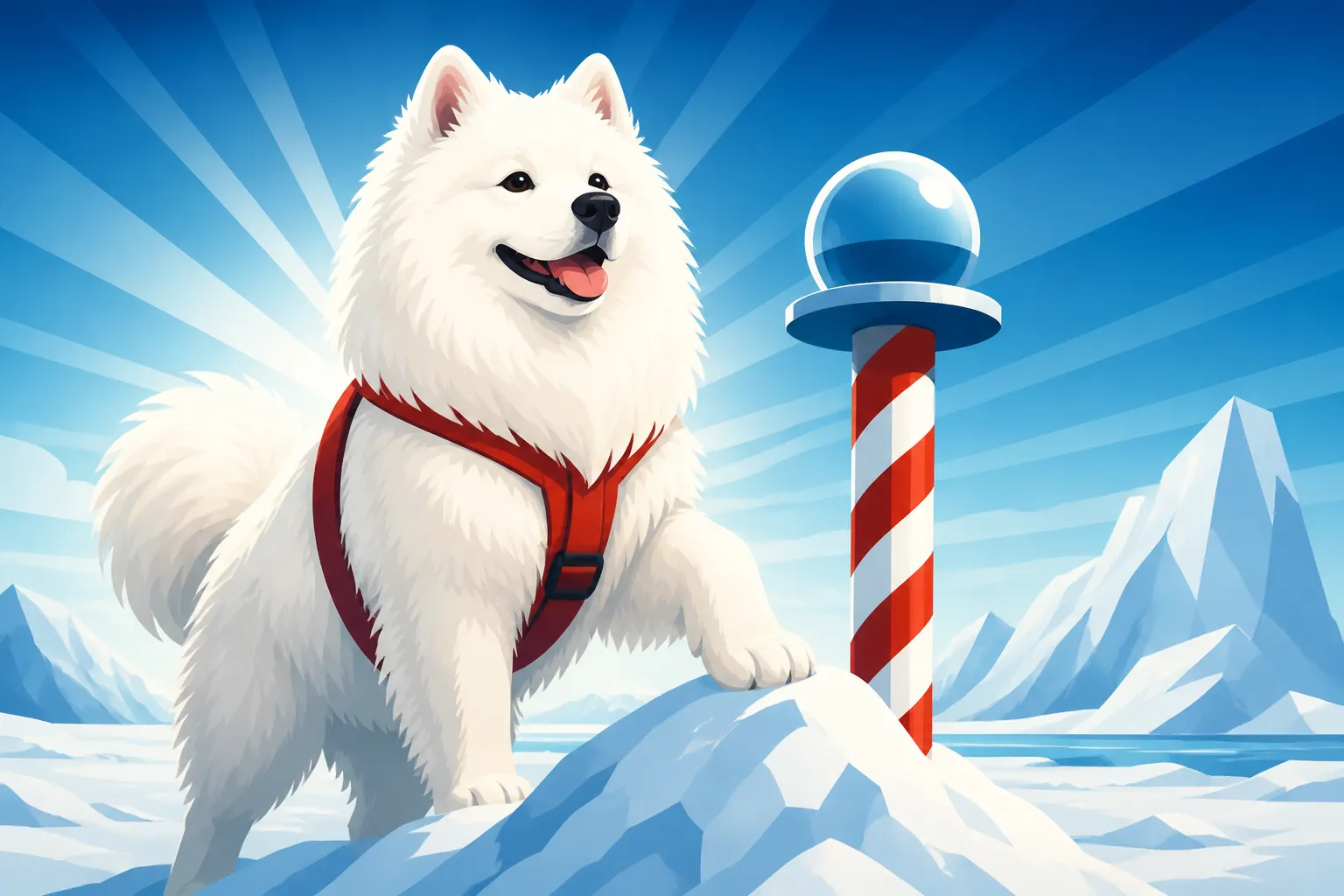
On December 14, 1911, Roald Amundsen's party, pulled by their loyal dog teams, reached the geographic South Pole, becoming the first humans to do so. Etah was famously the lead dog in Amundsen's primary sledge team that day. Imagine the scene: the desolate white expanse, the biting cold, and the sheer elation of achieving a goal that had eluded so many. It was a triumph not just for the men, but for the dogs who had literally dragged them there. The flag was planted, scientific readings were taken, and a message left for the soon-to-arrive (and ultimately tragic) British expedition led by Robert Falcon Scott.
Amundsen's victory was a testament to his meticulous planning, his skill in polar travel, and his unwavering faith in his dog teams. Etah, a beautiful, powerful Samoyed, embodied the spirit of that endeavor. She was more than just an animal; she was a critical component of one of history’s greatest exploratory achievements. This moment solidified the Samoyed's reputation as an unparalleled working dog, capable of feats of strength and endurance few other breeds could match. Her name is etched in the annals of exploration, a symbol of canine courage and determination.
The Grueling Realities of Antarctic Expeditions
While the stories of triumph are inspiring, it’s crucial to acknowledge the immense suffering and harsh realities faced by all members of these expeditions, human and canine alike. The Antarctic was, and remains, a brutal environment, demanding sacrifices that are almost incomprehensible today.
Facing the Elements: Cold, Wind, and Whiteouts
The Antarctic climate is extreme. Temperatures routinely plummet to -40°F (-40°C) and even lower, exacerbated by fierce katabatic winds that can reach hurricane force. Frostbite was a constant threat, affecting fingers, toes, and faces of the men, and the paws, ears, and noses of the dogs. Blizzards could rage for days, trapping expeditions in their tents, consuming precious fuel and food. Whiteouts, where the sky and snow merge into an indistinguishable expanse, made navigation impossible, often forcing teams to halt or risk falling into invisible crevasses.
For the Samoyeds, their magnificent double coats offered incredible protection, allowing them to sleep curled in the snow, even in the most severe conditions. This natural insulation, a hallmark of the breed, was absolutely vital to their survival. However, even with their adaptations, the relentless cold and constant exposure took a toll on their bodies, demanding immense energy simply to stay warm. Their resilience in the face of such adversity is a testament to A Samoyed Built for Sixty Below in an American Summer.
Limited Resources and the Weight of Survival
Every ounce of food, every drop of fuel, every piece of equipment had to be hauled by human or dog power across hundreds, sometimes thousands, of miles. Resupply was nonexistent in the interior of the continent. This meant that every decision about loads, distances, and pacing was critical. Supplies had to be carefully rationed, and even then, scurvy and malnutrition were constant threats to the men.
For the dogs, their diet consisted primarily of dried fish and seal meat, when available, supplemented by dog biscuits. The sheer caloric demand of pulling heavy sledges day after day in extreme cold meant that their energy levels had to be maintained at all costs. An underfed dog was a weak dog, and a weak dog jeopardized the entire expedition. This constant battle against dwindling resources created an immense pressure on the explorers and their canine companions.
The Ultimate Sacrifice: A Grim Necessity
Perhaps the most harrowing aspect of polar dog sledding, especially during Amundsen's time, was the practice of culling dogs to feed the remaining team members and, in desperate situations, the men themselves. This was not done lightly, nor out of cruelty, but out of grim necessity. As the expedition pushed further inland, the weight of supplies diminished, but the need for fresh meat remained. Dogs that were injured, sick, or simply too exhausted to continue were euthanized to provide vital protein for their stronger teammates, ensuring the survival of the fittest and the continuation of the mission.
This practice, while shocking to modern sensibilities, was a cold, hard calculation of survival in an environment where sentimentality could mean death for everyone. The explorers formed deep bonds with their dogs, often naming them and mourning their loss, yet they understood the brutal logic of the poles. It was a stark reminder that these expeditions operated under a different set of rules, where life itself was a currency against the vast, indifferent wilderness.
Why Samoyeds Were the Chosen Breed for Such Feats
The choice of dog breed for polar expeditions was not arbitrary; it was a matter of life and death. Explorers like Amundsen carefully selected dogs that possessed a unique combination of physical and temperamental traits ideally suited for the most extreme conditions on Earth. Samoyeds, alongside Greenland dogs and Siberian Huskies, were consistently favored for very good reasons.
Physical Attributes: The Perfect Design for the Cold
Samoyeds are, quite literally, built for the cold. Their physical characteristics are a masterpiece of natural selection, honed over millennia in the Arctic.
- Dense Double Coat: This is their most obvious advantage. Samoyeds possess an incredibly thick double coat: a soft, woolly undercoat for insulation and longer, coarse guard hairs that shed snow and ice. This coat acts like a highly efficient thermal barrier, keeping them warm in freezing temperatures and, surprisingly, helping to regulate their body temperature in warmer conditions by preventing heat from penetrating to the skin. A Samoyed's Coat Is Insulation, Not Decoration. This natural protection meant less need for artificial coverings, which would have been impractical in the field.
- Sturdy Build and Endurance: Samoyeds are powerful, muscular dogs, perfectly proportioned for pulling heavy loads over long distances. Their strong legs, deep chests, and compact bodies are designed for sustained effort. They have an incredible stamina that allowed them to cover many miles each day, often for weeks on end, with heavy sledges behind them. Their metabolism is also efficient, allowing them to utilize fat stores effectively for energy, crucial in environments where food could be scarce.
- Padded Paws: Their large, well-furred paws provided excellent traction on snow and ice, acting like natural snowshoes to prevent sinking too deeply. The fur between their paw pads also offered an extra layer of protection against frostbite and injury from sharp ice.
Temperament for Teamwork and Harsh Living
Beyond their physical prowess, the Samoyed temperament played a significant role in their success as expedition dogs. They possessed a unique blend of traits that made them ideal working companions in challenging environments.
- Pack Mentality and Social Nature: Samoyeds are inherently social creatures, accustomed to living and working in packs. This made them excellent team players within the dog sled groups. They understood their place in the hierarchy and worked cooperatively, pulling together in unison. This social cohesion was vital for maintaining order and efficiency in multi-dog teams, reducing internal squabbles that could derail an expedition. Their desire to be with their "pack," which included the human explorers, also fostered a strong bond. Why a Samoyed Wants to Be in the Room With You.
- Resilience and Adaptability: These dogs demonstrated remarkable mental toughness. They could endure prolonged periods of extreme cold, hard work, and difficult conditions without losing their spirit. They were also adaptable, capable of sleeping out in the open snow, taking shelter behind sledges, and adjusting to varied rations. This mental fortitude was just as important as physical strength.
- Biddable, Yet Independent: While Samoyeds are known for their intelligence and willingness to work, they also possess a certain independence. They are not mindless automatons, but thinking creatures capable of making decisions. This independence, coupled with a general biddability, meant they could follow commands but also use their own instincts to navigate tricky terrain, sense danger, or find the best path forward. This balance was crucial; an overly compliant dog might simply follow into a crevasse, while an overly stubborn one would refuse to work.
Life on the Ice: The Bond Between Explorers and Their Dogs
The popular image of polar explorers often focuses on the heroic men, but the reality on the ice was a deep, symbiotic relationship between humans and their canine companions. For months, sometimes years, these individuals lived and worked in extreme isolation, forging bonds born of mutual dependence and shared hardship.
More Than Just Tools: Companions and Morale Boosters
While dogs were undeniably working animals, performing arduous tasks, they were also much more than mere tools. In the vast, silent, and often terrifying emptiness of the polar regions, the dogs provided a vital source of companionship and psychological support. Their wagging tails, playful nudges, and even their characteristic "Samoyed smile" could offer moments of levity and comfort in an otherwise grim existence. The explorers often spoke of their dogs with affection, recognizing their individual personalities and contributions.
Imagine the crushing loneliness of days on end with only a few other humans. The dogs filled a profound need for connection. Their presence was a constant reminder of life and warmth in a world that often felt devoid of both. They were living, breathing extensions of the team, sharing both the burdens and the sparse joys of the journey. Their loyalty, however conditional it might have been in the face of brutal necessity, was a powerful force that helped keep spirits from breaking.
Care and Training in Extreme Conditions
The well-being of the dog teams was paramount. Explorers spent significant time caring for their animals, despite their own exhaustion. This included ensuring they were adequately fed, checking for injuries, and protecting them as much as possible from the biting cold. Dog harnesses, sledges, and other equipment required constant maintenance to ensure efficiency and prevent breakdowns in the middle of nowhere.
Training was an ongoing process. While many of the dogs arrived with basic pulling skills, they needed to be conditioned for the specific demands of Antarctic travel. This involved teaching them to work together in a team, respond to vocal commands, and navigate challenging terrain. Discipline was firm but often tempered with an understanding of the dogs’ limits and needs. A poorly trained or abused dog was not an efficient worker and could endanger the entire expedition. The handlers understood that these magnificent creatures were doing their utmost, and respect, even if unspoken, was often a part of the dynamic.
Mutual Dependence: Survival Intertwined
Ultimately, the survival of the human explorers was inextricably linked to the performance and survival of their dogs. The dogs depended on the men for food, shelter (however minimal), and guidance. In turn, the men depended on the dogs for transport, protection against the elements (their warmth inside a tent or igloo), and often, as a last resort, for sustenance. This mutual dependence created a bond that went beyond typical pet ownership; it was a partnership in the truest sense of the word, forged in the crucible of extreme survival.
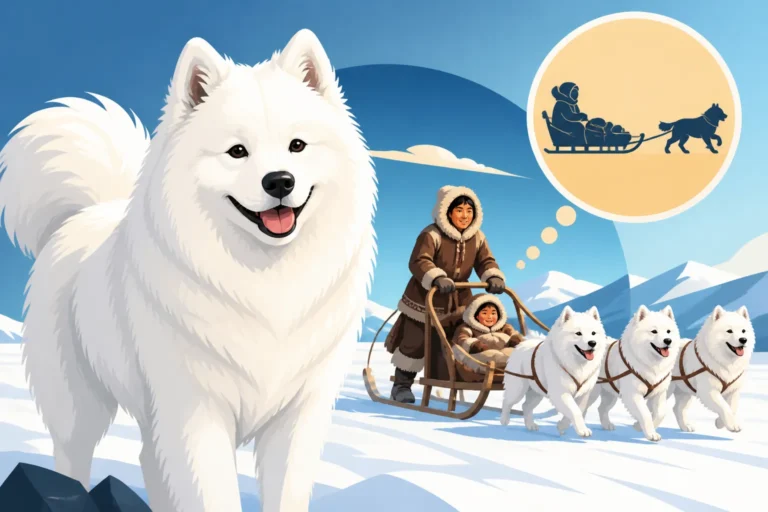
The explorers learned to read their dogs, understanding their cues, anticipating their needs, and recognizing when a dog was struggling. Similarly, the dogs learned to trust their human leaders, relying on them for direction and safety. This shared struggle against the most formidable natural forces on Earth created an unspoken understanding, a profound connection that few modern dog owners will ever fully experience. The historical context of the Samoyed's relationship with humans, going back to the Nenets people who relied on them for herding and warmth The Samoyed Slept in the Tent to Keep People Alive, deeply influenced this dynamic.
Beyond the Pole: What Happened to Etah and Her Comrades
Reaching the South Pole was a monumental achievement, but it was only half the journey. The return trip was equally, if not more, dangerous, with dwindling supplies, exhausted animals, and the ever-present threat of the Antarctic wilderness. The fate of the heroic dogs, including Etah, varied, but their stories rarely ended with a quiet retirement.
The Treacherous Return Journey
For Amundsen's expedition, the return journey from the South Pole was planned with the same meticulous detail as the outward leg. However, even the best plans can buckle under the immense strain of the Antarctic. The dogs, already pushed to their physical limits, had to contend with the same fierce weather, dwindling strength, and the increasing mental fatigue of continuous effort. Though Amundsen’s strategy of using dogs for food meant fewer mouths to feed as the journey progressed, it also meant the remaining dogs faced even greater pressure to perform.
Many dogs, having given their all, succumbed to exhaustion, injury, or were deliberately culled to ensure the survival of the others. The ice was a harsh judge, and only the strongest and most resilient made it back to Framheim, the base camp. The dogs that completed the entire round trip were truly extraordinary, a testament to their incredible spirit and the deep conditioning they had undergone.
Etah's Specific Fate
Among the dogs that returned with Amundsen's party, Etah was one of the fortunate survivors. Having led her team triumphantly to the Pole, she also endured the long, arduous trek back to the base camp. Unlike many of her less fortunate comrades, Etah made it back to the Fram, the expedition ship, and sailed back to Norway with Amundsen.
Upon her return, Etah, like many of the surviving expedition dogs, was initially given a period of recovery. Amundsen, though pragmatic, was not without appreciation for his canine heroes. Etah was reportedly given to a relative of Amundsen's, and later, to Professor Oscar Hiorth of the University of Oslo, where she lived out her remaining years in comfort. This was a rare and relatively fortunate outcome for an expedition dog, as many faced uncertain fates or were simply put down after their strenuous service. Etah’s story serves as a poignant example of the deep impact these dogs had on the men who relied upon them, leading to a privileged retirement after her extraordinary service.
The Public's Reception and a Quiet End
When Amundsen's expedition returned home, they were hailed as national heroes, and their dogs, especially the ones that returned, became symbols of their incredible achievement. There was immense public interest in these canine explorers, who had literally pulled humanity to one of the last unconquered places on Earth. They were celebrated, photographed, and lauded for their courage and endurance.
However, the reality for many surviving sled dogs was often less glamorous than their heroic status suggested. They were working animals, built for a specific purpose in a specific environment. Reintegrating them into ordinary domestic life could be challenging, and finding homes that understood their unique needs and high energy levels was not always easy. While Etah had a relatively comfortable retirement, many others faded into obscurity, their working lives over. This echoes a modern dilemma for many working breeds, where the intensity of their drive can be difficult to manage in a typical family setting.
The Lasting Impact of Etah's Achievement on the Samoyed Breed
Etah’s heroic journey to the South Pole, and indeed the contributions of all the Samoyeds and other Northern breeds in polar exploration, profoundly shaped the perception and future of the breed. Their unwavering performance under unimaginable duress etched an indelible mark on their legacy, boosting their recognition and influencing breeding practices for generations.
Boosting Breed Recognition and Popularity
Before the polar expeditions, Samoyeds were relatively unknown outside of their native Siberia and small circles of enthusiasts in Europe. Amundsen's triumph, prominently featuring his dog teams with Samoyeds like Etah at the helm, thrust the breed into the global spotlight. Newspaper articles, books, and public lectures about the expeditions frequently highlighted the incredible capabilities of these "Arctic heroes." This sudden fame sparked a surge of interest in the breed across Europe and North America.
People were captivated by their beauty, strength, and courage. The image of a smiling, white dog pulling a sled across the pristine Antarctic wilderness became iconic. This increased visibility led to more Samoyeds being imported and bred in Western countries, laying the foundation for the modern breed clubs and standards we know today. Without Etah and her comrades, the Samoyed might have remained a much rarer, more obscure breed.
Defining Breed Traits and the "Polar Type"
The demands of polar exploration reinforced and highlighted the essential traits of the Samoyed breed. Their incredible endurance, their robust health, their thick, insulating coats, and their cooperative yet intelligent nature were all proven under the most extreme conditions. These working attributes became synonymous with the breed and were heavily emphasized by early breeders and enthusiasts.
The "polar type" became an ideal, focusing on dogs with exceptional physical hardiness, dense coats, and sound temperaments suited for strenuous activity. While modern Samoyeds are primarily companion animals, the drive for these foundational traits – a powerful gait, a weather-resistant coat, and an intelligent, outgoing personality – still informs responsible breeding today. Breeders strive to produce dogs that embody the resilience and spirit of their polar ancestors, even if their current job is primarily warming a couch or enjoying a daily walk.
Modern Samoyeds and Their Ancestry
Today, many Samoyeds around the world can trace their lineage back to the dogs imported from Siberia in the late 19th and early 20th centuries. While direct descendants of expedition dogs like Etah might be hard to pinpoint in every modern pedigree, the influence of these foundation dogs is undeniable. The dogs brought out by explorers like Amundsen and Ernest Kilburn Scott (who established some of the earliest Samoyed kennels in England) formed the bedrock of the Western Samoyed population.
Understanding this history helps us appreciate the intrinsic qualities of our Samoyeds. Their love for snow, their desire to be part of the family "pack," their often prodigious vocalizations, and their boundless energy are all echoes of their past. When we see a Samoyed joyfully pulling a cart or a sled in modern dog sports, we are witnessing a direct continuation of the work Etah and her kind performed at the ends of the Earth. This connection to a storied past enriches our understanding and appreciation of The Samoyed Slept in the Tent to Keep People Alive.
Honoring the Spirit of the Working Samoyed Today
While our modern Samoyeds may not be hauling sledges to the South Pole, the spirit of Etah and her companions lives on. As responsible owners and enthusiasts, it's our privilege to understand, respect, and nurture these inherent qualities, ensuring that the breed's incredible heritage is honored through appropriate care, training, and activities.
Sledding, Canicross, and Other Dog Sports
The powerful pulling instinct and incredible stamina that made Samoyeds ideal for polar exploration are still very much alive in the breed today. Many Samoyeds absolutely thrive when given an outlet for these natural drives. Sledding, whether on snow with traditional sleds or on dry land with wheeled rigs, is a fantastic way to engage their bodies and minds. For those without snow, dog sports like canicross (running with your dog), bikejoring (cycling with your dog), and skijoring (skiing with your dog) are excellent alternatives.
These activities provide not only physical exercise but also mental stimulation, fulfilling their innate desire to work as part of a team. Observing a Samoyed joyfully lean into a harness, pulling with enthusiasm, is to witness their history coming alive. It’s a powerful connection to Etah's legacy and a wonderful way to honor their ancestral purpose. Even if you don't compete, simply taking your Samoyed on long, engaging walks or hikes with a proper pulling harness can tap into this fundamental aspect of their being. For more on this, check out Whether a Samoyed Can Earn a Sledding Title.
Understanding Temperament and Exercise Needs
The same intelligence, independence, and sociability that characterized polar expedition dogs continue to define the modern Samoyed. They are dogs who thrive on companionship and being involved in family life. They are not content to be isolated in a yard; they want to be with their humans, a trait developed from millennia of living and sleeping alongside the Nenets people. This strong desire for connection can sometimes manifest as "shadowing" or a tendency to be vocal when left alone, as they truly consider their human family their pack.
Their energy levels are also significant. While they love to relax, a bored Samoyed is often a destructive or noisy Samoyed. They need consistent, engaging exercise – not just a quick trip to the backyard. Long walks, hikes, safe off-leash play in secured areas, or structured dog sports are essential to keep them physically and mentally healthy. A tired Samoyed is a happy Samoyed, and often a quieter one! For insights into their vocalizations, consider reading The Samoyed Scream and Why It Is Not Barking.
Responsible Breeding Practices: Preserving Health and Drive
To truly honor the legacy of dogs like Etah, it's vital for breeders to prioritize health, temperament, and the preservation of the breed's functional traits. This means conducting thorough health testing for genetic conditions common in the breed, such as hip and elbow dysplasia, eye diseases, and certain kidney conditions. It also means carefully selecting breeding stock that exhibits the sound temperament, intelligence, and working drive that defined their ancestors.
Reputable breeders aim to produce Samoyeds that are not only beautiful but also healthy, capable, and true to their historical type. They understand that while most Samoyeds are now beloved family pets, the underlying characteristics that enabled Etah to reach the South Pole are still integral to the breed's identity. Choosing a puppy from a breeder who emphasizes health, ethical practices, and the preservation of the Samoyed's inherent qualities is one of the best ways to ensure that these incredible dogs continue to thrive. You can often find information on necessary health clearances for parents by checking resources like the Samoyed Club of America or reputable breeders' websites; Chewy, for example, is a fantastic resource for general dog care information and supplies once you bring your puppy home. For more on ensuring a healthy start, refer to The Health Tests Both Samoyed Parents Should Have.
Educating Future Generations
Finally, honoring Etah’s spirit means educating ourselves and others about the Samoyed’s incredible history. Sharing stories of their bravery, endurance, and loyalty in polar exploration helps people appreciate that there's far more to these fluffy white dogs than just their stunning good looks. It provides context for their behaviors, their needs, and the deep connection they share with humanity.
By understanding where they came from and what they were capable of, we can better provide for our Samoyeds today, ensuring they live full, enriched lives that respect their heritage. Whether it's through providing appropriate exercise, mental stimulation, or simply a deep, loving bond, we continue the legacy of Etah, the courageous Samoyed who stood at the literal top of the world.
| Samoyed Trait | Historical Role (Polar Exploration) | Modern Relevance (Pet Life) |
|---|---|---|
| Thick Double Coat | Essential insulation against extreme cold (-40°F), sheds snow & ice. | Protection from cold, but requires diligent grooming to prevent mats; sensitive to heat. |
| High Stamina / Endurance | Capable of pulling heavy sledges for long distances daily. | Requires significant daily exercise (long walks, hikes, dog sports) to prevent boredom/destructiveness. |
| Pack Mentality | Excellent teamwork in dog sled teams, cohesive group dynamics. | Desires to be part of the family "pack," thrives on companionship, prone to separation anxiety if isolated. |
| Intelligence / Independence | Navigates treacherous terrain, makes sound decisions in difficult situations. | Requires consistent, positive training; can be "stubborn" if bored or unmotivated; problem-solvers. |
| Vocalizations | Communicates with team members and handlers in noisy, harsh environments. | "Samoyed Scream," talking, howling – needs training to manage volume and frequency. |
| Affectionate Nature | Provides companionship and morale boost to isolated explorers. | Forms strong bonds with family, gentle with children, generally friendly with strangers. |
Disclaimer
This article is for general informational purposes only and does not constitute professional advice. Laws, prices and regulations vary by location and change over time. Consult a qualified professional for guidance on your specific situation.