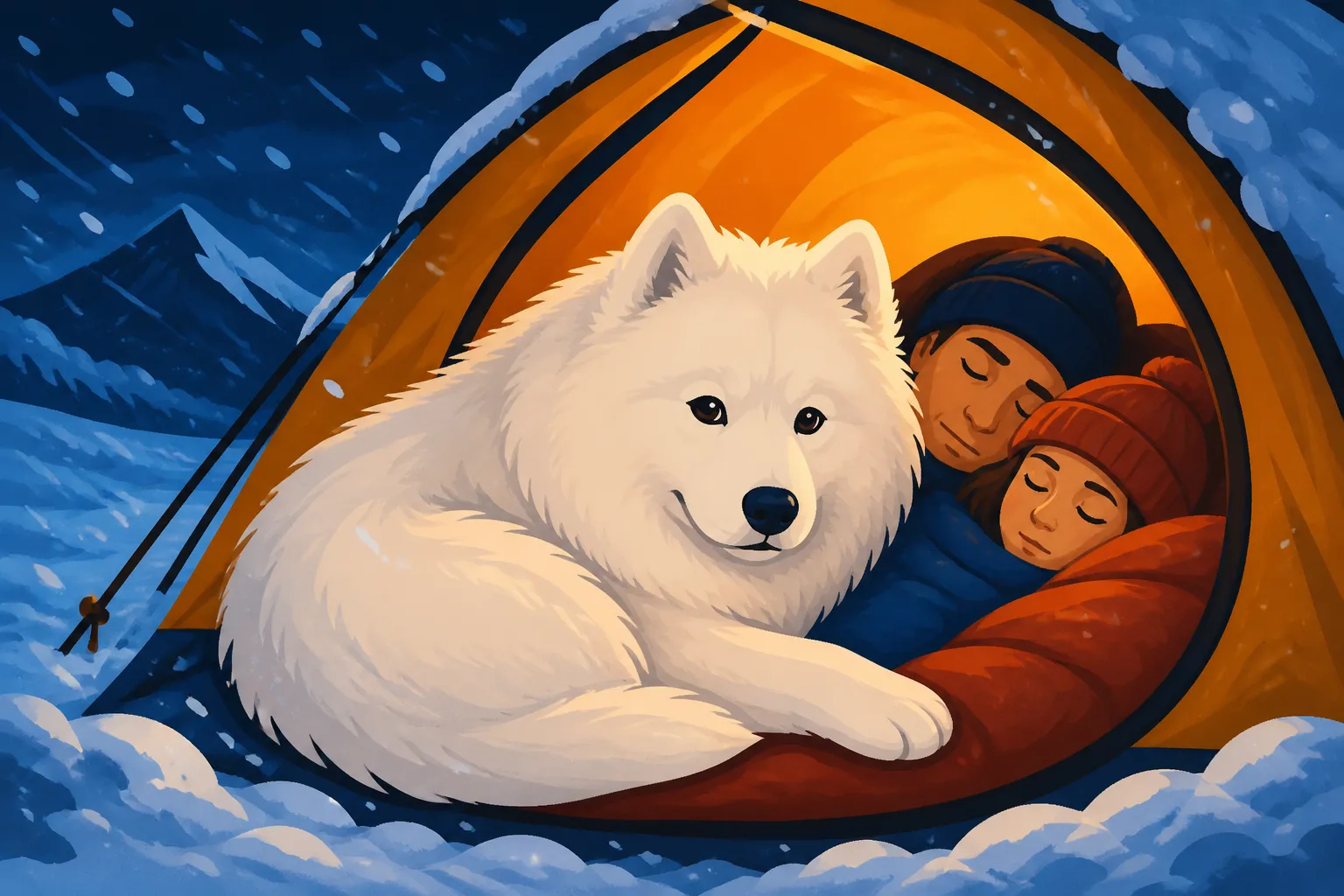
The Samoyed Slept in the Tent to Keep People Alive
There’s a common image of the fluffy, smiling Samoyed, trotting along, perhaps pulling a sled in the snow, or romping in a sun-drenched park. But behind that joyful, sometimes mischievous, exterior lies a history of deep partnership, a bond forged in some of the harshest environments on Earth. For the indigenous people of Siberia, the Samoyed wasn't just a working dog; it was a lifeline, sharing their most intimate spaces to ensure survival through brutal winters. This guide will take you deep into the fascinating history of the Samoyed’s role as a tent companion, exploring why these incredible dogs literally slept beside their human families, keeping them alive night after frigid night.
The Icy Cradle of the Samoyed's Ancestry
To truly understand why the Samoyed became such an indispensable part of human survival, we first need to look at where they came from. This wasn't a place of gentle winters and cozy fires; it was a land of extremes, where life itself was a constant battle against the elements. The Samoyed's ancestral home shaped every fiber of their being, from their thick coat to their unwavering loyalty.
The Yamal Peninsula: A World of Ice and Wind
Imagine a place where the sun barely rises for months, and the wind whips across an endless, frozen tundra, carving ice into razor-sharp shards. That's the Yamal Peninsula, a vast, desolate stretch of land in Northwestern Siberia, jutting into the Arctic Ocean. This is the heartland of the Nenets people, and the true cradle of the Samoyed breed. Temperatures here can plummet to an unimaginable minus sixty degrees Fahrenheit, or even colder. There are no trees for shelter, no stone houses to retreat into; just vast, open expanses of snow and ice. Survival here isn't just about being tough; it's about being ingeniously adapted, and the Samoyed was a key part of that adaptation for humans.
For the nomadic Nenets, life was a continuous migration, following their reindeer herds across this unforgiving landscape. Every aspect of their existence was dictated by the need to stay warm, find food, and protect themselves from the brutal cold. Their homes, called chums or myas, were conical tents made of reindeer skins stretched over wooden poles. These weren't spacious mansions; they were compact, ingenious shelters designed to trap precious heat. Within these structures, every living being played a role in mutual survival, and the Samoyed's contribution was far from insignificant. Where the Samoyed's Yamal Peninsula Is gives you a better picture of this extreme environment.
A Land Where Sixty Below Is a Normal Winter Night
It’s hard for most of us to even fathom what "sixty below" truly feels like. We might picture a chilly morning, or even a heavy snowstorm, but nothing truly prepares you for the deep, penetrating cold of the Arctic. In such conditions, exposed skin can freeze in minutes, and hypothermia is a constant, deadly threat. Fuel for fires, though crucial, was often scarce and precious. The warmth generated by burning wood or animal fat might be enough for cooking and a central heat source, but it certainly wasn't enough to keep every corner of a reindeer-skin tent comfortably warm through the night.
The Nenets, through generations of trial and error, understood that living beings generate heat. Human bodies, warm-blooded animals – all were miniature furnaces in the frozen landscape. Maximizing this natural warmth was a survival imperative. This meant huddling together, and not just with other humans. Their dogs, with their incredible fur coats and robust metabolisms, were literally walking, breathing heaters, perfectly designed to radiate warmth into the cold, still air of a tent. It's a testament to their resilience and adaptation how a Samoyed can survive in temperatures like How a Samoyed Survives Sixty Below.
The Nenets: A Nomadic People and Their Indispensable Dogs
The story of the Samoyed is inextricably linked with the Nenets people. Their lives, their culture, their very survival were woven together with these magnificent dogs. It wasn't just a master-pet relationship; it was a partnership of equals, a symbiotic bond that allowed both species to thrive in a world that sought to eliminate anything less than perfectly adapted.
Who the Nenets Are and Their Way of Life
The Nenets are an indigenous Finno-Ugric people who have inhabited the Arctic regions of Russia for thousands of years. They are traditionally nomadic reindeer herders, following vast herds across the tundra in an annual cycle of migration. Their entire existence revolves around the reindeer: it provides food, clothing, shelter (the chum tents), and transportation. They are a people of incredible resilience, deeply connected to the land and its rhythms. Who the Nenets Who Bred the Samoyed Are provides more context on this remarkable culture.
Their nomadic lifestyle meant that everything had to be portable and efficient. Large, permanent structures were impossible. Their chums were designed to be erected and dismantled quickly, allowing them to move with their herds. Within these temporary homes, space was at a premium, and every animal, including their dogs, needed to contribute to the collective well-being. The Samoyed's gentle, trustworthy nature, combined with its physical adaptations, made it the perfect living blanket, an active, alert guardian, and a cherished member of the family unit.
The Practicalities of Sharing a Tent
Imagine a family of several people, perhaps children, and a few dogs, all huddled together inside a single tent during an Arctic night. This wasn't just about being close; it was about generating and conserving every last bit of body heat. The dogs, with their dense double coats, radiated warmth that helped to raise the ambient temperature of the tent, making it more bearable for everyone inside. It was a communal effort against the cold.
Beyond the sheer warmth, there were other practical advantages. The dogs acted as an early warning system. If a polar bear, a wolf, or any other predator approached the camp, the dogs would stir, growl, or vocalize, alerting the human family. This was vital protection in a world where danger could come silently out of the blizzard. Their presence was also a deterrent in itself, a living barrier against intruders. This profound integration into human daily life, even in the most vulnerable moments of sleep, fostered an unparalleled bond of trust and interdependence.
More Than Just Warmth: The Samoyed's Multifaceted Role
While providing warmth was a critical function, the Samoyed's role in the chum extended far beyond simply being a furry hot water bottle. They were companions, protectors, and vital members of the family unit, contributing to the well-being of the Nenets in numerous ways that are often overlooked.
A Living Alarm System
In the vast, silent expanse of the Arctic, any unusual sound could spell danger. Whether it was the crunch of snow under the paws of a wandering predator like a wolf or a bear, or the stealthy approach of rival groups, the Nenets needed to be constantly vigilant. Human senses, dulled by sleep and the insulating walls of a tent, couldn't always detect these threats. That's where the Samoyed came in. With their keen hearing and sharp sense of smell, they were the ultimate early warning system.
Imagine the wind howling outside, masking most sounds. But a Samoyed, even in sleep, would twitch an ear, lift its head, or emit a low growl at the slightest disturbance. This subtle warning would rouse the family, giving them precious time to prepare, to grab their weapons, or to gather their children. Their presence meant a safer night's sleep, knowing that their vigilant companions were listening even when they couldn't. This role fostered a deep sense of security and trust between dog and human, a bond that transcended mere utility.
Emotional Support and Companionship
Life on the frozen tundra was incredibly harsh, filled with constant challenges, physical exertion, and often, loneliness. The psychological toll of living in such an unforgiving environment could be immense. Here, the Samoyed's renowned cheerful disposition and affectionate nature became another invaluable resource. Their presence offered comfort, a warm body to lean against, and a wagging tail to greet you after a long, difficult day.
For children, especially, the Samoyed was a gentle playmate and a constant guardian. Whether a Samoyed Is Safe With Children is an important consideration even today. In a world where emotional support was often unspoken, the silent companionship of a loyal dog provided immense comfort. They absorbed the stresses of daily life, offered unconditional love, and helped to maintain morale in the face of adversity. This emotional connection was just as vital for survival as physical warmth, helping the Nenets to endure the isolation and hardship of their nomadic existence. The Samoyed's instinct to always be near its humans, wanting to be in the same room, is a direct echo of this ancient need for companionship and mutual reassurance. Why a Samoyed Wants to Be in the Room With You explores this further.
Guardians of the Flock and Family
While the primary role of the Samoyed was often herding reindeer during the day and pulling sleds, their presence within the chum also extended their guardianship to the sleeping family. It wasn't just about alerting to danger; it was about being a protective presence, a deterrent against both animal and human threats.
Their size and barking—or rather, their distinctive "Samoyed scream"—could be intimidating to potential intruders. The Samoyed Scream and Why It Is Not Barking delves into their unique vocalizations. A family sleeping with their dogs close by was less vulnerable than one without such vigilant protectors. In a world without fences or locks, the Samoyed served as a crucial layer of security, safeguarding the most precious resources: the humans themselves. This deep integration into the family's personal space underscores the complete trust and reliance the Nenets placed in their dogs.
Samoyed Adaptations: Built for the Arctic Bedroom
The Samoyed isn't just a pretty face with a fluffy coat; every aspect of their physiology is a masterpiece of adaptation to extreme cold. These adaptations were not just for surviving in the Arctic, but specifically for thriving with humans in close quarters, making them perfect tent-mates.
The Marvel of the Double Coat
When we think of a Samoyed, the first thing that often comes to mind is their magnificent, cloud-like coat. This isn't just for show; it's a critical survival mechanism, a testament to thousands of years of natural selection in the frozen north. The Samoyed's coat is a true double coat, consisting of two distinct layers, each with its own vital function.
The outer layer is made of long, coarse guard hairs. These hairs are straight and stand out from the body, preventing snow and ice from clinging to the coat. They're also water-repellent, shedding moisture rather than absorbing it. This outer layer acts like a natural windbreaker and a shield against the elements. The inner layer, however, is the true secret weapon: a dense, woolly undercoat that is incredibly soft and thick. This undercoat is what provides the primary insulation, trapping a layer of warm air close to the dog's body, preventing heat loss. It's so efficient that it can keep the dog warm even in unimaginable sub-zero temperatures. What a Samoyed's Double Coat Is Made Of explains the mechanics of this incredible feature. This very same insulating property, designed to keep the dog warm, also meant they radiated a consistent, gentle heat into the tent, benefiting their human companions.
A Smile That Prevents Icicles
The Samoyed's signature "smile" isn't just an endearing facial expression; it's another brilliant adaptation to the Arctic environment. This upward curl of the lips, often revealing a hint of pink tongue, actually serves a vital purpose in extremely cold temperatures.
In other breeds, particularly those with looser lips or pendulous jowls, moisture from saliva or condensation can collect around the mouth. In sub-zero temperatures, this moisture would quickly freeze, leading to painful ice buildup, frostbite, and potentially even tearing of the skin. The Samoyed's upturned mouth, however, naturally prevents drool from escaping and forming icicles around their muzzle. This simple yet effective anatomical feature keeps their face dry and protected from the brutal cold, ensuring comfort and preventing injury. It's a testament to how every detail of the Samoyed's anatomy is finely tuned for survival in their native habitat, right down to their joyful expression. Why the Samoyed Smiles gives you more detail on this charming feature.
Odor-Free Living
One often-overlooked but crucial adaptation for a dog meant to share human living space is their natural cleanliness and lack of strong "doggy" odor. Imagine sharing a small, enclosed tent for weeks or months on end with a dog that had a potent smell. It would quickly become unbearable. Fortunately, the Samoyed's coat and skin produce very little dander and natural oils compared to many other breeds, which significantly reduces their natural scent.
This low odor profile made them ideal companions for close-quarters living. The Nenets didn't have the luxury of frequent bathing, especially in the depths of winter. A dog that naturally stayed clean and didn't emit a strong smell was a huge advantage, contributing to a more pleasant and hygienic shared environment. This characteristic, combined with their incredible warmth, truly made them the perfect housemates for survival. It's why many Samoyed owners today often marvel at how little their dogs actually smell, even when wet. Why a Samoyed Barely Smells at All explores this fascinating trait further.
The Temperament of a Tent-Mate: Built for Close Bonds
Physical adaptations are one thing, but a dog's temperament is equally, if not more, important when it comes to living in such close proximity with humans, especially when survival depends on mutual trust and cooperation. The Samoyed's personality is perfectly suited for this intimate partnership, embodying a gentle nature, high intelligence, and an unwavering desire to be part of the family.
Gentle Giants Among Children
The Nenets lived with their entire families, including young children, in their chums. It was essential that their dogs were not only tolerant but genuinely gentle with the youngest and most vulnerable members of the family. The Samoyed's reputation for being incredibly good with children isn't a modern development; it's a trait that has been selectively bred and cherished for millennia.
These dogs were often tasked with guarding children left alone in the tent while adults tended to the reindeer herds. Their calm, patient demeanor, combined with a natural protective instinct, made them ideal nannies. They would play gently, allow children to climb on them for warmth, and alert adults if a child wandered too far or encountered danger. This deep-seated gentleness is a hallmark of the breed and a direct result of their historical role as constant companions and protectors within the family tent. A Samoyed With Children and Other Animals delves into their family-friendly nature.
The Desire to Be Part of the Pack
A Samoyed truly thrives when it feels like a fully integrated member of its human family, its "pack." This isn't just about wanting attention; it's a hardwired instinct born from generations of living in close, cooperative units with humans. In the chum, there was no "dog house" or separate kennel; the dogs were right there, sharing the warmth, the food, and the life of the family.
This deep desire for inclusion manifests today as the Samoyed's tendency to follow you from room to room, to insist on being near you, and to generally want to be involved in whatever the family is doing. They are not dogs content to be left alone for long periods, which is something modern owners often grapple with. This constant companionship was crucial for the Nenets, fostering a strong bond of mutual reliance and reinforcing the dog's role as a valued, essential member of the family unit. This trait is why Samoyeds are so prone to separation anxiety if not properly trained and exercised.
Intelligent and Trustworthy
Living in such a demanding environment required dogs that were not only physically capable but also intelligent and trustworthy. The Samoyed's intelligence allowed them to understand complex tasks, respond to subtle cues, and make sound decisions in challenging situations, whether it was herding reindeer or navigating a blizzard.
Furthermore, their trustworthiness was paramount. Sharing such close quarters, especially through sleep, demanded absolute reliability. The Nenets had to know that their dogs would never pose a threat to them or their children, and that they would always act in the family's best interest. This combination of intelligence and unwavering loyalty formed the bedrock of the unique human-Samoyed partnership, allowing them to cooperate and survive where others might have perished. This inherent trustworthiness is still a celebrated trait in the breed today, making them wonderful, albeit sometimes stubborn, companions. Training a Samoyed That Finds Obedience Negotiable touches on this playful intelligence.
Echoes in the Modern Samoyed: Inherited Traits
Even though most modern Samoyeds live in comfortable homes, far from the frozen tundra, the ancient legacy of sleeping in the chum still profoundly shapes their behavior and needs today. Understanding this history helps us to be better Samoyed owners, providing them with the environment and companionship they instinctively crave.
The Need for Proximity and Inclusion
If you own a Samoyed, you've likely experienced the "Sammy shadow" – that furry presence that follows you from the kitchen to the bathroom to the bedroom. This isn't just clinginess; it's a deeply ingrained instinct to be where their people are. For generations, their survival, and the survival of their humans, depended on this constant proximity. They learned that being close to the family meant safety, warmth, and belonging.
This means that a modern Samoyed will thrive in a home where they are truly integrated into family life. They want to be in the same room, share the couch, and often, share the bed. They are not dogs that do well when isolated in a yard or left alone for extended periods. Their happiness is directly tied to their sense of being an active, beloved member of the household. Ignoring this fundamental need can lead to behavioral issues and an unhappy dog. The Household a Samoyed Was Built For really emphasizes this point.
The Gentle Nature Towards Family
The Samoyed's well-deserved reputation as a gentle family dog, especially with children, is a direct inheritance from their tent-dwelling ancestors. Those who shared the warmth of the chum with human babies and toddlers had to be inherently patient and protective. This trait has been carefully preserved and celebrated within the breed for centuries.
Today, this means Samoyeds are generally known for their calm and tolerant demeanor with kids, often forming deep bonds with them. Of course, proper socialization and supervision are always necessary with any dog and child, but the Samoyed's natural inclination towards gentleness makes them exceptionally suitable family pets. This isn't to say they are pushovers; they are still northern dogs with strong wills, but their core nature is one of benevolence towards their human family.
An Innate Sense of Alertness
While they may not be guarding against polar bears in suburban homes, the Samoyed's historical role as a living alarm system still manifests as an innate alertness. They are often quick to notice things out of the ordinary, whether it's a squirrel in the yard, a car pulling up, or a strange noise down the street. Their vocalizations, often distinct from a typical bark, are their way of communicating these observations.
This can be both a blessing and a challenge for modern owners. It means they are attentive and aware, but it can also mean they are prone to being quite vocal if not properly trained. Understanding that this isn't just "nuisance barking" but an echo of a vital survival mechanism can help owners approach training with more empathy and focus. They are communicating what they perceive, just as their ancestors communicated threats to the Nenets in the depths of an Arctic night.
A Need for Connection, Not Just Convenience
When we choose a Samoyed, we're not just getting a beautiful, fluffy dog; we're inviting a piece of Arctic history into our home. We're welcoming a companion whose ancestors literally kept people alive through their warmth, their vigilance, and their unwavering loyalty. This historical context provides profound insight into their needs.
They need more than just food and shelter; they need connection, purpose, and to feel like an integral part of the family unit. They are dogs that thrive on interaction, shared experiences, and feeling truly loved. Providing this deep level of companionship is not just about spoiling them; it's about fulfilling their ancient, genetic programming to be a partner in life, much like they were for the Nenets in their chums. Consider this when planning for their long lifespan. The Twelve to Fourteen Years a Samoyed Lives is a significant commitment.
Comparing Northern Breeds: The Samoyed's Unique Tent Dwelling Trait
When we look at other northern breeds, many were bred for similar harsh climates and working roles. Huskies, Malamutes, and other spitz-type dogs share common traits, but the Samoyed's specific history of living inside human dwellings sets them apart in subtle yet significant ways.
Samoyed vs. Husky vs. Malamute in the Tent
While Siberian Huskies and Alaskan Malamutes also hail from the frozen North and possess incredible endurance and cold tolerance, their traditional roles often differed from the Samoyed's intimate cohabitation. Huskies were often kept in large teams, housed outside or in communal shelters designed for working dogs, valued for their speed and stamina. Malamutes, while also cherished, were formidable freight-haulers and powerful hunters, their independence often emphasized. Their role was primarily outside the human living space.
The Samoyed, on the other hand, was bred for an explicit dual purpose: herding reindeer and pulling sleds during the day, and then coming into the family tent at night. This direct, continuous presence within the human dwelling fostered a unique temperament. The table below highlights some key distinctions in their traditional housing roles:
| Breed | Primary Nighttime Location (Traditional) | Key Traits Fostered by Housing | Modern Temperament Echoes |
|---|---|---|---|
| Samoyed | Inside human chum (tent) | Affectionate, gentle, low odor | Strong family bond, desire for proximity, good with children |
| Siberian Husky | Outside, often in communal dog shelters | Independent, pack-oriented | Can be more aloof, enjoys canine company, needs space to run |
| Alaskan Malamute | Outside, often tethered near camp | Strong-willed, powerful, bold | Independent, needs firm leadership, thrives on outdoor work |
This historical distinction helps explain why a Samoyed often feels a stronger, more immediate need for human companionship and shared space than some of its northern cousins. While all these breeds are social, the Samoyed's brand of social interaction is particularly oriented towards intimacy with their human family. The Samoyed Against the Husky and the Malamute delves into broader comparisons between these magnificent breeds.
The Long-Term Impact on the Breed's Essence
This deep history of tent-dwelling isn't just a fun fact; it's fundamental to the Samoyed's very essence. It explains their unwavering loyalty, their gentle nature, their perpetual "smile," and their instinct to be constantly near their people. It's why they often suffer from separation anxiety if left alone for too long, and why they thrive on being included in every aspect of family life.
When we invite a Samoyed into our homes, we are not just getting a pet; we are welcoming a historical partner, a living link to a time when dogs were truly indispensable for human survival. It's a profound responsibility, but also an incredible privilege to share our lives with a breed so intrinsically tied to the warmth, protection, and companionship of the human family. Recognizing this unique history allows us to provide the best possible life for these magnificent "smiling" dogs. Even their low odor, which makes them pleasant indoor companions, is a direct adaptation to this ancient living arrangement. You won't find many dog breeds whose comfort level with shared, intimate space is so deeply ingrained. What a Samoyed Actually Weighs is another good read.
Caring for Your Modern-Day Tent Companion
Understanding the Samoyed's history as a tent dweller offers invaluable insights into providing the best possible care for them in a modern home. Their fundamental needs for companionship, warmth (though now from comfortable homes, not just body heat), and a sense of belonging are still very much alive.
Providing the Right Kind of Comfort
While your Samoyed no longer needs to generate body heat to prevent you from freezing, they still crave comfort and a sense of security. This means a comfortable bed, ideally one that allows them to stretch out, and a spot near the family. Many Samoyeds will gravitate towards sleeping in the same room as their owners, or even on the bed, echoing their ancestral practice of sharing the sleeping space. This isn't just about being spoiled; it's about fulfilling a deeply ingrained need for proximity and safety.
Ensure they have access to cool spots in the house, especially if you live in a warmer climate, as their incredible coat is still designed for freezing temperatures. A durable cooling mat or simply a tiled floor can be a lifesaver for them. But even in the heat, their desire to be near you will often override their discomfort if you're in a warm room. It’s a constant balance between respecting their need for proximity and ensuring their physical comfort.
Training and Socialization Rooted in Partnership
Because Samoyeds were partners in survival, they respond best to training methods that are based on positive reinforcement, mutual respect, and clear communication. They are intelligent dogs, but they are also independent thinkers, not automatons. They were never mere servants; they were collaborators. This means harsh, punitive methods are unlikely to work and can damage the deep trust that is so central to their nature.
Early and ongoing socialization is also crucial. Exposure to various people, places, and other animals helps to build a confident, well-adjusted Samoyed, reinforcing their inherent friendliness and preventing fear-based reactions. This taps into their historical role as adaptable companions who encountered many different situations alongside their nomadic families. The First Year With a Samoyed Puppy is an excellent resource for establishing this foundation.
Grooming: A Nod to Their Insulating Past
The Samoyed's spectacular coat, so essential for survival in the Arctic tent, requires significant care in a modern home. Regular brushing is not just about keeping them looking good; it's vital for their health and comfort. Their dense undercoat can easily mat, leading to skin irritation and discomfort. Regular grooming, especially during their twice-yearly "coat blow," helps manage shedding and keeps their skin and coat healthy.
Remember that their coat is insulation – both from cold and heat. Never shave a Samoyed, as this can damage their unique double coat, impairing its ability to regulate temperature and leaving them vulnerable to sunburn and skin issues. Tools like a high-velocity force dryer, available at local pet stores or online at places like Chewy, can be a game-changer for drying them completely after baths and blasting out shedding undercoat. Investing in quality grooming tools from reputable brands will save you headaches in the long run. A Samoyed's Coat Is Insulation, Not Decoration is a must-read for any Samoyed owner.
Disclaimer
This article is for general informational purposes only and does not constitute professional advice. Laws, prices and regulations vary by location and change over time. Consult a qualified professional for guidance on your specific situation.