Whether a Samoyed Can Have a Kidney Transplant
When you're facing the devastating news that your beloved Samoyed is in advanced kidney failure, especially if it's the specific kind that affects our beautiful boys, Samoyed Hereditary Glomerulopathy, your mind naturally races for any glimmer of hope, any possible way to save them. The thought of a kidney transplant often comes up, a heroic measure that seems to promise a second chance at life. This guide will delve into the reality of kidney transplants for Samoyeds, outlining the complexities, costs, and ethical considerations, and exploring more common and realistic paths for managing kidney disease in our furry friends.
The Harsh Reality of Canine Kidney Transplants
It’s completely understandable to grasp at any possibility when your Samoyed is facing a life-threatening illness. We see organ transplants routinely performed in humans, offering renewed life, and it's natural to wonder if the same advanced medical intervention is available for our dogs. However, the landscape of organ transplantation in veterinary medicine, especially for kidney failure, is vastly different and significantly more challenging than what we often perceive for people.
The Rarity and Complexity of the Procedure
To put it plainly, kidney transplantation for dogs is an incredibly rare procedure, performed at only a very select handful of university veterinary teaching hospitals or highly specialized private practices across North America and globally. It's not something your local veterinary clinic, or even most specialty clinics, would offer. The reasons for this rarity are multifaceted, extending from the highly complex surgical techniques required to the intensive post-operative care, and perhaps most significantly, the profound ethical considerations surrounding donor animals.
Unlike human medicine, where organ donation often comes from deceased individuals or willing living relatives, the question of a donor dog for a canine recipient is fraught with moral difficulty. Typically, a healthy, compatible dog would be required to donate one of its kidneys. This immediately raises questions about the welfare of the donor animal, which undergoes major surgery and faces potential risks without receiving any direct benefit from the procedure itself. Furthermore, the success rates, while improving, are not a guaranteed cure, and the extensive resources required—both financial and medical—limit its accessibility to a tiny fraction of dog owners.
The Ethical Dilemma of Donor Dogs
One of the most significant and often heartbreaking aspects of canine kidney transplantation is the need for a live donor. For a Samoyed to receive a new kidney, another dog, usually a healthy, young, and unrelated canine, must be found and screened as a compatible donor. This donor dog would then undergo a major surgical procedure to remove one of its healthy kidneys. The remaining kidney is usually sufficient for the donor dog to lead a normal life, but it still means subjecting an animal to an elective, invasive surgery solely for the benefit of another.
This practice sparks intense ethical debates within the veterinary community and among animal welfare advocates. Many find it morally objectionable to put a healthy animal at risk for an elective procedure for another. Some programs insist that the donor dog be adopted by the recipient family after the surgery, to ensure it receives a loving home, but this doesn't fully resolve the initial ethical concern of using an animal for this purpose. These ethical hurdles contribute greatly to why kidney transplants remain an extremely limited and controversial option for our beloved Samoyeds and other dogs.
Understanding Canine Kidney Failure in Samoyeds
While kidney transplants might be largely out of reach, understanding why kidney disease is such a concern for Samoyeds is crucial. Our breed has a well-documented genetic predisposition to a particular type of kidney failure that can be devastating, especially in males.
The Impact of Samoyed Hereditary Glomerulopathy
Samoyed Hereditary Glomerulopathy (SHG) is a particularly cruel form of kidney disease that predominantly affects male Samoyeds, often before they even reach two years of age. It's an X-linked inherited disorder, meaning males with the gene are severely affected, while carrier females usually only develop milder, late-onset kidney issues, if any. This condition targets the tiny filters within the kidneys, called glomeruli, causing them to leak protein into the urine and progressively fail. If you're looking for more detailed information on this, you might find "The Kidney Disease That Kills Samoyed Males Before Fifteen Months" to be a very sobering, yet important, read.
The progression of SHG can be alarmingly fast in affected males. What starts as subtle protein loss in the urine can rapidly advance to full-blown kidney failure, marked by symptoms like increased thirst and urination, lethargy, loss of appetite, and weight loss. It's a truly heartbreaking diagnosis because these are typically vibrant, playful puppies whose lives are cut tragically short. This specific genetic component makes the conversation around advanced treatments like transplants particularly poignant for Samoyed owners, as the disease feels so unfair and unavoidable without proper testing. Breeders have a vital role in preventing this, and understanding "The COL4A5 Test Every Samoyed Buyer Should Ask About" is paramount for any prospective Samoyed owner.
When Kidney Function Declines
Regardless of whether it's SHG or another cause of chronic kidney disease (CKD), the signs of declining kidney function are similar. The kidneys are remarkable organs, capable of compensating for a significant loss of function before clinical signs become obvious. This means that by the time you notice your Samoyed is drinking a lot more water or having accidents in the house, a substantial portion of kidney function may already be lost. Early detection is often through routine veterinary screenings, particularly urine tests that look for protein loss, which can be an early indicator.
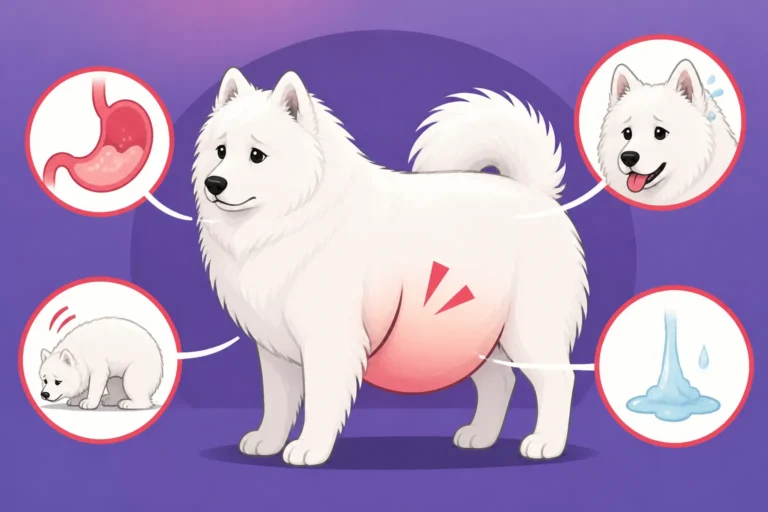
As the disease progresses, toxins that the kidneys normally filter out build up in the bloodstream. This leads to a range of symptoms: nausea, vomiting, decreased appetite, weight loss, and a general malaise. Your Samoyed might seem less energetic, their beautiful white coat might lose its luster, and their breath could develop an ammonia-like odor. It's a slow, insidious process that wears down both the dog and their devoted owner. Understanding "What Samoyed Hereditary Glomerulopathy Does to the Kidneys" helps to illustrate the specific mechanism of damage in our breed, but the end-stage symptoms remain much the same regardless of the underlying cause.
The Practical Hurdles of a Samoyed Kidney Transplant
Beyond the ethical issues, there are immense practical obstacles that make kidney transplantation for a Samoyed an option available to only a minuscule number of owners, if at all. The logistics are daunting, and the commitment required is truly life-altering.
Exorbitant Costs and Limited Access
Let's not mince words: a kidney transplant for a dog is astronomically expensive. The initial surgery itself, which involves a large team of specialists (surgeons, anesthesiologists, internal medicine specialists), can easily run into the tens of thousands of dollars, often starting at $20,000 to $30,000, and potentially much higher depending on complications and location. And that's just the beginning. The post-operative care, which involves lengthy hospital stays, intensive monitoring, and a lifetime of specialized medications to prevent rejection, adds substantially to the total. This can quickly reach well over $50,000 in the first year alone.
For most families, these costs are simply insurmountable, even with the deepest love for their Samoyed. This is where pet insurance, like plans offered by Healthy Paws, might offer some relief for unexpected illnesses, but it's critical to understand that many policies have exclusions for pre-existing conditions or very specific limits on such advanced procedures. It is paramount to check your policy's fine print. Given the limited number of facilities performing these procedures, geographical access is also a huge barrier. You might need to travel across the country, or even out of country, to find a veterinary hospital capable of performing such a transplant, adding travel and accommodation costs to an already staggering bill. This financial strain is a grim reality for many who wish they could offer their beloved Samoyed every possible chance. For a broader look at the financial aspects of care for specific Samoyed health issues, you may want to consult "What Treating an Affected Samoyed Male Costs Before He Dies."
Intensive Post-Operative Care and Lifelong Medications
Even if an owner somehow manages to clear the initial financial and ethical hurdles, the journey post-transplant is far from over. It's not a magical fix that instantly restores your Samoyed to perfect health. The recovery period is incredibly intensive, requiring constant vigilance and a high level of medical commitment. Your Samoyed would need to remain hospitalized for an extended period, sometimes weeks, to be closely monitored for signs of rejection, infection, or other complications.
Once home, the commitment continues for the rest of their life. Your Samoyed would need to be on immunosuppressant drugs every single day to prevent their body from rejecting the new kidney. These medications are not only expensive but also come with their own set of potential side effects, including increased susceptibility to infections, gastrointestinal upset, and even certain types of cancer. Regular, frequent veterinary visits, blood tests, and urine analyses would become a permanent part of your routine to monitor kidney function, medication levels, and overall health. This demands a massive dedication of time, energy, and continued financial resources, far beyond what most pet owners can realistically sustain.
Here's a quick overview of key differences between human and canine kidney transplants:
| Feature | Human Kidney Transplant | Canine Kidney Transplant |
|---|---|---|
| Availability | Widely available in specialized centers globally. | Extremely rare, performed at a very few specialized vet schools. |
| Donor Source | Deceased donors (cadaveric), living relatives, altruistic donors. | Almost exclusively living, healthy, compatible dogs. |
| Ethical Concerns | Primarily consent, equitable distribution, organ trafficking. | Significant concerns regarding the welfare and consent of the healthy donor dog. |
| Cost | High, but often covered by insurance/healthcare systems. | Exorbitantly high (tens of thousands of dollars for surgery alone), often self-funded. |
| Post-Op Care | Intensive hospitalization, lifelong immunosuppression, close monitoring. | Highly intensive hospitalization, lifelong immunosuppression, frequent vet visits. |
| Success Rates | High, often leading to many years of improved life quality. | Variable, generally lower than humans, with significant risk of complications. |
| Primary Goal | Extend life, improve quality of life. | Extend life, but quality of life can be compromised by side effects of medication. |
Exploring Alternative and Realistic Care for Kidney Disease
Given the immense challenges associated with kidney transplantation, the vast majority of Samoyed owners facing kidney disease will focus on managing the condition and supporting their dog's quality of life through more conventional, yet still advanced, veterinary care. This approach, while not a cure, can significantly extend and improve the lives of many Samoyeds.
Managing Kidney Disease Progression
The cornerstone of managing canine kidney disease involves a multi-pronged approach aimed at slowing the progression of the disease and alleviating symptoms. Dietary modification is often the first and most crucial step. Veterinary prescription renal diets are specially formulated with controlled levels of protein, phosphorus, and sodium, while often being enriched with omega-3 fatty acids and B vitamins. These diets help reduce the workload on the kidneys, minimize the buildup of toxins, and manage phosphorus levels, which can become problematic in kidney failure. You might find "Whether a Renal Diet Extends an Affected Samoyed's Life" to be particularly informative as you navigate these dietary changes.
Beyond diet, your veterinarian may prescribe various medications. ACE inhibitors, for example, can help reduce protein loss in the urine, a common and damaging aspect of kidney disease in Samoyeds. Drugs to bind phosphorus, manage high blood pressure, or alleviate nausea are also commonly used. Fluid therapy, either administered subcutaneously at home or intravenously at the clinic, can help keep your Samoyed hydrated and flush out toxins, especially during periods of dehydration or crisis. Regular check-ups, including bloodwork and urine tests, are essential to monitor progression and adjust treatment plans as needed. This ongoing management is vital for extending your Samoyed's comfortable lifespan, as discussed in "Whether an Affected Samoyed Can Be Treated."
Quality of Life Considerations
While medical management focuses on the disease itself, equally important is maintaining your Samoyed's overall comfort and happiness. This means being acutely aware of their daily well-being, energy levels, appetite, and interactions. Providing a warm, comfortable resting spot, ensuring easy access to fresh water, and continuing gentle exercise as tolerated are all part of compassionate care. Our Samoyeds are stoic creatures, often hiding discomfort behind their famous "Sammy smile," so paying close attention to subtle changes is paramount. "How a Samoyed Hides Illness Behind a Smile" is an excellent resource for learning to read these subtle cues.
Ultimately, there comes a point for any beloved pet with a progressive illness where quality of life becomes the primary focus over extending life at all costs. This is often the hardest decision an owner faces. When treatments are no longer improving comfort, or when negative side effects outweigh any benefits, it might be time to consider palliative care or making the difficult decision to say goodbye. This deeply personal choice should be made in consultation with your veterinarian, who can help you assess your Samoyed's current condition and forecast their future comfort levels. Resources like "Caring for a Samoyed Past Nine" offer insights into the needs of aging dogs and can provide guidance, even if your Samoyed isn't a senior, on prioritizing comfort and well-being.
Disclaimer
This article is intended for informational purposes only and does not constitute veterinary advice. Always consult with a qualified veterinarian for any health concerns or before making any decisions about your Samoyed's care.