Knowing When an Old Samoyed Has Had Enough
There comes a heart-wrenching time in every Samoyed owner's life when we must face the reality that our beloved cloud-dog is growing old. It’s an agonizing process, watching their joyful spirit slowly dim, their boundless energy wane, and their familiar antics become less frequent. The real challenge isn't just seeing the signs of age, but deciphering the subtle messages our stoic companions send, trying to understand when their good days are truly outnumbered, and when continuing to push for "more time" might actually be causing them more suffering than comfort. This guide is about navigating that incredibly painful journey, offering insight into recognizing the nuanced cues an aging Samoyed gives, and helping you make the most compassionate decision for your cherished family member.
Recognizing Subtle Changes in an Aging Samoyed
Samoyeds are incredibly resilient and often masters at hiding discomfort, a trait rooted in their survival instincts from their ancestral Arctic homeland. This can make the process of determining their quality of life particularly challenging. You might find yourself constantly questioning whether what you're seeing is just "old age" or something more significant. It's crucial to become a diligent observer, noting even the smallest deviations from their normal behavior and physical state.
Physical Signs of Decline
As our Samoyeds age, their bodies naturally start to wear down, just like ours. These physical changes aren't always dramatic; sometimes they are so gradual you might not notice them until they become pronounced. Keeping a journal or simply making mental notes can be incredibly helpful for tracking these shifts over time.
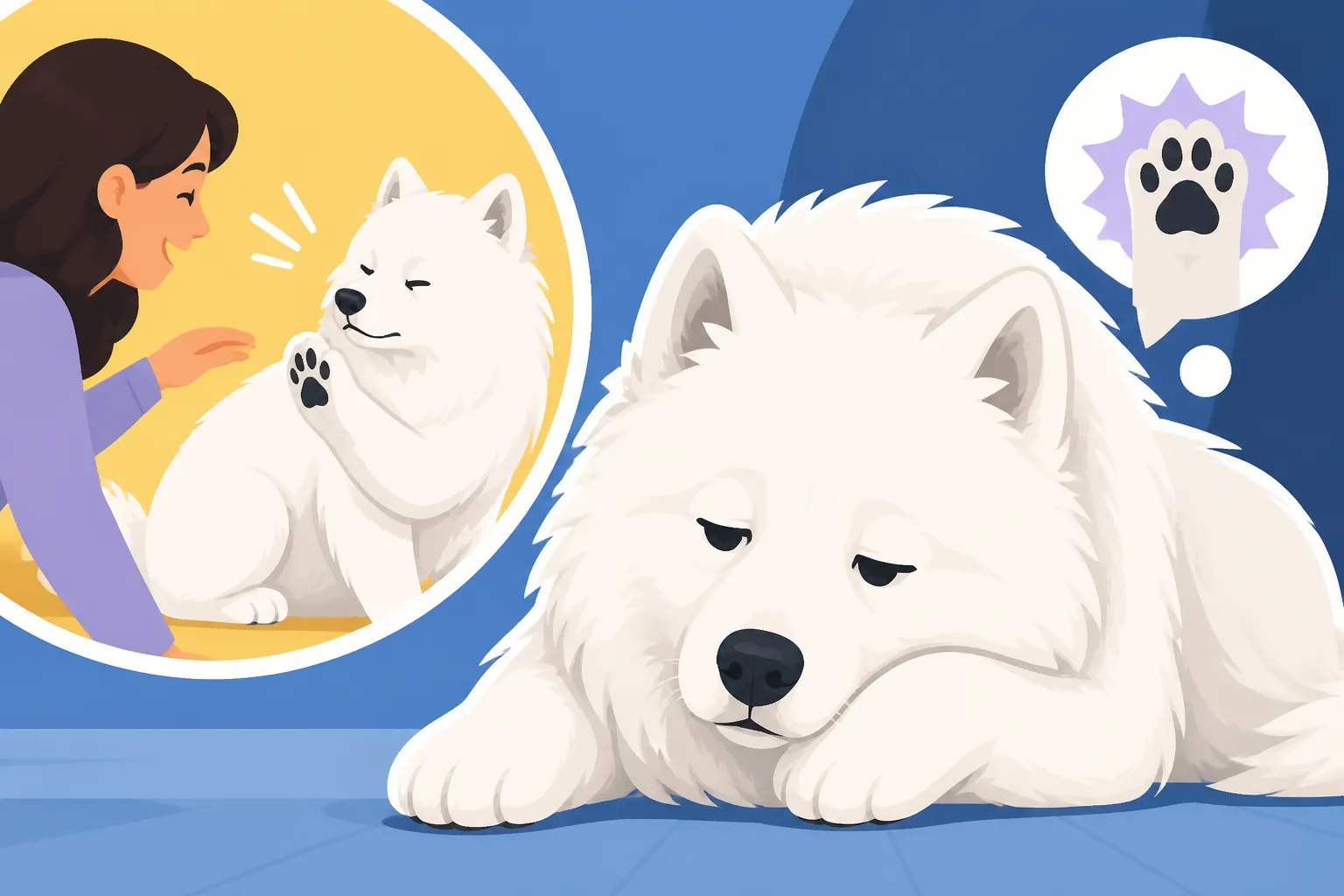
One of the most common issues for an older Samoyed is a decline in mobility. You might notice they struggle to get up after lying down, take longer to navigate stairs, or hesitate before jumping into the car or onto their favorite spot on the couch. This often points to conditions like arthritis in an older Samoyed, which can cause significant pain. A once-eager morning walk might become a slow, meandering stroll, or they might simply refuse to walk as far as they used to. Their gait might change, becoming stiffer or favoring certain limbs. You might also notice muscle atrophy, especially in their hind legs, which makes them appear thinner despite no change in diet. These subtle limps or signs of stiffness are often a key indicator that your dog is hurting, even if they don't cry out, because a Samoyed is often reluctant to show pain.
Changes in appetite and weight are also significant markers. Some older Samoyeds might lose interest in food, leading to noticeable weight loss. This could be due to dental pain, decreased sense of smell, or underlying organ issues. Conversely, some senior Samoyeds might gain weight due to reduced activity levels and a slowing metabolism, which can put extra strain on their joints and internal organs. Either extreme warrants investigation with your vet, especially since something like diabetes in a middle aged Samoyed can show up with weight changes and increased thirst. It’s also important to monitor their water intake; excessive thirst could be a sign of kidney issues or diabetes.
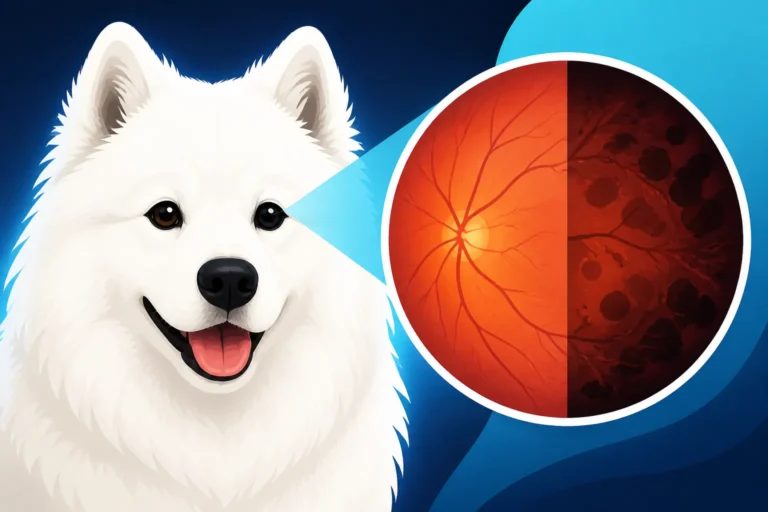
The magnificent Samoyed coat, a hallmark of the breed, can also tell a story about their health. While some dulling or thinning is normal with age, a coat that becomes unusually dry, brittle, or mats more easily could indicate nutritional deficiencies, thyroid issues, or other health problems. Skin elasticity might decrease, and you might notice more skin tags or lumps worth checking on a Samoyed. Their eyes might become cloudy with age, a condition known as lenticular sclerosis, which is often benign, but cataracts can also develop, especially if your Samoyed has underlying conditions like diabetes.
Finally, don't overlook changes in their elimination habits. Accidents in the house, especially overnight, can occur due to weakened bladder control, cognitive dysfunction leading to forgetfulness about house-training, or simply the increased urgency that comes with some age-related diseases. Similarly, changes in stool consistency or frequency should be noted. These issues can be distressing for both you and your dog, and while sometimes manageable with medication or management strategies, they can severely impact a Samoyed's comfort and dignity.
Behavioral and Cognitive Shifts
Beyond the physical, the aging process can deeply affect a Samoyed's mind and emotional state. These changes can be particularly heartbreaking because they touch upon the very personality we've cherished for so long.
One of the most difficult behavioral changes to witness is disorientation or confusion, often referred to as canine cognitive dysfunction (CCD) or "doggy dementia." You might notice your Samoyed getting "stuck" in corners, staring blankly at walls, or seeming lost in familiar surroundings, even in their own home. They might forget house-training rules, struggle to recognize family members, or become less responsive to their name or commands they once knew perfectly. Whether an old Samoyed gets confused is a common concern for owners, and these instances of confusion can be distressing for the dog itself, leading to anxiety and frustration.
A significant indicator of declining quality of life is a loss of interest in activities they once loved. Your Samoyed might no longer greet you at the door with the same enthusiasm, ignore their favorite toys, or decline opportunities for walks or play. If your Samoyed, who once delighted in every outing, now prefers to lie down even when given the chance to go outside, it's a strong sign that their joy is diminishing. This isn't just laziness; it often stems from pain, fatigue, or a general malaise that saps their enjoyment of life.
Aging can also bring about increased anxiety, irritability, or even fear. A previously calm Samoyed might become restless, pace more, or startle easily. They might seek more reassurance or, conversely, become withdrawn and avoid interaction. Some older dogs might snap or growl if approached when sleeping or if touched in a painful area, not out of malice, but from a place of fear or discomfort. This can be especially jarring in a breed known for its gentle, friendly disposition. Such changes require careful observation and patience, as they are often cries for help.
Finally, changes in how your Samoyed interacts with family members or other pets can be telling. A Samoyed who once thrived on being in the room with you may start to prefer solitude. Or, they might become clingier, needing constant proximity. Their interactions with other dogs or cats in the household might shift, with them becoming more tolerant, more irritable, or simply ignoring them altogether. Vocalization changes are also common; a Samoyed might start crying or howling more, especially at night, which can be a sign of pain, confusion, or anxiety. Understanding how a Samoyed hides illness behind a smile makes these subtle behavioral cues even more critical to pick up on.
Assessing Quality of Life: A Holistic Approach
When your Samoyed enters their golden years, it's not enough to just observe individual symptoms. You need to take a step back and look at the whole picture of their existence, focusing on what constitutes a truly good life for them. This means moving beyond just managing symptoms and evaluating their overall well-being.
The Importance of a "Good Day" vs. "Bad Day" Ratio
One of the most effective ways to assess your Samoyed's quality of life is to objectively track their "good days" versus "bad days." This isn't about ignoring the tough moments, but about trying to get a clearer, less emotionally charged perspective on their daily experience.
Start by defining what a "good day" looks like for your Samoyed. Does it involve eating all their meals with enthusiasm? Enjoying a short, pain-free walk? Interacting with the family, even if it's just a soft nudge for a pet? Wagging their tail genuinely? Perhaps having a specific favorite activity, like gently chasing a squirrel in the yard, is a hallmark of a good day. For a Samoyed, a good day might simply mean curling up comfortably in their favorite spot without restless shifting due to pain, or perhaps still showing some spark of their unique personality, like their classic "Samoyed scream" greeting when you return home, even if it's a bit softer.
Then, consider what defines a "bad day." Is it marked by extreme lethargy, refusing food, uncontrollable pain despite medication, significant incontinence, or signs of severe disorientation? For a Samoyed, a bad day might be one where they can't get comfortable, pant excessively when not hot, or show no interest in even their most cherished treats.
Create a simple calendar or a notebook entry each day. At the end of the day, mark it as "good," "neutral," or "bad." Be honest with yourself, even when it hurts. Over a week or two, you'll start to see a pattern. If the bad days begin to outnumber the good ones, or if the "neutral" days are leaning more towards discomfort than peace, it's a strong indicator that their quality of life is significantly diminishing. This objective record can be an invaluable tool when discussing their condition with your veterinarian and processing your own emotions.
| Indicator | Good Day | Neutral Day | Bad Day |
|---|---|---|---|
| Appetite | Eats all meals with enthusiasm | Eats most of a meal, maybe a bit slowly | Refuses food entirely or eats only a tiny amount |
| Hydration | Drinks normally, not excessively | Drinks slightly more or less than usual | Excessive thirst or refusal to drink |
| Mobility | Walks comfortably, manages stairs slowly | Stiff getting up, slower on walks, some hesitation | Struggles to stand, falls, refuses to walk |
| Pain Level | Appears comfortable, no obvious discomfort | Minor stiffness, occasional restless shifting | Constant panting, whining, unable to get comfortable |
| Mood/Interaction | Engages with family, wags tail | Quiet, observes from a distance, mild interest | Withdrawn, irritable, disoriented, fearful |
| Cleanliness | No accidents, maintains hygiene | Occasional small accident, needs more help cleaning | Frequent accidents, unable to control elimination |
| Joy/Interest | Shows interest in toys/walks, bright eyes | Mild interest, brief moments of engagement | No interest in anything, dull eyes, sad expression |
This table serves as a general guide. Remember to tailor it to your Samoyed's unique personality and typical behaviors.
Consulting with Your Veterinarian
Your veterinarian is your most crucial partner in this journey. Regular check-ups are paramount for a senior Samoyed, as catching issues early can sometimes prolong comfortable life. This includes comprehensive physical exams, bloodwork, and urine tests. For instance, whether a Samoyed needs yearly kidney bloodwork is definitely a question to ask your vet, as kidney function can decline with age. X-rays might be recommended to assess the severity of arthritis or other orthopedic issues.
Don't hesitate to openly discuss your observations about your Samoyed's good day/bad day ratio with your vet. They can provide objective medical insights and help interpret physical symptoms you might be missing. They can also offer crucial advice on pain management strategies. This might involve anti-inflammatory medications, joint supplements, or even alternative therapies like acupuncture or laser therapy to improve comfort. A good veterinarian will also discuss options for palliative care, which focuses on providing comfort and support rather than aggressive treatment or a cure. For example, managing a diabetic Samoyed involves careful insulin regulation and diet, but also monitoring their overall happiness and energy levels.
Sometimes, despite all efforts, you might reach a point where your vet suggests that medical interventions are no longer providing a good quality of life. This is perhaps the hardest conversation to have. A compassionate vet will help you understand when further treatments might cause more stress or pain than benefit, and will guide you through the difficult decision-making process with empathy and support. They can discuss the realities of their condition, the prognosis, and what the coming weeks or months might look like, empowering you to make an informed choice focused on your Samoyed's best interest. You can also discuss options for financing care with your vet's office, or explore pet insurance plans like Healthy Paws, which can sometimes help with the costs of extensive senior care, though policies and coverage vary.
Making the Difficult Decision: When "Enough" Is Enough
This is the part no pet owner ever wants to read, let alone experience. It's the ultimate act of love, making the decision to say goodbye, even when every fiber of your being wants to hold on. Understanding that this decision comes from a place of profound love and compassion can sometimes offer a small measure of solace.
The Pain of Anticipatory Grief
The journey of deciding when an old Samoyed has had enough often involves a unique and intense form of grief known as anticipatory grief. You are mourning the loss of your beloved companion while they are still physically present, which can feel incredibly confusing and isolating. You see their decline, you know what's coming, and you feel the weight of the decision to end their suffering resting solely on your shoulders.
This period is filled with "if onlys" and "what ifs." You might question every decision you've made, every medication, every walk, wondering if you could have done more or done something differently. Please know that these feelings are entirely normal. It's a testament to the deep bond you share with your Samoyed. You're not just losing a pet; you're losing a family member, a constant presence, a source of unconditional love and joy that has been woven into the fabric of your daily life, possibly for the twelve to fourteen years a Samoyed lives.
Seek support during this time. Talk to trusted friends, family members, or even your veterinarian. There are also pet loss support groups and hotlines that can provide a safe space to process these complex emotions. Understanding that others have walked this same path, and that your feelings are valid, can be incredibly helpful. It's okay to cry, to feel angry, to feel guilty, and to feel utterly heartbroken. This grief is a reflection of the immense love you hold for your Samoyed.
Prioritizing Comfort and Dignity
Once you've made the agonizing decision, your focus shifts entirely to ensuring your Samoyed's final moments are filled with peace, comfort, and love. This means letting go of the need for more medical interventions that might prolong life but diminish its quality. Sometimes, continuing aggressive treatments only adds stress, trips to the vet, and discomfort to an already fragile animal.
Consider the environment for their last moments. Many owners choose home euthanasia, which allows their Samoyed to pass peacefully in their most familiar and cherished surroundings, surrounded by the people they love. This can significantly reduce stress for the dog and provide a more intimate, private goodbye for the family. Discuss this option with your veterinarian, as many practices offer this compassionate service. If home euthanasia isn't possible, ensure the clinic environment is as calm and quiet as possible.
In their final moments, speak to them, pet them, tell them how much you love them. Let them know they are safe and cherished. This last act of love, releasing them from their pain, is the most profound gift you can give them. It is a selfless decision made out of deep compassion, a final confirmation of your commitment to their well-being, even when it shatters your own heart. Caring for a Samoyed past nine prepares us for this, but nothing truly makes it easy.
No one can tell you exactly when the right time is; it’s a deeply personal decision unique to every Samoyed and every family. But by observing their physical and behavioral cues, consulting with your vet, and honestly assessing their quality of life, you can approach this decision with the confidence that you are acting out of pure, unwavering love for your loyal companion. The love you share with your Samoyed is eternal, and the memories will be a comfort long after they've crossed the rainbow bridge.
Disclaimer
This article is for general informational purposes only and does not constitute professional advice. Laws, prices and regulations vary by location and change over time. Consult a qualified professional for guidance on your specific situation.