Whether Samoyed Kidney Disease Resembles Alport Syndrome
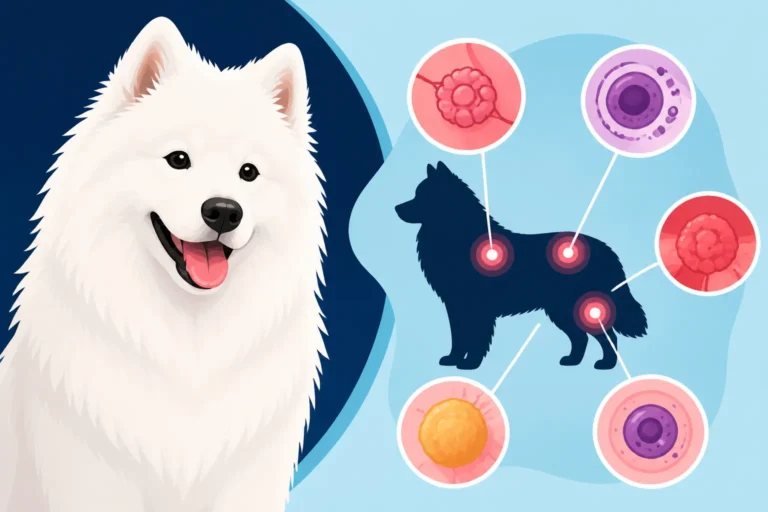
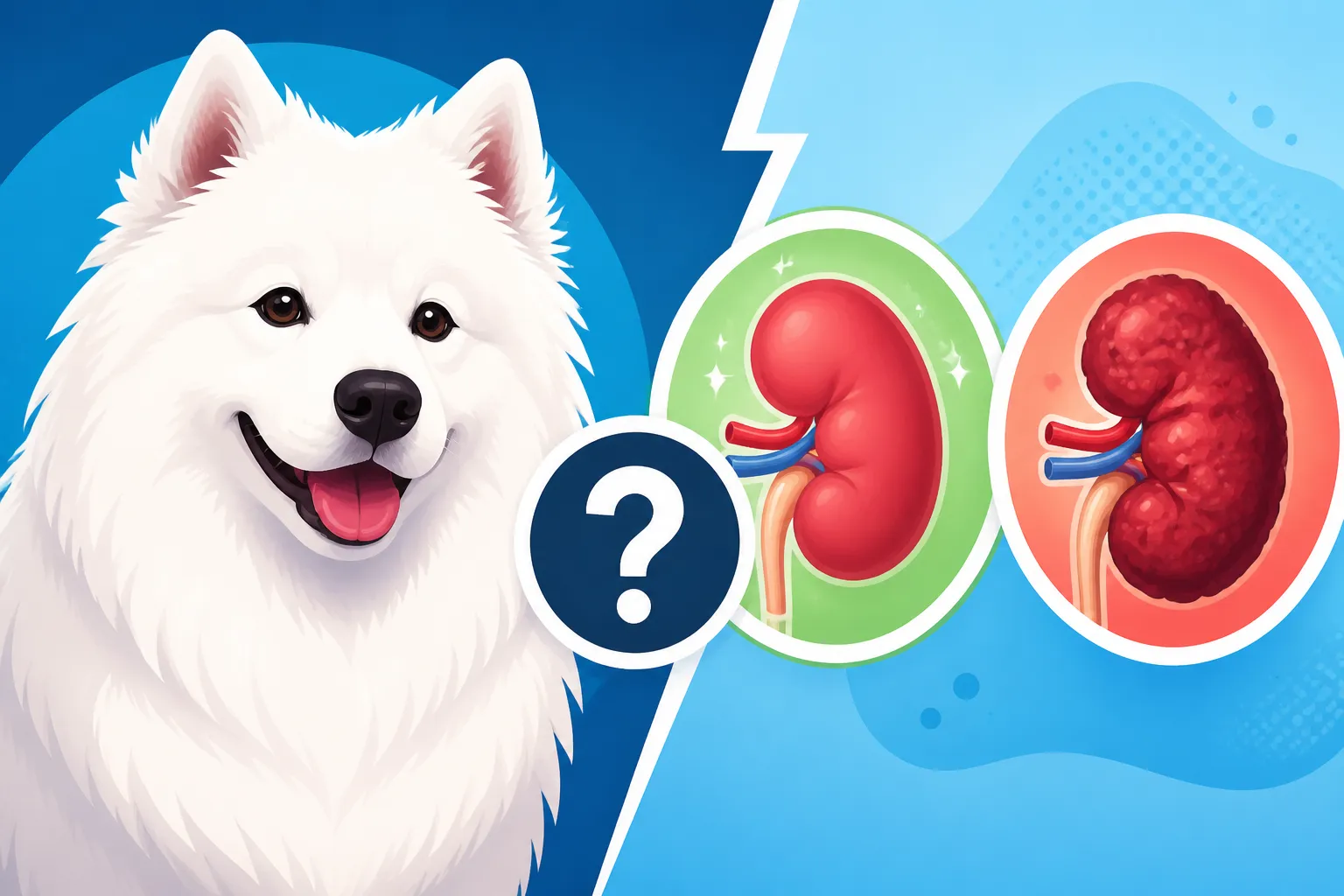
When your beloved Samoyed, full of life and that characteristic joyous grin, suddenly starts showing subtle signs of ill health, it can send a chill down your spine. The fear of an underlying genetic condition is a heavy burden, especially with the knowledge of specific inherited diseases that plague our beautiful breed. One such concern often brought up is Samoyed Hereditary Glomerulopathy (SHG) and its potential resemblance to Alport Syndrome in humans. It’s a natural worry, given the devastating impact kidney disease can have, and understanding the nuances is crucial for any Samoyed parent. This guide aims to clarify this complex issue, shedding light on their similarities and vital differences.
Understanding Samoyed Hereditary Glomerulopathy (SHG)
It’s heartbreaking to learn that there's a specific kidney disease that targets our Samoyed boys, often killing them before they even reach their second birthday. This condition, known as Samoyed Hereditary Glomerulopathy, or SHG, is a primary concern for breeders and owners alike, and for good reason. It’s not just "general" kidney failure; it’s a specific, genetically determined issue that follows a very particular pattern of inheritance and progression.
The Genetic Root of SHG: A Faulty Collagen Gene
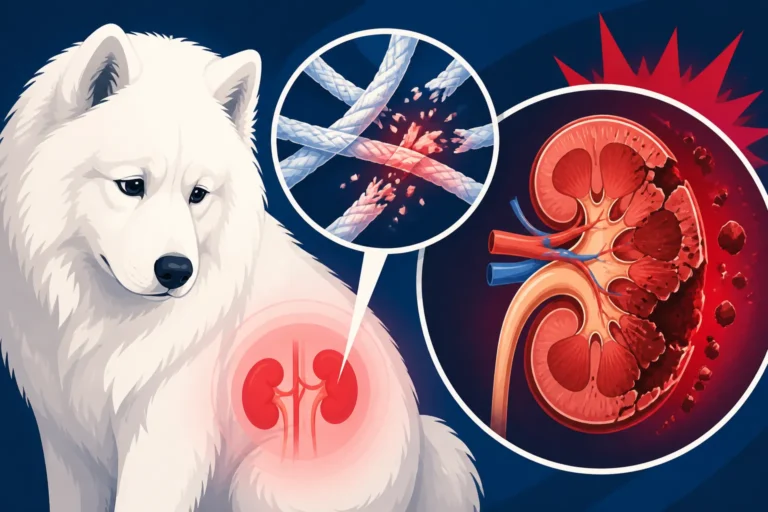
At its core, SHG is a genetic disorder stemming from a mutation in the COL4A5 gene. Now, that might sound like a mouthful of scientific jargon, but what it really means is that there’s a critical flaw in the blueprint for a specific type of collagen—Type IV collagen, to be precise. This collagen is absolutely vital for the structural integrity of the glomerular basement membrane in the kidneys. Think of the glomerulus as the kidney’s tiny, intricate filter. It’s responsible for sifting out waste products from the blood while keeping essential proteins safely within the body.
When this collagen is faulty, as it is in Samoyeds with SHG, that delicate filter starts to break down. Instead of being a perfect sieve, it becomes leaky, allowing precious proteins to escape into the urine. This isn't just a minor leak; it's a fundamental structural defect that progressively worsens over time. It's a key reason why Why Collagen Failure Destroys a Samoyed's Kidney is such a crucial read for understanding the mechanics of this devastating disease.
Why SHG Primarily Affects Males
One of the most defining characteristics of SHG, and often one of the most confusing for new Samoyed owners, is its sex-linked inheritance. This means the gene responsible for SHG is carried on the X chromosome. In simple terms, males have one X and one Y chromosome (XY), while females have two X chromosomes (XX).
Because males only have one X chromosome, if they inherit the mutated COL4A5 gene on that single X, they will develop the disease. There’s no "backup" X chromosome to compensate for the faulty gene. This is why The Kidney Disease That Kills Samoyed Males Before Fifteen Months is a stark reality. For females, however, it's a different story. If a female inherits one mutated X chromosome, she usually has a second, healthy X chromosome that can largely compensate. This makes her a carrier, meaning she carries the gene but typically exhibits much milder symptoms, if any, and often lives a normal lifespan. However, she can pass the mutated gene on to her offspring. This distinction is crucial and explains Why Samoyed Hereditary Glomerulopathy Only Devastates the Boys.
The typical progression in affected males is unfortunately rapid. They might seem perfectly healthy as puppies, full of boundless energy. But around 3-6 months of age, subtle signs like excessive thirst or increased urination might start. By 6-12 months, you’ll likely notice more pronounced symptoms as the kidney damage accelerates. It's a truly heartbreaking timeline for those who experience it.
Understanding Alport Syndrome in Humans
When we talk about inherited kidney diseases, Alport Syndrome is a name that often comes up in human medicine. It’s a serious condition that shares some striking similarities with SHG, particularly in its genetic basis and impact on the kidneys. However, there are also important distinctions that set it apart.
The Genetic Foundation of Alport Syndrome
Just like Samoyed Hereditary Glomerulopathy, Alport Syndrome in humans is primarily caused by mutations in the genes responsible for producing Type IV collagen. In the vast majority of cases (about 80%), this mutation also occurs in the COL4A5 gene, located on the X chromosome. This shared genetic culprit—the COL4A5 gene—is the fundamental reason why SHG and Alport Syndrome are so often compared.
Type IV collagen is a crucial component of basement membranes in various parts of the body, not just the kidneys. In humans with Alport Syndrome, this collagen defect leads to progressive kidney disease because the glomerular basement membrane in their kidneys becomes fragile and dysfunctional, much like in affected Samoyeds. This results in the leakage of blood and protein into the urine, which are early indicators of the disease.
Beyond the Kidneys: Broader Impact in Humans
While kidney disease is the hallmark of Alport Syndrome, a significant difference from SHG is its impact on other organ systems in humans. Many individuals with Alport Syndrome also experience progressive hearing loss, usually starting in childhood or adolescence. This sensorineural hearing loss can range from mild to severe, affecting both ears.
Furthermore, ocular abnormalities are also common in people with Alport Syndrome. These can include lenticonus (a cone-shaped deformity of the lens), corneal erosions, and maculopathy (changes in the retina). These extra-renal manifestations are critical diagnostic markers in humans and represent a key divergence from what is typically observed in Samoyed Hereditary Glomerulopathy. While some Samoyeds might have other health issues, these specific sensory and ocular defects are not considered part of the SHG syndrome. This broader systemic involvement in humans highlights the more widespread role of Type IV collagen throughout the human body.
Comparing Samoyed Hereditary Glomerulopathy and Alport Syndrome
The similarities between SHG and Alport Syndrome are quite compelling, largely due to their shared genetic origin. However, the differences are equally important for proper diagnosis, management, and understanding of the disease in our furry companions. It's easy to get caught up in the scientific details, but what truly matters is how this information translates to the health and well-being of our Samoyeds.
Shared Characteristics: An X-linked Collagenopathy
Both conditions are classic examples of an X-linked hereditary nephropathy, meaning they are genetic kidney diseases primarily impacting males due to their genetic location on the X chromosome. This leads to the striking pattern where males are severely affected, experiencing rapid progression to end-stage renal failure, while females are typically carriers with mild or no clinical signs of kidney disease. This is a cruel twist of fate for the boys, making The COL4A5 Test Every Samoyed Buyer Should Ask About an absolute non-negotiable for anyone looking to bring a Samoyed puppy into their home.
The underlying pathology in both is also remarkably similar: a defective Type IV collagen in the glomerular basement membrane of the kidneys. This structural flaw impairs the kidney's filtering function, leading to proteinuria (protein in the urine) and hematuria (blood in the urine), which are often the earliest detectable signs. These signs progress to chronic kidney disease and eventually kidney failure if left untreated or unmanaged. Catching Signs a Samoyed Is Losing Protein in Its Urine early can be vital for any hope of slowing progression.
Key Differences: Beyond the Kidneys
Despite the shared genetic mutation and kidney pathology, the most significant differences lie in the broader systemic involvement. As mentioned, Alport Syndrome in humans frequently presents with hearing loss and specific eye abnormalities, neither of which are recognized or consistent features of SHG in Samoyeds. While a Samoyed can certainly develop hearing loss or eye issues from other causes, these are not genetically linked to their hereditary glomerulopathy in the same way they are in human Alport Syndrome.
Another subtle but important difference can be in the specific presentation and severity. While both are progressive, the very early onset and rapid decline often seen in affected male Samoyeds (often before 15 months) is particularly aggressive. Human Alport Syndrome can have varying degrees of severity and progression, though severe forms are also devastating. These species-specific nuances mean that while the genetic mechanism is similar, the full clinical picture is not identical.
Here’s a quick overview to help distinguish between them:
| Feature | Samoyed Hereditary Glomerulopathy (SHG) | Alport Syndrome (Human) |
|---|---|---|
| Primary Affected | Males severely, females carriers/mildly affected | Males severely, females carriers/mildly affected |
| Genetic Cause | Mutation in COL4A5 gene (X-linked) | Primarily COL4A5 gene (X-linked), less commonly COL4A3/4 (autosomal) |
| Core Pathology | Defective Type IV collagen in glomerular basement membrane | Defective Type IV collagen in glomerular basement membrane |
| Key Organ Affected | Kidneys (progressive failure) | Kidneys (progressive failure) |
| Other Organs Affected | Generally none consistently | Eyes (lenticonus, maculopathy), Ears (sensorineural hearing loss) |
| Onset in Males | Early, often leading to kidney failure before 15 months | Variable, but often in childhood/adolescence |
| Diagnosis | Genetic testing (COL4A5), urine protein-creatinine ratio (UPC), biopsy | Genetic testing (COL4A5 etc.), biopsy, audiometry, eye exam |
| Prognosis for Males | Poor without intervention, often fatal by 1-2 years | Variable, but severe forms lead to end-stage renal disease |
This table clearly illustrates the striking similarities in genetic basis and kidney impact, while also highlighting the crucial extra-renal differences.
Diagnosis and Management for Samoyed Kidney Disease
Navigating a diagnosis of kidney disease in your Samoyed, whether it's SHG or another form, is incredibly stressful. The feeling of helplessness can be overwhelming, but understanding the steps for diagnosis and the available management options can empower you to give your Samoyed the best possible care.
Early Detection and Diagnostic Tools
The absolute cornerstone of managing SHG is early detection. Because the disease is genetic, the most definitive diagnostic tool is a DNA test for the COL4A5 mutation. This test can identify affected males, carrier females, and clear individuals, often long before any clinical signs manifest. Reputable breeders should be testing their breeding stock, and any prospective puppy buyer should insist on seeing the results. This proactive approach can literally save lives and prevent immense heartache. You can learn more about this by reading Whether a Samoyed Puppy Should Be Tested Before Purchase.
Beyond genetic testing, regular veterinary check-ups and specific lab tests are crucial. Urine analysis, particularly the urine protein-to-creatinine ratio (UPC), is a vital screening tool for detecting proteinuria, which is one of the earliest signs of kidney damage. A rising UPC is a huge red flag and should prompt further investigation. Blood tests, such as those measuring creatinine and BUN (blood urea nitrogen), become important as the disease progresses and kidney function declines. Regularly watching Whether a Samoyed's Creatinine Should Be Watched can help monitor progression.
An ultrasound of the kidneys can also provide valuable information about kidney size, shape, and internal architecture, helping to assess the extent of damage. A kidney biopsy, while more invasive, can provide a definitive histological diagnosis, revealing the characteristic changes in the glomerular basement membrane.
Therapeutic Approaches to Slow Progression
While there is currently no cure for SHG, management focuses on slowing the progression of kidney damage and supporting kidney function. The goal is to preserve as much kidney function as possible for as long as possible, improving the dog's quality of life.
One of the primary therapeutic interventions involves medications that reduce proteinuria. Angiotensin-converting enzyme (ACE) inhibitors, like enalapril or benazepril, are commonly prescribed. These drugs help to reduce the pressure within the glomeruli, thereby decreasing protein leakage and potentially slowing the rate of kidney damage. Your vet will carefully monitor your Samoyed's blood pressure and kidney values when starting these medications.
Dietary management is another critical component. A prescription renal diet, typically lower in protein, phosphorus, and sodium, can significantly reduce the workload on the kidneys and help manage the accumulation of waste products in the blood. These diets are carefully formulated to provide adequate nutrition while minimizing ingredients that can further stress compromised kidneys. It's a tough switch for many dogs, but crucial. You might be interested in Whether a Renal Diet Extends an Affected Samoyed's Life.
Supportive care also plays a huge role. This can include ensuring adequate hydration, sometimes through subcutaneous fluids if the dog isn't drinking enough. Medications to manage symptoms like nausea or appetite stimulants may also be necessary as the disease progresses. Omega-3 fatty acid supplements have also shown some promise in reducing inflammation and supporting kidney health.
It's a long, challenging road for owners of affected Samoyeds. Pet insurance, like that offered by Healthy Paws, can be a lifesaver in these situations, helping to cover the often significant costs associated with chronic kidney disease management, including diagnostics, medications, and special diets. Knowing that you have support for these expenses can allow you to focus on giving your dog the best possible care without the added financial strain. While Whether an Affected Samoyed Can Be Treated doesn't guarantee a cure, it offers hope for extending their comfortable years.
Living with and Supporting a Samoyed with Kidney Disease
Receiving a diagnosis of kidney disease, especially a progressive one like SHG, is devastating. It changes the dynamic of your household and brings a heavy emotional toll. However, with careful management and a lot of love, you can ensure your Samoyed maintains a good quality of life for as long as possible. Many owners find solace in understanding the disease and becoming advocates for their pets. This is where companies like Healthy Paws can really make a difference, easing the financial burden so you can focus on quality time.
Monitoring and Quality of Life
Close monitoring is paramount for a Samoyed with kidney disease. This means regular veterinary visits, often every few months, for bloodwork, urine tests, and blood pressure checks. Your vet will track key indicators like creatinine, BUN, phosphorus, and UPC ratio to assess how well the kidneys are functioning and whether the current treatment plan needs adjustment. Maintaining detailed records of your dog's appetite, water intake, urination, and energy levels at home can also provide invaluable insights for your veterinary team. Your vet might recommend Whether a Samoyed Needs Yearly Kidney Bloodwork more frequently given the diagnosis.
The most important aspect is focusing on your Samoyed's quality of life. While treatments aim to slow progression, the ultimate goal is for your dog to feel good, remain comfortable, and continue to enjoy their favorite activities. This means paying close attention to their comfort, appetite, and general demeanor. If they're experiencing nausea, pain, or significant lethargy, these need to be addressed promptly by your vet. There are medications to help manage many of these symptoms.
Engaging with online communities or local Samoyed groups can also provide emotional support and practical tips from other owners who have navigated similar challenges. Sharing experiences and knowing you're not alone can be incredibly helpful during difficult times.
The Importance of Responsible Breeding and Genetic Testing
Beyond individual management, the broader conversation around Samoyed Hereditary Glomerulopathy highlights the immense importance of responsible breeding practices. The existence of a definitive DNA test means that SHG is a preventable disease. Breeders have the tools to ensure they are not producing affected puppies. This involves routinely testing all breeding stock—both males and females—for the COL4A5 mutation. Only clear or carrier females (bred to clear males) should be part of a breeding program, and affected males should never be bred.
Prospective puppy buyers play a crucial role too. Insisting on seeing health clearances, including genetic test results for SHG, from both parents is not just a preference; it’s an ethical imperative. This helps to support breeders who are doing their due diligence and discourages those who are not. Choosing a puppy from health-tested parents is the best way to ensure you're bringing home a healthy Samoyed and contributing to the overall health of the breed. It also offers peace of mind when it comes to long-term care, although remember that even with the best precautions, unexpected health issues can arise, which is another reason why robust pet insurance like that from Healthy Paws is a wise investment.
Remember, while the comparison to Alport Syndrome is scientifically fascinating, for Samoyed owners, the focus remains on understanding SHG itself, detecting it early, and providing the best possible care for their fluffy companions.
Disclaimer
The information provided in this guide is for general informational purposes only and does not constitute veterinary advice. Always consult with a qualified veterinarian for any health concerns or before making any decisions about your pet's health or treatment.