Whether an Affected Samoyed Should Be Euthanized Early
Facing the diagnosis of Samoyed Hereditary Glomerulopathy (SHG) in your beloved white cloud is devastating. It brings with it not just immense sorrow, but also agonizing questions about their future and quality of life, often forcing you to confront the hardest decision any pet parent can make: whether and when to consider euthanasia. This guide aims to walk you through this profoundly difficult journey, offering realistic insights and compassionate advice to help you navigate this heart-wrenching time.
Understanding Samoyed Hereditary Glomerulopathy (SHG) Progression
Samoyed Hereditary Glomerulopathy is a cruel, progressive kidney disease that predominantly affects male Samoyeds, leading to early kidney failure. It’s a condition that truly tests the resilience of both dog and owner, and understanding its progression is the first painful step in making informed decisions.
The Cruel Reality of SHG's Timeline
For male Samoyeds affected by SHG, the timeline is often tragically short and relentless. Most will begin to show clinical signs between 3 and 15 months of age. It's a shocking reality for many owners who welcome a fluffy, energetic puppy into their homes, only to watch their vitality dim far too soon. The initial signs can be incredibly subtle—a slight decrease in energy, perhaps a bit more thirst than usual, or a coat that isn't quite as lustrous. But once the disease takes hold, the decline can be incredibly rapid. You might wake up one day thinking things are stable, only to see a dramatic worsening in a matter of weeks. The window for intervention, and indeed, for life, is often heartbreakingly narrow. If you're wondering when exactly these initial signs tend to appear, you might find more detailed information in our guide, "The Age a Samoyed Male First Shows Kidney Signs".
This rapid deterioration is part of what makes SHG so difficult to manage. Unlike some chronic conditions that allow for a gradual adjustment to new routines and medications, SHG often plunges families into crisis mode, demanding quick decisions and constant vigilance. The disease moves with an alarming speed that leaves little room for hope, making every moment precious and every decision critical. The reality of "How Fast a Samoyed Male Declines " is something every owner facing this diagnosis needs to understand, no matter how painful it is to contemplate.
What SHG Does to Their Bodies
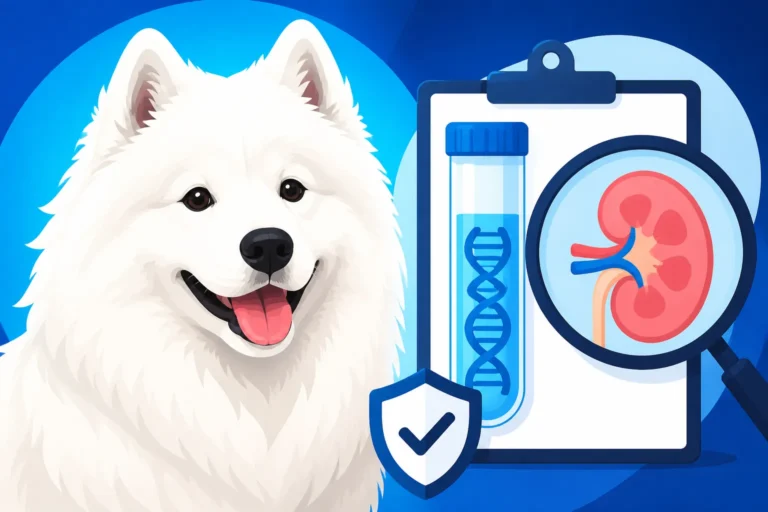
At its core, Samoyed Hereditary Glomerulopathy is a disorder of the kidneys' filtering units, the glomeruli. These tiny filters are responsible for removing waste products from the blood while retaining essential proteins. In SHG-affected Samoyeds, a defect in the collagen (specifically Type IV collagen, hence why the gene is called COL4A5) that forms the basement membrane of these filters causes them to become leaky and eventually scarred. This means vital proteins, primarily albumin, start to spill out into the urine, a condition known as proteinuria.
As the disease progresses, this protein loss becomes significant. The body tries to compensate, but eventually, the kidneys lose their ability to function effectively. Toxins build up in the blood, leading to symptoms like nausea, loss of appetite, lethargy, and a general feeling of malaise. The systemic effects can be wide-ranging: muscle wasting, anemia, and even dangerously high blood pressure. It's a cascade of failure that ultimately overwhelms the body's systems, leading to complete kidney failure. To truly grasp the devastating internal damage, exploring "What Samoyed Hereditary Glomerulopathy Does to the Kidneys " can provide a deeper understanding.
The Limitations of Treatment
It's a harsh truth, but there is no cure for Samoyed Hereditary Glomerulopathy. Current treatments are entirely palliative, aimed at slowing the progression of the disease and managing the uncomfortable symptoms. This typically involves medications to reduce protein loss in the urine, such as ACE inhibitors (like enalapril or benazepril), and sometimes angiotensin receptor blockers. Special renal diets, which are typically lower in protein and phosphorus, are also often prescribed to reduce the workload on the kidneys. However, getting a Samoyed to consistently eat a prescription diet can be a challenge, especially when their appetite is already diminished.
Beyond medication and diet, care often includes managing symptoms like nausea with antiemetics, supplementing with phosphorus binders if levels rise, and ensuring adequate hydration. While these measures can certainly offer some comfort and potentially extend life by a few weeks or months, they do not halt the inevitable. The treatments come with significant financial and emotional costs, and they require a high level of commitment from owners. The question of "Whether an Affected Samoyed Can Be Treated " often comes down to managing discomfort rather than achieving recovery, highlighting the difficult balance between providing care and prolonging suffering. The investment of time and money can be substantial, and understanding "What Treating an Affected Samoyed Male Costs Before He Dies " is a crucial, if painful, part of this journey.
Assessing Quality of Life: A Holistic Approach
When faced with a progressive and incurable disease like SHG, the focus shifts from treatment to maintaining the best possible quality of life for your Samoyed. This isn't just about whether they're eating, but about their overall well-being, happiness, and comfort. It's a deeply personal and often agonizing assessment that requires objective observation and honest introspection.
Identifying Red Flags and Subtle Changes
Samoyeds are famously stoic. Their inherent "Samoyed smile" can often mask discomfort or pain, making it incredibly difficult to discern when they are truly suffering. They are masters at hiding illness, a trait that served their ancestors well in harsh Arctic conditions but makes our job as modern owners so much harder. You need to become a detective, looking for subtle cues that something is amiss. Is their usual greeting less enthusiastic? Do they seem less interested in their favorite toys or walks? Are they sleeping more, or in unusual places? Are they reluctant to be touched in certain areas? Even a slight change in their signature happy demeanor could signal a decline. Detailed insights into this behavior can be found in "How a Samoyed Hides Illness Behind a Smile".
Beyond behavior, physical changes are critical. Watch for weight loss (which can be hard to notice under their thick coat), changes in coat texture, increased thirst and urination, vomiting, diarrhea, or bad breath. Any combination of these, even minor ones, should raise a red flag. Pay close attention to their breathing patterns and any signs of discomfort when moving. It’s excruciating to think your happy-go-lucky Sammy might be in pain, but asking "Whether an Affected Samoyed Male Feels Pain " is a necessary and compassionate question. Observing these subtle shifts over time, rather than in isolation, is key.
The Importance of a "Good Day" vs. "Bad Day" Log
One of the most practical and helpful tools you can use during this time is a "Good Day" vs. "Bad Day" log. Our emotions are so tied up in our dogs that it's easy to selectively remember the good moments and minimize the difficult ones. Keeping a daily journal, even if it's just a few bullet points, helps create an objective record. Note down:
- Appetite: Did they eat their meals, or just pick at them? Did they refuse treats?
- Hydration: How much water did they drink? Was it excessive or too little?
- Energy Levels: Were they playful? Did they go for a walk? How long did they sleep?
- Mood: Were they engaged with the family? Did they seek affection? Did they seem withdrawn or restless?
- Pain/Discomfort: Did you notice any limping, groaning, difficulty getting up, or unusual posture?
- Vomiting/Diarrhea: Frequency and severity.
- Interactions: How did they interact with other pets or family members?
After a week or two, review your log. Are the good days still outnumbering the bad days, and by how much? Is the trend leaning towards more frequent or more severe bad days? This tangible record can provide clarity when your heart is overwhelmed by conflicting emotions.
Veterinary Guidance and Prognosis
Your veterinarian is your most important ally in assessing your Samoyed's quality of life. They can offer an objective, medical perspective that, while difficult to hear, is invaluable. Share your "Good Day/Bad Day" log with them. They can interpret bloodwork and urine tests (like the urine protein-to-creatinine ratio, which is crucial for SHG) to gauge the progression of kidney failure. Don't hesitate to ask frank questions about prognosis and what symptoms to expect as the disease advances. A compassionate vet will help you understand the medical realities without dismissing your emotional bond.
They can also help you understand the effectiveness of current palliative treatments. Sometimes, a vet might recommend a trial of a new medication or a diet adjustment, but they will also be honest about when these interventions are no longer making a significant difference to comfort or overall well-being. This collaboration with your vet is essential for making humane choices. Regular check-ups and open dialogue are paramount, and it's important to know "Whether a Samoyed Needs Yearly Kidney Bloodwork " is a good practice, especially with predisposed breeds.
Here's a simplified table to help you systematically assess your Samoyed's quality of life:
| Quality of Life Factor | Score 1 (Poor) | Score 2 (Fair) | Score 3 (Good) | Observations |
|---|---|---|---|---|
| Appetite | Refuses most food, nauseous | Eats some, but picky | Eats all meals enthusiastically | |
| Hydration | Excessive thirst/urination, dehydrated | Drinks enough, sometimes more | Normal water intake | |
| Pain/Discomfort | Visible signs of pain, restlessness | Occasional discomfort, stiff | Appears comfortable, moves freely | |
| Happiness/Joy | Withdrawn, no interest in activities | Shows brief moments of joy | Engaged, playful, seeks interaction | |
| Energy Level | Very lethargic, sleeps constantly | Low energy, tired quickly | Active, enjoys walks and play | |
| Hygiene | Unable to groom, soiled | Needs help with cleaning | Self-sufficient, clean coat | |
| Overall | Many "1" scores | Mix of "1" and "2" | Mostly "2" and "3" scores |
Consider the overall trend. If your Samoyed consistently scores "1" in multiple categories, or if "1" scores are increasing, it may indicate a significant decline in quality of life.
The Emotional Toll on Owners and the Concept of "Gift of Peace"
This section delves into the profound emotional challenges faced by Samoyed owners when contemplating euthanasia due to SHG. It acknowledges the overwhelming grief and guilt, framing euthanasia as an act of love to prevent prolonged suffering.
The Weight of the Decision
Making the choice to euthanize your Samoyed is arguably the most heartbreaking decision any pet owner will ever face. The weight of it is immense, often accompanied by a profound sense of guilt, doubt, and sorrow. You question if it’s the right time, if you’re doing it too soon, or if you’ve tried absolutely everything. These feelings are normal, a testament to the deep love and bond you share with your Samoyed. You are not alone in feeling this way. It's an internal battle between your desire to keep them with you for as long as possible and the realization that their suffering may outweigh their joy.
This decision is made even harder by the often rapid progression of SHG. There's little time to truly prepare, to fully process the news before you're faced with end-of-life choices. Many owners feel robbed of time, grieving not just the impending loss, but also the future they envisioned with their Samoyed. Acknowledging this emotional turmoil is crucial for self-compassion during this incredibly difficult period.
When to Consider Euthanasia
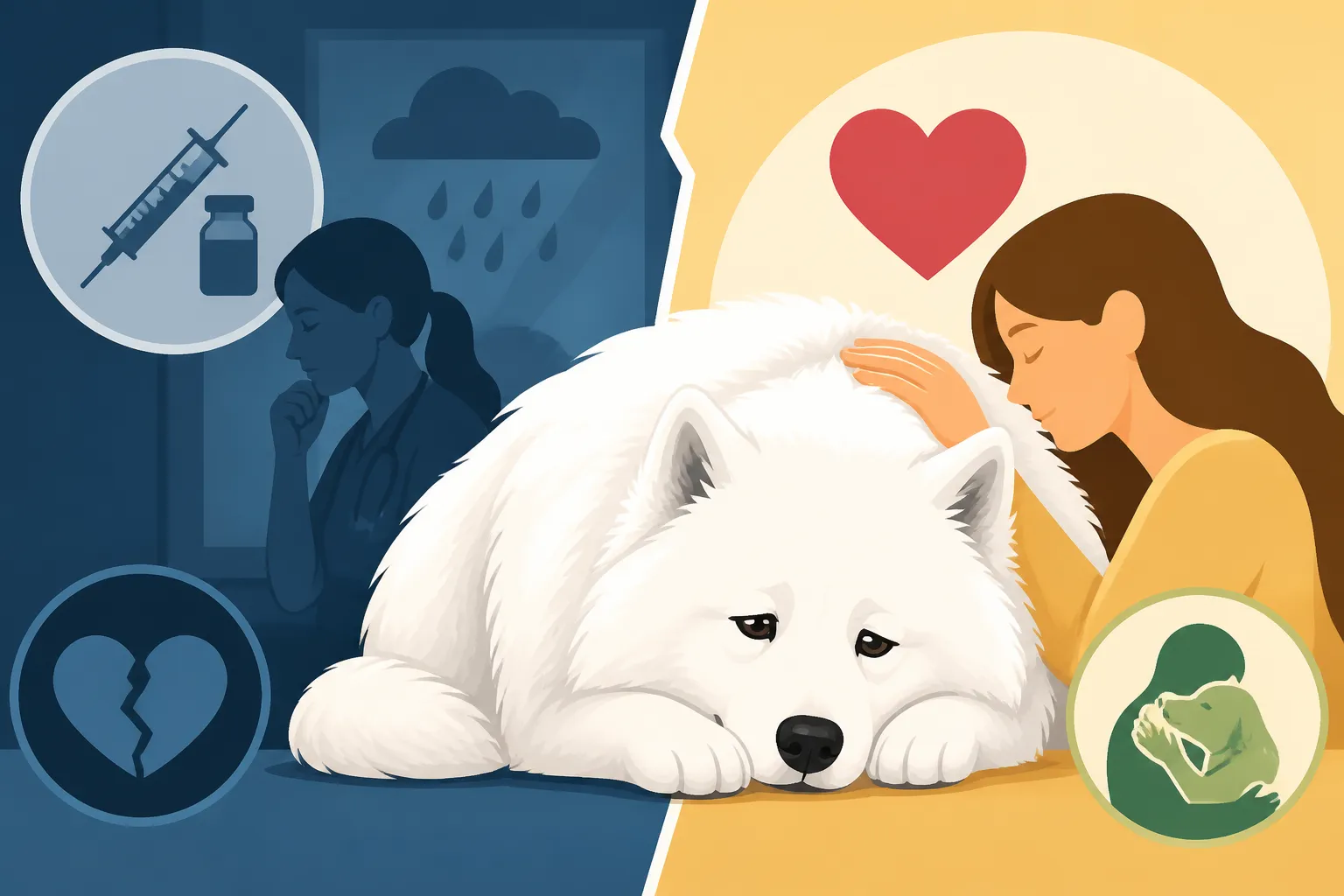
The concept of "the gift of peace" is a difficult but important one to embrace. Euthanasia, when performed with compassion and foresight, is not about giving up, but about preventing needless suffering. It's about putting your Samoyed's comfort and dignity above your own desire to hold onto them. The "right time" is rarely clear-cut, but it's generally considered when:
- Bad days consistently outnumber good days: Your log will be invaluable here.
- Your Samoyed can no longer engage in activities they once loved: If their joyful spark is gone, and they show little interest in walks, play, or family interaction.
- Pain cannot be adequately managed: Despite medications, they are showing persistent signs of discomfort or distress.
- They are no longer eating or drinking: Sustained refusal of food and water, especially if accompanied by vomiting or nausea, indicates severe decline.
- Loss of dignity: They are no longer able to control bodily functions, clean themselves, or move comfortably.
- Your vet advises it: When medical professionals, who have an objective view of their physical state, gently suggest it's time, it often aligns with what your heart already knows.
Remember, it’s often better to make the decision one day too early than one day too late, sparing your Samoyed from prolonged pain or a crisis situation. This final act of love, though heartbreaking, is a profound expression of your commitment to their well-being.
Support Systems and Coping Mechanisms
Navigating the grief of losing a pet, especially under such difficult circumstances, requires immense strength and support. Don't try to go through it alone. Lean on friends and family who understand your bond with your Samoyed. There are also numerous pet bereavement hotlines and support groups, both online and in person, where you can connect with others who have faced similar losses. These communities offer a safe space to share your feelings, process your grief, and remember your beloved companion.
Sometimes, the financial burden of prolonged illness and eventual end-of-life care adds another layer of stress. While pet insurance, such as a policy from Healthy Paws, typically doesn't cover pre-existing conditions like SHG once it's diagnosed, considering it early in a pet's life can help with other unexpected illnesses or injuries that might arise. Some pet insurance providers, including Healthy Paws, may also offer resources for coping with pet loss, such as articles or access to a pet bereavement hotline, which can be invaluable during this time. Remember, allowing yourself to grieve is a vital part of the healing process.
Financial Considerations and Long-Term Care
The emotional anguish of a Samoyed suffering from SHG is often compounded by the significant financial strain of attempting to manage a progressive, incurable disease. It’s a reality that can make an already impossible situation even more complex.
The Mounting Costs of Advanced Kidney Disease
Living with a Samoyed affected by advanced kidney disease, even with palliative care, can become incredibly expensive. The specialized renal diets, which are crucial for reducing kidney workload, can cost significantly more than regular kibble. Medications—ACE inhibitors, anti-nausea drugs, phosphorus binders, supplements, and potentially appetite stimulants—can quickly add up, often becoming a monthly recurring expense that rivals a small car payment. Regular veterinary check-ups are essential to monitor kidney function, adjust medications, and assess comfort levels. These appointments involve consultations, blood tests (like creatinine and BUN, though the urine protein is the key initial marker for SHG), and urine analyses, each adding to the bill. Imaging, like ultrasounds to assess kidney structure, can also be recommended.
Then there are the potential emergency visits. A Samoyed in advanced kidney failure can decompensate quickly, leading to acute crises that require immediate veterinary attention, often involving intravenous fluids, hospitalization, and intensive monitoring. These emergency bills can run into thousands of dollars in a single instance. While a comprehensive policy from Healthy Paws or similar providers can be incredibly helpful for unexpected accidents and illnesses throughout a pet's life, it's important to remember that conditions diagnosed before coverage begins are generally considered pre-existing and therefore not covered. This means that for SHG, owners often bear the full weight of these mounting costs directly. It's a sad reality that the financial aspect, along with the emotional toll, often forces owners to confront difficult choices.
Balancing Care with Personal Resources
It's a difficult truth, but not every family has unlimited financial resources to pursue every possible palliative treatment, especially for a disease with a grim prognosis. There is no shame in acknowledging financial limitations. The cost of daily medications, specialized food, and frequent veterinary visits can quickly become overwhelming, potentially impacting a family's own well-being and ability to care for other pets or family members. When you consider "Whether a Renal Diet Extends an Affected Samoyed's Life " or "Whether Omega Threes Help a Samoyed's Kidneys", you also have to factor in the sustainability of these interventions.
Making decisions based on financial realities doesn't mean you love your Samoyed any less. It simply means you are making a realistic assessment of the resources you have available and how best to allocate them to provide comfort and care. It’s a fine line to walk, ensuring your Samoyed's comfort while also maintaining your own financial stability. Having honest conversations with your veterinarian about cost-effective palliative care options is vital, as they can help you prioritize treatments that offer the most benefit for comfort without unnecessary expenditure. Planning for veterinary care, whether through savings or a comprehensive policy like those offered by Healthy Paws, allows you to make decisions based on your Samoyed's needs and your financial reality, offering peace of mind even in the toughest situations.
The Strain on Daily Life
Beyond the financial aspect, providing long-term palliative care for a Samoyed with advanced kidney disease places a significant strain on daily life. Administering multiple medications several times a day, coaxing a picky eater to consume their renal diet, cleaning up accidents due to increased urination, and monitoring their every symptom can become an all-consuming task. This round-the-clock commitment can lead to caregiver fatigue, stress, and isolation. Your ability to work, socialize, or even sleep uninterrupted can be severely impacted.
It's important to acknowledge this strain and recognize that your own well-being is also a factor. If the demands of caregiving become unsustainable, it can inadvertently affect the quality of care you can provide. This is not a sign of failure, but a realistic reflection of the immense challenges involved. Understanding and discussing options for support, whether from family, friends, or professional pet sitters for brief respite, can be crucial. Ultimately, assessing whether an affected Samoyed should be euthanized early involves a holistic look at their quality of life, the effectiveness of interventions, the financial strain, and the impact on the human caregivers, all weighed with immense love and compassion.
Disclaimer
The information provided in this article is for general informational purposes only and is not intended as a substitute for professional veterinary advice, diagnosis, or treatment. Always seek the advice of your veterinarian or other qualified animal health provider with any questions you may have regarding a medical condition. Never disregard professional veterinary advice or delay in seeking it because of something you have read in this article.