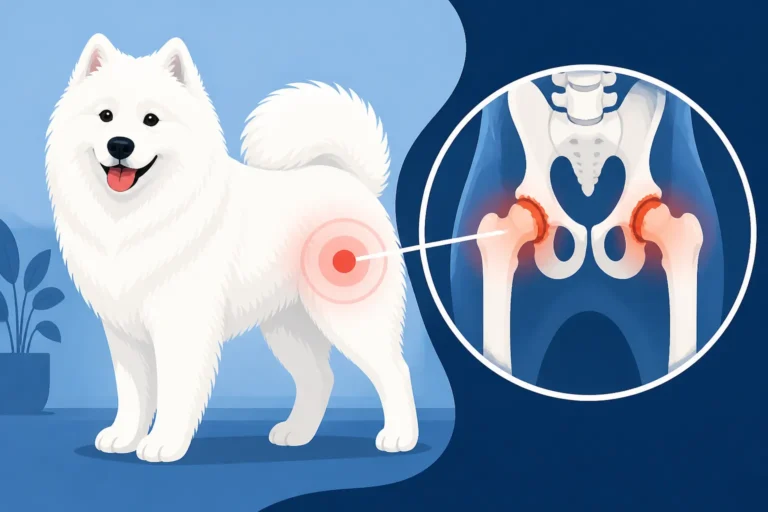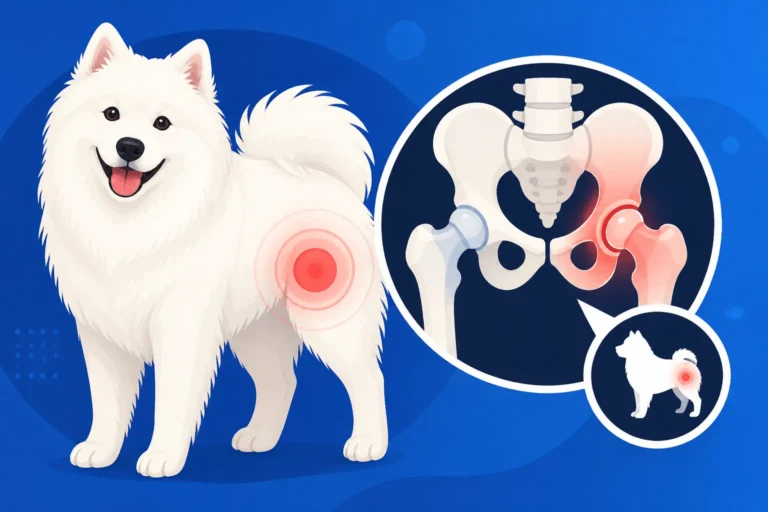
Signs a Samoyed Is Losing Protein in Its Urine
It's incredibly distressing to watch your beloved Samoyed, the epitome of joyful exuberance, start showing subtle signs that something isn't quite right. You might notice little things, like them drinking more water than usual, or perhaps an unexpected weight loss despite a good appetite, and it can leave you feeling helpless and worried. This guide is here to walk you through recognizing the early and progressive signs that your Samoyed might be losing protein in their urine, a condition that points to potential kidney issues, and what steps you can take.
Understanding Protein-Losing Nephropathy in Samoyeds
When we talk about protein-losing nephropathy, it sounds incredibly scientific and intimidating, but at its heart, it's about your dog's kidneys not doing their job properly. For Samoyed owners, this phrase often rings a particular bell, largely due to a hereditary condition specific to the breed.
What Proteinuria Actually Means
Imagine your Samoyed's kidneys as sophisticated filtering systems, much like a very fine sieve. Their primary job is to remove waste products and excess water from the blood, creating urine, while keeping essential things like protein in the bloodstream where they belong. Protein is vital for countless bodily functions – building muscles, carrying oxygen, fighting infection, and maintaining fluid balance.
When protein starts leaking into the urine, a condition called proteinuria, it means this delicate filtering system, specifically the glomeruli within the kidneys, isn't working as it should. It's like finding valuable jewels seeping out of your filter because the mesh has become too coarse. Initially, it might be a tiny leak, almost imperceptible. Over time, however, if left unchecked, this loss can become significant, leading to a cascade of health problems. Your Samoyed's body is effectively flushing away a crucial resource it needs to thrive, which can lead to complications such as low albumin in the blood (hypoalbuminemia), fluid retention, and ultimately, more severe kidney damage.
Why Samoyeds Are Prone to Protein Loss
While any dog can develop proteinuria due to various causes like infections, inflammation, certain cancers, or immune-mediated diseases, Samoyeds have a distinct and heartbreaking predisposition. They are uniquely susceptible to a genetic condition known as Samoyed Hereditary Glomerulopathy (SHG). This isn't just a generic kidney issue; it's a specific defect in the collagen structure that forms the basement membrane of the glomeruli – those tiny filters we just talked about.
For male Samoyeds, this condition is particularly devastating. The unfortunate truth is that for males, SHG is an X-linked disease, meaning they inherit it from their mothers and typically show severe signs of kidney failure, often leading to death, at a very young age. We're talking sometimes before they even reach fifteen months old. This makes it crucial for owners to be aware of the early warning signs. You can read more about this specific, tragic condition in articles like The Kidney Disease That Kills Samoyed Males Before Fifteen Months. While SHG is the most notorious cause of protein loss in Samoyeds, it’s not the only one. Other forms of kidney disease or systemic illnesses can also lead to proteinuria, making early detection through regular veterinary check-ups and specific tests like the Urine Protein:Creatinine (UPC) ratio paramount. Understanding Why Collagen Failure Destroys a Samoyed's Kidney can really drive home the importance of vigilance.
Early, Subtle Signs That Are Easy to Miss
Samoyeds are famously stoic, their "Sammy smile" often masking discomfort or illness. This natural tendency to hide pain or weakness, a remnant of their ancestral survival instincts, makes it incredibly challenging for owners to spot health issues in their early stages. That's why it's so important to pay close attention to subtle shifts in their behavior or routine.
Changes in Thirst and Urination Habits
One of the very first, and most easily overlooked, indicators of protein loss or declining kidney function is a change in your Samoyed's drinking and peeing habits. You might start noticing them emptying their water bowl more frequently or needing to go outside to potty more often than usual.
An increase in thirst, medically termed polydipsia, means your Samoyed is drinking more water because their kidneys are no longer efficiently concentrating urine. They're passing a lot of dilute urine, and their body is trying to compensate for the fluid loss by signaling thirst. So, if your Sammy usually drinks a certain amount in a day and suddenly starts refilling their bowl twice as often, or spending more time at the water fountain, that's a red flag. Similarly, polyuria, or increased urination, often accompanies this. You might find yourself taking them out for potty breaks more frequently, or perhaps even notice accidents in the house where there weren't any before. For instance, if your adult Samoyed, who has been perfectly house-trained for years, suddenly has an accident overnight, it's not necessarily a behavioral issue; it could be a sign their kidneys are struggling to hold urine for as long. These changes, especially in a young male Samoyed, warrant immediate veterinary attention, as the age a The Age a Samoyed Male First Shows Kidney Signs can be alarmingly early.
Vague Behavioral Shifts
Beyond the bathroom habits, protein loss can manifest as incredibly vague behavioral changes that are easily dismissed as "just getting older" or "a bit lazy today." This is where the Samoyed's sunny disposition can truly work against them, making it hard to see beyond the smile.
You might notice your typically playful Samoyed seems a bit more subdued. Perhaps they're less enthusiastic about their morning walk, or they'd rather nap than engage in a game of fetch. A general lethargy or reduced energy level is a common symptom. They might not jump up to greet you with the usual gusto, or they might simply spend more time resting. Alongside this, a subtle loss of appetite can creep in. Your Samoyed might become a bit pickier with their food, turn their nose up at a treat they usually adore, or simply eat less than their normal portion. It's not usually a dramatic refusal of food initially, but rather a gradual decline in their gusto for mealtime. It’s important to remember How a Samoyed Hides Illness Behind a Smile and not dismiss these subtle cues. These vague signs, while not definitive on their own, become much more concerning when paired with changes in thirst and urination, and should prompt a conversation with your veterinarian.
More Obvious Symptoms as Protein Loss Progresses
As protein loss continues unchecked, the symptoms tend to become more pronounced and alarming. These are the kinds of signs that are harder to ignore and often signal a more significant progression of kidney disease.
Weight Loss and Muscle Wasting
One of the most concerning and visibly noticeable signs of progressive protein loss is unexplained weight loss and muscle wasting. You might be feeding your Samoyed the same amount, or even more, but they seem to be thinning out. This happens because the body is constantly losing essential proteins needed for muscle maintenance and overall health. Without adequate protein, the body starts to break down its own muscle tissue to try and compensate, leading to a leaner, less robust appearance.
You might start to feel their ribs more easily, or notice their waist becoming more tucked. Their beautiful, fluffy coat can sometimes mask initial weight loss, but if you run your hands along their back and sides, you'll feel less padding than before. The muscle definition over their hindquarters can diminish, making them appear weaker or less athletic. Imagine your sturdy Samoyed looking a bit more 'rangy' than their usual plush self. This isn't just about aesthetics; it indicates a serious depletion of vital resources. If you're concerned about unexplained weight loss, especially if it seems to defy their food intake, it's a critical symptom to address immediately. This ties directly into topics like Whether an Affected Samoyed Loses Weight First, highlighting the severity of the underlying issue.
Fluid Retention and Swelling
Another telling sign of significant protein loss is the development of fluid retention, or edema. Proteins like albumin play a crucial role in maintaining fluid balance within the bloodstream. When albumin levels drop too low due to excessive loss in the urine, fluid can leak out of the blood vessels and accumulate in the body's tissues.
This often presents as swelling in various parts of your Samoyed's body. You might notice puffy legs, particularly the lower limbs, or a noticeable distension of the abdomen, known as ascites. Imagine your normally sleek-bellied Samoyed suddenly looking bloated, almost like they've swallowed a basketball. Sometimes, fluid can also accumulate around the face. This swelling isn't painful in itself, but it's a direct consequence of severe protein depletion and indicates that the condition has advanced significantly. It's a clear signal that the body's delicate fluid regulation system is compromised. For example, if your Samoyed's belly appears suddenly rounded and taut, even if they aren't eating much, you should immediately consider this a medical emergency. This is exactly why it’s vital to understand Whether a Samoyed's Swollen Belly Means Kidney Failure. This symptom requires urgent veterinary intervention.
Recognizing Changes in Urine Appearance and Smell
While you might be focused on your Samoyed's overall health and behavior, taking a closer look (and sniff!) at their urine can provide crucial clues about protein loss. These observations, when combined with other symptoms, can help you decide when it's time to call the vet.
Foamy or Bubbly Urine
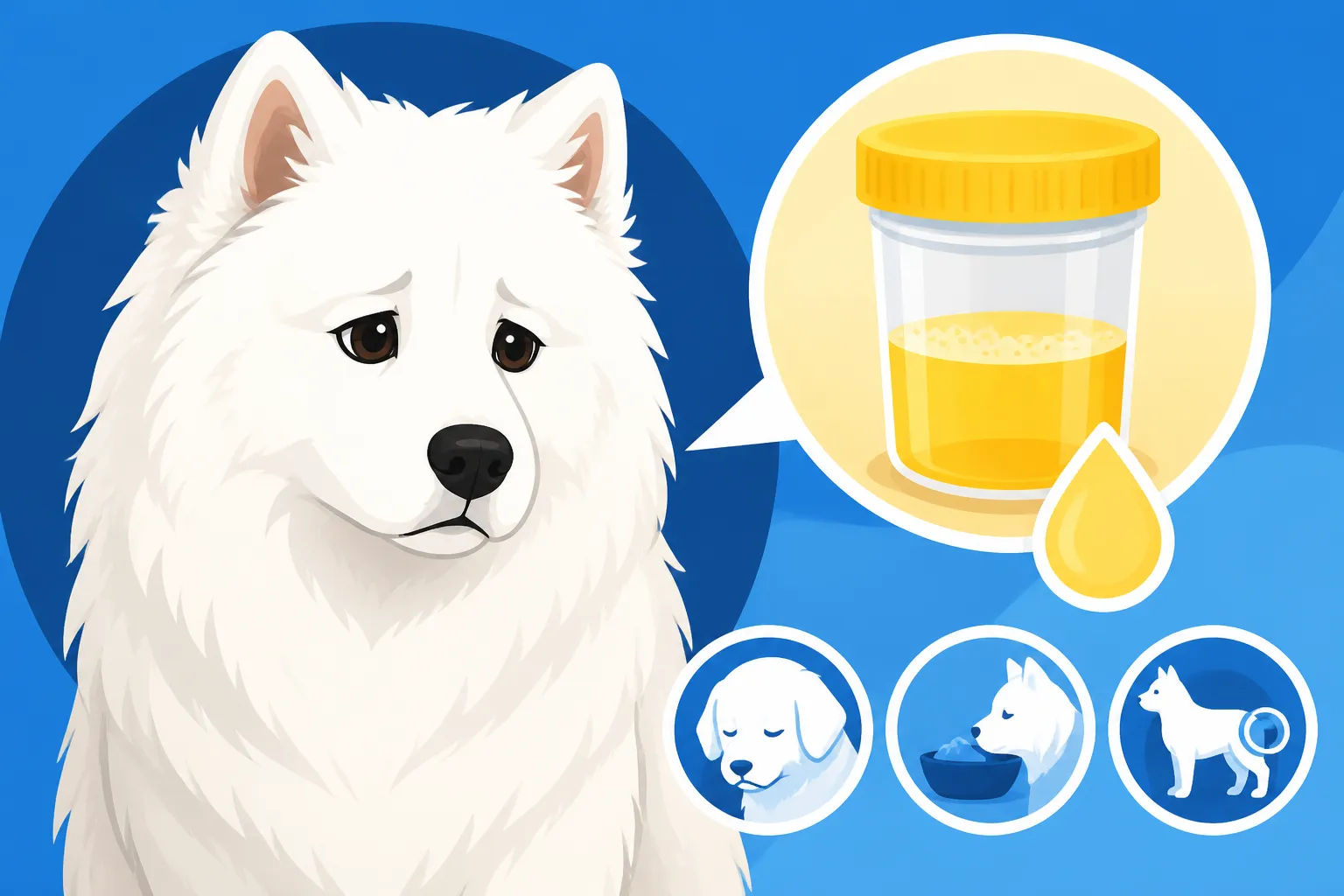
One of the most direct visual indicators of significant protein in the urine is persistent foam or bubbles. Normally, a dog's urine might produce a few fleeting bubbles when it hits the ground, especially if it's been a strong stream. However, if your Samoyed's urine consistently produces a thick, persistent layer of foam, similar to the head on a freshly poured beer, that's a serious red flag.
This foam is created by the protein reducing the surface tension of the urine. The more protein present, the more stable and lasting the foam will be. It's not just a momentary fizz; it will linger in the snow, on the grass, or in a collection cup for several minutes. Think about whisking egg whites – the protein allows them to hold their structure and create foam. The same principle applies here. If you're noticing this regularly, particularly in the morning when urine is often more concentrated, it's a strong indication that protein is being lost through the kidneys and needs to be investigated by a veterinarian. This visual cue can be a powerful motivator for seeking professional help.
Darker Color or Stronger Odor
While not as specific as foamy urine, changes in urine color and odor can also be associated with kidney issues and protein loss. Normally, a healthy Samoyed's urine should be a light to medium yellow, and while it definitely smells like urine, it shouldn't be overpoweringly pungent.
If your Samoyed's urine appears consistently darker than usual, it could indicate dehydration, which often accompanies kidney dysfunction. When kidneys aren't filtering properly, dogs can become dehydrated even if they're drinking a lot, because their bodies aren't holding onto water effectively. A stronger, more ammonia-like odor can also be present. This is often due to the buildup of waste products that the failing kidneys are struggling to excrete, making the urine more concentrated with these metabolic byproducts. Imagine the distinct, sharp smell you sometimes encounter in public restrooms – if your Samoyed's urine starts mimicking that, it’s a concern. Of course, diet, medications, and even certain treats can temporarily alter urine color and smell, so it's important to look for consistent changes over time. Any persistent darkening or unusually strong odor, especially if coupled with other symptoms like increased thirst, warrants a call to your vet.
The Critical Role of Veterinary Testing
Detecting protein loss in Samoyeds relies heavily on accurate and timely veterinary testing. You can observe all the signs in the world, but a definitive diagnosis and a proper treatment plan depend on what the lab tests reveal. Being proactive with these tests is especially vital for a breed like the Samoyed with its specific genetic predispositions.
The Routine Urinalysis and UPC Ratio
When you bring your Samoyed to the vet with concerns about protein loss, one of the first and most fundamental tests will be a urinalysis. This routine test provides a wealth of information about kidney function and overall urinary tract health. It checks for things like blood, glucose, bacteria, and critically, protein in the urine using a dipstick test. While a simple dipstick can indicate the presence of protein, it's often not precise enough to gauge the severity of the loss or rule out transient causes.
This is where the Urine Protein:Creatinine (UPC) ratio comes in, and it's truly the gold standard for quantifying protein loss. This test takes a urine sample and measures the ratio of protein to creatinine (a waste product that is consistently excreted in the urine). The UPC ratio helps to normalize the results for urine concentration, giving a much more accurate and objective measurement of how much protein is truly being lost. A healthy UPC ratio is typically below 0.2. Readings between 0.2 and 0.5 might be considered borderline, while values above 0.5 are often indicative of significant proteinuria that needs further investigation. For Samoyeds, given their genetic risk, experts often recommend screening with a UPC ratio, especially for males, even if they appear healthy. It's truly a test you should ask for, particularly for puppies. It's why Why a Samoyed's Urine Should Be Tested Young is so important, and why The COL4A5 Test Every Samoyed Buyer Should Ask About provides specific genetic insight for SHG. Regular monitoring of this ratio can catch issues long before clinical signs are apparent.
Bloodwork and Further Diagnostics
While the UPC ratio tells us about protein loss in the urine, bloodwork gives us a clearer picture of how the kidneys are functioning overall and how that protein loss is impacting the body. Your vet will likely recommend a comprehensive blood panel to assess several key parameters.
You'll hear terms like BUN (Blood Urea Nitrogen) and creatinine, which are waste products that build up in the blood when kidneys aren't filtering efficiently. Elevated levels can indicate reduced kidney function. Another crucial parameter is phosphorus. As kidney disease progresses, the kidneys struggle to excrete phosphorus, leading to abnormally high levels in the blood. Even more important when discussing protein loss is albumin. Albumin is a major protein in the blood, and if too much is being lost in the urine, blood albumin levels will drop (hypoalbuminemia). This low albumin is what often leads to the fluid retention and swelling we discussed earlier. Beyond blood tests, your vet might also check your Samoyed's blood pressure, as hypertension can both cause and be a consequence of kidney disease. In some cases, imaging like ultrasound might be recommended to visualize the kidneys themselves and look for structural changes. Early diagnosis through a combination of these tests is absolutely critical for managing conditions like Samoyed Hereditary Glomerulopathy, and for determining Whether an Affected Samoyed Can Be Treated. Keeping an eye on Whether a Samoyed's Creatinine Should Be Watched as a part of their routine care, especially as they age, is a proactive measure that can make a world of difference.
What to Do If You Suspect Protein Loss
If you've noticed any of these signs in your Samoyed, even the subtle ones, it's natural to feel a knot of anxiety in your stomach. The most important thing is not to panic, but to act promptly and decisively. Early intervention can significantly impact the outcome for your beloved companion.
Immediate Steps for Owners
The very first step is to contact your veterinarian without delay. Explain all the symptoms you've observed, no matter how minor they seem. Be specific about changes in thirst, urination frequency, appetite, energy levels, and any visible swelling or urine changes. Having a detailed account can help your vet narrow down the possibilities.
Your vet will likely ask you to bring in a fresh urine sample. It's best to collect this first thing in the morning if possible, as morning urine is typically more concentrated and can give the most accurate readings for tests like the UPC ratio. You can often collect it with a clean, shallow container or even a ladle. Documenting your observations is also incredibly helpful. Keep a journal of your Samoyed's water intake, urination frequency, appetite, and any other symptoms, noting the date and time. This data can provide invaluable insights for your vet. Facing unexpected vet bills for diagnostics and potential long-term treatment can be daunting, but having pet insurance can offer immense peace of mind. Many Samoyed owners find that companies like Healthy Paws provide excellent coverage, helping to alleviate the financial stress so you can focus on your dog's health.
Management and Treatment Overview
Once your veterinarian has confirmed protein loss and identified the underlying cause, they will develop a tailored management and treatment plan. While a cure for conditions like Samoyed Hereditary Glomerulopathy isn't available, proactive management can significantly slow the progression of kidney disease and improve your Samoyed's quality of life.
Often, a cornerstone of treatment involves dietary changes. A prescription renal diet, which is typically lower in protein, phosphorus, and sodium, and sometimes supplemented with omega-3 fatty acids, can help reduce the workload on the kidneys and slow down further damage. For example, brands like Purina Pro Plan Veterinary Diets or Royal Canin Veterinary Diet offer specific formulas designed for kidney support. Medications are also a crucial part of the strategy. ACE inhibitors, such as enalapril or benazepril, are commonly prescribed to help reduce protein loss in the urine and control blood pressure. You might be interested in knowing Whether an ACE Inhibitor Slows a Samoyed's Kidney Loss. Other medications might be used to manage specific symptoms, such as anti-nausea drugs, phosphorus binders, or appetite stimulants. Regular follow-up appointments, including repeat bloodwork and UPC ratios, are essential to monitor your Samoyed's response to treatment and adjust the plan as needed. While treatments can't reverse hereditary conditions, they can often extend a comfortable life. It's worth researching Whether a Renal Diet Extends an Affected Samoyed's Life to understand the full impact. This ongoing care, including specialized diets and medications, is precisely why a good pet insurance plan from providers like Healthy Paws can be so beneficial, helping to manage the recurring costs of chronic disease.
Here's a quick overview of potential signs, from subtle to more pronounced, that you might observe:
| Symptom Category | Early/Subtle Signs | Advanced/Obvious Signs |
|---|---|---|
| Thirst/Urination | Increased drinking (polydipsia) | Frequent urination (polyuria), accidents |
| Behavior/Energy | Mild lethargy, reduced enthusiasm | Pronounced fatigue, disinterest in play |
| Appetite | Picky eating, slight decrease in intake | Significant appetite loss, food aversion |
| Weight/Body Cond. | Subtle weight loss, feeling ribs more | Visible muscle wasting, emaciation |
| Fluid Retention | None typically visible | Swelling in legs (edema), bloated belly (ascites) |
| Urine Appearance | Possible darker color, stronger odor | Persistent, thick foam or bubbles |
| Other | Dry coat, dull eyes, general "off" feeling | Vomiting, diarrhea, mouth ulcers |
Ultimately, being an observant and proactive owner is your Samoyed's best defense against kidney disease. Don't hesitate to reach out to your veterinarian with any concerns, no matter how small they seem.
Disclaimer
The information provided in this guide is for general informational purposes only and is not a substitute for professional veterinary advice, diagnosis, or treatment. Always seek the advice of your veterinarian or other qualified animal health provider with any questions you may have regarding a medical condition.