Whether Pancreatitis Is Common in Samoyeds
It’s truly disheartening when you start noticing subtle changes in your beloved Samoyed, perhaps a loss of appetite or a quieter demeanor, and your mind immediately jumps to serious health concerns. Pancreatitis, an inflammation of the pancreas, is one of those conditions that can sneak up and leave owners feeling overwhelmed and uncertain about their dog's prognosis. This guide aims to shed light on how common pancreatitis is in Samoyeds, what triggers it, and how to spot the signs early so you can act quickly and give your fluffy companion the best chance at recovery.
Is Pancreatitis a Common Concern for Samoyeds?
When you’re a Samoyed parent, every sniffle, every missed meal, every little change can send you spiraling into worry, especially when you start hearing about various health issues in purebred dogs. So, when it comes to pancreatitis, it’s natural to wonder if your fluffy white cloud is particularly prone to this painful condition. The good news is, Samoyeds aren't generally considered one of the breeds with an extremely high genetic predisposition to pancreatitis, like, say, Miniature Schnauzers or Yorkshire Terriers, who seem to get it just by looking at a fatty treat.
However, that doesn't mean Samoyeds are immune. Far from it! While it might not be a definitive breed-specific disease you often hear about, like certain eye conditions or hip dysplasia, pancreatitis can absolutely affect Samoyeds, just like any other dog. It tends to be a more generalized canine health issue rather than one uniquely tied to the Samoyed gene pool. This means that while your Sammy isn't walking around with a giant target on their pancreas, the general risk factors that apply to all dogs still very much apply to them. Things like diet, sudden changes in food, obesity, and other underlying health conditions can absolutely trigger an episode. So, while you might breathe a small sigh of relief that it's not a primary "Samoyed disease," vigilance remains absolutely crucial. It’s always better to be informed and prepared for potential health challenges, rather than caught off guard.
The biggest takeaway here is that you shouldn't dismiss the possibility of pancreatitis just because it's not plastered on every Samoyed health guide. It's a significant inflammatory condition that can range from mild to life-threatening, and understanding its general prevalence and risk factors for any dog, including your Samoyed, is a critical part of responsible pet ownership.
Understanding the Pancreas's Role
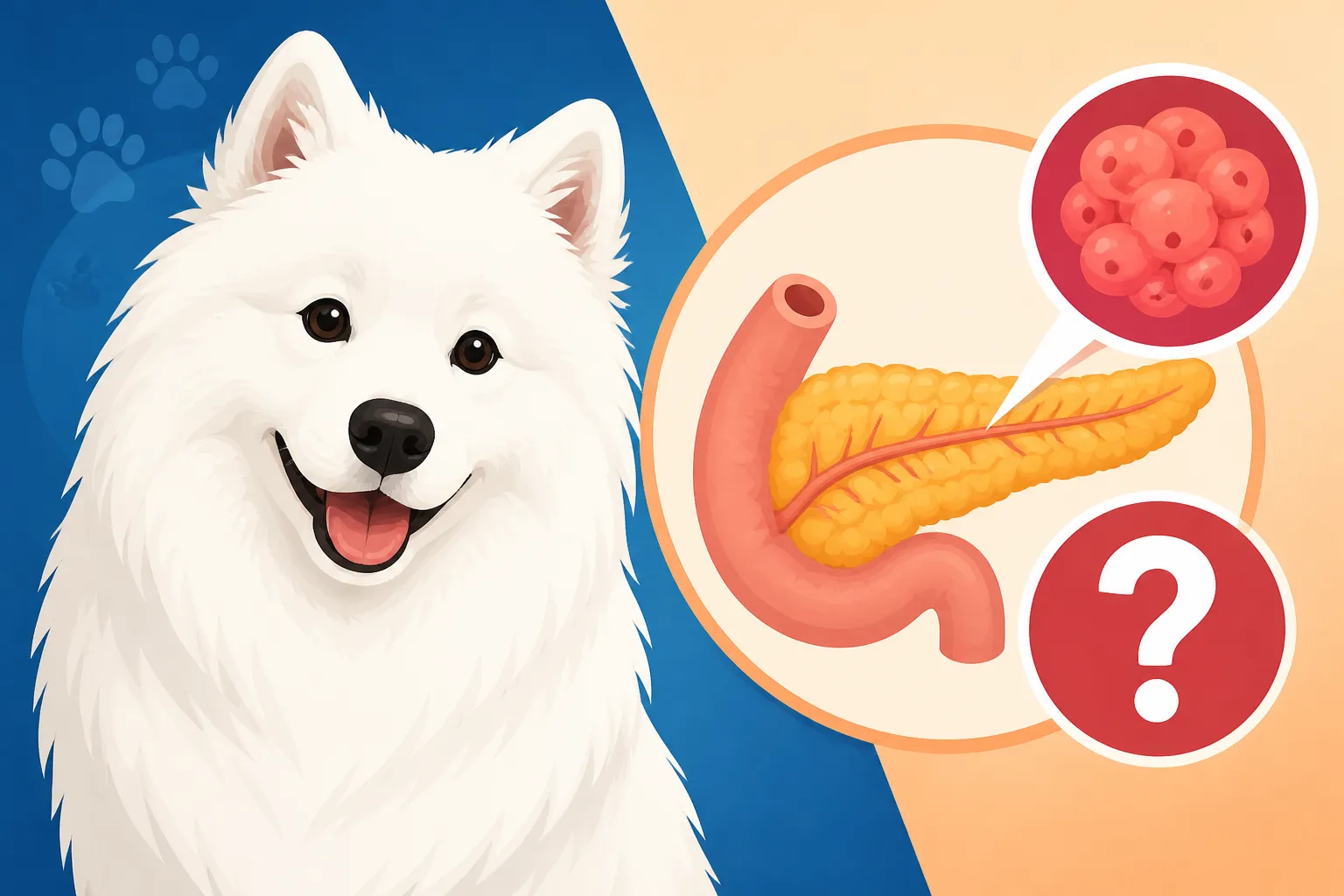
To truly grasp what pancreatitis means for your Samoyed, it helps to understand what the pancreas actually does. This small, but mighty, gland tucked away near the stomach and small intestine has two vital jobs. First, it produces powerful digestive enzymes that break down fats, proteins, and carbohydrates in the food your Samoyed eats. Without these enzymes, your dog wouldn't be able to absorb nutrients properly. Second, it produces hormones like insulin and glucagon, which regulate blood sugar levels. This dual function means that when the pancreas becomes inflamed – the definition of pancreatitis – both digestion and blood sugar regulation can go awry.
In a healthy dog, these digestive enzymes are only activated once they reach the small intestine. But with pancreatitis, something goes wrong, and these enzymes activate prematurely within the pancreas itself. Imagine a tiny chemical factory suddenly turning on its destructive machinery inside its own walls – that’s essentially what’s happening. These activated enzymes start to digest the pancreas, causing immense pain, inflammation, and potential damage to surrounding tissues and organs. It’s a truly awful process that can lead to systemic problems throughout the body.
Why Samoyeds Can Be at Risk
While not genetically predisposed, several factors can increase a Samoyed's risk of developing pancreatitis. One of the most common culprits across all breeds, including our furry white friends, is a sudden, high-fat meal. Think about that piece of bacon dropped on the floor, or the leftover holiday roast fat that seemed harmless at the time. A rich, fatty treat that might seem like a joyful indulgence for your Samoyed can, for some dogs, overwhelm the pancreas and trigger an acute attack. This is why you often hear the advice, "Whether a Fatty Meal Triggers Samoyed Pancreatitis" is a real concern, and why it's so important to be careful with human food.
Beyond diet, other factors can play a role. Certain medications, like some diuretics or corticosteroids, have been linked to pancreatitis. Trauma to the abdomen, underlying metabolic diseases like diabetes mellitus, or even some types of infections can also increase susceptibility. Overweight Samoyeds, unfortunately, carry a higher risk, as excess body fat can contribute to inflammation. This makes monitoring your Samoyed's weight crucial, especially since their thick double coat can sometimes hide a few extra pounds. Regularly feeling for their ribs is more reliable than just looking! For a deeper dive into preventing diabetes, which is often linked to pancreatitis, you might want to read about Why Pancreatitis Precedes Samoyed Diabetes. It's a complex interplay of factors, and sometimes, no clear cause can be identified, which is frustrating for owners and vets alike.
Recognizing the Subtle Signs of Pancreatitis in a Samoyed
One of the biggest challenges with Samoyeds is their incredible ability to keep a stiff upper lip, so to speak. They are notoriously stoic, and this can make detecting illness incredibly difficult. Many Samoyed owners can attest to how their normally effusive dog can suddenly become quiet, or just "off," before showing any obvious signs of pain or discomfort. This characteristic is why it's vital to be acutely aware of even the most subtle changes in behavior or appetite if you suspect something is amiss, because "How a Samoyed Hides Illness Behind a Smile" is a very real phenomenon. Pancreatitis is no exception; the early signs can be easily missed if you're not paying close attention.
The symptoms of pancreatitis can vary widely in severity, from mild, intermittent discomfort to a sudden, life-threatening crisis. In milder cases, your Samoyed might just seem a bit lethargic, perhaps not as eager for their morning walk or their usual playtime. They might refuse a meal or two, or show a reduced appetite. You might notice some mild vomiting or soft stool. These are all things that could be dismissed as an upset stomach, but if they persist or combine with other signs, they warrant immediate veterinary attention.
In more severe acute cases, the signs become much more dramatic and alarming. Your Samoyed might experience severe, repeated vomiting and diarrhea, which can quickly lead to dehydration. They will likely be in significant pain, which they might manifest as a hunched posture, a reluctance to move, or crying out when their abdomen is touched. Fever, weakness, and extreme lethargy are also common. Their gums might appear pale, and they could even go into shock. Because a Samoyed is generally a robust and energetic breed, any sudden and marked decrease in their activity level, combined with gastrointestinal upset, should be treated as an emergency. It is a terrifying experience to see your vibrant, happy companion suddenly so ill, and quick action is key to a positive outcome.
Key Symptoms to Watch For
When you're trying to figure out if your Samoyed might be suffering from pancreatitis, it helps to know the specific indicators to look for. Beyond the general lethargy or reduced appetite, there are a few tell-tale signs that should immediately raise a red flag. These include:
- Vomiting: This is one of the most common and often earliest signs. It can be just once or twice, or it can be persistent and severe.
- Diarrhea: Often accompanies vomiting, and can range from soft stools to watery, foul-smelling diarrhea.
- Abdominal Pain: This can be tricky to spot in a stoic Samoyed. They might adopt a "prayer position" – front legs on the ground, hind end raised – in an attempt to alleviate abdominal discomfort. They might also growl or snap if you try to touch their belly, or simply refuse to let you near it.
- Lethargy and Weakness: Your normally energetic Samoyed might be unusually quiet, sleep more than usual, and have no interest in walks or play.
- Loss of Appetite (Anorexia): Refusing food and even treats is a significant sign that something is seriously wrong.
- Dehydration: Due to vomiting and/or diarrhea, their gums might feel tacky, and their skin might lose elasticity.
- Fever: Their body temperature might be elevated.
- Jaundice: In very severe cases, if the bile duct becomes obstructed by the inflamed pancreas, you might notice a yellow tinge to their gums, skin, or the whites of their eyes.
It's important to remember that not every Samoyed will show all these symptoms, and the intensity can vary. If you notice any combination of these signs, especially vomiting and abdominal pain, it’s time to call your vet immediately. Don’t wait it out; early intervention can make a huge difference in the outcome. For a comprehensive overview of what to look for, check out Signs a Samoyed Has Pancreatitis.
| Symptom Category | Mild Pancreatitis | Severe Pancreatitis |
|---|---|---|
| Energy Level | Slightly reduced, less enthusiastic | Extremely lethargic, weak, unwilling to move |
| Appetite | Picky, skips a meal or two | Complete refusal of food and water (anorexia) |
| Vomiting | Occasional, maybe once or twice | Frequent, severe, often projectile |
| Diarrhea | Soft stool, mild frequency | Watery, profuse, possibly bloody |
| Abdominal Pain | Subtle, hunched posture, guarded | Intense, crying, "prayer position," cries when touched |
| Hydration | Normal to slightly decreased | Severely dehydrated, tacky gums |
| Other | Mild fever, general malaise | High fever, shock, collapse, jaundice |
Getting a Diagnosis
Diagnosing pancreatitis in Samoyeds, especially in its milder forms, can be a bit like detective work because many of the initial symptoms are quite non-specific and could indicate other issues like gastroenteritis or even foreign body ingestion. Your veterinarian will start with a thorough physical examination, looking for signs of pain, dehydration, and changes in vital signs. They’ll ask you detailed questions about your Samoyed’s recent diet, any new medications, and the onset and progression of symptoms.
Blood tests are a crucial part of the diagnostic process. While routine bloodwork might show elevated white blood cell counts (indicating inflammation), specific pancreatic enzyme tests are more definitive. The canine pancreatic lipase immunoreactivity (cPLI) test is considered one of the most accurate for diagnosing pancreatitis in dogs, as it specifically measures lipase originating from the pancreas. An elevated cPLI level strongly suggests pancreatitis. Other blood tests, such as amylase and lipase, can also be used, but they are less specific than the cPLI. Your vet might also run tests to check for underlying conditions, such as diabetes, given the link between the two. Imaging studies, particularly an abdominal ultrasound, can be incredibly helpful. An ultrasound allows the vet to visualize the pancreas directly, looking for signs of inflammation, swelling, or surrounding fluid accumulation. This can confirm the diagnosis and help assess the severity of the inflammation. Sometimes, multiple tests are needed to get a clear picture. The cost of these diagnostic procedures can add up, making it clear why comprehensive pet insurance like Healthy Paws can be a real lifesaver for Samoyed owners.
Treatment and Long-Term Management for Samoyeds
Once your Samoyed has been diagnosed with pancreatitis, the primary goals of treatment are to reduce inflammation, manage pain, prevent dehydration, and address any secondary complications. There's no single "cure" for pancreatitis; instead, treatment focuses on supportive care to allow the pancreas to heal itself. This typically involves a multi-faceted approach, tailored to the individual dog's condition and the severity of the pancreatitis. It's a challenging time for both you and your Samoyed, but with dedicated veterinary care and your diligent home support, many dogs make a good recovery.
One of the most immediate and critical aspects of treatment is fluid therapy. Dogs with pancreatitis often experience significant fluid loss through vomiting and diarrhea, leading to dehydration. Intravenous (IV) fluids are administered to correct dehydration, maintain electrolyte balance, and support blood pressure. These fluids also help "flush" the pancreas, which can aid in reducing inflammation. Pain management is another cornerstone of treatment, as pancreatitis is an incredibly painful condition. Strong pain medications, often opioids, are prescribed to keep your Samoyed comfortable. Your vet will also likely administer anti-nausea medications to control vomiting, which not only improves comfort but also helps prevent further dehydration and allows the pancreas to rest.
For food, historically, vets would recommend "NPO" (nothing by mouth) for a few days to rest the pancreas. However, current veterinary thinking often favors early nutritional support, sometimes through a feeding tube if the dog is unable to eat on its own. Small, frequent meals of a low-fat, highly digestible prescription diet are typically introduced once vomiting is under control. This is a crucial step in recovery and long-term management. These specialized diets help minimize the stimulation of pancreatic enzymes, giving the pancreas a chance to recover without being overworked. Your vet will guide you on the specific dietary changes needed, which might be a temporary measure or a long-term commitment, depending on whether the pancreatitis becomes chronic. Knowing that you have financial support for these often-expensive prescription foods and frequent vet visits can make a huge difference, which is where a reliable pet insurance provider like Healthy Paws truly shines.
Managing Acute Pancreatitis
When your Samoyed experiences an acute flare-up of pancreatitis, swift and aggressive veterinary intervention is key. This phase often requires hospitalization, especially for severe cases. During this time, your Samoyed will be closely monitored, receiving continuous IV fluids, potent pain relief, anti-emetic medications to stop vomiting, and possibly antibiotics if a secondary bacterial infection is suspected (though not routinely used otherwise). The goal is to stabilize your dog, alleviate their pain, and prevent the condition from worsening or leading to systemic complications. The severity of acute pancreatitis can range from mild, which might only require a day or two of supportive care, to severe necrotizing pancreatitis, which can be life-threatening and require intensive care for a week or more.
It’s an incredibly stressful time as an owner, watching your normally vibrant Samoyed fight such a painful illness. You’ll be in constant communication with your vet, getting updates on their progress. Once your Samoyed is stable, eating small amounts, and showing signs of improvement, they will be discharged with a strict regimen of medications and a special diet. It's essential to follow these instructions precisely, as relapse can be common if care isn't consistent. For Samoyeds that are already seniors, or are dealing with other health issues such as The Age a Samoyed Counts as a Senior or Caring for a Samoyed Past Nine, the recovery can sometimes be a bit slower and require even more meticulous care.
Living with Chronic Pancreatitis
While some Samoyeds experience acute pancreatitis and recover fully without recurrence, others may develop chronic pancreatitis. This means they have ongoing, low-grade inflammation of the pancreas, which can lead to recurrent flare-ups or persistent digestive issues. Managing chronic pancreatitis is a long-term commitment, primarily centered around strict dietary control. A low-fat, highly digestible diet becomes a permanent fixture, often a prescription veterinary diet that your vet will recommend. It's imperative to avoid all fatty treats, table scraps, and anything not approved by your veterinarian. Even a small indiscretion can trigger another painful episode.
Regular veterinary check-ups are essential to monitor your Samoyed's condition, adjust medications if needed, and watch for any signs of recurrence or complications. Blood tests to check pancreatic enzyme levels might be performed periodically. In some cases, supplements containing pancreatic enzymes might be prescribed if the pancreas is no longer producing enough of its own digestive enzymes (a condition called Exocrine Pancreatic Insufficiency, or EPI, which can be a consequence of severe or chronic pancreatitis). It can also be beneficial to ensure your Samoyed maintains a healthy weight; if they are overweight, working with your vet on a safe weight loss plan is crucial, as an overweight Samoyed is at higher risk for recurrence. For more on weight management, you can refer to Signs a Samoyed Is Overweight. Living with chronic pancreatitis means staying vigilant, consistent with diet and medication, and partnering closely with your veterinary team to ensure your Samoyed lives as comfortably and happily as possible. The peace of mind that comes with knowing your furry friend's ongoing treatments are covered by a policy from a provider like Healthy Paws truly helps.
Preventing Pancreatitis in Your Samoyed
When it comes to the health of your Samoyed, preventing problems before they start is always the best approach. While you can't eliminate the risk of pancreatitis entirely, especially in cases where the cause is unknown, there are several proactive steps you can take to significantly reduce your Samoyed's susceptibility to this painful condition. These measures focus heavily on diet and maintaining overall health, which are things you have a great deal of control over as a responsible pet parent.
The absolute cornerstone of pancreatitis prevention for any dog, including your Samoyed, is dietary management. This means being incredibly disciplined about what your dog eats. High-fat foods are the primary trigger for many cases of pancreatitis. Avoid giving your Samoyed fatty table scraps, bacon grease, excessive rich treats, or any food not specifically formulated for dogs. Even seemingly harmless "people food" can contain hidden fats that can upset a sensitive pancreas. If you have guests, make sure they understand not to feed your dog anything without your permission. Sticking to a high-quality, balanced dog food that is appropriate for your Samoyed's age and activity level is crucial. If your Samoyed has had a previous bout of pancreatitis, or if your vet identifies them as high-risk, a vet-prescribed low-fat diet might be a permanent necessity.
Beyond just avoiding fatty foods, managing your Samoyed's overall weight is also vital. An overweight Samoyed is at a higher risk for various health issues, including pancreatitis and diabetes. It's easy for their fluffy double coat to hide extra pounds, so make it a habit to regularly feel their ribs. You should be able to feel them easily without pressing hard, but they shouldn't be visibly protruding. If you suspect your Samoyed is overweight, consult your vet for a safe and effective weight loss plan. Regular exercise also plays a huge role in maintaining a healthy weight and overall wellness. While Samoyeds love to move, be mindful of their need for appropriate activity levels, considering their thick coats in warmer weather. Ensuring your Samoyed's general health, through regular vet check-ups, appropriate vaccinations, and prompt treatment of any underlying illnesses, further contributes to a strong immune system and reduces the chances of pancreatic inflammation. This comprehensive approach gives you the best chance to keep your Samoyed happy and healthy, potentially avoiding the financial strain of treatment which can be mitigated with pet insurance like Healthy Paws.
Understanding Dietary Triggers
It’s often those irresistible, pleading Samoyed eyes that get us, isn’t it? But when it comes to dietary triggers for pancreatitis, you truly have to be strong. Anything that constitutes a sudden, large influx of fat can overwhelm the pancreas. This isn't just about bacon; it can be butter, gravies, fried foods, rich dairy products, or even certain fatty cuts of meat. Some dogs are more sensitive than others, but it's impossible to know your dog's individual threshold before an incident occurs. Therefore, the safest bet is to avoid these foods altogether.
Even if your Samoyed usually tolerates small amounts of human food, a sudden increase or a particularly fatty item can be enough. For instance, a small piece of unseasoned chicken breast might be fine, but the fatty skin from a roasted chicken could be a disaster. Keep trash cans secure to prevent scavenging, and be diligent about educating family members and guests about what your Samoyed can and cannot eat. Remember, a moment of indulgence could lead to days or weeks of severe pain and veterinary bills.
The Role of Regular Vet Check-ups and Monitoring
Consistent veterinary care is your first line of defense against many health issues, including pancreatitis. During routine check-ups, your vet can assess your Samoyed's overall health, discuss their diet, monitor their weight, and conduct any necessary blood tests. While there isn't a routine screening test specifically for pancreatitis in healthy dogs, your vet might pick up on subtle signs that warrant further investigation. For instance, if your Samoyed has other health conditions, such as diabetes, hyperlipidemia (high fat in the blood), or certain endocrine disorders, they might be at increased risk. Promptly addressing these underlying conditions can indirectly help prevent pancreatitis.
Additionally, if your Samoyed is ever prescribed medications that could potentially trigger pancreatitis, such as corticosteroids, ensure your vet is aware of any previous gastrointestinal sensitivities your dog may have had. Always follow medication instructions carefully and report any adverse reactions immediately. Being proactive with your Samoyed’s health, from regular dental care to parasite prevention, contributes to their overall well-being and resilience. This comprehensive, preventive care ensures that any potential issues are caught early, giving your beautiful Samoyed the longest, healthiest, and happiest life possible.
Disclaimer
The information provided in this article is for general informational purposes only and is not intended as a substitute for professional veterinary advice. Always consult with a qualified veterinarian for any health concerns or before making any decisions related to your Samoyed's health or treatment plan.