Whether Spaying Reduces a Female Samoyed’s Diabetes Risk
It's completely natural to worry about your sweet Samoyed's health, and if you have a female, the question of whether spaying can reduce her risk of developing diabetes is a really important one. Many of us have heard whispers or read online that there's a connection, and it can be confusing to sift through all the information out there. This guide aims to clear up that confusion, diving deep into the science behind how a female Samoyed's reproductive hormones can influence her susceptibility to diabetes, and how spaying plays a significant role in mitigating that risk.
Understanding Diabetes Mellitus in Samoyeds
When we talk about diabetes in dogs, we're primarily referring to Diabetes Mellitus, a condition where the body either doesn't produce enough insulin or can't properly use the insulin it does produce. Insulin is a vital hormone, acting like a key that unlocks cells to allow glucose (sugar) from food to enter and be used for energy. Without enough insulin, or without cells responding to it, glucose builds up in the bloodstream, leading to a cascade of health problems.
The Basics of Canine Diabetes
Most commonly, dogs develop what's akin to Type 1 diabetes in humans, where the pancreas simply stops producing insulin. This is often due to an autoimmune destruction of the insulin-producing cells in the pancreas. These dogs become insulin-dependent for life, meaning they'll need daily insulin injections to manage their blood sugar. However, there's another form of diabetes, more akin to Type 2 in humans, where the body produces insulin, but the cells become resistant to its effects. While less common as a primary diagnosis in dogs, this insulin resistance can be triggered by various factors, including certain hormones, and it's particularly relevant when discussing female dogs and their reproductive cycles. If you've been noticing signs like excessive thirst or urination, it's worth understanding the potential causes. You can learn more about Signs a Samoyed Has Become Diabetic.
Why Samoyeds Get Diabetes
Like many purebred dogs, Samoyeds can have a genetic predisposition to certain health conditions, and diabetes is unfortunately one of them. While not as prevalent as in some other breeds like Bichon Frise or Poodles, Samoyeds can still be affected. Beyond genetics, other factors significantly increase the risk. Obesity is a huge culprit, leading to insulin resistance and putting extra strain on the pancreas. Certain medications, like long-term corticosteroids, can also induce diabetes. Pancreatitis, an inflammation of the pancreas, is another major risk factor. If the pancreas is repeatedly damaged, it can lose its ability to produce insulin. Understanding Why Pancreatitis Precedes Samoyed Diabetes can be crucial for prevention. The age a Samoyed typically develops diabetes often falls in their middle to senior years, usually between 4 and 14 years old, though it can occur at any age.
Unique Challenges for Female Samoyeds
Here's where the conversation gets particularly interesting for our female Samoyed companions. Female dogs, particularly those who are intact (not spayed), face a unique hormonal challenge that can significantly increase their risk of developing diabetes. Their natural reproductive cycles involve a complex interplay of hormones, some of which directly interfere with insulin's ability to do its job. This makes intact females statistically more susceptible to diabetes compared to their spayed counterparts or male dogs. It's a key consideration for any owner deciding on whether and when to spay.
The Link Between Hormones, Heat Cycles, and Diabetes Risk
This connection between a female Samoyed's natural heat cycles and her diabetes risk is often misunderstood, but it's a critical piece of the puzzle. It all comes down to a specific hormone and how it interacts with the body's glucose regulation system.
How Progesterone Influences Insulin Resistance
The primary culprit here is progesterone. This hormone is naturally produced in high quantities by the ovaries of an intact female dog during and after her heat cycle, specifically during a phase called diestrus. Progesterone's main role is to prepare and maintain the uterus for pregnancy. However, it has a significant side effect: it causes insulin resistance in the body's cells.
Think of it this way: insulin is the key, and glucose is the door. Progesterone essentially makes the lock on the door sticky. Even if there's enough insulin (keys) circulating, the cells don't respond as effectively, and glucose struggles to get in. To compensate, the pancreas has to work overtime, pumping out more and more insulin to try and overcome this resistance. For some dogs, this extra effort eventually becomes too much, and the pancreas can't keep up, leading to persistently high blood sugar levels and, ultimately, diabetes. This is why many veterinarians strongly recommend spaying unless you specifically plan to breed.
Diestrus and Diabetic Episodes
The period of diestrus, which follows estrus (the visible "heat"), is particularly risky. Progesterone levels remain elevated for about two months after a heat cycle, regardless of whether the female is pregnant. This prolonged exposure to high progesterone means a sustained period of insulin resistance. It's not uncommon for an intact female Samoyed to develop temporary, or even permanent, diabetes directly following a heat cycle. Some dogs might even show fluctuating blood sugar levels, making it tricky to diagnose early. If your intact female Samoyed shows any signs of illness after a heat, getting her checked for diabetes is important. You can find out more about Diabetes Mellitus in a Samoyed to better understand this condition.
The Impact of Repeated Heat Cycles
Every time an intact female Samoyed goes through a heat cycle, her body is subjected to these high progesterone levels and the subsequent insulin resistance. For some, their pancreas might be robust enough to handle one or two cycles without issue. But with each subsequent heat, the cumulative strain on the insulin-producing cells increases. It's like constantly revving an engine to its maximum; eventually, wear and tear will take its toll. The more heat cycles a female experiences, especially as she ages, the greater the likelihood that her pancreas will eventually falter, leading to diabetes. This cumulative effect is why early spaying is often considered a preventative measure, particularly if there's any family history of diabetes or other predispositions.
Spaying as a Mitigating Factor for Diabetes
Given the strong hormonal link, it becomes clear why spaying is such an effective strategy for reducing diabetes risk in female Samoyeds. It directly addresses the root cause of hormonally induced insulin resistance.
Eliminating Progesterone Fluctuations
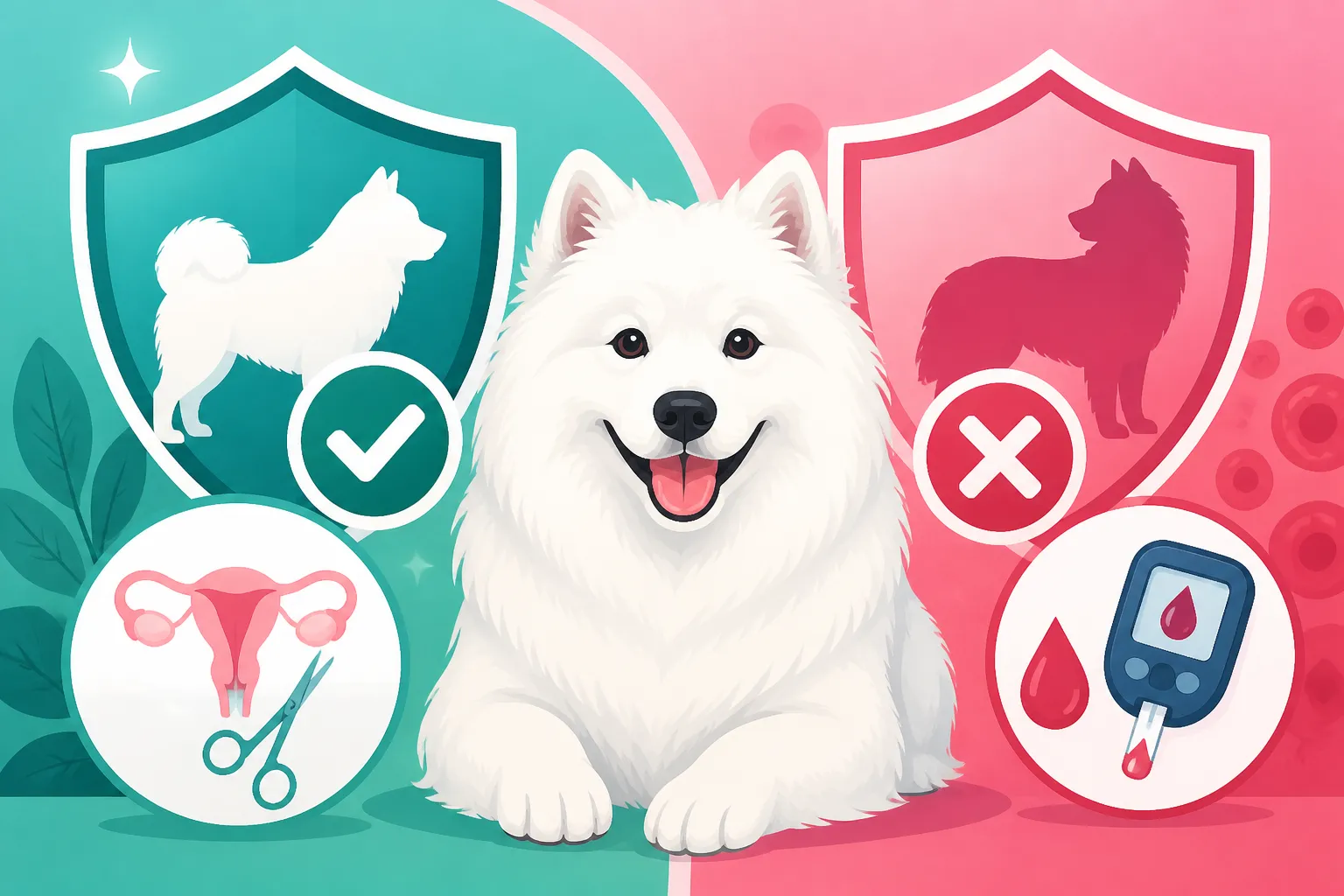
When a female Samoyed is spayed, her ovaries are surgically removed. This is called an ovariectomy or an ovariohysterectomy. Without the ovaries, the primary source of progesterone in her body is gone. This means no more cyclical fluctuations of progesterone, no more sustained periods of high progesterone during diestrus, and critically, no more hormonally-induced insulin resistance. By removing the ovaries, you remove the "sticky lock" that progesterone creates for insulin.
This stabilization of hormone levels allows the pancreas to function more consistently without having to constantly overcompensate. For many female Samoyeds, this simple procedure can dramatically lower their lifetime risk of developing diabetes that is linked to their reproductive cycle. It's a proactive step that can contribute significantly to their long-term endocrine health. Regular veterinary check-ups are still important, and a good pet insurance plan like those offered by Healthy Paws can help cover the costs of routine care and any unexpected health issues.
Timing of Spaying and Risk Reduction
The timing of spaying is another frequently discussed topic, particularly concerning mammary cancer risk. For diabetes, the earlier a female is spayed before experiencing multiple heat cycles, the less cumulative exposure her pancreas has had to progesterone-induced insulin resistance. While there isn't a universally agreed-upon "perfect" age for every single dog, and factors like breed size and growth plate closure are often considered for orthopedic health, from a diabetes perspective, spaying before several heats occur is generally seen as beneficial.
Some veterinarians might recommend spaying before the first heat, while others might suggest waiting until after the first heat. The key takeaway for diabetes prevention is to avoid prolonged exposure to multiple heat cycles if you're not planning to breed. Discussing the ideal timing with your vet, taking into account your Samoyed's individual health, growth, and your lifestyle, is always the best approach. They can weigh the benefits and potential downsides specific to your furry family member.
Other Health Benefits of Spaying
While our main focus here is diabetes, it's worth briefly touching on the other significant health benefits that spaying provides. One of the most well-known is the dramatic reduction in the risk of mammary tumors, especially if performed before the first or second heat cycle. These tumors can be aggressive and life-threatening. Spaying also completely eliminates the risk of pyometra, a severe, life-threatening uterine infection common in intact older females, which requires emergency surgery. It also prevents unwanted pregnancies, reduces roaming behaviors often associated with finding a mate, and eliminates messy heat cycles in the home. It’s a comprehensive health decision that impacts many aspects of your Samoyed's wellbeing.
Beyond Spaying: Comprehensive Diabetes Prevention for Your Samoyed
While spaying a female Samoyed significantly reduces a specific type of diabetes risk, it's crucial to understand that it's not a magic bullet guaranteeing a diabetes-free life. Other factors still play a huge role, and a holistic approach to your Samoyed's health is always the best strategy for prevention.
Maintaining a Healthy Weight
This cannot be stressed enough: obesity is a major risk factor for diabetes in dogs, just as it is in humans. Excess body fat can lead to insulin resistance, making it harder for your Samoyed's body to use glucose effectively. An overweight pancreas has to work harder, and eventually, it can become exhausted, leading to diabetes. Regular monitoring of your Samoyed's weight, ensuring they maintain a lean body condition, is paramount. You should be able to easily feel their ribs without seeing them, and they should have a visible waist tuck when viewed from above. It’s a concern many owners have, and you might wonder Whether an Overweight Samoyed Is More Likely to Get Diabetes. Preventing obesity means a healthier pancreas and a lower risk of diabetes.
Consistent Diet and Exercise
A balanced, consistent diet is fundamental. While there isn't a single "anti-diabetes" diet for prevention, feeding a high-quality, appropriate-for-age and activity-level dog food, and avoiding excessive treats or human food scraps, is key. Consistency helps stabilize blood sugar levels. Sudden changes or highly fatty meals can sometimes trigger issues like pancreatitis, which, as we discussed, can precede diabetes.
Regular, moderate exercise also plays a vital role. Activity helps the body utilize glucose more efficiently and maintains a healthy metabolism. Samoyeds are energetic dogs, originally bred for pulling sleds and herding reindeer, so they thrive on activity. Daily walks, playtime in a secure yard, or even dog sports like canicross can keep them fit. Remember, a fit Samoyed is a healthier Samoyed.
Regular Veterinary Check-ups and Monitoring
Even with the best preventative care, regular veterinary check-ups are non-negotiable. Your vet can monitor your Samoyed's overall health, track weight, and perform routine blood and urine tests. These tests can catch subtle changes in blood glucose or other markers that might indicate an increased risk for diabetes before overt symptoms appear. For instance, your vet might suggest yearly glucose bloodwork as part of a wellness panel, especially as your Samoyed approaches middle age. Pet insurance plans, such as those from Healthy Paws, are excellent for budgeting these routine preventative care costs, making sure you don't have to choose between your wallet and your pet's well-being.
If you ever notice symptoms like increased thirst (polydipsia) or increased urination (polyuria), these are classic signs of diabetes and warrant an immediate vet visit. Paying attention to Why a Samoyed Owner Should Track Water Intake and recognizing When Sudden Thirst in a Samoyed Means Diabetes can be life-saving. Early detection and management are crucial for a good prognosis if diabetes does develop. Managing a diabetic Samoyed is a lifelong commitment, but with diligence, they can still live full and happy lives. You can find out more about Whether a Diabetic Samoyed Lives a Normal Span and what's involved in Managing a Diabetic Samoyed.
| Factor | Intact Female Samoyed Risk | Spayed Female Samoyed Risk | General Prevention for All Samoyeds |
|---|---|---|---|
| Hormonal Influence | High (progesterone-induced insulin resistance) | Negligible (ovaries removed) | N/A |
| Mammary Tumors | High | Dramatically Reduced | N/A |
| Pyometra | High | Eliminated | N/A |
| Obesity | High | Moderate (can still occur if diet/exercise not managed) | Critical: Healthy weight management |
| Pancreatitis | Moderate | Moderate | Avoid high-fat foods, genetic predisposition awareness |
| Unwanted Pregnancy | High | Eliminated | N/A |
| Heat Cycles | Present | Absent | N/A |
| Genetic Predisposition | Present | Present | Awareness, responsible breeding |
The question of whether spaying reduces a female Samoyed's diabetes risk is met with a resounding yes, primarily because it removes the hormonal roller coaster of progesterone that can lead to insulin resistance. This is a significant piece of the puzzle in ensuring their long-term health. However, it's just one part of a comprehensive health strategy that must also include diligent weight management, a consistent and healthy diet, regular exercise, and consistent veterinary care. By taking these steps, you give your beloved companion the best chance at a long, healthy, and diabetes-free life.
Disclaimer
The information provided in this article is for general educational purposes only and is not intended as a substitute for professional veterinary advice. Always consult with a qualified veterinarian for any health concerns or before making any decisions about your Samoyed's medical care, including spaying or diabetes management.