Whether a Samoyed’s Hip Score Predicts Later Arthritis
The worry over a Samoyed's hips is something almost every owner or prospective owner grapples with. You bring home this fluffy, joyful puppy, full of boundless energy, and in the back of your mind, there's always that nagging question: will they develop painful arthritis down the road? This guide aims to demystify hip scores, what they truly mean for your Samoyed's future, and how you can proactively support their joint health.
Understanding Hip Dysplasia and Samoyed Hips
It’s a truly disheartening thing to consider: our beloved Samoyeds, these magnificent working dogs, can be predisposed to debilitating joint issues. Hip dysplasia is one of the most common and feared conditions, casting a long shadow over their potential lifespan and quality of life. Understanding what it is and why it's a particular concern for Samoyeds is the first step in addressing this complex issue.
What Exactly Is Hip Dysplasia?
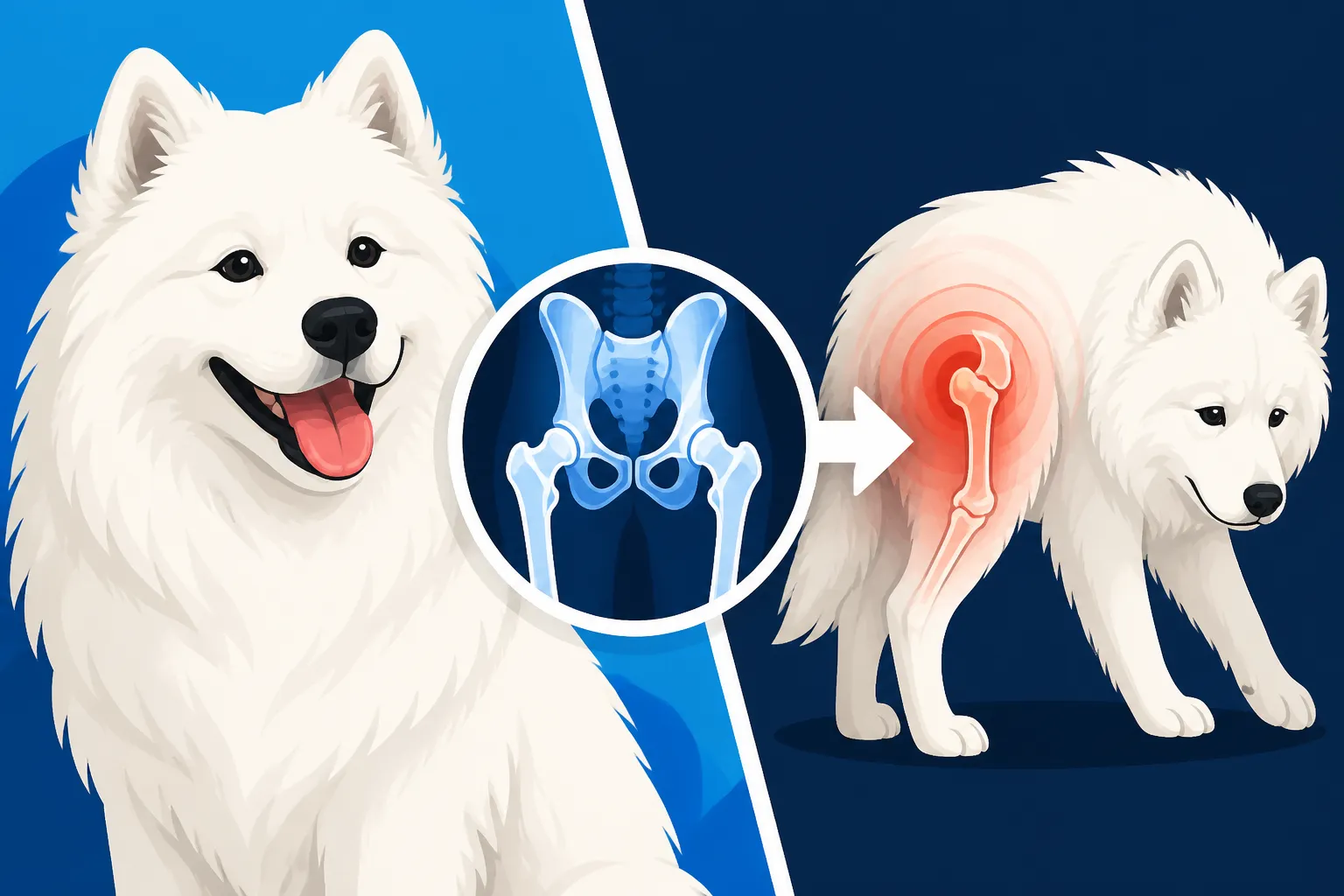
At its core, hip dysplasia is a malformation of the hip joint. Think of the hip as a ball and socket. In a healthy hip, the "ball" (the head of the femur, or thigh bone) fits snugly and smoothly into the "socket" (the acetabulum in the pelvis). When hip dysplasia is present, this fit is imperfect. The socket might be too shallow, the ball might be flattened, or the ligaments that hold them together might be too loose. This poor fit causes the bones to rub and grind against each other, rather than gliding smoothly. Over time, this constant friction leads to wear and tear, inflammation, and ultimately, the development of painful degenerative joint disease, or arthritis.
It's not just a physical problem; it's a deeply frustrating one for owners. You might see a puppy that seems perfectly fine, running and playing without a care in the world, only for signs of discomfort to emerge later. This insidious progression is what makes it so hard to predict and why early screening and understanding are so crucial. The condition can range from mild laxity, where the hip joint is just a little loose, to severe malformation, where the ball is almost completely out of the socket. The severity often dictates how early and how significantly arthritis will manifest.
Why Samoyeds Are Prone to Hip Issues
Samoyeds, like many medium-to-large breed dogs, are unfortunately genetically predisposed to hip dysplasia. This isn't to say every Samoyed will develop it, but the breed as a whole carries a higher risk compared to some smaller breeds. Their athletic build and the demands historically placed on them as working dogs – pulling sleds, herding reindeer – mean that strong, healthy joints were (and still are) paramount. When those joints are compromised, it affects their entire livelihood and their ability to enjoy a pain-free life.
The genetic component is significant, meaning it can be passed down from parents to offspring. However, it's not a simple one-gene problem; it's polygenic, influenced by multiple genes. This makes breeding for hip health a complex challenge, even for the most dedicated breeders. Beyond genetics, environmental factors play a huge role. Things like rapid growth in puppies, improper nutrition, excessive exercise (especially high-impact activities) during critical growth phases, and obesity can all exacerbate any genetic predisposition. It's a cruel irony that the very activity Samoyeds love—running and playing—can, if unsupervised or overdone during puppyhood, contribute to the development or worsening of hip issues. This combination of genetic lottery and environmental influence is why there’s so much anxiety around predicting and preventing this condition.
The Agonizing Uncertainty of a Seemingly Healthy Puppy Developing Issues Later
There's a unique kind of dread that comes with owning a breed prone to hip dysplasia. You bring home your fluffy white cloud, full of bounciness and joy, and you just want them to live a long, happy, pain-free life. Yet, in the back of your mind, you might constantly be analyzing their gait, wondering if that slight hesitation before jumping is a red flag, or if their newfound laziness is just puppy fatigue or something more ominous. This uncertainty is incredibly stressful for caring owners.
What makes it even more agonizing is that symptoms often don't appear until a dog is older, sometimes even into their senior years. A Samoyed puppy with mild hip dysplasia might show no outward signs of discomfort because their body is still growing and adapting. The cartilage is soft, and their muscle mass can often compensate for joint laxity. It's only as they age, as that protective cartilage wears down and arthritis sets in, that the pain becomes undeniable. This means you might invest years of love, training, and care into a dog, only to face the heartbreaking reality of managing chronic pain and reduced mobility later on. It truly highlights why owners search for answers early, hoping that a hip score can offer some definitive peace of mind, even if that peace is sometimes fleeting.
The Role of Hip Scoring Systems
Given the prevalence and impact of hip dysplasia, various systems have been developed over the years to assess hip health. These systems aim to provide breeders and owners with a snapshot of a dog's hip conformation and, hopefully, a prediction of their future joint health. The two most widely recognized systems in North America are the Orthopedic Foundation for Animals (OFA) and the University of Pennsylvania Hip Improvement Program (PennHIP).
OFA Certification: How It Works and Its Limitations
The OFA system has been the gold standard for many years, offering a standardized method for evaluating canine hips and elbows. To get an OFA certification, your Samoyed typically needs to be at least 24 months old. A vet takes specific X-rays of the hips, which are then submitted to the OFA. Three independent, board-certified radiologists review these X-rays and assign a grade: Excellent, Good, Fair (all considered passing and acceptable for breeding), Borderline, or Dysplastic (Mild, Moderate, or Severe).
The idea behind OFA is to identify dogs with healthy hips for breeding programs, thereby reducing the incidence of hip dysplasia over generations. For a breeder, getting an OFA "Good" or "Excellent" score for their breeding stock is a point of pride and a crucial part of their commitment to the breed's health. The process for The Age a Samoyed Is Certified by OFA ensures that the bones are fully developed, giving a more accurate picture. However, the OFA system does have its limitations. It's a single static image, meaning it only captures the hip at one moment in time. While experienced radiologists can infer a lot from these images, it doesn't account for dynamic laxity (how much the joint moves under stress), which is a key predictor of hip dysplasia. Furthermore, while a "Fair" score is technically passing, it still indicates some minor conformational issues that could potentially lead to arthritis later, even if the risk is considered low. This is where the uncertainty continues to linger for many concerned owners.
PennHIP Evaluation: A Different Approach and Its Benefits
PennHIP offers a different, arguably more predictive, approach to hip evaluation. Unlike OFA, which relies on a single, extended view X-ray, PennHIP uses three distinct X-ray views: a standard hip-extended view, a compression view, and a distraction view. The distraction view is the game-changer here. It measures the passive laxity, or looseness, of the hip joint. This is done by applying gentle pressure to push the femoral heads (the balls) out of the acetabula (the sockets), measuring how much they can be distracted. The result is a Distraction Index (DI) for each hip, a numerical value that ranges from 0 to 1.0. A DI closer to 0 indicates a very tight hip, while a DI closer to 1.0 indicates a very loose hip.
What makes PennHIP particularly appealing is that it can be performed on Samoyed puppies as young as 16 weeks old, offering much earlier insight into a dog's hip laxity. This proactive approach allows breeders to make informed decisions earlier, potentially preventing the breeding of dogs with looser hips. Research has also shown that PennHIP's DI is a strong predictor of which dogs will develop degenerative joint disease (arthritis) later in life. Dogs with tighter hips (lower DI values) are significantly less likely to develop arthritis. While more technically demanding and often requiring specialized training for the vets performing the X-rays, many argue that PennHIP provides a more comprehensive and statistically reliable assessment of hip health and future arthritis risk than OFA alone. This additional layer of information can provide a more concrete picture of long-term joint health, offering a measure of reassurance to owners concerned about their Samoyed's future mobility.
The Heartbreaking Reality That Even Good Scores Aren't a Guarantee
Here's where the rubber meets the road, and where many owners feel a knot of anxiety tighten in their stomachs: even a seemingly "perfect" hip score doesn't come with a lifetime guarantee against arthritis. You can do everything right – choose a breeder who meticulously screens their dogs with OFA Excellent or low PennHIP DI scores, ensure your Samoyed puppy grows slowly with appropriate nutrition, and manage their exercise carefully. Yet, the heartbreaking reality is that arthritis, in some form, can still emerge.
This isn't to say hip scores are useless; far from it. They significantly reduce the risk. However, they don't eliminate it entirely. Factors like an unforeseen injury, an autoimmune condition, or even just the cumulative wear and tear of an incredibly active life can contribute to arthritis, regardless of initial hip conformation. It’s also important to remember that hip dysplasia is complex. While screening for it is vital, other types of joint issues and genetic predispositions can exist. Sometimes, despite the best intentions and the highest standards of care, a Samoyed might develop Arthritis in an Older Samoyed due to a combination of genetics, environmental triggers, and sheer bad luck. This is where the practical side of owning a dog comes into play, and why considering options like pet insurance, for example, from providers such as Healthy Paws, can be a wise decision to help manage unforeseen veterinary costs later on.
Interpreting Hip Scores and Arthritis Risk
So, you have a hip score for your Samoyed – perhaps an OFA rating or a PennHIP DI. What does it actually tell you about the likelihood of your beautiful dog developing painful arthritis later in life? It’s rarely a simple yes or no, but rather a nuanced assessment of risk, influenced by many factors.
Does a "Good" Hip Score Mean No Arthritis?
Unfortunately, a "Good" or "Excellent" hip score from OFA, or a low Distraction Index from PennHIP, does not serve as an ironclad guarantee that your Samoyed will never experience arthritis. These scores indicate excellent joint conformation at the time of the X-ray, suggesting a significantly lower genetic predisposition to hip dysplasia and, consequently, a reduced risk of arthritis stemming from poor hip structure. It means the "ball" fits well in the "socket" and there's minimal laxity. This is fantastic news and a testament to responsible breeding practices.
However, arthritis is a complex, multifactorial disease. Even in humans with perfect joint anatomy, conditions like osteoarthritis can develop due to injury, overuse, inflammatory processes, or metabolic factors. The same applies to our canine companions. A Samoyed with perfect hips could still develop arthritis if they suffer a serious injury, are significantly overweight for an extended period, or engage in repetitive, high-impact activities without adequate rest and conditioning. Think of a competitive agility dog or a working sled dog – their joints endure immense stress, and even with genetically sound hips, some degree of wear and tear can occur over a lifetime. So, while a good hip score is absolutely foundational for long-term joint health, it's one very important piece of a much larger puzzle.
Factors Beyond Genetics Influencing Arthritis
While genetics provide the blueprint for your Samoyed's joints, numerous environmental and lifestyle factors act as architects, shaping how those joints perform and age. It's a common frustration to hear that "it's not just genetics!" when you've painstakingly selected a puppy from health-tested parents. But it's true, and understanding these factors empowers you to make proactive choices.
One of the biggest culprits is weight. An overweight Samoyed, even with perfect hips, places undue stress on all their joints. Every extra pound translates to increased pressure on the hips, knees, and elbows, accelerating cartilage wear and increasing inflammation. Keeping your Samoyed at a lean, healthy weight throughout their life is perhaps one of the most impactful things you can do to prevent or delay arthritis.
Exercise management is another critical factor. While Samoyeds need regular exercise, excessive or inappropriate activity, especially during their crucial growth phases (up to 18-24 months), can be detrimental. High-impact activities like repetitive jumping, long-distance running on hard surfaces, or strenuous fetching sessions on slippery floors should be minimized when they are puppies. Instead, focus on controlled walks, swimming, and mental stimulation. Even for adult Samoyeds, balancing activity with rest is key.
Nutrition plays a role too. Beyond preventing obesity, a balanced diet that supports healthy bone and joint development is important. Some owners opt for Joint Supplements for a Samoyed early on, containing ingredients like glucosamine, chondroitin, and Omega-3 fatty acids, though their efficacy can vary.
Lastly, injury and trauma can directly lead to arthritis. A torn cruciate ligament, a fracture, or even a bad fall can initiate a cascade of events that results in degenerative joint disease, regardless of prior hip health. This complex interplay of genetics, weight, exercise, nutrition, and injury highlights why predicting arthritis is so challenging and why a holistic approach to your Samoyed's care is essential.
The Hidden Costs of Managing Potential Arthritis
Managing arthritis in a Samoyed, even if it's "just" age-related or mild, can bring with it a significant financial burden that many owners don't anticipate. It's not just the visible pain your dog might be experiencing; it's the cost of diagnosing and treating a chronic condition that can truly add up over months and years. This is a real source of stress for owners who want to provide the best care but might not be prepared for the ongoing expenses.
Diagnosis itself often involves multiple vet visits, X-rays, and potentially other imaging like MRIs, especially if the initial cause isn't clear. Once diagnosed, treatment typically involves a multifaceted approach. This can include daily prescription pain medications (NSAIDs), which, while effective, are an ongoing expense and require regular bloodwork to monitor liver and kidney function. Some dogs might benefit from more advanced therapies like therapeutic laser treatments, acupuncture, physical therapy, or even regenerative medicine options like PRP (platelet-rich plasma) or stem cell therapy, all of which come with substantial price tags.
Then there are the long-term supplements, specialized diets, orthopedic beds, ramps, and non-slip flooring to help your Samoyed navigate their home more comfortably. In severe cases, surgical interventions might be considered, such as total hip replacement, which can easily run into the tens of thousands of dollars. These are not one-time costs; they are often lifelong commitments that can stretch the budget thin. This is precisely why many Samoyed owners explore pet insurance options. Companies like Healthy Paws can provide a crucial financial safety net, helping to cover a significant portion of these ongoing veterinary expenses, turning what could be a devastating financial blow into a manageable cost, and allowing you to focus on your Samoyed's comfort and well-being. Knowing What Insuring a Samoyed Costs Monthly can help you budget for such possibilities.
Early Signs of Arthritis in Samoyeds
Watching your once-bouncy Samoyed start to slow down or show signs of discomfort is truly heartbreaking. Their innate desire to please and their famously "smiling" disposition can sometimes mask pain, making it difficult for owners to recognize early signs of arthritis. Being vigilant and knowing what subtle changes to look for is crucial for early intervention and improving their quality of life.
Subtle Changes in Gait or Activity Levels
One of the earliest and most common indicators that your Samoyed might be developing arthritis is a change in their gait or overall activity level. This isn't usually a sudden limp, but rather a gradual, almost imperceptible shift that you might only notice if you're truly attuned to your dog's routines and movements. Perhaps they seem a little stiff when they first get up after a nap, taking a few steps to "warm up" before moving more fluidly. You might notice they hesitate before jumping into the car or onto the couch, or they choose to lie down rather than stand for extended periods.
Their playful energy might diminish subtly. The enthusiastic "Sammy spin" when you get the leash might be less vigorous, or they might tire more quickly on walks that they used to breeze through. They might lag behind on hikes, or show less interest in chasing a ball for as long as they once did. Sometimes, it's a change in the way they navigate stairs – taking them one step at a time, or opting for the ramp you didn't even realize they needed. These are not dramatic symptoms, but small, cumulative clues that their joints are no longer as comfortable as they once were. Catching these subtle shifts early is vital because it allows you to start supportive therapies before the arthritis progresses significantly.
Behavioral Cues Indicating Discomfort
Samoyeds are incredibly stoic creatures, often masking pain with their cheerful demeanor, which is part of How a Samoyed Hides Illness Behind a Smile. This makes it even more challenging for owners to detect discomfort solely from physical signs. However, their behavior can provide telling clues if you know what to look for. A Samoyed experiencing arthritic pain might become more withdrawn or less enthusiastic about interactions they once loved. They might greet you less boisterously, or they might shy away from being petted in certain areas, particularly around their hips or lower back.
You might notice changes in their sleep patterns; perhaps they struggle to get comfortable, frequently shifting positions, or they might wake up more often during the night. Licking at a particular joint excessively can also be a sign of pain or irritation. Some Samoyeds might even become a little grumpy or irritable, snapping or growling if touched in a sensitive spot, which is very out of character for this typically good-natured breed. They might hesitate to play with other dogs, or avoid roughhousing. If your Samoyed, who normally follows you everywhere, suddenly seems content to stay in one room, or prefers solitude, it's worth considering that discomfort might be the underlying cause. These behavioral changes are often their quiet way of communicating that something isn't quite right.
The Emotional Toll of Watching Your Playful Samoyed Slow Down
There’s an undeniable emotional weight that comes with watching your once vibrant, endlessly playful Samoyed begin to slow down due to arthritis. It's not just the physical pain they experience; it's the loss of their youthful exuberance, their boundless joy in movement, and the sense that a part of their spirit is dimming. For owners, this can be incredibly hard to process. You remember the puppy who bounded through snowdrifts, the adolescent who leaped with effortless grace, and the adult who pulled with such powerful determination. To see them struggle with stairs, hesitate before a jump, or wince when getting up is a constant, heartbreaking reminder of time passing and health declining.
The guilt can also be immense. You might second-guess every decision: "Did I exercise them too much when they were young?" "Should I have fed a different diet?" "Did I miss the early signs?" Even when you've done everything right, that emotional burden is heavy. You want to ease their pain, to restore their former vitality, and when you can't, it feels like a personal failure. This emotional toll often manifests in owners going to extraordinary lengths to adapt their homes, adjust their routines, and explore every possible treatment, all to give their beloved Samoyed as much comfort and happiness as possible in their golden years. It's a journey that tests the limits of compassion and dedication.
Managing and Preventing Arthritis in Samoyeds
While hip scores and genetics set a baseline, proactive management and preventative measures are truly where owners can make a tangible difference in their Samoyed's quality of life, especially as they age. Even if arthritis eventually develops, a diligent approach can significantly slow its progression and alleviate discomfort.
Weight Management and Appropriate Exercise
These two factors are arguably the most crucial components in both preventing and managing arthritis in Samoyeds. It’s a delicate balance, particularly with a breed as active and robust as a Samoyed.
Weight Management: This cannot be stressed enough. Every single extra pound your Samoyed carries puts additional strain on their joints, accelerating wear and tear on cartilage and exacerbating any existing hip or joint issues. Keeping your Samoyed lean throughout their life is paramount. This means feeding them a high-quality, balanced diet in appropriate portions, monitoring their caloric intake, and being mindful of treats. Don’t just rely on the feeding guidelines on the bag; adjust based on your dog's activity level and body condition. You should be able to easily feel your Samoyed's ribs without seeing them, and they should have a discernible waist when viewed from above. Regularly checking their weight and body condition with your vet is a good practice. If your Samoyed is overweight, even a small amount of weight loss can make a dramatic difference in their joint comfort and mobility, effectively reducing the strain on hips and knees. Remember, Whether a Samoyed Needs Fewer Calories Than Expected can sometimes be true due to their efficient metabolism.
Appropriate Exercise: This is especially vital during puppyhood and adolescence. While Samoyed puppies are bundles of energy, excessive high-impact exercise (like long runs, competitive agility before 18-24 months, or intense jumping) can damage developing joints. Focus instead on controlled, low-impact activities: multiple short walks on soft surfaces, swimming, and mental enrichment games. As they mature, ensure their exercise regimen is consistent but also tailored to their individual needs and health status. Avoid weekend warrior syndrome, where a dog is mostly inactive during the week then over-exercised on weekends. For older Samoyeds with existing arthritis, gentle, regular movement is still important to maintain muscle mass and joint flexibility, but activities should be shorter and less intense. Swimming is fantastic for all ages as it provides exercise without impact. Understanding What a Samoyed Needs Every Day for both physical and mental stimulation is key.
Dietary Supplements and Veterinary Interventions
Beyond weight and exercise, there are several supportive measures that, when used in conjunction with your veterinarian's guidance, can help manage arthritis symptoms and potentially slow progression.
Dietary Supplements: A range of supplements is available, and many owners consider giving their Samoyed Joint Supplements for a Samoyed. Common ingredients include glucosamine and chondroitin sulfate, which are building blocks for cartilage and may help reduce inflammation and support joint structure. Omega-3 fatty acids (like EPA and DHA, often derived from fish oil) are powerful natural anti-inflammatories that can significantly reduce joint pain and stiffness. MSM (Methylsulfonylmethane) is another popular supplement with anti-inflammatory properties. Always discuss dosages and specific products with your vet, as quality and efficacy can vary widely between brands. Some specific prescription diets are also formulated with higher levels of these joint-supporting nutrients.
Veterinary Interventions: When supplements and lifestyle changes aren't enough, your vet can offer a variety of medical treatments. Non-Steroidal Anti-Inflammatory Drugs (NSAIDs) are a cornerstone of pain management for arthritic dogs, significantly reducing inflammation and pain. Regular blood work is often required with long-term NSAID use to monitor kidney and liver function. Other medications, such as gabapentin, might be used for neuropathic pain, or Amantadine for chronic pain. Injectable treatments like Adequan (polysulfated glycosaminoglycan) can help improve joint fluid viscosity and promote cartilage repair. More advanced options include therapeutic laser therapy, which can reduce pain and inflammation, and physical rehabilitation programs that focus on strengthening surrounding muscles, improving range of motion, and teaching owners specific exercises. In severe cases, surgical options like total hip replacement or femoral head ostectomy might be considered, though these are typically last resorts. The right combination of these treatments can vastly improve a Samoyed’s comfort and mobility, extending their happy years.
Supporting Your Samoyed Through Its Senior Years
The shift into senior years can be a challenging but also incredibly rewarding time with your Samoyed. As arthritis progresses, their needs change, and thoughtful adaptations can make a world of difference. It's about ensuring their comfort, dignity, and continued engagement, even if their pace has slowed. This is where Caring for a Samoyed Past Nine becomes a very personalized journey.
Creating an "arthritis-friendly" home environment is key. This might mean laying down non-slip rugs on slick floors to prevent falls and provide better traction. Ramps or pet stairs can help them access elevated surfaces like beds, couches, or cars without painful jumping. An orthopedic bed, offering superior cushioning and support, can alleviate pressure points and provide a more comfortable resting place. Ensuring water bowls and food dishes are easily accessible and possibly raised can reduce strain on their neck and back.
Routine and gentle engagement are also vital. While their physical capabilities may diminish, their need for mental stimulation and companionship remains strong. Short, frequent, gentle walks are often better than one long, strenuous one. Continue with puzzle toys, scent games, and positive reinforcement training to keep their minds sharp. Gentle massage or warm compresses can also help soothe sore joints. Most importantly, continue to provide an abundance of love, patience, and understanding. Recognizing Whether an Old Samoyed Still Wants to Work and adapting activities to their current abilities will help them feel valued and engaged. Your presence and comfort mean the world to them, especially when they're no longer as agile as they once were.
The Breeder's Responsibility and Buyer's Due Diligence
Choosing a Samoyed puppy is a momentous decision, and it’s one that carries with it the responsibility of ensuring your new family member has the best possible start in life. When it comes to hip health and the risk of arthritis, the decisions made by breeders are absolutely foundational, and your due diligence as a buyer is equally critical.
Why a Reputable Breeder Prioritizes Health Clearances
A truly reputable Samoyed breeder understands that their responsibility extends far beyond producing cute puppies. Their paramount goal is to produce healthy, well-tempered dogs that embody the best of the breed, and this begins with meticulous health screening of their breeding stock. For conditions like hip dysplasia, this means a rigorous adherence to established health clearances.
Such breeders will always perform hip evaluations on both parent dogs before breeding them. This includes obtaining OFA certifications (aiming for "Good" or "Excellent" scores) or PennHIP evaluations (striving for low Distraction Index scores). They won't just tell you they "checked" the hips; they will provide verifiable documentation, often through public databases like the OFA website, showing the registered names and scores of both the sire and dam. They will also be transparent about the hip health of previous generations and relatives. This commitment isn't merely a formality; it's an ethical imperative. By carefully selecting breeding dogs with sound hip conformation, they significantly reduce the likelihood of passing on genes that predispose puppies to hip dysplasia and subsequent arthritis. This long-term, generational approach is the cornerstone of responsible breeding and demonstrates a deep commitment to the welfare of the breed.
Questions to Ask Your Breeder About Hip Health and Scores
When you're interviewing a Samoyed breeder, don't be shy about asking direct, specific questions about hip health. A reputable breeder will welcome your questions and be eager to educate you. Here are some critical inquiries:
- "Can I see the OFA or PennHIP clearances for both the sire and dam of this litter? What were their scores?" (Don't just take their word for it; ask to see the certificates or look up the dogs on the OFA public database by their registered names.)
- "At what age were the parents' hips evaluated?" (For OFA, full certification is at 24 months. For PennHIP, it can be as early as 16 weeks, but the older, the more mature the hip.)
- "What are the hip scores of previous generations or close relatives of the parents? Have any of their offspring developed hip dysplasia?" (A good breeder will track this information and be transparent about any issues that have arisen, understanding that no line is perfect.)
- "What is your breeding philosophy regarding hip health? Do you only breed dogs with 'Excellent' or very low DI scores, or do you consider 'Good' or slightly higher DI scores if the dog excels in other areas?" (This helps you understand their priorities and risk tolerance.)
- "What is your health guarantee regarding hip dysplasia, and what steps do you expect buyers to take to maintain hip health in their puppy?" (A good breeder will often have a clause in their contract about hip health and might offer a replacement or partial refund if severe hip dysplasia is diagnosed within a certain timeframe, often provided the puppy was not over-exercised or allowed to become overweight.)
Asking these questions not only gives you vital information but also helps you gauge the breeder's commitment to health and their willingness to be transparent. It's a key part of your own due diligence in ensuring you bring home a healthy Samoyed puppy.
The Crucial Importance of Checking the Health Tests Both Samoyed Parents Should Have
This cannot be overstressed: before committing to a Samoyed puppy, it is absolutely essential to verify the health tests of both parent dogs. This due diligence is the best protection you have against preventable health issues. You want to see proof, not just promises. The OFA and PennHIP certifications for hips are non-negotiable, but a comprehensive check includes more.
Beyond hips, reputable Samoyed breeders will also screen for other inherited conditions relevant to the breed, such as elbow dysplasia, various eye diseases (like Progressive Retinal Atrophy or Retinal Dysplasia, often via yearly CERF/OFA eye exams), and cardiac issues (e.g., Subaortic Stenosis). They should also test for The COL4A5 Test Every Samoyed Buyer Should Ask About which detects Samoyed Hereditary Glomerulopathy, a devastating kidney disease. These are The Health Tests Both Samoyed Parents Should Have as a minimum.
You can often verify these results by checking public databases like the OFA website, where many health clearances are listed by the dog's registered name. If a breeder is unwilling or unable to provide verifiable documentation for these tests, or if their dogs are not listed in public health registries, that should raise a significant red flag. It’s a painful truth that choosing a puppy from untested parents, simply because the price is lower or the wait shorter, often leads to much greater emotional and financial costs down the road. Investing time upfront in researching and verifying a breeder’s health testing practices is one of the most critical decisions you will make for your Samoyed’s long-term health and your peace of mind.
Comparing Hip Evaluation Methods
Understanding the nuances between OFA and PennHIP is key for Samoyed owners and prospective buyers. While both aim to assess hip quality, their methodologies and what they reveal about a dog's predisposition to arthritis differ significantly.
| Feature | OFA (Orthopedic Foundation for Animals) | PennHIP (University of Pennsylvania Hip Improvement Program) |
|---|---|---|
| Minimum Age for Eval. | 24 months (official certification) | 16 weeks (can be done earlier, but often done around 4-6 months) |
| Views Taken | Single hip-extended view | Three views: hip-extended, compression, and distraction |
| Key Measurement | Visual assessment of hip conformation and signs of degenerative disease | Distraction Index (DI) – a quantitative measure of hip laxity |
| Results Provided | Grades: Excellent, Good, Fair, Borderline, Mild Dysplasia, Moderate, Severe | Numerical DI score (0-1.0) for each hip, ranked within the breed |
| Predictive Value | Good for identifying obvious dysplasia; less predictive of subtle laxity | Excellent for predicting future risk of osteoarthritis based on laxity |
| Technician Expertise | Standard veterinary radiography skills | Specialized training and certification required for veterinarians |
| Cost | Generally less expensive per exam | Generally more expensive per exam |
| Accessibility | Widely available at most veterinary clinics | Limited to certified PennHIP veterinarians |
| Primary Goal | Certify phenotypically normal hips for breeding | Quantify hip laxity to identify dogs at risk for DJD (arthritis) |
This table illustrates that while OFA provides a valuable snapshot of hip conformation, PennHIP offers a more dynamic and statistically reliable measure of hip laxity, which is a strong predictor of future degenerative joint disease. Many reputable breeders are now opting for both, or at least PennHIP, to gain the most comprehensive understanding of their Samoyeds' hip health.
Disclaimer
The information provided in this article is for general informational and educational purposes only and is not a substitute for professional veterinary advice. Always consult with a qualified veterinarian for any health concerns or before making any decisions related to your Samoyed's health or medical care.