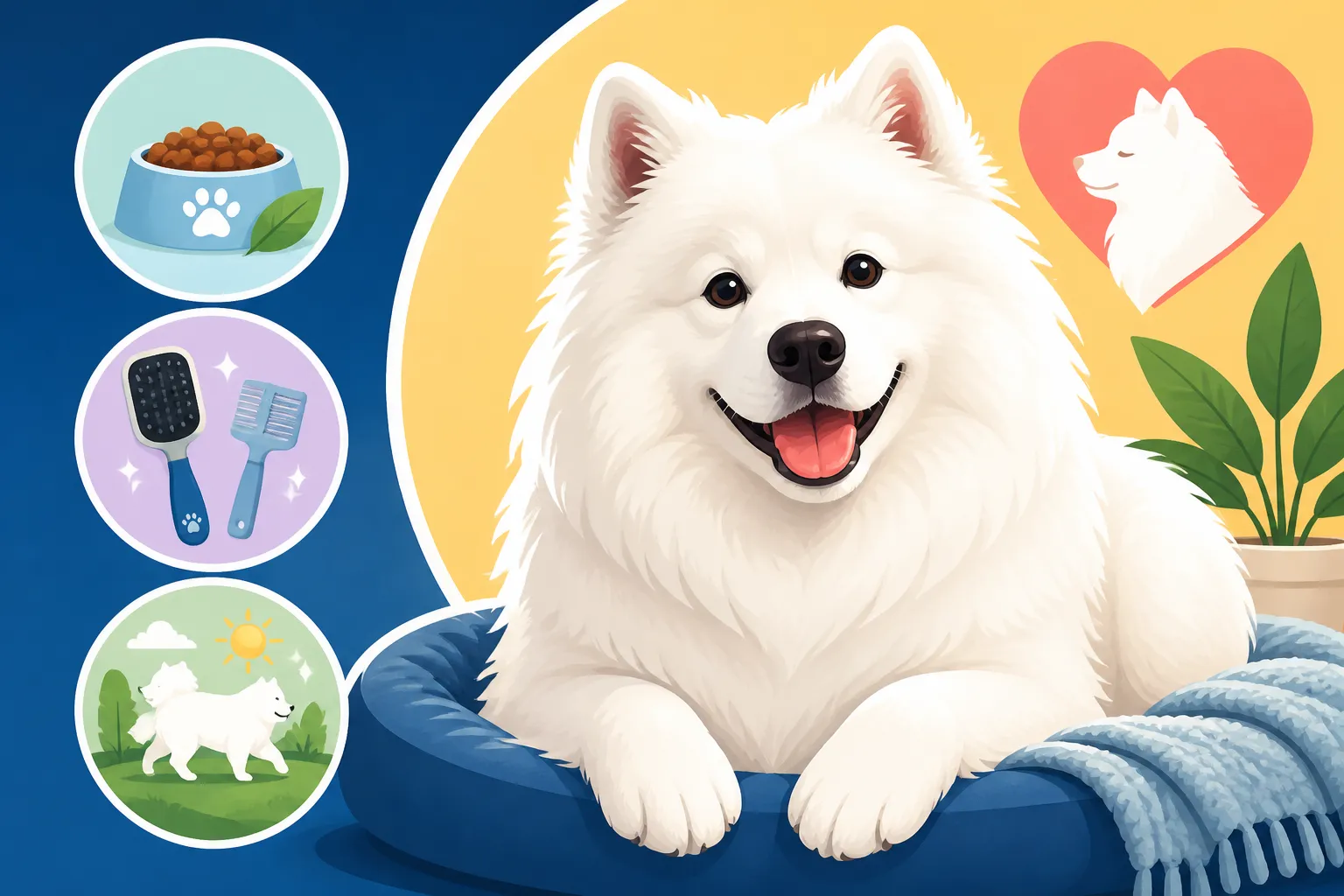
Caring for a Samoyed Past Nine
Watching your beloved Samoyed transition into their golden years can be a bittersweet experience. The boundless energy and playful exuberance might start to mellow, replaced by a slower gait and perhaps a few more naps. It's a natural part of life, but it also brings a whole new set of considerations and challenges for us, their devoted companions. This guide is here to walk you through the essential aspects of caring for your Samoyed once they hit that nine-year mark, ensuring their comfort, health, and happiness for as long as possible.
Understanding the Senior Samoyed
Just like people, dogs don't suddenly wake up one morning "old." The transition to senior status is a gradual shift, often starting subtly before becoming more noticeable. For Samoyeds, with their inherent joy and often stoic nature, recognizing these early signs can be particularly tricky.
When a Samoyed Becomes a Senior Citizen
While the exact age can vary based on genetics, lifestyle, and individual health, most veterinarians and Samoyed enthusiasts consider a Samoyed to be entering their senior years around the age of seven or eight. However, nine years old is generally when you'll really start to observe those distinct shifts. It’s not just a number on the calendar; it signifies a time when their body systems begin to slow down and their needs change more profoundly. Think of it as crossing a threshold where proactive senior care becomes absolutely vital.
This is the period when you might notice a slight decrease in their famous "Samoyed stamina." Perhaps they don't sprint to the door with quite the same gusto, or they’re quicker to settle down after a walk. Their zest for life is still there, of course, but the physical demands of maintaining it are greater. Understanding The Age a Samoyed Counts as a Senior helps set realistic expectations and prompts you to start implementing preventive measures that can truly make a difference in their longevity and quality of life.
Recognizing Subtle Signs of Aging
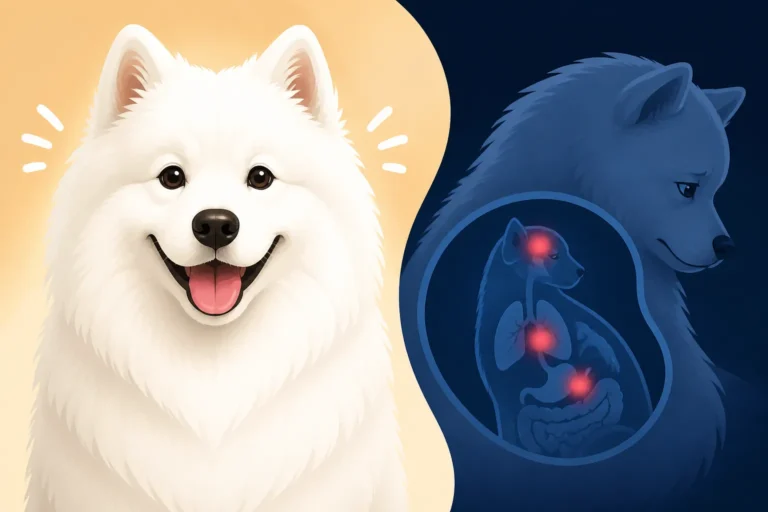
Samoyeds are famously resilient and often keep a brave face, making it difficult to spot discomfort or illness. Their ever-present "smile" can unfortunately become a mask, obscuring subtle signs that something isn't quite right. This characteristic is why it's so important for us, as their owners, to become incredibly observant during their senior years. We need to look beyond the happy expression and tune into the nuances of their daily behavior.
Pay close attention to changes in their routine, no matter how small. Is their appetite slightly off? Are they drinking more or less water? Do they seem less enthusiastic about playtime, or do they struggle to get up from a lying position after a long nap? These aren't necessarily alarming in isolation, but a combination of even minor shifts can indicate underlying issues. Learning How a Samoyed Hides Illness Behind a Smile is key to catching potential problems early, when intervention can be most effective.
One of the most common early indicators of aging in Samoyeds, often missed due to their fluffy coats, is stiffness or a slight reluctance to move. This might manifest as hesitation before jumping into the car or onto the sofa, or a slower pace on walks. You might not see overt limping, but rather a general decrease in fluidity. These subtle hints are your cue to start investigating whether pain, perhaps from early Arthritis in an Older Samoyed, is beginning to affect their comfort.
Nutritional Adjustments for Older Samoyeds
As Samoyeds age, their metabolism slows down, and their activity levels naturally decrease. What worked for them as a vibrant, active adult might not be appropriate for their golden years. Dietary adjustments are crucial to maintain a healthy weight, support aging organs, and manage potential health conditions.
Tailoring Diet for Senior Needs
The nutritional needs of an older Samoyed shift significantly. They generally require fewer calories to prevent weight gain, but the quality of those calories becomes even more important. Look for senior-specific dog foods that are formulated with lower fat and calorie content, but still provide adequate protein to maintain muscle mass. A diet rich in easily digestible proteins and beneficial nutrients can make a world of difference in how they feel day-to-day.
Many senior diets also incorporate ingredients designed to support joint health, cognitive function, and immune system strength. Brands like Purina Pro Plan Veterinary Diets and Hill's Science Diet offer specialized senior formulas that are often recommended by veterinarians. These often include antioxidants, omega-3 fatty acids, and specific vitamins. It’s not just about reducing calories; it's about providing targeted nutrition that addresses the specific challenges of aging.
It’s always a good idea to consult your veterinarian before making any drastic changes to your Samoyed’s diet. They can help you choose the best food based on your dog's individual health profile, activity level, and any specific health concerns they might have. Remember, Feeding an Old Samoyed isn't a one-size-fits-all approach; it requires thoughtful consideration and often, professional guidance.
The Role of Supplements in Senior Health
Beyond a balanced diet, certain supplements can play a vital supportive role in your senior Samoyed's health. Joint supplements are perhaps the most common and beneficial, especially given the prevalence of arthritis in older dogs. Ingredients like glucosamine, chondroitin, and MSM can help support cartilage health, reduce inflammation, and improve joint lubrication.
Omega-3 fatty acids, found in fish oil, are another excellent addition. They have anti-inflammatory properties that can benefit joints, skin, and coat, and they also support cognitive function. Some studies suggest they can even help with kidney health, which is a common concern in aging dogs. Always choose a high-quality supplement designed for dogs and consult your vet for appropriate dosing, as too much of a good thing can sometimes be detrimental.
Probiotics and prebiotics can also be beneficial, helping to maintain a healthy gut microbiome, which is essential for overall immune function and nutrient absorption. As their digestive system can become more sensitive with age, a healthy gut contributes to better digestion and fewer gastrointestinal upsets. Exploring Joint Supplements for a Samoyed and other beneficial additions can significantly enhance your older dog's comfort and vitality.
Weight Management and Hydration
Maintaining an ideal body weight is paramount for senior Samoyeds. Excess weight puts undue stress on aging joints, exacerbates conditions like arthritis, and can contribute to other health issues such as diabetes or heart disease. It's easy for their fluffy coats to hide a few extra pounds, so make it a habit to regularly feel along their ribs and spine. You should be able to feel their ribs with slight pressure, but they shouldn't be visibly protruding.
If your Samoyed is overweight, a controlled weight-loss plan, often involving a specific diet and modified exercise, is crucial. This needs to be done gradually and under veterinary supervision to ensure they still receive all necessary nutrients. Conversely, if your senior Samoyed starts losing weight unintentionally, it could be a sign of underlying illness, necessitating an immediate vet visit.
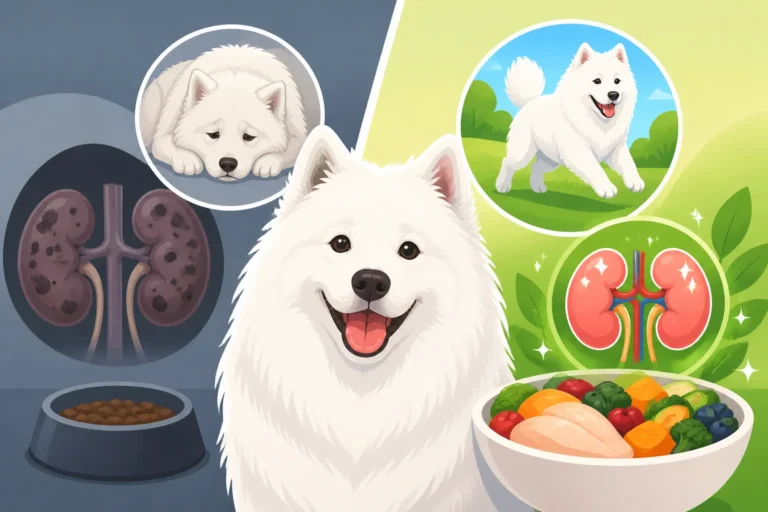
Hydration is also incredibly important. Older dogs can be more prone to dehydration, and adequate water intake is vital for kidney function and overall organ health. Ensure fresh water is always available, and consider adding a little water or broth to their kibble to increase fluid intake, especially if they're not keen on drinking from a bowl as much as they used to. Monitoring their water intake is a simple but effective way to keep an eye on their health.
Managing Common Health Issues in Senior Samoyeds
Aging brings with it an increased risk of various health conditions. For Samoyeds, vigilance and early intervention are key to managing these issues and maintaining their quality of life.
Addressing Joint Pain and Arthritis
Arthritis is one of the most common ailments affecting senior dogs, including Samoyeds. It's a progressive condition where the cartilage in their joints wears down, leading to pain, stiffness, and reduced mobility. You might notice your Samoyed hesitating to jump, struggling on stairs, or being slower to rise after resting. These are all signs that their joints might be bothering them, as detailed in Arthritis in an Older Samoyed.
Management typically involves a multi-modal approach. This can include prescription pain medications and anti-inflammatories from your vet, such as NSAIDs, along with the aforementioned joint supplements. Physical therapy, hydrotherapy, and even acupuncture can also be incredibly beneficial, helping to strengthen muscles, improve range of motion, and reduce pain without solely relying on medication. Creating a comfortable sleeping environment with supportive beds, as covered in What an Arthritic Samoyed Should Sleep On, is also critical.
Maintaining a healthy weight is perhaps the single most impactful thing you can do to alleviate joint stress. Even a few extra pounds can significantly worsen arthritic pain. Regular, gentle exercise helps keep joints mobile and muscles strong, but it must be appropriate for their current condition—think shorter, more frequent walks rather than long, strenuous hikes.
Dental Health and Oral Care
Dental disease is often overlooked but can cause significant pain and lead to other systemic health problems in senior dogs. Plaque and tartar buildup can lead to gingivitis and periodontal disease, where bacteria can enter the bloodstream and affect vital organs like the heart, kidneys, and liver. Bad breath is often the first sign, but by then, the problem is usually well-established.
Regular professional dental cleanings under anesthesia are essential for senior Samoyeds, just as they are for younger dogs. Your vet will assess their overall health to ensure they are good candidates for anesthesia. Between cleanings, try to brush your Samoyed's teeth daily with dog-specific toothpaste. If brushing isn't feasible, dental chews, water additives, or dental wipes can help, but they are generally less effective than brushing or professional cleaning.
Neglecting dental care can result in painful infections, tooth loss, and reluctance to eat, which in turn can lead to weight loss and further health complications. A healthy mouth contributes significantly to a senior Samoyed's overall comfort and well-being.
Vision, Hearing, and Cognitive Decline
As Samoyeds age, their senses may start to diminish. Vision loss, often due to cataracts or other eye conditions, is common. You might notice them bumping into furniture in unfamiliar environments or becoming more hesitant at night. Similarly, hearing loss can make them less responsive to commands or their name.
For vision loss, avoid rearranging furniture and maintain consistent routines to help them navigate their home confidently. For hearing loss, switch to hand signals or use vibrations (like stomping your foot) to get their attention. Patience and clear communication are key to helping them adapt to these changes.
Cognitive Dysfunction Syndrome (CDS), often compared to Alzheimer's in humans, can affect senior dogs. Signs include disorientation, altered sleep-wake cycles, changes in social interaction, and house-soiling accidents. You might observe them staring blankly at walls, pacing aimlessly, or forgetting previously learned commands. This can be distressing for owners, who might wonder Whether an Old Samoyed Gets Confused.
While there's no cure for CDS, medications and supplements (like S-adenosylmethionine or omega-3 fatty acids) can help manage symptoms and slow progression. Environmental enrichment, consistent routines, and mental stimulation through puzzle toys can also be beneficial. Early diagnosis and intervention can significantly improve their quality of life.
Internal Organ Health (Kidneys, Heart, Liver)
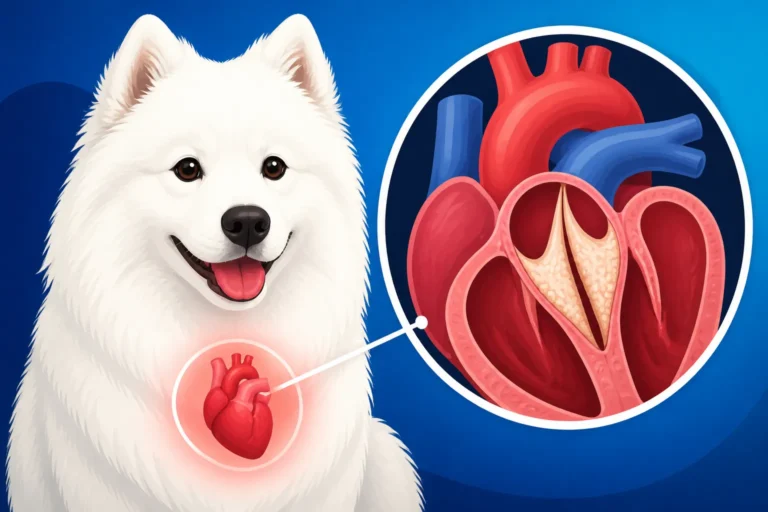
The internal organs also face challenges as a Samoyed ages. Kidney disease, heart disease, and liver issues become more prevalent. Regular veterinary check-ups are crucial for early detection and management of these conditions. For instance, Whether a Samoyed Needs Yearly Kidney Bloodwork becomes incredibly important for monitoring their renal function.
| Organ System | Common Senior Issues | Key Signs to Watch For | Management/Monitoring |
|---|---|---|---|
| Kidneys | Chronic Kidney Disease | Increased thirst/urination, decreased appetite, weight loss, lethargy, vomiting | Regular blood/urine tests, special renal diets, fluid therapy, medications |
| Heart | Heart Murmurs, Enlarged Heart, Congestive Heart Failure | Coughing (especially at night), lethargy, decreased exercise tolerance, rapid breathing, fainting | Regular cardiac exams, echocardiograms, medications (diuretics, ACE inhibitors), low-sodium diets |
| Liver | Liver disease, age-related changes | Lethargy, jaundice (yellow skin/eyes), vomiting, diarrhea, changes in appetite, increased thirst | Blood tests, ultrasound, liver-supportive diets, supplements, medications |
| Thyroid | Hypothyroidism | Weight gain, lethargy, hair loss, skin issues, cold intolerance | Blood tests, thyroid hormone replacement medication |
Early detection through bloodwork, urine tests, and physical exams allows your vet to implement strategies that can slow disease progression and manage symptoms, giving your Samoyed more comfortable years.
Maintaining Mobility and Activity
Just because your Samoyed is getting older doesn't mean they should stop moving. Keeping them active, within their limits, is vital for maintaining muscle mass, joint health, and mental well-being.
Adjusting Exercise Routines
The key to senior Samoyed exercise is quality over quantity, and gentle consistency. Gone are the days of marathon hikes or hours of intense sledding, at least without careful consideration. Their intrinsic love for activity remains, but their physical capacity changes, and we need to respect that. Shorter, more frequent walks are often much better than one long, strenuous outing.
For instance, instead of a single 45-minute walk, consider two 20-minute strolls, perhaps one in the morning and one in the evening. Pay close attention to their cues: are they lagging behind? Are they stiff or reluctant to move after resting? If so, it’s time to dial it back. The goal is to keep them moving comfortably, not to push them to their limits. Engaging them in gentle, varied terrain can also help maintain balance and muscle strength without high impact.
Even a senior Samoyed needs to feel useful and engaged. Consider lower-impact activities like gentle swimming, which is excellent for joints and cardiovascular health without putting stress on their body. Puzzle toys or short, scent-based games can provide mental stimulation without much physical exertion. Remember, even an old dog still wants to work, even if that work is just sniffing around the yard or solving a treat puzzle, validating Whether an Old Samoyed Still Wants to Work.
Physical Therapy and Supportive Gear
For Samoyeds with significant arthritis or mobility issues, physical therapy can be a game-changer. Canine physical therapy, including exercises, massage, laser therapy, and hydrotherapy (underwater treadmill), can strengthen muscles supporting the joints, improve flexibility, and reduce pain. A certified canine rehabilitation therapist can develop a tailored program specifically for your dog's needs.
Supportive gear can also make a huge difference. Ramps can help them get into cars or onto furniture without painful jumps. Harnesses with handles can assist you in lifting them up stairs or giving them a boost when they struggle. Orthopedic beds provide better support for their aching joints, easing pressure points and promoting more restful sleep.
Even simple modifications at home, like non-slip rugs on slick floors, can prevent dangerous slips and falls that could worsen existing conditions or cause new injuries. These small investments in supportive gear and professional therapies can significantly enhance your senior Samoyed’s comfort and extend their active years.
Grooming and Hygiene for the Aging Samoyed
A Samoyed's glorious double coat remains a defining feature, even in their senior years. However, grooming an older dog requires extra patience and some adjustments to accommodate their changing physical needs and sensitivities.
Adapting Coat Care for Comfort
Regular brushing is still essential for senior Samoyeds, perhaps even more so. Their coats can become thicker or drier with age, and they may be less diligent about self-grooming. Mats can quickly form, pulling on their skin and causing discomfort or even skin infections. Brushing helps stimulate circulation, distribute natural oils, and allows you to check for lumps, bumps, or skin irritations that might be hiding under their dense fur.
However, an older Samoyed might have less patience for long grooming sessions or may find standing for extended periods uncomfortable. Break brushing into shorter, more frequent sessions. Use a soft brush that won't pull their skin, and be extra gentle around sensitive areas or joints. If they're prone to matting, focus on key areas like behind the ears, under the legs, and around their tail. If they struggle to stand, try brushing them while they're lying down comfortably.
Remember, a professional groomer who specializes in Samoyeds can also be a valuable partner. They have the right tools and expertise to handle an older dog's coat, especially during When a Samoyed Blows Its Coat, which can be a particularly challenging time. Always ensure they understand your dog's age and any mobility issues, so they can adapt their approach for maximum comfort.
Nail Trims and Paw Pad Care
Overgrown nails can make walking painful for any dog, but for an older Samoyed with already compromised joints, they can be debilitating. Long nails force their toes upwards, straining their foot structure and making them slip. Regular nail trims, ideally every 2-4 weeks, are crucial. If your Samoyed is sensitive about their paws, consider using a Dremel grinder for a smoother, less invasive trim.
Their paw pads can also become drier and more prone to cracking with age. Consider moisturizing them with dog-safe paw balms, especially in extreme weather conditions. Regularly check their paw pads for any cuts, cracks, or foreign objects, as they might be less likely to show immediate discomfort.
Additionally, the hair between their paw pads can grow long and become matted, collecting debris or causing slips on smooth surfaces. Keep this fur trimmed flush with their pads to improve traction and hygiene. Gentle care of their paws is fundamental to ensuring they can maintain as much comfortable mobility as possible.
Bathing and Hygiene Practices
Bathing a senior Samoyed can be quite an undertaking, but it's important for hygiene and skin health. However, frequent full baths might not be necessary or even ideal for an older dog, especially if they have sensitive skin or find the process stressful. Spot cleaning with a damp cloth or waterless shampoo can be effective for keeping them fresh between full baths.
When a full bath is needed, choose a mild, moisturizing shampoo designed for dogs. Ensure the water temperature is comfortable, and use a non-slip mat in the tub. The drying process is critical for Samoyeds due to their thick double coat. Invest in a high-velocity force dryer if you can; it significantly reduces drying time and helps prevent skin issues. Make sure they are completely dry to the skin to avoid dampness-related skin problems.
Be mindful of their balance and comfort during bathing. If they struggle to stand, a portable shower sprayer can allow you to bathe them in a walk-in shower or accessible area. The goal is to keep them clean and comfortable without causing undue stress or physical strain.
Emotional and Behavioral Changes in Senior Samoyeds
Aging affects more than just a Samoyed's physical body; it can also bring about shifts in their emotional state and behavior. These changes can be confusing for owners, but understanding them is the first step toward providing appropriate support.
Increased Anxiety and Clinginess
Many senior Samoyeds develop increased anxiety or become more clingy. They might follow you from room to room more persistently, become agitated when left alone, or seem more sensitive to loud noises or changes in routine. This can stem from sensory decline (e.g., not hearing as well, making them feel more vulnerable) or from cognitive changes that cause them to feel disoriented or insecure.
If your Samoyed starts exhibiting separation anxiety they didn't have before, it's not them being "naughty" but a sign they need reassurance and support. Create a safe, comfortable den for them, perhaps with familiar scents or a gentle white noise machine. Short, positive interactions and predictable routines can help ease their worries. Avoid scolding them for new anxieties, as this can worsen their stress.
Some senior Samoyeds might become more demanding of attention, nudging your hand or whining more frequently. This isn't manipulation; it's often a genuine need for comfort or a sign that they're experiencing discomfort or confusion. Patience and empathy are your most important tools in responding to these shifts in their emotional landscape.
Changes in Sleep Patterns and Social Interaction
One of the common behavioral changes in senior Samoyeds is a disruption in their sleep-wake cycle. They might sleep more during the day but become restless, pace, or vocalize at night. This can be a sign of cognitive dysfunction, making them confused about day and night. Establishing a consistent evening routine, ensuring they're comfortable, and having a final potty break before bed can sometimes help.
Their social interactions can also change. Some senior Samoyeds might become less tolerant of boisterous young dogs or children, preferring peace and quiet. Others might become less enthusiastic about greeting strangers or even familiar visitors. This isn't necessarily aggression, but often a reduced tolerance for overstimulation or a need for more personal space.
Conversely, some Samoyeds might become more withdrawn and less interactive with their family. It's important to monitor these changes carefully and rule out any underlying medical causes for altered behavior. A sudden change in social interaction could be a subtle sign of pain, hearing loss, or another health issue that needs addressing. These are all part of the Signs a Samoyed Is Getting Old that attentive owners will notice.
Coping with Disorientation and Confusion
When a senior Samoyed starts to show signs of disorientation or confusion, it can be heart-wrenching. They might get "stuck" in corners, forget why they went outside, or seem bewildered in familiar surroundings. This is often a symptom of Cognitive Dysfunction Syndrome, as mentioned earlier. It’s important to understand that they aren’t doing it on purpose; their brain is simply not functioning as it once did.
Creating a predictable and consistent environment is vital for a disoriented Samoyed. Try not to move furniture around. Keep food and water bowls, beds, and potty areas in the same locations. Gentle, reassuring verbal cues and physical touch can help guide them. Consider using nightlights in hallways if they become disoriented in the dark.
For owners, coping with a cognitively declining Samoyed requires immense patience and understanding. It can be frustrating, but remember that your dog relies on you to be their anchor in a confusing world. There are medications and dietary supplements that can help manage the symptoms of CDS, so discuss these options with your veterinarian. This kind of care often means acknowledging Knowing When an Old Samoyed Has Had Enough or requires adapting to their new reality, making every effort to ensure their comfort and peace.
Regular Veterinary Care and Monitoring
Consistent and proactive veterinary care becomes even more critical as your Samoyed enters their senior years. Regular check-ups are the cornerstone of early disease detection and effective management, directly contributing to The Twelve to Fourteen Years a Samoyed Lives comfortably.
Importance of Biannual Check-ups
While yearly vet visits are standard for adult dogs, most veterinarians recommend biannual (twice a year) check-ups for senior Samoyeds. Why the increase? Because diseases can progress more rapidly in older dogs, and catching problems early can significantly improve treatment outcomes and quality of life. Six months can make a big difference in the course of an illness.
These biannual visits aren't just about a quick physical exam. They typically include comprehensive blood work (checking kidney and liver function, thyroid levels, and blood cell counts), urinalysis, and blood pressure checks. Your vet will also pay close attention to dental health, joint mobility, vision, and hearing. These tests provide a baseline and allow for the early detection of issues before they become clinically apparent or cause your Samoyed discomfort.
Discuss any subtle changes you've observed at home with your vet, no matter how insignificant they might seem. You spend every day with your Samoyed and are uniquely positioned to notice the small shifts that could indicate a larger problem. Your observations, combined with your vet's expertise and diagnostic tools, form the most effective approach to senior care.
Diagnostic Testing and Early Detection
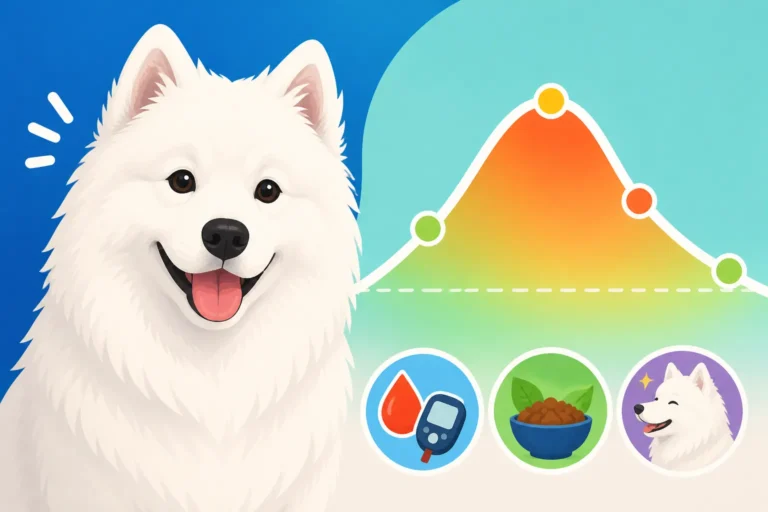
Routine diagnostic testing is invaluable in senior Samoyed care. Blood tests, for example, can reveal early signs of kidney disease, liver dysfunction, or diabetes before your dog shows obvious symptoms. A urinalysis can also provide crucial information about kidney health and detect urinary tract infections that might not have overt signs. For instance, Whether a Samoyed Needs Yearly Kidney Bloodwork is a non-negotiable part of senior care, allowing for timely intervention if issues arise.
Advanced imaging, like X-rays, might be recommended to assess joint health if arthritis is suspected or to check for heart enlargement. Ultrasounds can provide detailed views of internal organs. The goal isn't to run every possible test at every visit, but to use these tools strategically based on your Samoyed's individual risk factors, breed predispositions, and clinical signs.
Early detection of conditions like hypothyroidism, diabetes, or early-stage cancer significantly improves the prognosis and allows for more effective management strategies. This proactive approach can often slow the progression of diseases, mitigate symptoms, and extend your Samoyed's comfortable lifespan.
Financial Planning for Senior Care
It’s a tough truth that senior veterinary care can be more expensive due to the increased frequency of visits, diagnostic tests, medications, and specialized treatments. Planning for these potential costs is a realistic and responsible part of owning a senior Samoyed. This is where pet insurance can be an absolute lifesaver. Companies like Healthy Paws offer comprehensive coverage that can help offset the significant costs associated with managing chronic conditions, unexpected illnesses, or even necessary surgeries as your Samoyed ages.
Many owners find that having a robust pet insurance plan, such as those provided by Healthy Paws, allows them to make healthcare decisions based on what’s best for their Samoyed, rather than solely on financial constraints. It offers peace of mind knowing that you can provide the best possible care without being overwhelmed by vet bills.
Even without insurance, setting aside a dedicated "senior pet fund" can help immensely. Discuss potential costs with your vet, and understand payment options. Some clinics offer payment plans, and there are veterinary charities or assistance programs available for specific conditions if you find yourself in a difficult situation. Being prepared financially allows you to focus on your Samoyed's health without added stress.
Creating a Comfortable Home Environment
Your home is your Samoyed’s sanctuary, and as they age, making a few thoughtful adjustments can significantly improve their comfort, safety, and overall quality of life.
Supportive Beds and Accessible Spaces
A good quality orthopedic bed is a non-negotiable item for a senior Samoyed. Their joints need more support than ever, and a plush, memory foam bed can alleviate pressure points, reduce stiffness, and provide genuinely restful sleep. Look for beds with supportive bolsters that they can lean against or rest their heads on. Placing these beds in quiet, draft-free areas where they feel secure is also important. As discussed in What an Arthritic Samoyed Should Sleep On, the right bed can make a world of difference.
Assess your home for areas that might be difficult for your senior Samoyed to navigate. Stairs can become a significant challenge. Consider using baby gates to block off stair access if falls are a concern, or install ramps if they still need to use them. Ramps can also be helpful for getting into cars, onto sofas, or up to their favorite window perch.
If your Samoyed struggles with slippery floors, lay down non-slip rugs or runners, especially in high-traffic areas. This can prevent painful slips and falls, which can be devastating for older dogs. Ensure their food and water bowls are easily accessible, perhaps slightly raised if bending down causes discomfort.
Safety and Security Measures
A senior Samoyed, especially one with diminishing senses or cognitive decline, can be more vulnerable to accidents. Take steps to "senior-proof" your home, just as you would for a puppy. Ensure all electrical cords are secured and out of the way. Block off any small, confined spaces where they might get "stuck" and become disoriented.
If your Samoyed has vision or hearing loss, it's crucial to approach them gently to avoid startling them. Speak to them softly before touching, or gently tap the floor to alert them to your presence. Maintain consistent routines and object placement to help them navigate confidently.
For those prone to wandering or confusion, especially outdoors, always keep them on a leash when outside your fenced yard. Even in a familiar yard, a disoriented senior Samoyed might push through a gate or find a way out they never would have before. A secure, well-maintained fence is paramount. If you have concerns about them escaping, a GPS collar can provide an extra layer of reassurance.
Embracing the Journey with Your Senior Samoyed
Caring for an aging Samoyed is a profound act of love and commitment. It means adapting, learning new routines, and being extra vigilant, but the rewards are immeasurable.
Celebrating Every Moment
The senior years are a precious time. While there might be more vet visits and adjustments, there's also a deepening of the bond you share. Your Samoyed still needs your love, attention, and companionship, perhaps even more than ever. Take the time to enjoy quiet moments together, gentle cuddles, and slow strolls in the park.
Even with age-related changes, their core Samoyed spirit remains. They still find joy in simple pleasures: a favorite treat, a gentle ear scratch, or just being near you. Celebrate these moments, and appreciate the wisdom and calm they bring into your home. These are the years where the deep connection you've built over a lifetime truly shines.
It’s easy to focus on the challenges, but try to shift your perspective to the blessings. Every extra day is a gift, a chance to reinforce your bond and provide comfort. This is where The Twelve to Fourteen Years a Samoyed Lives becomes more than just a statistic; it's a testament to the joy and companionship they bring into our lives.
Knowing When to Say Goodbye
This is arguably the hardest part of owning any dog, and especially a beloved Samoyed. Knowing When an Old Samoyed Has Had Enough is an incredibly painful decision, one filled with doubt and sorrow. The goal of senior care is always to maximize quality of life, not just prolong life at any cost.
Key indicators that your Samoyed's quality of life might be significantly diminished include chronic, unmanageable pain; inability to eat or drink; severe disorientation or anxiety that cannot be alleviated; incontinence leading to constant discomfort; or a complete loss of interest in activities they once loved. Your veterinarian can help you assess their quality of life using objective scales and provide guidance.
This decision is deeply personal and requires honest assessment, compassion, and communication with your vet and family. It’s about ensuring your Samoyed's dignity and preventing prolonged suffering. While heartbreaking, making the choice to say goodbye is often the final, most profound act of love you can offer your cherished companion. It means remembering all the wonderful years you shared and giving them a peaceful, pain-free farewell.
Disclaimer
This article is intended for informational purposes only and does not constitute veterinary advice. Always consult with a qualified veterinarian for any health concerns or before making any decisions about your Samoyed's medical care or diet. Individual needs may vary.