How Often a Diabetic Samoyed Needs Rechecks
Living with a Samoyed diagnosed with diabetes can feel like a constant tightrope walk. You’re juggling insulin injections, dietary restrictions, and that nagging worry about their blood sugar levels, all while trying to keep that famous Samoyed smile shining bright. It's completely overwhelming to think about how often you'll need to trek to the vet, trying to figure out if you're doing enough, or doing too much. This guide is here to lay out a realistic roadmap for recheck schedules for a diabetic Samoyed, helping you understand what to expect and when to act, so you can feel more confident in managing your beloved companion's health.
The Immediate Aftermath: Intensive Monitoring Post-Diagnosis
Finding out your beautiful, fluffy Samoyed has diabetes is often a shocking and emotional experience. One minute they're your happy-go-lucky companion, and the next, you're learning about insulin needles and glucose curves. It's a steep learning curve, and it’s completely normal to feel lost and anxious.
Confirming the Diagnosis and Initial Stabilization
The first few weeks after a diabetes diagnosis are crucial and typically involve a more intensive recheck schedule. Your veterinarian will have confirmed the diabetes through blood and urine tests, looking for persistently high blood glucose levels and glucose in the urine. They’ll also likely rule out other potential causes for your Samoyed's symptoms, like kidney disease or pancreatitis, which can sometimes mimic or complicate diabetes.
Once the diagnosis is firm, the real work begins: stabilizing your Samoyed. This means finding the right type and dosage of insulin that works for their unique body. It's not a one-size-fits-all solution, and it often requires a bit of trial and error. You'll likely start with a conservative insulin dose, and your vet will want to see your Samoyed back quite frequently in those initial days and weeks. This might mean weekly, or even every few days, appointments to adjust the insulin as needed. It's a lot, especially when you're still getting the hang of giving injections and watching for signs of improvement or trouble. Imagine your usually energetic Samoyed, now drinking constantly and seeming tired, only for you to find out they have a condition that needs daily injections. It’s a lot to process.
Navigating the First Glucose Curves
One of the most important tools in establishing your Samoyed's insulin regimen is the glucose curve. This involves measuring your dog's blood glucose levels at regular intervals, usually every one to two hours, over a 12 to 24-hour period. It’s a snapshot of how the insulin is working throughout the day, showing how quickly it takes effect, how long it lasts, and if there are any dangerous drops (hypoglycemia) or persistent highs (hyperglycemia).
Initially, your vet might recommend several glucose curves, perhaps one to two per week, until a stable insulin dose is determined. These can be done at the veterinary clinic, which often provides the most consistent environment but can also be stressful for your Samoyed, potentially skewing results. Many vets will also guide you on how to perform a modified glucose curve at home, which can be less stressful for your dog and sometimes more reflective of their normal routine. However, home monitoring requires dedication and a steady hand for drawing blood samples, typically from an ear prick. It’s important to remember that stress, excitement, or even missing a meal can impact these readings, so consistency in routine is key. Understanding What a Glucose Curve Involves for a Samoyed is a big step in feeling in control.
The Long Haul: Routine Rechecks for a Stable Diabetic Samoyed
Once your Samoyed's diabetes is reasonably well-controlled, and you've found an insulin dose that seems to be working, the intensive daily or weekly vet visits will thankfully ease up. However, managing diabetes is a lifelong commitment, and routine rechecks remain absolutely vital.
Defining and Maintaining Stability
The primary goal of diabetes management is to achieve and maintain stability. For your Samoyed, this means keeping their blood glucose levels within an acceptable range for most of the day, avoiding drastic highs and dangerous lows. A stable diabetic Samoyed will generally have good energy, a healthy appetite, consistent thirst and urination, and often, a return to their happy, playful self. The aim isn't necessarily "perfect" blood sugar numbers, but rather a balance that ensures a good quality of life and minimizes complications.
Even when your Samoyed seems to be thriving, regular check-ups are non-negotiable. Diabetes is a dynamic condition; factors like diet changes, activity levels, weight fluctuations, or the onset of other health issues can all impact insulin needs. Without routine monitoring, subtle shifts can go unnoticed, potentially leading to complications down the road. It’s like tending a delicate garden – even when it looks beautiful, you still need to regularly check the soil and water.
What to Expect During Routine Rechecks
For a stable diabetic Samoyed, your veterinarian will typically recommend rechecks every three to six months. During these visits, your vet will perform a thorough physical examination, paying close attention to their weight, muscle condition, and overall demeanor. They’ll ask you about your Samoyed's appetite, water intake, urination habits, and energy levels since the last visit. This is your chance to voice any concerns or changes you’ve observed.
Blood tests are a crucial part of these routine visits. While a full glucose curve might not be performed at every single recheck, your vet will likely check a spot blood glucose level and, most importantly, a fructosamine level. They might also run general wellness bloodwork to check kidney function, liver enzymes, and red blood cell count, as diabetes can sometimes impact these organs or conditions can develop alongside it. Think of these rechecks as proactive maintenance for your Samoyed’s complex system. For more on the daily care, read Managing a Diabetic Samoyed.
The Value of Fructosamine Testing
Fructosamine testing is a real game-changer in managing long-term diabetes in dogs. Unlike a single blood glucose reading, which can be influenced by stress (and let's face it, many Samoyeds get a little stressed at the vet!), fructosamine provides an average of your Samoyed's blood glucose levels over the past two to three weeks. This gives your vet a much clearer picture of how well the diabetes has been controlled in your home environment.
It's particularly useful because it isn't affected by the short-term "stress hyperglycemia" many dogs experience at the vet. If your Samoyed is typically well-controlled at home but their glucose spikes when they get nervous at the clinic, fructosamine can offer a more accurate representation of their overall blood sugar management. It helps confirm if the current insulin dose is still appropriate or if adjustments are needed, even if your dog seems outwardly stable.
Warning Signs That Demand Immediate Attention
While routine rechecks are for stable conditions, it's absolutely crucial to know when to pick up the phone and call your vet immediately, regardless of when your next scheduled appointment is. Diabetic Samoyeds can decompensate quickly, and early intervention can make all the difference.
Recognizing Red Flags for Instability
Your Samoyed is a master of masking discomfort behind that beautiful smile and fluffy coat, but with diabetes, certain signs should never be ignored. If you notice any of the following, do not wait for the next routine recheck:
- Significant Increase in Thirst and Urination: While diabetes causes increased thirst and urination, a sudden or dramatic escalation can indicate that the diabetes is no longer well-controlled. Your Samoyed might be emptying their water bowl faster than usual or asking to go out much more frequently.
- Changes in Appetite: A sudden decrease in appetite or complete refusal to eat can be very serious, especially if your Samoyed is on insulin. Conversely, a voracious, insatiable appetite might also signal poor control.
- Lethargy or Weakness: If your normally energetic Samoyed becomes unusually tired, sluggish, or weak, it’s a major red flag. They might struggle to get up, seem disoriented, or just not want to engage.
- Vomiting or Diarrhea: These gastrointestinal symptoms, especially when combined with other signs, can indicate a serious complication like diabetic ketoacidosis (DKA) or pancreatitis.
- Rapid Weight Loss: Despite eating, unexplained weight loss is a concerning sign.
- Changes in Vision: A sudden cloudiness in your Samoyed's eyes could be the rapid onset of diabetic cataracts, which can happen very quickly.
- Shaking, Disorientation, or Seizures: These are severe signs of hypoglycemia ( dangerously low blood sugar) and require immediate emergency veterinary care.
If you observe any of these symptoms, don't hesitate. Call your vet, or the nearest emergency veterinary clinic, right away. These aren't "wait and see" situations. For a deeper dive into initial signs, check out Signs a Samoyed Has Become Diabetic.
Understanding Hypoglycemia and Hyperglycemia
The two major dangers with diabetes are blood sugar levels that are either too low (hypoglycemia) or too high (hyperglycemia) and uncontrolled. Both are medical emergencies.
Hypoglycemia: This occurs when there's too much insulin relative to the amount of glucose in your Samoyed's system. This can happen if they receive too much insulin, miss a meal, or engage in unusually strenuous exercise. Signs include weakness, lethargy, confusion, shaking, loss of coordination, and in severe cases, seizures or coma. If you suspect hypoglycemia, immediately rub a small amount of corn syrup or honey on their gums and get to your vet. This is a critical emergency.
Hyperglycemia and Diabetic Ketoacidosis (DKA): Persistent, dangerously high blood sugar can lead to diabetic ketoacidosis (DKA), a life-threatening complication where the body starts breaking down fat for energy, producing toxic ketones. Signs of DKA include severe lethargy, vomiting, diarrhea, loss of appetite, dehydration, and a distinctive sweet or fruity smell to their breath. DKA is a true medical emergency and requires immediate hospitalization and intensive treatment. This is one of the most serious and costly complications you can face, and understanding What an Emergency Visit for Samoyed Ketoacidosis Costs highlights the importance of prevention.
Tools and Support for Long-Term Diabetic Management
Managing a diabetic Samoyed isn't just about vet visits; it's a holistic approach that involves daily care at home, a carefully controlled diet, and proactive financial planning.
Empowering At-Home Monitoring
While vet visits are essential, a lot of the day-to-day management happens right at home. Many owners learn to perform basic monitoring, which can provide invaluable information between professional rechecks.
- Home Blood Glucose Monitors: These are devices similar to those used by humans, adapted for veterinary use. They allow you to test your Samoyed's blood glucose at home, typically by taking a small blood sample from an ear vein or paw pad. While not always as accurate as laboratory tests, they can help you spot trends and identify highs or lows, giving you peace of mind and data to share with your vet. However, it takes practice and patience, and not every Samoyed tolerates it well.
- Urine Glucose Strips: These strips test for the presence of glucose and ketones in your Samoyed's urine. While not precise enough for insulin dosing, they can be a quick indicator of extremely high blood sugar (glucose in urine) or the dangerous presence of ketones, warranting an immediate call to your vet.
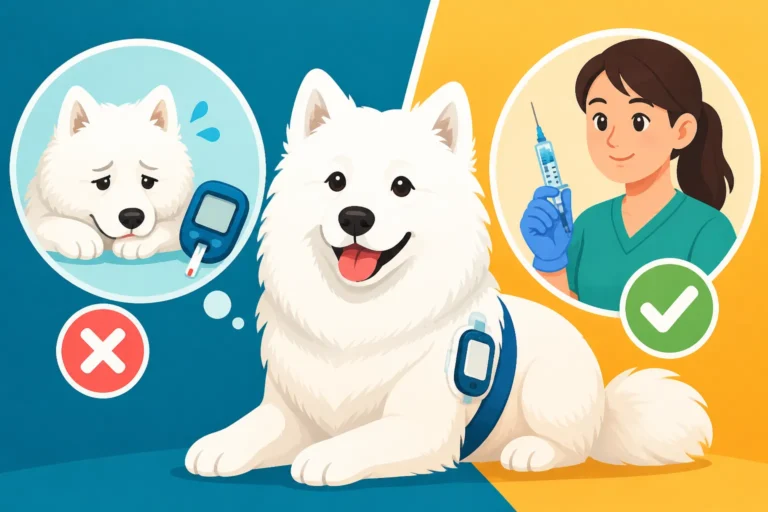
- Continuous Glucose Monitors (CGMs): This is an exciting and growing area in veterinary medicine. CGMs are small sensors placed under the skin, usually on the back, that continuously monitor interstitial glucose levels for up to two weeks. The data can be read wirelessly with a scanner or smartphone app. This provides a much more comprehensive picture of your Samoyed's glucose trends without repeated blood draws or stressful vet visits for curves. They can be a significant investment, but for some owners, the insights they offer are invaluable. You can learn more about this technology and its application in Whether a Continuous Glucose Monitor Works on a Samoyed. Many owners find that sources like Chewy are helpful for ordering regular supplies, from syringes to specific lancets for home monitoring.
The Undeniable Role of Diet and Exercise
Insulin is a critical piece of the puzzle, but it works in conjunction with a consistent diet and appropriate exercise. Any changes to either of these can directly impact your Samoyed's blood sugar levels and, by extension, their need for rechecks.
- Consistent Diet: Diabetic dogs thrive on consistency. Feeding the same food, in the same amount, at the same time each day (typically twice daily, coordinating with insulin injections) is paramount. Your vet may recommend a prescription diabetic diet, which is usually high in fiber and complex carbohydrates to help regulate blood sugar, or a specific commercially available food. Never change your Samoyed's diet without consulting your veterinarian, as even a small switch can alter their insulin requirements. If you're exploring options like fresh food, a brand like Ollie offers meal plans, but it's vital to work closely with your vet to ensure it's diabetic-appropriate. More details on dietary needs can be found in Whether a Diabetic Samoyed Needs a Prescription Diet.
- Appropriate Exercise: Regular, moderate exercise is beneficial for diabetic dogs, helping them use glucose and maintain a healthy weight. However, extreme or sudden changes in activity levels can affect blood sugar. Strenuous exercise, without proper planning, can drop blood sugar dangerously low. Work with your vet to establish a consistent exercise routine that complements their insulin and diet. The comprehensive article Managing a Diabetic Samoyed covers a lot of these daily considerations.
Planning for the Financial Aspect and Insurance
Let's be real: managing a diabetic Samoyed is a significant financial commitment. The cost of insulin, syringes, monitoring supplies, and those regular recheck appointments can add up quickly. This is where proactive financial planning and pet insurance can offer a crucial safety net.
Many owners find that pet insurance can help mitigate the ongoing costs of diagnostics, medications, and veterinary visits. Providers like Healthy Paws often offer comprehensive plans that, if purchased before the diabetes diagnosis, can cover a significant portion of these expenses. It’s definitely something to consider for any pet owner, but especially if you have a breed like a Samoyed where certain health issues are known. Always read policy details carefully, especially regarding pre-existing conditions, to understand what is covered. To grasp the broader financial picture, you might want to review What Insuring a Samoyed With Two Known Diseases Costs and Whether Insurance Covers a Samoyed's Diabetes. Planning ahead for these costs can help alleviate some of the stress, allowing you to focus on your Samoyed's health and happiness.
| Recheck Type | Purpose | Frequency (Approx.) | Key Tests/Observations |
|---|---|---|---|
| Initial Stabilization | Determine appropriate insulin type and dosage | Daily to Weekly | Blood glucose curves, physical exam, symptom review |
| Routine Follow-up | Monitor long-term control for stable diabetics | Every 3-6 months | Physical exam, weight, fructosamine, spot glucose, symptom review |
| Urgent/Emergency | Address sudden changes or signs of crisis | Immediate | Full bloodwork, glucose curve, urinalysis, hospitalization |
| At-Home Monitoring | Supplement vet visits, track daily trends, proactive care | Daily to Weekly (by owner) | Home blood glucose readings, urine strips, CGM data |
Disclaimer
This article is for general informational purposes only and does not constitute professional advice. Laws, prices and regulations vary by location and change over time. Consult a qualified professional for guidance on your specific situation.