How Often a Samoyed Owner Replaces a Vacuum
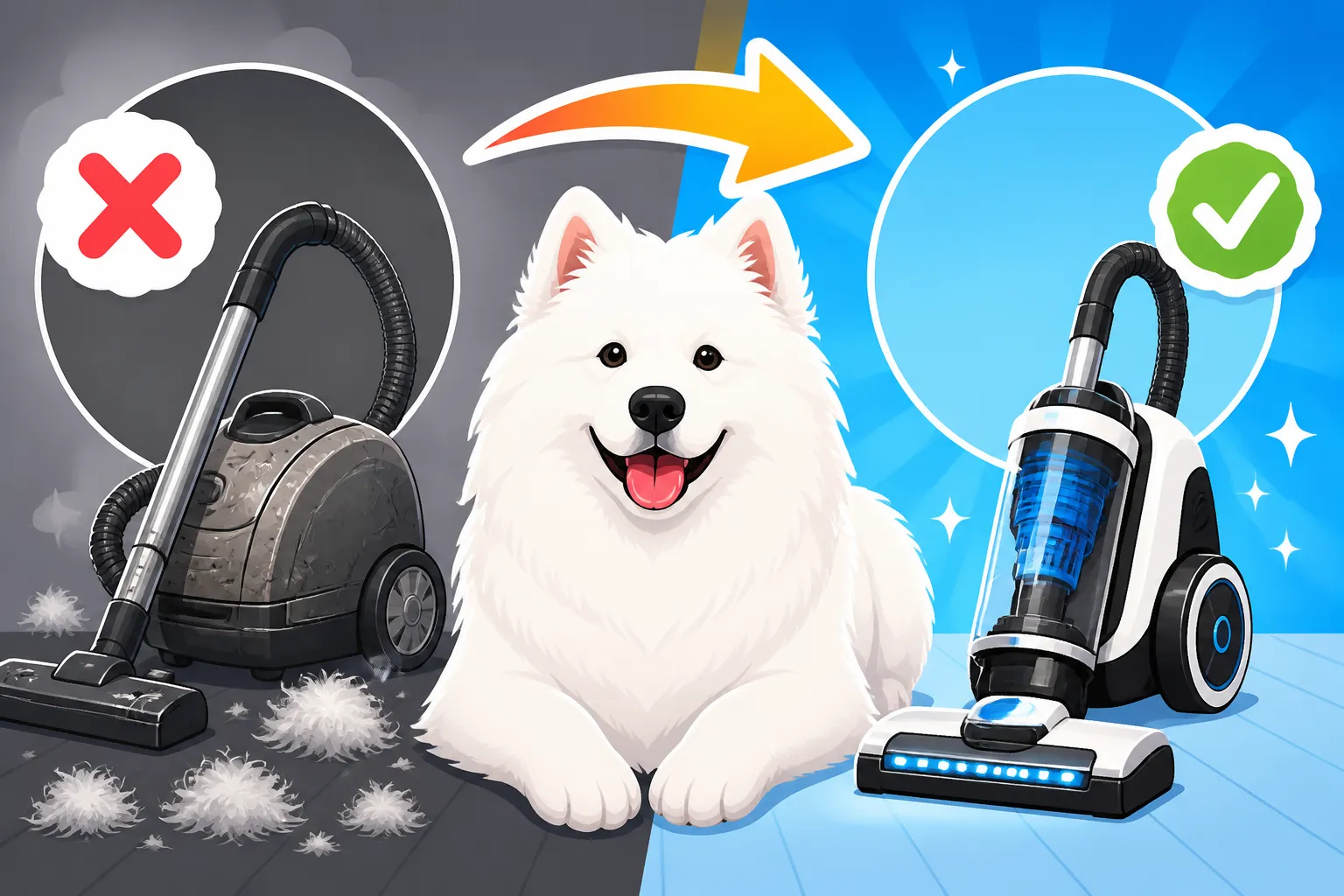
Living with a magnificent Samoyed means embracing a life filled with joy, laughter, and, let's be honest, an incredible amount of pristine white fur. If you've found yourself staring down a vacuum cleaner that just isn't cutting it anymore, or worse, has given up the ghost entirely, you're not alone. This guide is here to walk you through the realistic lifespan of a vacuum cleaner in a Samoyed household and help you understand why your trusty machine might be heading to the great recycling bin in the sky sooner than you'd think.
The Relentless Reality of Samoyed Shedding
Let's face it, owning a Samoyed is a unique experience, especially when it comes to their glorious, abundant coats. It's one of their most defining features, a fluffy cloud of white that captures hearts – and collects every bit of dust, dirt, and stray hair in your home. The challenge isn't just that they shed, but how they shed, and the sheer volume of fur they can produce. This reality profoundly impacts the tools we rely on to keep our homes clean, particularly our vacuum cleaners.
Why Samoyed Fur is a Vacuum's Arch-Nemesis
A Samoyed's coat isn't just hair; it's a marvel of nature designed for extreme cold. They possess a dense, woolly undercoat that provides insulation, protected by longer, harsher guard hairs that are coarse and shed water and dirt. During a "coat blow," typically twice a year but sometimes more, this undercoat comes out in astonishing quantities. It's not merely shedding; it's an explosion of fluff that can quickly make your home look like a winter wonderland in July. This fur is incredibly fine and light, meaning it floats through the air, settling on every surface, embedding itself deep into carpets, and clinging to upholstery with surprising tenacity.
This isn't just a minor inconvenience; it's a constant battle for your vacuum. That fine undercoat, while beautiful on your dog, is a nightmare for a vacuum's mechanics. It wraps around brush rolls like an insidious yarn, tangles in drive belts, and clogs filters faster than you can say "Samoyed smile." The guard hairs, being coarser, can add to the abrasive wear on internal components. It's a completely different challenge than cleaning up after a short-haired breed, or even many other long-haired dogs. The frustration is real when you've just vacuumed, only to find another tumbleweed of fur drifting across the floor minutes later. What Twenty Pounds of Samoyed Undercoat Does to a House is a daily reality for us.
Beyond the "Coat Blow": Daily Maintenance
While the seasonal coat blow is dramatic, it's important to remember that Samoyeds shed year-round. Even when not actively "blowing" their coats, there's a constant, low-level shedding that contributes to the general fluffiness of a Samoyed household. This means that for most Samoyed owners, daily vacuuming isn't a luxury; it's a necessity. If you want to maintain a semblance of cleanliness, you'll be running your vacuum far more frequently than the average person.
This constant usage puts immense strain on a machine that might be designed for weekly clean-ups. Imagine driving your car every day for hours on end, pushing it to its limits. That's essentially what we ask our vacuums to do. Each time you fire it up, its motor whirs, its brush roll spins, and its filters strain to capture all that beautiful, yet pervasive, Samoyed fur. This relentless workload, day in and day out, takes a serious toll, far exceeding what a typical vacuum is built to endure. Managing this constant shedding is part of the territory; even diligent grooming, such as the regular brushing outlined in How Often a Samoyed Needs Brushing, only mitigates, never eliminates, the issue.
How Samoyed Fur Shortens a Vacuum's Life
It's not just the quantity of fur, but its unique characteristics combined with the sheer frequency of use that truly decimates a vacuum's lifespan in a Samoyed home. Many components are simply not designed to handle the continuous assault of dense, fine, and often surprisingly tenacious dog hair. Understanding these points can help you appreciate why your vacuum might not be lasting as long as you'd hoped.
The Battleground: Brush Rolls and Belts
The brush roll is the heart of most upright and canister vacuums, designed to agitate carpets and sweep debris into the suction path. For Samoyed owners, this rotating brush quickly becomes a matted mess. Long strands of Samoyed fur, especially the guard hairs, wrap around the brush roll in an incredibly tight, dense fashion. This wrapping causes several problems:
Firstly, it significantly reduces the brush roll's effectiveness. Instead of agitating and sweeping, it becomes a cylinder of matted fur, just gliding over the carpet surface. Secondly, and more critically, it creates immense resistance. The motor has to work much harder to spin that fur-bound roller, drawing more power and generating more heat. This strain can quickly burn out the motor or, more commonly, cause the drive belt that connects the motor to the brush roll to stretch, slip, or even snap entirely. These belts are often made of rubber and are simply not built for the constant, intense friction and resistance that Samoyed fur creates. If you're constantly replacing belts or noticing your brush roll struggling, it's a clear sign of the furry fight it's enduring.
The Clogging Catastrophe: Filters and Hoses
Beyond the brush roll, the internal workings of a vacuum are also under constant siege. Samoyed undercoat is incredibly fine, almost like cotton wool. This means it can quickly bypass coarser mesh screens and pack itself tightly into the delicate pleats of filters. Once a filter is clogged, even partially, the vacuum's suction power drops dramatically. Think of trying to breathe through a thick blanket; that's what your vacuum is trying to do. This reduced airflow forces the motor to work harder to maintain any semblance of suction, leading to overheating and premature wear. You might find yourself having to wash or replace filters every few uses, rather than every few months, which is a significant cost and time commitment.
Furthermore, the sheer volume of fur can lead to blockages within the vacuum's hose and internal air paths. Imagine a giant hairball trying to navigate a narrow tube. These clogs aren't just frustrating; they put even more strain on the motor as it tries to pull air through an obstructed path. The result? Decreased performance, increased noise, and ultimately, a much shorter life for your machine. This is why many Samoyed owners frequently report needing to take their vacuum apart just to clear the endless tangles and clogs.
General Wear and Tear from Heavy Use
Let's not forget the simple physics of it all. A typical household might vacuum once or twice a week. A Samoyed household? Often daily, sometimes twice a day during those epic When a Samoyed Blows Its Coat phases. This means your vacuum is accumulating operating hours at an accelerated rate. Every time you push it across the floor, components are vibrating, wheels are turning, and the motor is generating heat.
This constant, heavy-duty usage leads to faster general wear and tear on all parts:
- Motor Fatigue: Motors have a finite number of operating hours. Pushing them harder and more frequently means they hit that limit much faster.
- Plastic Stress: Many modern vacuums use plastic components for their housings, wheels, and attachments. These plastics can crack, warp, or become brittle over time with constant impact and exposure to heat from the motor.
- Cord and Hose Degradation: The power cord gets pulled, stretched, and run over more often. Hoses get flexed and dragged, leading to tears or cracks.
- Battery Life (for cordless models): Cordless vacuums are particularly susceptible, as their batteries are cycled through charging and discharging much more frequently, inevitably reducing their overall capacity and lifespan.
In essence, you're asking a standard household appliance to perform industrial-grade work. It's no wonder it cries uncle sooner rather than later.
When to Say Goodbye: Signs Your Vacuum is Failing
It's a sad day when your once-mighty vacuum starts showing signs of surrender in the face of Samoyed fluff. While some issues can be repaired, there comes a point where the cost, effort, and diminished performance make replacing it the only logical choice. Recognizing these signs early can save you a lot of frustration.
Diminished Suction and Persistent Clogs
This is probably the most infuriating and common sign. You vacuum your carpet, and moments later, a new tumbleweed of Samoyed fur rolls by. You run your hand over the "cleaned" area, only to find it still embedded with fine, fluffy hairs. Your vacuum is working, the motor is running, but it's just not sucking like it used to. You've cleaned the brush roll, emptied the canister, and even washed the filter, but the performance remains abysmal. This often points to deeper issues:
- Irreversibly Clogged Filters: Sometimes, even washing won't fully restore a filter's efficiency, especially with very fine particulate like Samoyed undercoat. It might be time for a fresh replacement.
- Internal Air Leaks: Gaskets or seals might have degraded, allowing air to escape before reaching the suction nozzle, reducing effective vacuum power.
- Motor Weakness: The motor might be losing power, unable to generate the strong airflow needed to lift embedded fur.
- Chronic Hose Blockages: Despite your best efforts, fur might be accumulating in hard-to-reach sections of the hose or internal ducts, creating persistent bottlenecks.
If you're spending more time trying to fix clogs and less time actually cleaning, it's a huge red flag.
Strange Noises and Odors
Your vacuum should have a consistent, familiar hum. When that changes, pay attention.
- Whining or High-Pitched Squeals: This often indicates a motor struggling under strain, perhaps from a binding brush roll or severely restricted airflow. It's a warning sign that the motor is overheating or on its way out.
- Grinding or Clicking Sounds: These noises typically come from the brush roll area and can mean a broken belt, worn bearings, or something seriously entangled. If it sounds like gears are stripping or metal is scraping, stop immediately to prevent further damage.
- Burning Smell: This is perhaps the most urgent warning. A burning smell almost always means the motor is overheating dangerously. This can be caused by severe clogs, a seized brush roll, or an electrical issue within the motor itself. Continuing to run a vacuum with a burning smell is a fire hazard and will hasten its demise.
- Damp Dog Smell: While not directly a sign of mechanical failure, if your vacuum consistently emits a strong damp dog odor, it means fur, dander, and moisture are trapped within the system, potentially breeding bacteria or mold. This might be due to a faulty filter system, or just the overwhelming amount of fur it processes, leading to a need for more frequent deep cleaning or component replacement.
The Repair vs. Replace Dilemma
This is the big question for Samoyed owners. When do you throw in the towel and invest in a new machine?
- Cost of Repairs: If the cost of parts and labor for repairs approaches or exceeds half the price of a brand-new, comparable model, it's usually not worth it. For example, if a new motor costs nearly as much as a new vacuum, replacement is the more sensible option.
- Frequency of Breakdowns: Are you repairing something new every few months? Or the same part keeps failing? This indicates an underlying design flaw for your specific use case, or simply that the vacuum is past its prime.
- Time and Effort: If you're spending an hour every week disassembling, cleaning, and troubleshooting your vacuum, that's valuable time you could be using for other things (like playing with your Samoyed!). Your time has value, and a perpetually malfunctioning vacuum steals it.
- Age of the Vacuum: While there's no hard and fast rule, most standard vacuums are not built to last more than 2-4 years under the intense demands of a Samoyed household. If your vacuum is hitting that mark and showing multiple signs of failure, it's likely reached its natural end-of-life cycle.
A useful table for vacuum failure signals:
| Symptom | Common Cause (Samoyed Household) | Urgency | Recommended Action |
|---|---|---|---|
| Weak/No Suction | Clogged filters, brush roll tangle, hose blockage, motor fatigue | Moderate | Clean/replace filters, detangle brush, clear hose, assess motor life |
| Burning Smell | Overheating motor, seized brush roll, extreme blockage | High | Stop immediately, check for blockages, consider professional repair or replacement |
| Loud Grinding/Whining | Worn bearings, broken belt, motor struggling, foreign object | Moderate-High | Inspect brush roll/belt, check for obstructions, consider repair |
| Brush Roll Not Spinning | Broken belt, extreme fur tangle, motor failure | Moderate | Replace belt, clear fur, check motor |
| Vacuum Leaving Fur Behind | Ineffective brush roll, poor suction, full dustbin | Low-Moderate | Deep clean, ensure proper technique, consider stronger model |
| Physical Damage (Cracks) | Stress from heavy use, impacts, material fatigue | Low | Assess impact on function, consider repair if minor or replace if critical |
Choosing a Samoyed-Friendly Vacuum and Extending Its Life
Okay, so your old vacuum has bravely fought the good fight and is ready for retirement. Now what? Investing in the right kind of vacuum, and committing to a rigorous maintenance schedule, can significantly prolong the life of your next cleaning companion. This isn't just about buying a vacuum; it's about buying a vacuum designed for the unique challenges of Samoyed ownership.
Features to Prioritize for Samoyed Owners
When you're out there shopping for a new vacuum, you need to think of it as a specialized tool for a specialized job. Forget the entry-level models; they won't stand a chance. Here's what to look for:
- Powerful, Consistent Suction: This is non-negotiable. You need a vacuum that can generate strong, sustained airflow to lift embedded Samoyed fur from carpets and upholstery. Look for models with higher air watts (if specified) or strong reviews regarding pet hair performance. Dyson and Shark models are often praised for their robust suction on pet hair.
- Tangle-Free or Self-Cleaning Brush Rolls: This feature is a game-changer. Some newer models boast brush rolls designed to prevent hair wrapping or even cut through it automatically. This significantly reduces the time you spend with scissors untangling the dreaded fur-mane from the roller. While no system is 100% foolproof against Samoyed fur, these technologies make a huge difference.
- Advanced Filtration, Ideally HEPA: Fine Samoyed dander and fur particles can be allergens. A good HEPA filter captures these microscopic particles, preventing them from being recirculated into the air. This not only keeps your air cleaner but also protects the motor from fine dust ingress. Look for sealed systems to ensure no air bypasses the filter.
- Large Dustbin Capacity: Samoyeds fill up dustbins incredibly fast. A larger capacity means less frequent emptying, which, while seemingly small, adds up when you're vacuuming daily.
- Durable Construction: Pay attention to build quality. Read reviews that mention longevity and robust materials. Metal components, where possible (like in the brush roll housing or wand), will generally hold up better than all-plastic designs. A vacuum is an investment for a Samoyed owner, and durability directly translates to less frequent replacement. You can often find a good selection of specialized pet vacuums on sites like Chewy, making comparison shopping easier.
- Good Attachments for Upholstery and Crevices: Samoyed fur adheres to fabric like glue. A motorized pet attachment is crucial for cleaning couches, dog beds, and even car interiors.
Regular Maintenance is Non-Negotiable
Even the best Samoyed-proof vacuum won't last if you don't take care of it. Think of it like caring for your Samoyed; consistent, proactive care is key to their health and longevity. The same goes for your vacuum.
- Daily Brush Roll Checks: Make it a habit. After every vacuuming session, flip the machine over and check the brush roll. Use scissors or a seam ripper to cut away any wrapped fur immediately. Don't let it build up.
- Frequent Filter Cleaning/Replacement: Follow the manufacturer's recommendations, but be prepared to exceed them. If your filter is washable, wash it thoroughly and let it air dry completely before reinstalling. If it's a disposable filter, stock up and replace it more often than suggested for a non-pet household.
- Empty the Dustbin Frequently: Don't wait until it's overflowing. A full dustbin reduces suction and forces the motor to work harder. Empty it after every significant cleaning session, or even during, if you're tackling a big coat blow.
- Inspect Hoses and Attachments: Periodically detach hoses and check for blockages. Long fur can get snagged and form clogs. A broom handle or a long, flexible brush can help dislodge stubborn blockages.
- Check the Belt: If your brush roll stops spinning or sounds sluggish, check the drive belt. Keeping a spare on hand for easily replaceable belts is a smart move.
This might sound like a lot of work, but a few minutes of proactive maintenance after each use is far less frustrating than dealing with a broken vacuum or a house full of fur.
Investing in Your Cleaning Arsenal
Sometimes, one vacuum isn't enough to conquer the Samoyed shedding challenge. Many experienced Samoyed owners find success with a multi-pronged approach:
- Robot Vacuums for Daily Maintenance: A robot vacuum, while not a powerhouse, can be an incredible aid for daily surface-level cleaning. It can pick up the constant shedding, preventing fur from building up and embedding itself deeper into carpets. This reduces the workload on your main vacuum, extending its life. Just be prepared to empty its small dustbin frequently and ensure its brush roll is cleaned often.
- Dedicated Handheld for Quick Clean-ups: For those fur bunnies under the couch or on the dog bed, a powerful handheld vacuum can save you from pulling out the full-sized machine.
- Shop-Vac for Major "Coat Blows": Seriously, a shop-vac, often found at hardware stores, is designed for heavy-duty messes like sawdust and drywall dust. They have powerful suction, large capacities, and robust hoses that are less prone to clogging from massive amounts of fur. Using this for the bulk of a coat blow can protect your more delicate household vacuum.
- Force Dryer for Grooming: One of the best ways to reduce vacuum workload is to remove the fur before it hits your floors. A high-velocity force dryer, used outdoors or in a designated grooming area, can blow out an incredible amount of loose undercoat, especially during a coat blow. This professional-grade grooming tool can dramatically cut down on the amount of fur shed indoors. What a Force Dryer Costs a Samoyed Owner might seem like an investment, but it's a powerful weapon in the war against fur.
- Professional Grooming: Consider regular professional grooming, especially during shedding seasons. Groomers have powerful tools and techniques to remove vast amounts of undercoat, which means less fur ending up in your home and, consequently, less strain on your vacuum.
By adopting this comprehensive strategy, you're not just buying a vacuum; you're building a sustainable system to manage the beautiful, fluffy reality of Samoyed ownership, hopefully making your vacuum last longer than the typical one to two years many Samoyed owners experience with standard models.
Disclaimer
This article is for general informational purposes only and does not constitute professional advice. Laws, prices and regulations vary by location and change over time. Consult a qualified professional for guidance on your specific situation.