What a Sled and Harness for a Samoyed Cost
The dream of seeing your majestic Samoyed gracefully glide across snow, pulling a sled with that iconic smile, is a powerful one for many owners. It taps into their heritage, their very reason for being. But the reality is, getting set up for sledding, skijoring, or even urban mushing can be a surprising investment, far beyond just the initial purchase price of your furry friend. This guide will walk you through the various costs associated with outfitting your Samoyed for pulling activities, from the essential harnesses and lines to the bigger ticket items like sleds and carts, so you can budget realistically for this incredible adventure.
Understanding the Basic Gear: Harnesses and Lines
Before you even think about a sled, the most fundamental pieces of equipment are the harness and the lines. These are your Samoyed's connection to the activity, and getting them right is crucial for both their comfort and your safety. Skimping here isn't just about saving a few dollars; it can lead to injury or a miserable experience for your dog.
The Right Harness for Pulling Power
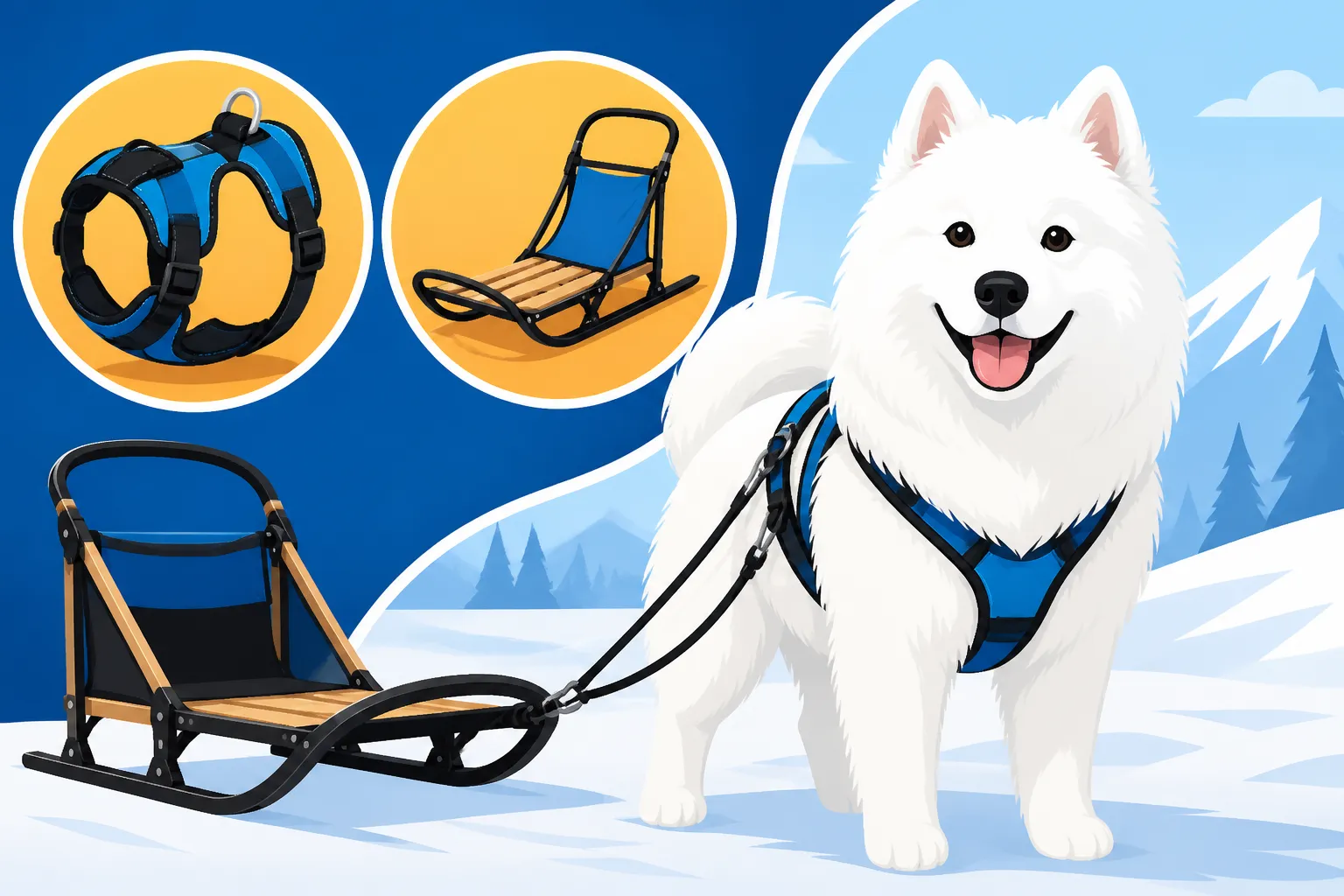
Forget the cute walking harness you use for strolls around the neighborhood. A pulling harness is an entirely different beast, designed specifically to distribute weight and pressure evenly across your Samoyed's powerful chest and shoulders, allowing them to pull efficiently and comfortably. You'll hear terms like "X-back," "H-back," and "freighting" harnesses.
An X-back harness is perhaps the most classic design, with straps crossing over the dog's back to distribute the load. These are excellent for pure pulling in a straight line, making them popular for traditional sledding. They come in various sizes, and fit is paramount. A harness that's too loose will chafe, while one that's too tight restricts movement and can cause pain. Many harnesses are made from durable nylon webbing, often lined with fleece or padded material around the neck and chest to prevent rubbing, especially important for a double-coated breed like a Samoyed. The cost of a good X-back can range from moderately priced options to more premium, custom-fit models.
Then there are H-back harnesses or urban mushing harnesses, which might be better for recreational pulling, canicross, or bikejoring where the angle of pull isn't always perfectly straight. These often have a shorter body section, leaving more of the back exposed, which can be beneficial in warmer weather or for dogs that might chafe easily from a full X-back. Some enthusiasts even opt for semi-custom or fully custom harnesses from specialized makers. These are tailored to your Samoyed's specific measurements, which can be invaluable for odd body shapes or if you plan on serious competition. While they represent a higher initial investment, the longevity and perfect fit can make them more economical in the long run. Many reputable online retailers, including pet supply giants like Chewy, carry a good selection of standard-sized pulling harnesses, but for custom options, you’ll typically need to find specialty vendors. It's truly amazing to see a Samoyed in a perfectly fitting harness, utterly in their element, embracing their innate drive to pull, a drive that's a huge part of Pulling: What a Samoyed Was Actually Bred to Do.
Essential Lines and Hardware
Once you have the harness, you need the lines to connect your Samoyed to whatever they'll be pulling. This isn't just any rope; these lines are designed for strength, flexibility, and safety.
For a single dog, you'll need a tugline (or main line) that connects the back of the harness to your scooter, bike, or your skijoring belt. These are usually bungee-corded or have an integrated shock absorber to soften the pull and protect both you and your dog from jarring movements. Standard lengths vary, but a common length for skijoring might be 8-10 feet.
If you're thinking of running multiple Samoyeds, things get a bit more complex. You'll need ganglines, which are the main lines connecting all the dogs, and necklines, which keep dogs paired together in the team. Ganglines can be made from various materials, with polyethylene being a common, durable choice. High-performance, lightweight materials like Dyneema are also available but come at a higher cost. The hardware – the snaps and carabiners – must be strong and reliable, able to withstand significant force without failing or freezing up in cold weather.
The cost here scales directly with the number of dogs you plan to run. A basic tugline for a single dog might be an affordable purchase, but a full gangline setup for a two- or three-dog team, complete with multiple necklines and sturdy hardware, can quickly add up. Beyond the initial purchase, these lines also experience wear and tear, especially if your Samoyeds are enthusiastic chewers or if they snag on brush during training. It's wise to inspect them regularly for fraying or damage. Knowing The Age a Samoyed Can Start Sledding is important for when you'll actually need to invest in this equipment, as puppies shouldn't be pulling heavy loads.
Sleds, Carts, and Scooters: Matching Gear to Activity and Budget
This is where the costs can really start to climb. What your Samoyed will be pulling depends entirely on the activity you choose, the terrain, and the number of dogs you have. From dryland training to winter expeditions, there’s a piece of equipment for every adventure, each with its own price tag.
Entry-Level Options: Scooters and Carts
For many Samoyed owners, especially those living in areas with limited snow, dryland mushing is the accessible entry point. This usually involves a dog scooter (often resembling a heavy-duty kick-bike) or a dog cart/rig.
A dog scooter is fantastic for one or two Samoyeds. It allows you to participate actively by kicking, giving you more control and helping your dogs learn directional commands without the full weight of a sled. Scooters are designed with strong frames, good brakes, and often larger, all-terrain tires to handle various surfaces like dirt trails. They are considerably more expensive than just a harness and lines, representing a significant jump in investment. They are also easier to store and transport than a full sled for many people.
Dog carts or rigs are larger, heavier, multi-wheeled vehicles designed for two or more dogs. They provide more stability and can handle more weight, making them suitable for serious dryland training or competitive events. Some carts even have seats, allowing the driver to ride comfortably. These can be quite an investment, often comparable to a good quality mountain bike or even a used ATV, depending on features and construction. They're built to be robust, handling rough trails and powerful dog teams, but their size and weight mean you'll need a way to transport them to your chosen trails. Investing in such gear for your energetic Samoyed aligns with understanding How Much Exercise a Samoyed Needs to keep them happy and healthy.
The Traditional Sled: Winter Dreams and Realities
Ah, the classic image: a Samoyed team pulling a sled across a snowy landscape. This is often the ultimate goal for enthusiasts, but it also comes with the highest price tag and logistical challenges.
Traditional sleds come in a few main categories:
- Recreational sleds: These are typically lighter and simpler, designed for pleasure rides with one or two dogs. They might be made of wood or a combination of wood and plastic.
- Sprint sleds: Built for speed, these are lightweight, aerodynamic, and often made from aluminum, carbon fiber, or other advanced composite materials. They are meticulously engineered for minimal drag and maximum performance in races.
- Freighting or long-distance sleds: These are heavier and more robust, designed to carry gear and supplies over long distances. They prioritize durability and cargo capacity over sheer speed.
Regardless of type, a good sled will feature a sturdy brush bow to protect the front, durable runners (often with replaceable plastic or composite runner material), and effective braking systems. The materials used significantly impact the cost, with lightweight composites being the most expensive. Expect a high price for a new, well-made sled, especially if it's from a reputable builder specializing in mushing equipment. Used sleds can offer a more budget-friendly entry, but require careful inspection for damage. Furthermore, Whether Sledding Wears Out a Samoyed's Joints is a valid concern, and high-quality equipment can help mitigate impact.
Skijoring and Canicross: Simpler (But Still Costly) Alternatives
If the idea of a sled or a large cart feels overwhelming, skijoring and canicross offer more minimalist, human-powered pulling activities. While they avoid the huge cost of a sled or cart, they still require specialized gear.
Canicross is essentially cross-country running with your dog pulling you. You wear a specially designed canicross belt around your waist, which attaches to your Samoyed's pulling harness via a bungee line. The belt distributes the pull comfortably across your hips and lower back, protecting your spine. While the individual components (belt, line, harness) are less expensive than a sled, a high-quality, comfortable canicross belt can still be a notable expense. You'll also need appropriate running shoes, especially for trail running.
Skijoring is similar but involves cross-country skiing while your dog pulls. Here, you'll need cross-country skis, poles, and boots, in addition to the special skijoring belt and bungee line for yourself and a pulling harness for your Samoyed. Good cross-country ski equipment, especially if bought new, can represent a substantial investment, often exceeding the cost of even a mid-range dog scooter. However, it's a fantastic way to enjoy winter with your Samoyed and embrace their working heritage. Whether a Samoyed Suits Bikejoring is another similar question, where the cost of a good mountain bike plus the pulling attachments adds up.
Here's a quick comparison of the initial equipment investment for various pulling activities:
| Activity | Primary Dog Gear | Primary Human Gear | Estimated Initial Cost Shape (Excluding Dog) |
|---|---|---|---|
| Canicross | Pulling harness, bungee line | Canicross belt, running shoes | Low-Medium |
| Bikejoring | Pulling harness, bungee line | Mountain bike, bikejor attachment | Medium-High |
| Dog Scootering | Pulling harness, tugline | Dog scooter | Medium-High |
| Urban Mushing (Cart) | Pulling harness(es), ganglines | Dog cart/rig | High |
| Skijoring | Pulling harness, bungee line | Skijoring belt, XC skis, poles, boots | High |
| Sledding (Recreational) | Pulling harness(es), ganglines | Recreational sled | High |
| Sledding (Competitive) | Custom harness(es), high-performance lines | Sprint/Freight sled, specialized boots | Very High |
Note: These are general cost shapes for new equipment; used gear can significantly reduce the initial outlay.
Hidden Costs and Long-Term Investments in Samoyed Pulling
The initial gear purchase is just the beginning. Like any dedicated hobby, mushing or pulling with your Samoyed comes with ongoing expenses and considerations that can add up over time. These are the things that often surprise new enthusiasts.
Maintenance, Replacements, and Upgrades
Just like your car or bicycle, your pulling equipment requires maintenance and eventually, replacement. Lines fray, harness padding wears thin, and runner plastics on sleds get chewed up by rough terrain or simply wear down over many miles. You might start with a basic harness and eventually want to upgrade to a custom-fitted one for better performance or comfort for your Samoyed.
Budgeting for replacement parts like new snaps for ganglines, replacement runner plastics for your sled, or even a second harness to alternate during heavy training, is a smart move. If you're serious about the sport, you'll find that there's always a piece of gear that could be upgraded or replaced. Investing in good quality gear from the outset, perhaps from a brand you trust through reputable retailers like Chewy, can sometimes reduce the frequency of replacements, but wear and tear are inevitable. Furthermore, an active lifestyle, while wonderful for a Samoyed, does put stress on their bodies. Discussing Joint Supplements for a Samoyed with your vet might become a regular part of your care routine to support their longevity in these sports.
Training and Membership Fees
While many aspects of pulling can be self-taught with online resources, joining a local mushing club or attending workshops can be invaluable. These clubs often offer structured training sessions, opportunities to learn from experienced mushers, and access to private trails. Membership fees can be an annual cost, and workshops might require an additional fee.
If you plan to compete, entry fees for races can add up, especially if you're traveling to different events. These environments are also fantastic for socializing your Samoyed and teaching them to work alongside other dogs, which is crucial for building a strong, focused team. For your Samoyed's overall health and ability to participate in these demanding activities, proper nutrition is key. High-quality food can support their energy levels and recovery. Companies like Ollie, known for their fresh, human-grade dog food, could be a consideration, though it would be another ongoing cost to factor in.
Transportation and Storage Considerations
This is a big one that many people overlook. How will you get your sled, cart, or even just your multiple harnesses and lines to the trailhead?
- Transportation: A dog scooter can often fit in the back of an SUV or truck, but a full dog cart or a large sled will likely require a utility trailer or a heavy-duty roof rack system for your vehicle. These accessories can be quite expensive, and maintaining a trailer (tires, lights, registration) adds to the ongoing cost. If you have a larger team, you might even need a dedicated dog truck or van setup.
- Storage: Where will you keep all this gear when not in use? A sled or a cart takes up a considerable amount of space in a garage or shed. If you live in an apartment or a home with limited storage, you'll need to factor this in. Protecting your gear from the elements is important for its lifespan, so simply leaving it outside might not be an option. Considering the significant investment, proper storage is essential.
These practicalities are often afterthoughts, but they're critical for enjoying the sport without added stress. An active Samoyed is a happy Samoyed, and ensuring they have the right outlets, including pulling, is part of meeting The Job a Samoyed Actually Needs. Should any injuries occur during these adventurous pursuits, having pet insurance like that offered by Healthy Paws can provide immense peace of mind, though specific coverage details for competitive sports should always be verified.
Disclaimer
This article is for general informational purposes only and does not constitute professional advice. Laws, prices and regulations vary by location and change over time. Consult a qualified professional for guidance on your specific situation.