What Selling Samoyed Fur as Yarn Brings In
If you're a Samoyed owner, you know the daily struggle: glorious fluff, endless shedding. It often leaves you wondering if all that beautiful fur, carefully brushed out, could possibly be worth something. This guide will dive deep into the fascinating, albeit niche, world of converting your Samoyed's undercoat into yarn and what you can realistically expect to gain from it.
The Reality of Selling Samoyed Fur
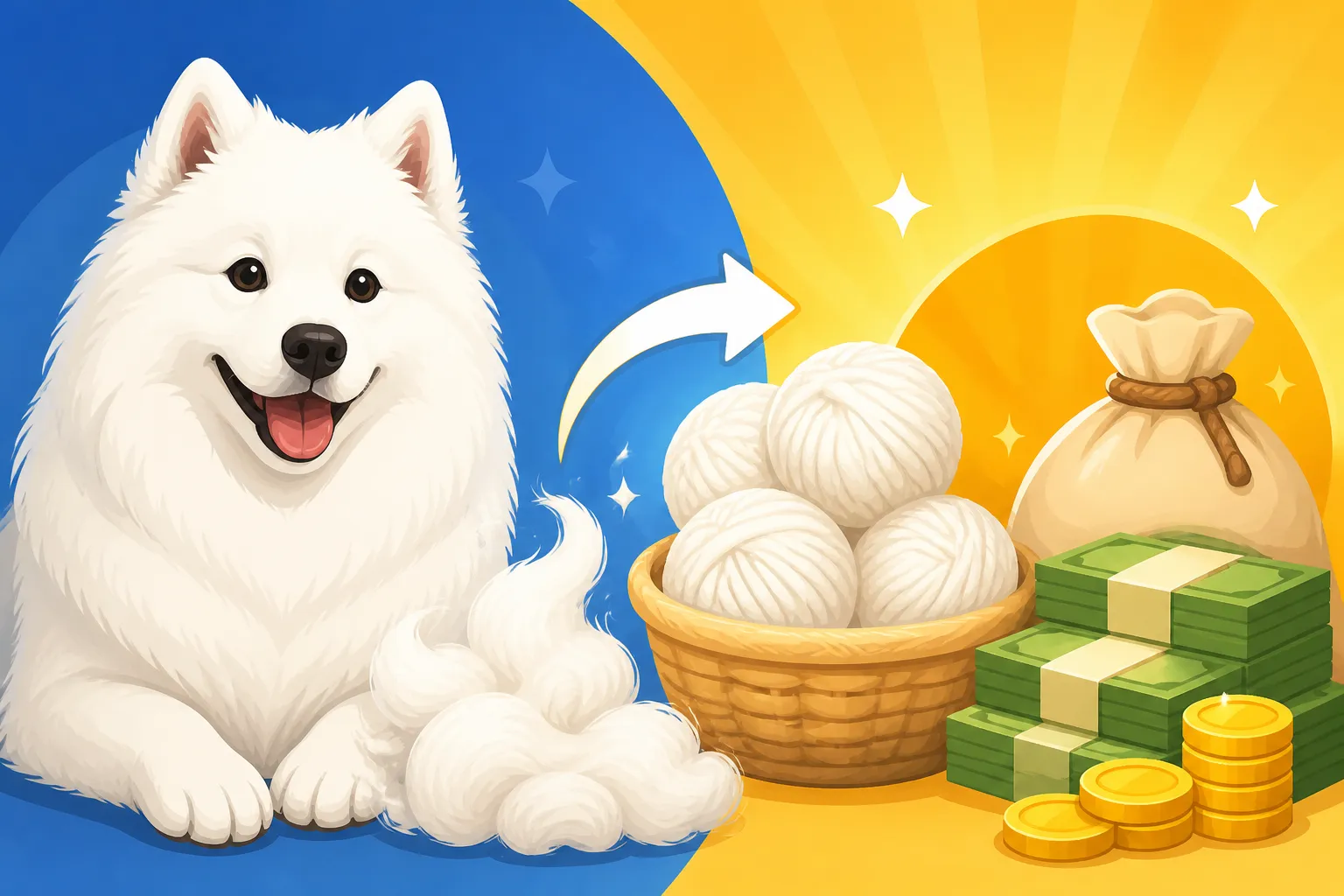
Let's be honest, staring at a mountain of Samoyed fluff after a serious brushing session, it's easy to dream of turning it into a lucrative side hustle. The reality, however, is a bit more nuanced. While there absolutely is a market for yarn made from dog fur, often called "chiengora," it's not quite like selling wool from sheep. It's a specialized craft, and the value isn't just in the volume of fur you collect, but in its quality and the effort involved in preparing it.
Is There a Market for Samoyed Yarn?
Yes, there absolutely is a market, but it's a very specific one. We're talking about textile artists, handspinners, and crafters who appreciate unique, luxurious fibers. Samoyed fur, particularly the soft, downy undercoat, spins into an incredibly warm, lightweight, and surprisingly strong yarn. It's often compared to angora in its softness and warmth, but with a unique texture. People seek it out for special projects, often as a way to memorialize a beloved pet or create a one-of-a-kind garment. This isn't a mass market; it's a labor of love for both the collector and the spinner. Don't expect to find it on every craft store shelf, but seek out fiber arts communities, and you'll find enthusiasts.
Factors Affecting Value: Quality, Quantity, and Cleanliness
The price your Samoyed fur can command hinges almost entirely on its quality and how well you've prepared it. Imagine trying to spin a tangled, dirty mess — it's nearly impossible and certainly not enjoyable. Spinners are looking for clean, dry, mostly guard-hair-free undercoat. The longer the staple length of the undercoat, meaning the individual fibers themselves are longer, the easier and more consistent it is to spin, and thus, the more valuable it becomes. A Samoyed's coat generally offers a wonderful staple length for spinning, but it requires diligent collection.
Think about it this way: a spinner has a finite amount of time and skill. They'd rather pay a bit more for fur that requires less prep work on their end, allowing them to jump straight into the creative process. If your fur is matted, full of debris, or heavily mixed with coarse guard hairs, its value drops dramatically, sometimes to the point where it's not worth selling at all. It's a testament to the care you put into grooming your Samoyed that directly translates to the potential income from its fur.
The Expertise of a Spinner
It's crucial to understand that turning dog fur into yarn is a specialized skill. You can't just toss a bag of fur at any knitter and expect a sweater. Handspinners who work with dog fur, sometimes called "chiengora spinners" or "fiber artists," possess a unique set of skills. They know how to de-hair, wash, card (comb the fibers to align them), and spin delicate, slippery dog fur into a usable thread. This isn't beginner-level stuff. Therefore, the people who buy raw Samoyed fur are almost always these skilled individuals. They value fur that's been carefully collected and initially prepared because it saves them time and increases the quality of their final product. They're investing their time and artistry, so they expect good raw material. This respect for the craft should guide your collection and preparation efforts.
How to Prepare Samoyed Fur for Sale
Preparing your Samoyed's fur isn't just about bagging up what comes off the brush. It's a careful process that significantly impacts its usability and, consequently, its value. Think of yourself as a primary processor – the better you do your job, the easier it is for the next step in the chain.
Brushing and Collection Best Practices
The cornerstone of valuable Samoyed fur is how it's collected. You want to aim for the soft, fluffy undercoat, as free as possible from the coarser guard hairs. This means regular and thorough brushing, especially during a "coat blow" when your Samoyed sheds its entire undercoat. Using an undercoat rake or a slicker brush can help you gather this precious resource. Brush gently, working in sections, and focus on capturing the soft fluff. Avoid pulling out fur that's tangled or matted, as this will introduce guard hairs and potentially skin debris. The goal is clean, loose undercoat. Whether Brushed Samoyed Fur Should Be Saved is not just about saving it; it's about saving it right.
When you brush, immediately separate the undercoat from any debris or guard hairs. While a few guard hairs are inevitable, try to minimize them. You might find that certain areas of your Samoyed, like the ruff, breeches, or tail, produce particularly lovely, long-staple undercoat. Which Part of a Samoyed's Coat Spins Best is often the body and neck fluff, as it tends to be the softest and longest. Store this collected fur loosely in breathable bags, like pillowcases or mesh laundry bags, to prevent compaction and moisture build-up, which can lead to mildew.
Cleaning and Storage
Once you've collected a decent amount of fur, it needs to be cleaned. Spinners generally prefer to buy fur that has already been washed, as this removes oils, dirt, and any lingering doggy odors. You can gently hand-wash the fur in lukewarm water with a mild, pet-safe shampoo or even a gentle wool wash. Avoid agitation, which can felt the fibers. Rinse thoroughly until the water runs clear.
After washing, the fur must be dried completely. Lay it out on screens or towels in a well-ventilated area, gently fluffing it periodically. Ensure it's bone dry before storing, as any residual moisture can lead to mildew, making the fur unusable. Once dry, store it loosely in breathable containers. Plastic bags are okay for short-term, but for longer storage, opt for fabric bags or cardboard boxes. Remember, the cleaner and drier the fur is when it reaches a spinner, the more they will value it.
Sorting Guard Hairs from Undercoat
This step is perhaps the most critical for maximizing the value of your Samoyed's fur. The Samoyed has a double coat: a soft, dense undercoat and longer, harsher guard hairs. While the undercoat is perfect for spinning, the guard hairs are coarser, less pleasant to wear, and can make the spinning process much more difficult. Many spinners will not accept fur that hasn't been de-haired to some extent.
You can manually pick out the guard hairs from the collected undercoat. This is a meticulous, time-consuming process, but it drastically increases the quality and desirability of your fiber. Lay small sections of fur on a clean surface and gently pull out the longer, stiffer hairs. It's a bit like finding a needle in a haystack, but the payoff is worth it. Whether a Samoyed's Guard Hairs Come Out Before Spinning is a key question, and the answer is that the spinner can do it, but you'll get a much better price if you do most of the work. If you've ever imagined How Much Samoyed Fur Makes a Sweater, know that the fur destined for such a project would need to be meticulously de-haired for comfort and quality.
Finding Buyers and Setting Prices
Once you've meticulously collected, cleaned, and sorted your Samoyed's beautiful undercoat, the next step is connecting with potential buyers. This isn't like listing an item on a general marketplace; it requires targeting a specific niche.
Where to Find Interested Spinners
The world of handspinning and fiber arts is vibrant and often online. Here are some of the best places to connect with potential buyers:
- Online Fiber Arts Communities: Websites like Ravelry, which is a massive online community for knitters, crocheters, weavers, and spinners, often have forums or groups dedicated to unusual fibers or chiengora. Posting there, along with clear photos of your prepared fur, can attract interest.
- Social Media Groups: Search for Facebook groups focused on "handspinning," "chiengora," "dog yarn," or even specific Samoyed breed groups that discuss crafting with fur. Many spinners actively seek out specific breeds' fur this way.
- Local Fiber Guilds or Shops: Check if there are local spinning or weaving guilds in your area. These groups are full of enthusiasts, and many are eager to experiment with new fibers. Local yarn shops might also know of local spinners who work with dog fur.
- Specialized Chiengora Spinners: Some artisans specialize exclusively in spinning dog fur for clients. A quick online search for "chiengora spinner" or "dog fur spinning service" might lead you to individuals or small businesses who not only spin but also buy raw fur. If you're wondering Whether a Spinner Will Take Samoyed Undercoat, these are the people most likely to say yes.
When contacting potential buyers, be transparent about the quantity, the staple length, the cleanliness, and how much de-hairing you've done. High-quality photos showing the texture and color of your fur will also be incredibly helpful.
Pricing Your Samoyed Fur
Setting a price can be tricky because it's such a niche market. There isn't a fixed "market rate" like for commodity wool. The price will largely depend on the factors we've discussed:
- Quality: How clean, soft, and free of guard hairs is it?
- Quantity: Are you selling a small bag or several pounds? Larger, consistent batches of high-quality fur might command a better per-ounce or per-pound rate.
- Preparation: How much work has you put into cleaning and de-hairing? The more work you've done, the higher the price you can reasonably ask.
Instead of a fixed dollar amount, think in terms of value to the spinner. Fur that is pristine and ready to card will be worth significantly more than uncleaned, unsorted fur. Many sellers price by the ounce or by the pound, often with different tiers for varying levels of preparation. You might see prices that range from a nominal amount just to cover shipping and time for unprocessed fur, up to a modest sum per ounce for perfectly clean, de-haired undercoat. It's not likely to make you rich, but it can certainly help offset some of the costs of owning a Samoyed, like grooming tools such as What an Undercoat Rake Costs a Samoyed Owner, or even a portion of a What a Full Groom on a Samoyed Costs.
Here's a general idea of how different levels of preparation might affect its perceived value:
| Fur Condition | Description | Spinner's Effort Needed | Potential Value (Relative) |
|---|---|---|---|
| Unprocessed | Directly from brush, may contain dirt, debris, guard hairs, and tangles. | High | Low to None |
| Clean & Dry | Washed, dried, no obvious dirt or debris, but still contains guard hairs. | Medium | Modest |
| Clean, Dry & De-haired | Washed, dried, and most guard hairs removed. Undercoat is the primary fiber. | Low | High |
| Carded/Punted | Further processed into fluffy rolags or punis, ready for immediate spinning. | Very Low | Highest |
Remember to be flexible and open to negotiation, especially if you're new to selling chiengora. It’s also important to factor in shipping costs if you’re selling to someone far away.
Considerations Beyond Monetary Value
While the aim of this article is "what selling Samoyed fur as yarn brings in," it's worth noting that the monetary gain isn't always the primary driver for owners. For many, turning their Samoyed's fur into yarn is about creating a cherished keepsake. Imagine a scarf, a hat, or a small blanket made from the fur of your beloved Samoyed. It's a tangible memory that offers incredible warmth and comfort.
Some owners prefer to have their fur spun into yarn for personal use, commissioning a spinner rather than selling the raw fiber. This can be a wonderful way to honor your dog and keep a piece of them with you forever. The cost of commissioning spinning will, of course, be higher than selling the raw fur, but the emotional return is often immeasurable. The joy of selling the undercoat (Whether a Samoyed Owner Can Sell the Undercoat) is more than just money; it's about valuing every aspect of your companion.
Practicalities and Expectations
It’s easy to get excited about the prospect of earning something from your Samoyed's endless fluff, but it's important to approach this with realistic expectations. This isn't a get-rich-quick scheme; it's more of a niche hobby that can help offset some pet ownership costs or, more likely, contribute to a meaningful project.
Time and Effort Involved
Collecting and preparing Samoyed fur for sale is not a passive activity. It demands significant time and effort. From the consistent, thorough brushing to gather the clean undercoat, to the meticulous washing, drying, and especially the de-hairing process, every step requires your attention. If you're a busy individual, you might find that the time investment outweighs the potential financial return. This is particularly true if you are aiming for the highest quality, de-haired product.
Consider the hours you'll spend sitting with handfuls of fur, patiently plucking out guard hairs. It can be a meditative process for some, a tedious chore for others. Be honest with yourself about your willingness to dedicate this time. The quality of the final product directly reflects the effort you put in. Many owners find it rewarding, feeling like they're making full use of their Samoyed's bountiful coat, but it's far from effortless.
Realistic Financial Outcomes
Let's manage expectations: you're unlikely to quit your day job by selling Samoyed fur. While high-quality, perfectly prepared chiengora can command a respectable price per ounce, the overall volume you'll collect from a single Samoyed, even over a year, isn't going to make you wealthy. The income you generate is more likely to be a nice bonus. It could help cover the cost of new grooming tools, a bag of high-quality kibble, or even a portion of your Samoyed's yearly vet check-ups. It might just be a way to offset what the shedding costs in vacuum bags (What a Samoyed's Shedding Costs in Vacuum Bags).
It’s a specialized market with a limited number of buyers, so demand can fluctuate. Don't expect to sell every ounce you collect immediately. Sometimes, it takes time to find the right buyer who appreciates the specific quality and quantity you have to offer. Thinking of this as a way to partially recoup costs or fund a specific pet-related expense is a much healthier perspective than viewing it as a major income stream. For context, even something like Whether Samoyed Breeding Pays After Testing involves significant costs and time commitments, and selling fur is a much smaller-scale endeavor.
Ethical Considerations and Respect for the Craft
Finally, an important aspect often overlooked is the ethical consideration and respect for the craft itself. The "chiengora" community generally approaches this fiber with reverence, appreciating its unique properties and the connection to the animal it came from. When you sell Samoyed fur, you're not just offloading a byproduct; you're providing raw material for an artisan's work.
This means being honest about the fur's condition, delivering what you promise, and communicating openly with buyers. It also means understanding the skill involved in spinning this fiber. Treating your Samoyed's fur as a valuable, natural resource, rather than just waste, honors your dog and supports the craft of handspinning. It’s a wonderful way to connect with a community of like-minded individuals who appreciate the beauty and utility of natural fibers, especially those from our beloved Samoyeds.
Disclaimer
This article is for general informational purposes only and does not constitute professional advice. Laws, prices and regulations vary by location and change over time. Consult a qualified professional for guidance on your specific situation.