What Air Conditioning Costs a Samoyed Owner in Summer
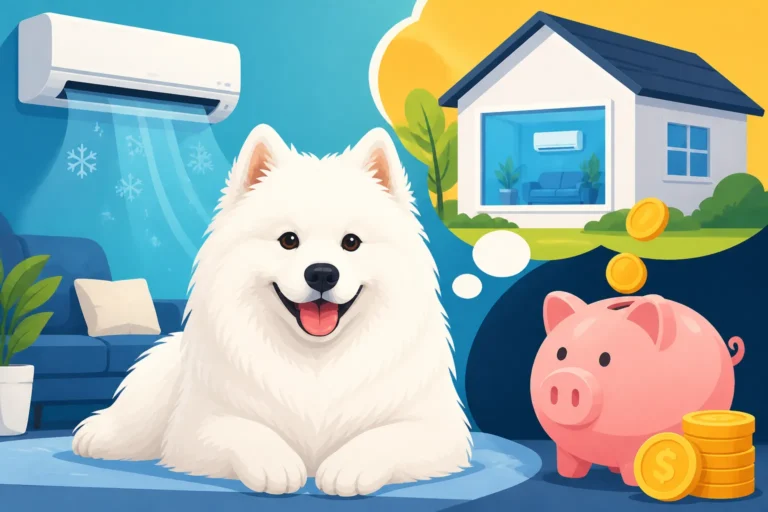
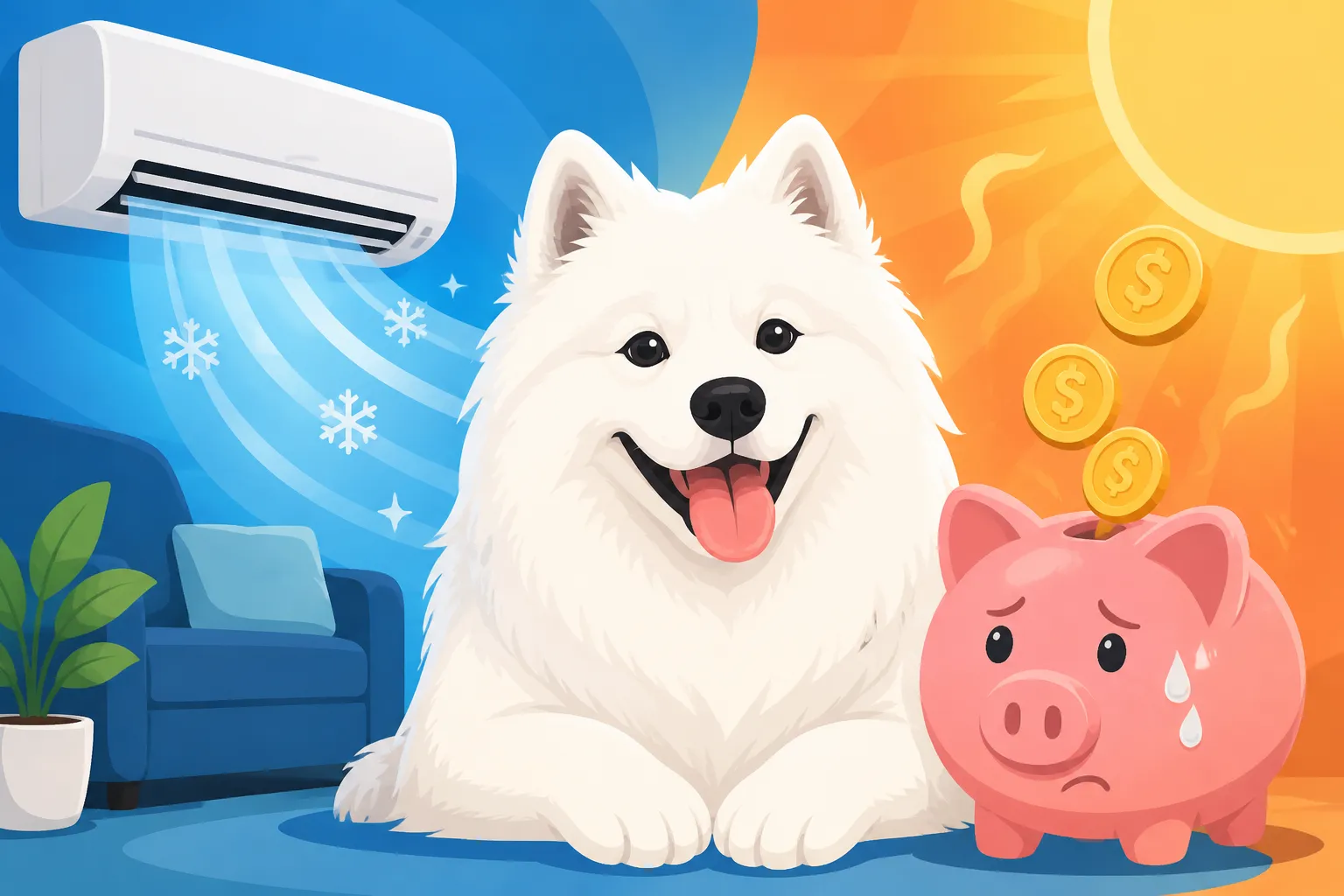
Oh, the quintessential Samoyed summer! It's a tale as old as time, or at least as old as the breed's migration from the Siberian wilds to our cozy, often much warmer, homes. We all adore their cloud-like coats and ever-present smiles, but when the mercury starts to climb, that magnificent fur coat transforms from a protective blessing into a serious challenge. One of the biggest worries for any Samoyed owner is keeping their beloved floof comfortable and, more importantly, safe from overheating, which inevitably brings the question of air conditioning costs to the forefront. This guide will delve deep into what you can expect to pay to keep your Samoyed cool in the summer, exploring not just the electricity bill, but all the related expenses and strategies to manage them.
Why Air Conditioning Is Non-Negotiable for a Samoyed
Let's be brutally honest: owning a Samoyed in anything but a truly cold climate means committing to climate control. This isn't just about comfort; it's about survival. Their lineage speaks volumes, but our modern environments are often a far cry from their ancestral lands.
The Samoyed's Arctic Heritage
Your Samoyed is a direct descendant of dogs bred by the Nenets people in the Arctic regions of Siberia. These dogs lived and worked in temperatures that would make most of us shiver uncontrollably, often as low as sixty degrees below zero. Their glorious double coat, famously thick and insulating, was their lifeline. It’s designed to trap a layer of warm air close to their body, protecting them from the extreme cold. What many people don't realize is that this same coat, when properly maintained, also offers a degree of protection against heat by reflecting sunlight and creating an air barrier. However, this natural engineering has its limits, especially when confronted with prolonged exposure to heat and humidity that their bodies aren't built for. Trying to maintain A Samoyed Built for Sixty Below in an American Summer without proper environmental controls is simply asking for trouble.
Recognizing the Signs of Overheating
It’s heartbreakingly easy for a Samoyed to get too hot, even when you think you’re being careful. They don't always vocalize their discomfort in obvious ways, and their stoic nature can sometimes mask how truly awful they feel. Early signs of overheating include excessive panting, drooling, restlessness, and seeking out cool spots on the tile floor. As it progresses, you might notice reddened gums, a rapid heart rate, weakness, and stumbling. If you see Signs a Samoyed Is in Heat Distress, immediate action is crucial. Waiting can lead to very serious, even fatal, consequences. They often start to refuse walks or outdoor activity, a clear signal they're struggling. Whether a Samoyed Refuses to Walk in Heat is a definite red flag.
The Serious Health Risks of Heatstroke
Heatstroke is not just an inconvenience; it's a life-threatening emergency for a Samoyed. Their thick coats make them incredibly susceptible to rapidly rising body temperatures. When their internal temperature climbs too high, it can lead to organ damage, kidney failure, brain swelling, and disseminated intravascular coagulation (DIC), a severe bleeding disorder. These conditions can develop frighteningly fast. A trip to the emergency vet for heatstroke can involve thousands of dollars in medical bills, not to mention the emotional toll. Preventative measures, primarily a cool indoor environment, are far less costly and infinitely more humane than treating a critical heatstroke case. Knowing How a Samoyed Should Be Cooled Down quickly can be vital, but preventing the situation is always best.
Estimating Your Summer Energy Bill Increase
So, you’ve accepted that AC is a must-have for your furry cloud. Now, what about the hit to your wallet? It's not just a minor bump; for many, it's a significant seasonal expense, especially if you live in a warmer climate where summers are long and brutal.
Factors Influencing Your AC Costs
The exact increase in your electricity bill will swing wildly based on several factors. First, where do you live? Someone in Phoenix, Arizona, will face a much steeper cost than someone in Seattle, Washington, simply due to the intensity and duration of the heat. Second, how large is your home? A smaller apartment will be cheaper to cool than a sprawling single-family house. Third, the efficiency of your AC unit plays a huge role. An older, less efficient system will guzzle electricity compared to a newer, ENERGY STAR-rated model. Insulation in your home, window quality, and even the direction your house faces can all impact how much work your AC has to do to maintain a comfortable temperature. Setting The Temperature at Which a Samoyed Should Stay Indoors typically means keeping it lower than you might for yourself.
Understanding Your Energy Usage
To truly understand your increased cost, you’ll need to look at your utility bills from previous summers versus cooler months. Many utility companies now provide detailed breakdowns of energy usage, showing spikes during peak heating or cooling seasons. You're aiming to keep your home's internal temperature consistently cool enough for your Samoyed, which often means setting the thermostat lower than you might without a thick-coated dog. While you might prefer 75-78°F, your Samoyed will thrive at 68-72°F, especially if left alone during the day. This difference of even a few degrees can translate to a noticeable jump in your monthly bill. Consider how long you run the AC as well; if it's 24/7 for three to four months, those costs add up quickly.
Ways to Optimize Your Home's Cooling
There are, thankfully, ways to try and soften the blow. Ensuring your home is well-insulated is paramount. Seal up any drafts around windows and doors. Use blackout curtains or blinds on windows that get direct sunlight to prevent solar gain. Regularly clean or replace your AC filters; a clogged filter makes your unit work harder and less efficiently. Consider smart thermostats that learn your habits or can be programmed to adjust temperatures when you're not home, then cool down before you return. While your Samoyed needs that cool air, you don't necessarily need it at arctic levels when nobody is there. However, it's crucial never to turn off the AC completely when your Samoyed is home alone, even for a short time, as temperatures can soar rapidly indoors.
Beyond the AC: Other Cooling Costs for Your Samoyed
While the electricity bill is the elephant in the room, it's important to remember that keeping a Samoyed cool in summer often involves more than just flipping a switch. There are other expenses, both direct and indirect, that contribute to the overall cost of summer care.
Essential Cooling Gear and Supplies
To supplement your AC, many Samoyed owners invest in various cooling aids. These might include cooling mats that activate with pressure or a quick soak in water. While Whether a Cooling Mat Helps a Samoyed is a common question, many owners find them incredibly useful, especially if their Samoyed enjoys lounging on them. Elevated dog beds allow air circulation underneath, preventing heat from radiating up from the floor. You might also find yourself buying more ice for their water bowls or investing in a large, durable kiddie pool for supervised outdoor splashing. Fans are another excellent addition, helping to circulate the cool air from your AC and create a wind-chill effect, making the air feel cooler without dropping the thermostat further. Even specialty grooming tools from retailers like Chewy, like powerful force dryers, become essential to keep their coat healthy and able to insulate properly.
Dietary Adjustments for Hot Weather
Believe it or not, your Samoyed's diet can also play a role in their summer comfort and your associated costs. Dogs can be less eager to eat heavy meals in scorching weather. Some owners switch to lighter, more easily digestible foods during the summer months to prevent discomfort and maintain appetite. This might mean exploring fresh food options from brands like Ollie, which often have higher moisture content and can be more appealing when it's hot. While premium foods can be more expensive upfront, ensuring your Samoyed eats well helps maintain their overall health, which is especially important when their body is working harder to regulate temperature. Don't forget the extra cost of water – they'll drink more, especially on warmer days, so always have plenty of fresh, cool water available. What a Samoyed Needs Every Day definitely includes ample water, especially in summer.
Vet Visits for Heat-Related Issues
Even with the best intentions and constant vigilance, sometimes things go wrong. Perhaps your AC unit unexpectedly malfunctions on the hottest day of the year, or your Samoyed finds a way to overexert itself during an early morning walk. Heat exhaustion, even if not full-blown heatstroke, can warrant a vet visit. These appointments can involve exams, IV fluids, and medication to get your pup back on track. For severe cases, hospitalization, monitoring, and extensive treatments can quickly escalate into thousands of dollars. This is where pet insurance, like a plan from Healthy Paws, can become invaluable, helping to offset the financial burden of unexpected veterinary emergencies. While we hope for the best, it's always wise to be prepared for the worst, and unexpected medical bills are a significant part of Samoyed ownership, especially in climates ill-suited to their natural insulation.
Strategies to Mitigate Summer Expenses
Managing the costs of keeping your Samoyed cool doesn't have to mean breaking the bank. With a little planning and some smart choices, you can make a noticeable difference in your summer expenditures while still ensuring your fluffy companion stays safe and comfortable.
Smart Home Technology and Energy Efficiency
Investing in smart home technology can pay dividends in the long run. Smart thermostats, as mentioned earlier, allow for precise temperature control, often learning your schedule and optimizing cooling. You can program them to raise the temperature when no one is home and lower it just before you return, reducing wasted energy. Beyond thermostats, consider smart plugs for fans that can be scheduled to turn on and off. Furthermore, regularly maintaining your HVAC system – professional cleaning, checking refrigerant levels, and ensuring all components are running optimally – will improve efficiency and extend the life of your unit, preventing costly breakdowns when you need it most. Ensuring your home has adequate insulation in the attic and sealing any leaky windows or doors can prevent cool air from escaping and hot air from entering.
Proactive Grooming to Aid Cooling
A well-maintained coat is surprisingly efficient at keeping a Samoyed cool, not warm. Regular, thorough brushing is absolutely vital to remove dead undercoat, which can mat and trap heat close to the skin. During shedding season, known as a "coat blow," the amount of fur coming off your Samoyed can be truly astonishing. It’s a lot of work, but getting that dead hair out allows air to circulate properly through their double coat, enhancing its natural insulating properties. You might find yourself needing a powerful force dryer, readily available at retailers like Chewy, to ensure their coat is completely dry after baths and to help blast out loose undercoat. Please, never shave your Samoyed! Why Shaving a Samoyed Makes the Heat Worse is a lesson many learn the hard way; it destroys their natural insulation and exposes their delicate skin to sunburn and pests. While regular grooming, whether at home or by a professional, comes with its own costs, it's a necessary investment for their health and comfort. The Grooming Bill on Twenty Pounds of Samoyed Undercoat can be significant, but it's a critical part of their summer care.
Making Lifestyle Adjustments
Sometimes, the simplest changes can make the biggest difference. Adjust your exercise routine to early mornings or late evenings when temperatures are cooler. Avoid midday walks altogether. Always carry water for your Samoyed, even on short outings. Consider indoor activities or doggy daycare with air conditioning if you work long hours. If you're planning a vacation, research dog-friendly accommodations that allow for adequate climate control, or consider a pet sitter who understands the specific needs of a Samoyed in the heat.
Here’s a quick overview of some common cooling strategies and their associated cost considerations:
| Cooling Strategy | Initial Cost | Ongoing Cost | Benefits | Considerations |
|---|---|---|---|---|
| Home Air Conditioning | High (Unit + Installation) | High (Electricity Bill) | Best overall cooling, full home comfort | Essential for Samoyeds in most climates |
| Smart Thermostat | Moderate (Device) | Low (Energy Savings) | Optimizes AC usage, remote control | Requires programming/setup |
| Cooling Mats/Beds | Low to Moderate | Very Low (Occasional replacement) | Provides immediate cool spot | Not a substitute for AC, some dogs dislike them |
| Fans (Box/Tower) | Low | Low (Electricity) | Circulates air, creates wind chill | Only effective with cool air, no direct cooling |
| Kiddie Pool | Low | Low (Water) | Fun way for dogs to cool off | Supervised use only, can be messy |
| Professional Grooming | Moderate (Per visit) | Moderate (Every 6-8 weeks) | Removes dead undercoat, improves insulation | Time commitment, finding a knowledgeable groomer |
| Pet Insurance | Moderate (Monthly Premium) | Moderate (Monthly Premium) | Covers unexpected heat-related vet bills | What Insuring a Samoyed Costs Monthly can vary |
| High-Quality Dog Food | Moderate to High | Moderate to High (Monthly) | Supports overall health, easier digestion | What Fresh Food Costs for a Samoyed is higher |
Ultimately, providing a cool environment for your Samoyed in the summer is not just a luxury; it’s a fundamental part of responsible ownership. The costs associated with air conditioning and other cooling measures are an unavoidable part of the budget for these magnificent dogs. By understanding these expenses and implementing smart strategies, you can ensure your Samoyed remains happy, healthy, and comfortably cool, no matter how hot it gets outside.
Disclaimer
This article is for general informational purposes only and does not constitute professional advice. Laws, prices and regulations vary by location and change over time. Consult a qualified professional for guidance on your specific situation.