Signs a Samoyed Is in Heat Distress
It’s a heartbreaking sight for any Samoyed owner: your usually energetic, smiling companion suddenly seems sluggish, panting heavily, and just isn't themselves when the temperatures climb. Samoyeds, with their stunning Arctic coats, are magnificent creatures, but this very feature that makes them so iconic also makes them incredibly vulnerable when the mercury rises. Recognizing the early signs of heat distress is not just helpful, it can be life-saving. This guide will walk you through exactly what to look for, from subtle cues to urgent red flags, so you can protect your beloved fluffy friend when they need you most.
Why Samoyeds Are So Vulnerable to Heat Distress
When you look at a Samoyed, you see a majestic animal designed for snow-covered landscapes and biting winds. Their entire physiology is geared towards thriving in extreme cold, which, unfortunately, becomes a significant disadvantage in warmer climates. Understanding this fundamental aspect of their breed is the first step in protecting them.
Understanding the Samoyed's Double Coat
The Samoyed's glorious, thick coat isn't just for looks; it's a marvel of natural engineering. It's a double coat, meaning it has two distinct layers. The outer layer consists of long, coarse guard hairs that are resistant to dirt and moisture, effectively shedding snow and rain. Beneath this lies an incredibly dense, soft, woolly undercoat. This undercoat is what truly provides the insulation.
Think of it like a natural thermos. In winter, this dense undercoat traps warm air close to their body, protecting them from the freezing temperatures. But here's the crucial part: in summer, this same principle applies in reverse. The coat traps a layer of cooler air next to their skin and prevents external heat from penetrating. It acts as a barrier against the sun's intense UV rays and ambient heat, helping to keep their core body temperature regulated. Many people mistakenly believe that shaving a Samoyed will cool them down. In reality, Why Shaving a Samoyed Makes the Heat Worse is a critical piece of knowledge; it removes their natural insulation, exposes their delicate skin to sunburn, and can even cause the coat to grow back improperly, losing its protective qualities. Instead, regular brushing helps thin out the dead undercoat, allowing for better air circulation without compromising their natural defense.
The Samoyed's Arctic Ancestry and Physiology
Samoyeds originated in the frigid regions of Siberia, where temperatures could plummet to unimaginable lows. Their ancestors lived and worked alongside the Nenets people, herding reindeer and sleeping in tents with families for warmth. Their bodies are built to generate and conserve heat. This means they have a higher basal metabolic rate compared to many breeds, which in turn means they naturally produce more body heat. Combine this internal heat generation with an insulating coat that works to keep any heat, internal or external, from escaping easily, and you have a dog that struggles immensely in warm, humid conditions.
Unlike humans, dogs don't sweat efficiently through their skin. Their primary mechanism for cooling down is panting. When a Samoyed pants, they evaporate moisture from their tongue, mouth, and respiratory tract, which helps to cool the blood flowing through those areas. However, this process becomes much less effective when the ambient air is already hot and humid, as there's less temperature difference for evaporation to occur, and the air is already saturated with moisture. This makes A Samoyed Built for Sixty Below in an American Summer a daily challenge that requires significant management and awareness from their owners. Their deep chests and airways, while efficient for pulling in cold air, can become a conduit for hot, humid air straight into their lungs during prolonged exertion in heat.
Early Warning Signs of Heat Distress in Your Samoyed
Catching heat distress early is absolutely critical. A few minutes can make a world of difference in preventing a severe, life-threatening situation. Your Samoyed might try to hide how they're feeling, but observant owners can pick up on subtle changes.
Subtle Behavioral Changes
One of the first things you might notice is a shift in your Samoyed's usual demeanor. They might become restless, constantly shifting positions, trying to find a cooler spot on tile floors or in the shade. They might refuse to play their usual games, even if you tempt them with their favorite toy. A dog that normally bounds with enthusiasm might be reluctant to get up for a walk or even to greet you at the door with their usual exuberance. You might notice them seeking out shady areas in the yard more aggressively than usual, or perhaps trying to lie down in front of an air vent or fan. This isn't just laziness; it's an instinctual attempt to self-regulate their rising body temperature.
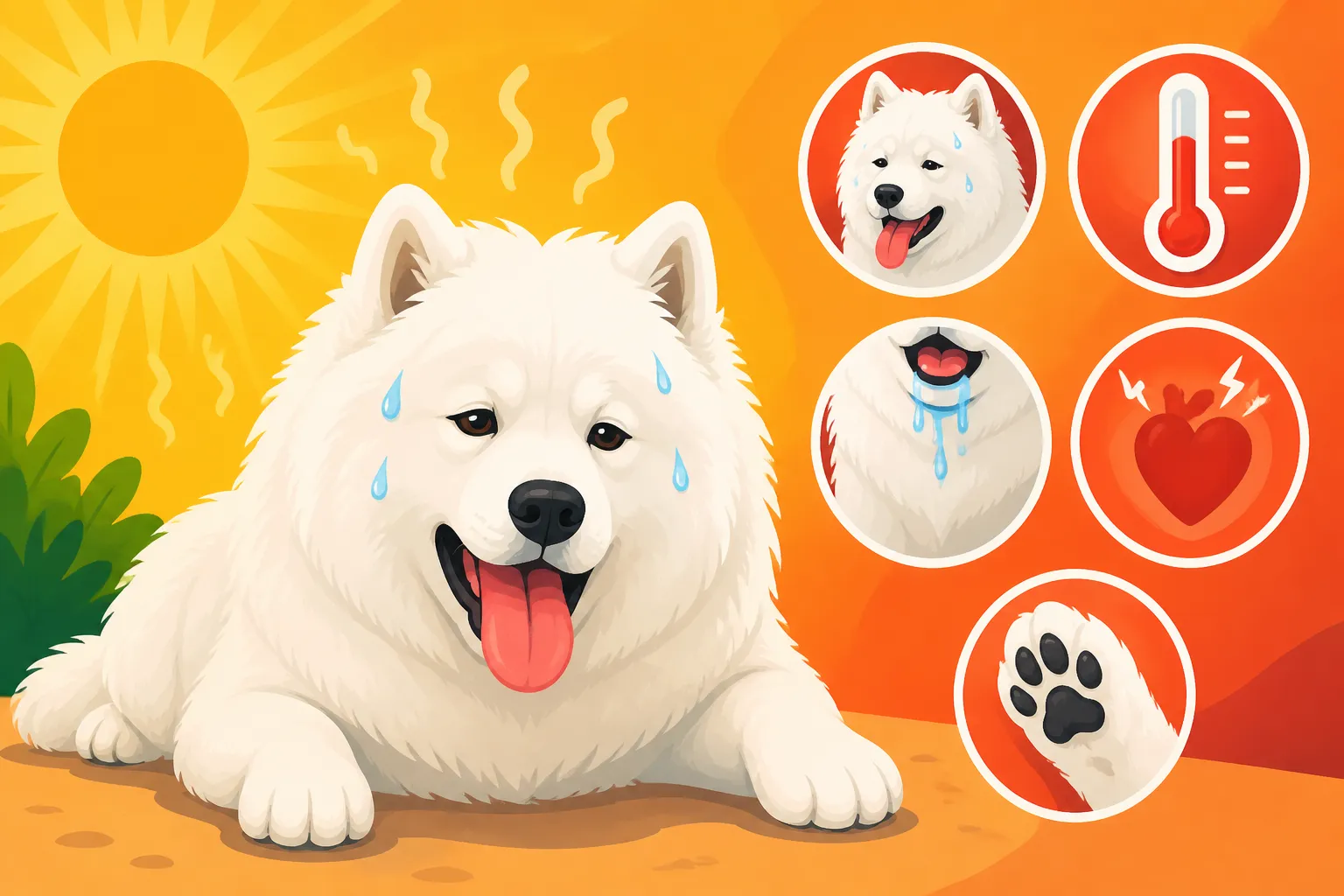
Panting is normal for dogs, especially after exercise or excitement, but in a heat-distressed Samoyed, it takes on a different quality. Normal panting is usually rhythmic and relatively quiet, with their mouth open just enough to allow air exchange. With early heat distress, the panting becomes more rapid, shallower, and might sound more strained. Their breathing may seem labored, and they might open their mouth wider, sometimes curling their lips back slightly. Pay close attention to the sound and effort involved. If you notice this kind of panting even when they haven't been exercising, or if it doesn't subside quickly once they're in a cooler environment, it's a significant red flag. You're trying to spot Signs a Samoyed Is Overheating before it becomes a full-blown crisis.
Physical Indicators to Watch For
Beyond behavior, there are several physical signs that indicate your Samoyed is struggling with the heat. Excessive drooling is a common early symptom. While Samoyeds aren't typically drooly dogs, if you notice strings of thick, ropey saliva, it suggests their body is working overtime to cool down. Their gums might appear brighter red than usual, almost a cherry red, indicating increased blood flow as their body tries to dissipate heat. In severe cases, they might even become pale or blue. You might also be able to feel that their skin is unusually warm to the touch, particularly around their chest and abdomen.
Another concerning sign is a rapid heart rate. You can gently feel for their pulse on the inside of their upper thigh. If it's noticeably faster and stronger than normal, it's a sign their cardiovascular system is stressed. Some Samoyeds experiencing heat distress might also develop an upset stomach, leading to vomiting or diarrhea. While these symptoms can be indicative of many issues, in warm weather, they should immediately raise concerns about heat exposure. It's crucial to act swiftly. If you ever suspect heat distress, even mild, it’s always best to contact your veterinarian. Having a reliable pet insurance plan, such as one from Healthy Paws, can provide considerable reassurance, knowing that you're supported in making the best decisions for your Samoyed's health without financial hesitation in an emergency.
Here's a quick reference table for recognizing symptoms:
| Symptom Category | Normal Behavior/State | Early Heat Distress | Severe Heatstroke |
|---|---|---|---|
| Panting | Rhythmic, gentle | Rapid, shallow, forceful, louder | Exaggerated, gasping, struggling to breathe |
| Energy Level | Energetic, playful | Lethargic, restless, seeking shade, reluctant to move | Collapse, unresponsive, staggering, seizures |
| Gums | Pink and moist | Bright red, sticky | Pale, bluish, purple, dry |
| Saliva/Drool | Minimal | Thick, ropey, excessive | Very profuse, foamy |
| Body Temp | 100-102.5°F (37.8-39.2°C) | >103°F (39.4°C) | >104°F (40°C), potentially much higher |
| Other | Alert, coordinated | Vomiting, diarrhea, rapid pulse | Disorientation, tremors, loss of consciousness |
Recognizing a Full-Blown Heatstroke Emergency
If the early warning signs are missed or ignored, heat distress can quickly escalate into full-blown heatstroke, a medical emergency that can be fatal if not treated immediately.
Severe Physical Symptoms
When a Samoyed's body can no longer regulate its temperature effectively, the internal organs begin to suffer damage. You might observe them staggering as if they are drunk, losing coordination, and becoming disoriented. They may bump into objects or seem confused about their surroundings. Collapse is a terrifying but very real symptom of severe heatstroke; your dog might simply fall over and be unable to get up.
Muscle tremors and seizures are extremely serious signs, indicating that their brain and nervous system are being severely affected by the extreme temperature. In the most critical stages, your Samoyed may become unresponsive, lose consciousness, or even fall into a coma. Their gums might turn a frightening blue or purple color (cyanosis), which means their body isn't getting enough oxygen – a dire emergency requiring immediate veterinary attention. These are the critical indicators that go beyond just feeling unwell; they signal that major bodily systems are shutting down.
Immediate Action and When to Seek Veterinary Help
If you see any of these severe signs, consider it an absolute emergency. Time is of the essence. Your first priority is to begin cooling your Samoyed down while simultaneously preparing to transport them to the nearest veterinary emergency clinic. Do not wait to see if they improve.
First, move your Samoyed to the coolest possible environment immediately – ideally an air-conditioned room or in front of a powerful fan. Do not plunge them into ice water or use ice packs, as this can cause their superficial blood vessels to constrict, actually trapping heat in their core and potentially inducing shock. Instead, wet their body with cool (not cold) water, focusing on their paw pads, groin, armpits, and neck, where large blood vessels are close to the surface. You can use a hose, wet towels, or even a spray bottle. Place them on a Whether a Cooling Mat Helps a Samoyed or a damp towel. Continue to offer small amounts of water, but don't force them to drink if they are unresponsive or vomiting.
While you are initiating these cooling measures, have someone call the veterinary emergency clinic to alert them you are on your way and describe your Samoyed's symptoms. This allows them to prepare for your arrival and begin treatment protocols without delay. Transport your Samoyed carefully, continuing cooling efforts on the way if possible. Remember, getting their core body temperature down is vital, but the ultimate goal is rapid professional medical attention. The costs associated with emergency care for heatstroke can be substantial, involving IV fluids, medications, and monitoring. This is where pet insurance, like a comprehensive plan from Healthy Paws, truly shines, alleviating the financial burden so you can focus entirely on your Samoyed's recovery. Do not delay seeking help for financial reasons; prioritize your dog's life.
Preventing Heat Distress: A Proactive Approach
Preventing heat distress is always better than treating it. With a Samoyed, this means being constantly vigilant and making smart adjustments to their daily routine and environment, especially during warmer months.
Environmental Management and Exercise Adjustments
Your home environment plays a massive role in keeping your Samoyed comfortable and safe. During warm weather, ensure your Samoyed has constant access to cool, shady areas outdoors. If they are primarily indoor dogs, which is highly recommended for Samoyeds in warm climates, ensure your home is adequately air-conditioned. For some owners, this might mean budgeting for What Air Conditioning Adds to a Samoyed Household. Fans can also help with air circulation and evaporative cooling. Many Samoyeds appreciate lying on cool tile or stone floors.
Exercise needs to be severely modified when it's warm. Whether a Samoyed Should Walk in Summer is a question that usually gets a resounding 'yes,' but with caveats. Walks and strenuous activity should be restricted to the coolest parts of the day, typically early morning or late evening, after the sun has set. Avoid the midday heat entirely. Keep walks shorter and less intense than usual. Never, ever leave your Samoyed in a parked car, even with the windows cracked, as temperatures inside can rise to dangerous levels in minutes. Remember, How long a Samoyed can be outside at ninety degrees is likely not long at all, even in the shade, for a breed like a Samoyed. Pay attention to the pavement temperature – if it's too hot for your bare hand, it's too hot for their paw pads.
Hydration and Grooming for Heat Health
Access to fresh, cool water at all times is non-negotiable. Ensure multiple water bowls are available both indoors and outdoors, and consider adding ice cubes to their water to keep it cooler longer. Some Samoyeds enjoy a kiddie pool (Whether a Kiddie Pool Cools a Samoyed) to splash in, which can help cool their paws and belly. Remember that continuous access to water is vital to prevent dehydration, which exacerbates heat distress. It’s also important to understand Whether a Samoyed should be wet down in heat to assist with cooling. A light misting or a damp towel on their chest can help, but don't soak their entire coat to the skin and leave it wet in humid conditions, as this can create a sauna-like effect underneath their dense fur.
Proper grooming is crucial, but it does not involve shaving. Instead, focus on thorough and regular brushing to remove loose undercoat. This helps to thin out the dense insulation, allowing for better airflow close to the skin and improving the coat's natural ability to regulate temperature. During heavy shedding periods, known as "coat blows," you might need to brush them daily to prevent matting and ensure maximum airflow. Keep their paws trimmed to remove excess hair between the pads, which can help them release heat more effectively. A well-maintained coat is their best defense against the sun and heat, not an impediment.
Protecting your Samoyed from heat distress is a year-round commitment that becomes especially critical when temperatures rise. By understanding their unique physiology and recognizing the early signs of trouble, you can ensure your happy, smiling companion stays safe and comfortable, even when the weather isn't exactly built for an Arctic dog.
Disclaimer
This article is for general informational purposes only and does not constitute professional advice. Laws, prices and regulations vary by location and change over time. Consult a qualified professional for guidance on your specific situation.