What a Samoyed Needs Every Day
Bringing a Samoyed into your life means committing to a whirlwind of fluffy joy, intelligent mischief, and an unparalleled capacity for love. But let's be real, owning one of these magnificent, cloud-like companions isn't just about admiring their gorgeous smile; it comes with a daily commitment that can feel overwhelming if you're not prepared. This guide is here to break down the everyday essentials your Samoyed needs to thrive, ensuring they lead a happy, healthy, and well-adjusted life right by your side.
Daily Physical Exercise for a Samoyed
One of the biggest misconceptions about Samoyeds is that they're just pretty faces. While they certainly are beautiful, they were bred to work, to pull sleds, and to herd reindeer over vast, frozen landscapes. This history means they come with a built-in engine that absolutely demands daily physical exercise. Ignoring this need isn't just unfair to them; it's a recipe for a restless, destructive, and generally unhappy dog, and nobody wants that.
How Much Exercise Does a Samoyed Truly Need?
The truth is, a Samoyed isn't going to be satisfied with a quick trot around the block once a day. They need substantial, invigorating exercise, often for an hour or two, split into multiple sessions. Think about it: these dogs are athletes in disguise, and their bodies are designed for endurance. A young, healthy Samoyed might need closer to two hours of dedicated activity, while an older dog or one with health considerations will still need at least an hour. It's not just about tiring them out physically, though that's certainly part of it; it's about fulfilling their breed's inherent drive. Many owners find that if they don't provide adequate outlets, their Samoyed will invent its own "jobs," which often involve re-landscaping the backyard with impressive holes or vocalizing their boredom through the infamous The Samoyed Scream and Why It Is Not Barking.
For instance, consider a typical weekday. You might start your day with a brisk 30-45 minute walk or jog before work. This helps burn off some initial energy and gets their mind engaged. Then, in the evening, another longer session – perhaps 45 minutes to an hour of off-leash play in a secure area (if their recall is ironclad, which for many Samoyeds, is a work in progress!), or a structured walk covering more varied terrain. Weekends are a perfect opportunity for even longer adventures, like hiking trails or trips to a dog-friendly park where they can really stretch their legs. Consistency is key here; a Samoyed thrives on routine, and skipping their exercise frequently will quickly lead to pent-up energy.
Beyond Walks: Engaging Activities for Their Energy
While walks are essential, they aren't the be-all and end-all for a Samoyed. These intelligent dogs benefit immensely from a variety of activities that challenge both their bodies and minds. Think about the types of work their ancestors did – pulling, herding, exploring. You can tap into these instincts in a modern, pet-friendly way. For example, if you live in a colder climate, The Age a Samoyed Can Start Sledding is a fantastic activity that allows them to use their natural pulling drive. Even without snow, urban mushing, carting, or canicross can be excellent options, giving them a "job" to do and channeling that powerful energy into something productive.
Many Samoyeds also enjoy fetching, although sometimes it's more about them deciding when to bring the toy back rather than an immediate retrieve! Agility courses, even homemade ones in your backyard, can provide both physical and mental stimulation, helping them learn new commands and navigate obstacles. Swimming is another excellent low-impact exercise, especially in warmer months, as long as your Samoyed enjoys water. The goal is variety. If every day is the same walk around the same block, even the most dedicated Samoyed can get bored. Introducing new smells, sights, and challenges keeps them engaged and prevents boredom-induced behaviors. Try taking them to a different park, exploring a new trail, or even just playing a vigorous game of hide-and-seek with their favorite toy indoors.
Adapting Exercise to Weather and Age
It's absolutely critical to remember that Samoyeds were bred for cold climates. Their magnificent double coat, while incredible insulation against the cold, can be a serious liability in heat. A Samoyed Built for Sixty Below in an American Summer means you have to be extra vigilant. In warmer weather, especially anything above 70°F (21°C), intense exercise during the day is a definite no-go. Early morning or late evening walks are essential, and even then, keep them shorter and stick to shady areas. Hydration is paramount, so always carry water for both of you. A cooling vest can sometimes help, but the best approach is prevention – avoid the heat entirely.
As your Samoyed ages, their exercise needs will naturally change. A senior Samoyed won't have the boundless energy of a puppy or young adult, but they still need regular, gentle movement to maintain joint health and muscle tone. Shorter, more frequent walks, perhaps on softer surfaces, become more appropriate. Arthritis in an Older Samoyed is a common concern, so listen to your dog, watch for signs of discomfort, and consult your vet to tailor an exercise plan that keeps them comfortable and happy. Even short sniffing walks can provide mental stimulation and keep them engaged with their world without overexerting their aging bodies.
Mental Stimulation to Keep a Samoyed Happy
Beyond physical exertion, a Samoyed's bright, inquisitive mind needs just as much attention. These aren't dogs content to just lounge around all day, even after a good run. A bored Samoyed is often a destructive Samoyed, channeling their intelligence into activities you'd rather they didn't, like intricate chewing projects on your furniture or digging craters in your lawn. Providing consistent mental enrichment is key to a well-balanced and contented companion.
Puzzle Toys and Enrichment Games
Interactive puzzle toys are a fantastic way to engage your Samoyed's brain and slow down their eating. Instead of just dumping kibble into a bowl, try using a slow-feeder bowl or a KONG Wobbler. Many companies, some available on Amazon or Chewy, offer a wide range of treat-dispensing toys that require your dog to figure out how to release their food or treats. This makes mealtime an enriching activity rather than a quick gulp-and-go event. For example, stuffing a KONG with wet food or peanut butter and freezing it can provide a long-lasting challenge that keeps them occupied for a good chunk of time, especially useful if you need them to settle down for a bit.
Beyond food puzzles, incorporate scent games into their routine. Hide-and-seek with treats or their favorite toys around the house encourages them to use their powerful noses and problem-solving skills. You can start simple, letting them see where you hide the treat, and then gradually increase the difficulty, moving to different rooms or under blankets. This taps into their natural foraging instincts and can be surprisingly tiring for them mentally. Even something as simple as scattering their kibble across the lawn instead of using a bowl can turn a meal into a fun "hunt."
Training Sessions as Brain Workouts
Training isn't just for puppies learning "sit" and "stay"; it's an ongoing process that provides vital mental stimulation for Samoyeds of all ages. These dogs are smart, but they can also be notoriously "negotiable" when it comes to obedience. Daily, short training sessions (5-10 minutes) are far more effective than long, drawn-out ones. Keep them positive, reward-based, and engaging. Working on new tricks, refining existing commands, or even practicing advanced obedience maneuvers like retrieving specific objects can keep their minds sharp. Training a Samoyed That Finds Obedience Negotiable is a constant dance, and these sessions are your opportunity to build that bond and reinforce good habits.
Consider signing up for dog sports like obedience, rally, or even nose work. These activities provide structured mental challenges and a fantastic outlet for their energy and intelligence. Even if you never compete, the process of learning and practicing together strengthens your bond and gives your Samoyed a sense of purpose. For instance, teaching your Samoyed to "find your keys" or "put away toys" (with some assistance, of course!) not only teaches them practical skills but also provides a challenging mental exercise that they often enjoy. The key is to make it fun and keep them guessing.
Exploring New Environments
The world is a giant playground for a Samoyed, full of new smells, sights, and sounds that offer immense mental stimulation. Routinely visiting new places can prevent boredom and help them feel more comfortable and confident in different situations. This doesn't necessarily mean expensive trips; it can be as simple as driving to a different neighborhood for your daily walk, exploring a new hiking trail, or visiting a dog-friendly park you haven't been to before. The novelty itself is stimulating.
Each new environment presents a fresh set of sensory inputs for your Samoyed to process. They get to sniff new bushes, observe different people and dogs, and hear new sounds. This kind of exposure is crucial for their overall well-being and helps keep them from becoming overly fixated on their familiar home territory. Even a trip to a pet-friendly store like a hardware store or a garden center can be an exciting adventure for them, offering new textures underfoot and interesting items to investigate (from a respectful distance, of course!). Just remember that a Samoyed's recall cannot be trusted (Why a Samoyed's Recall Cannot Be Trusted) in an open, unfamiliar area, so always keep them on a secure leash unless it's a fully fenced, designated off-leash park.
Nutritional Requirements for a Healthy Samoyed
What you put into your Samoyed's body directly impacts their energy levels, coat health, overall well-being, and even their lifespan. With a breed prone to certain health issues like Diabetes in a Middle Aged Samoyed and The Kidney Disease That Kills Samoyed Males Before Fifteen Months, a thoughtful approach to nutrition isn't just a suggestion, it's a necessity. It’s about more than just filling a bowl; it’s about providing balanced fuel for their active lifestyle.
Choosing the Right Food Type and Quality
Navigating the world of dog food can feel like a minefield. With so many brands and types available, how do you choose what's best for your Samoyed? Generally, a high-quality commercial dog food that lists a named meat source (like chicken meal, lamb, or salmon) as the first ingredient is a good starting point. Look for formulas designed for active, medium-to-large breeds. The protein content should be substantial, supporting their muscular build, and the fat content should be adequate to fuel their energy without leading to excessive weight gain. Avoid foods with excessive fillers like corn, wheat, and soy, or those with artificial colors and preservatives, as these can sometimes lead to sensitivities.
Many owners consider alternatives to traditional kibble, such as fresh food diets from services like Ollie, or even carefully balanced home-cooked or raw diets. If you go this route, it's absolutely crucial to consult with a veterinary nutritionist to ensure the diet is complete and balanced. An improperly balanced diet can lead to serious health deficiencies over time. No matter what you choose, read ingredient labels carefully and look for foods that have undergone feeding trials to ensure nutritional adequacy. The best food for your Samoyed is one they thrive on – one that gives them a glossy coat, good energy, and healthy stools.
Portion Control and Feeding Schedule
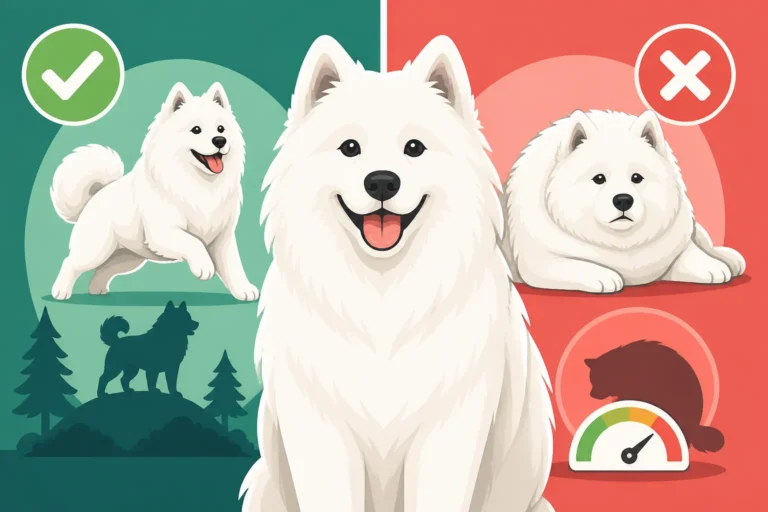
Samoyeds can be quite efficient eaters, and it's surprisingly easy for them to become overweight, especially as they get older or if they aren't getting enough exercise. Their fluffy coats can sometimes hide those extra pounds until it becomes a real problem. How a Samoyed's Ruff Hides Weight Gain means you need to be diligent about feeling their ribs and checking their waistline. Most adult Samoyeds will do well on two meals a day, morning and evening. This helps regulate their metabolism and reduces the risk of bloat, a serious and life-threatening condition.
The exact portion size will depend heavily on the specific food you choose, your dog's age, activity level, and metabolism. Always start with the guidelines on the food packaging, but remember these are just starting points. Monitor your Samoyed's weight and adjust accordingly. If you can easily feel their ribs but not see them, and they have a noticeable waist when viewed from above, they are likely at a healthy weight. If they seem perpetually hungry, ensure they're getting enough physical and mental exercise; sometimes, what seems like hunger is actually boredom. Treats should be factored into their daily calorie intake, not just added on top. High-fat treats, in particular, should be given sparingly, as Whether a Fatty Meal Triggers Samoyed Pancreatitis is a genuine concern for the breed.
The Importance of Fresh Water Access
This might seem obvious, but consistent access to fresh, clean water is absolutely non-negotiable for a Samoyed. These dogs have thick coats and can easily overheat, making hydration even more critical. Keep multiple water bowls around the house, especially if you have a larger home, and ensure they are cleaned daily to prevent bacterial buildup. Ceramic or stainless steel bowls are generally preferred over plastic, which can scratch and harbor bacteria.
On walks, especially longer ones or in warmer weather, always carry water for your Samoyed. Portable dog water bottles or collapsible bowls are incredibly handy. Even in winter, when they might not seem as thirsty, their bodies still require ample hydration. Many Samoyeds enjoy ice cubes as a treat, which can be a fun way to increase their water intake. Pay attention to how much your Samoyed is drinking; a sudden increase in thirst can be a sign of underlying health issues, such as Signs a Samoyed Has Become Diabetic or kidney problems, and warrants a vet visit.
| Age / Life Stage | Daily Meals | General Guidelines (Adjust based on activity/food) | Notes |
|---|---|---|---|
| Puppy (8 weeks – 6 months) | 3-4 | Smaller, frequent meals. Focus on quality puppy formula. | Controlled growth is important for joint health. Avoid overfeeding. |
| Puppy (6 months – 1 year) | 2-3 | Transition to 2 meals. Gradually increase portion size as they grow. | Continue with high-quality puppy/large breed growth formula. |
| Adult (1 year – 7 years) | 2 | Consistent portions based on activity level and weight. High-quality adult dog food. | Monitor weight closely. Adjust portions for working dogs or those with lower activity. |
| Senior (7+ years) | 2 | Slightly reduced portions, consider senior-specific formulas. Monitor for weight changes or dental issues. | May need softer food or supplements for joint health. Feeding an Old Samoyed might involve different considerations like palatability and nutrient absorption. Consult your vet for dietary changes. |
Grooming and Coat Care Essentials
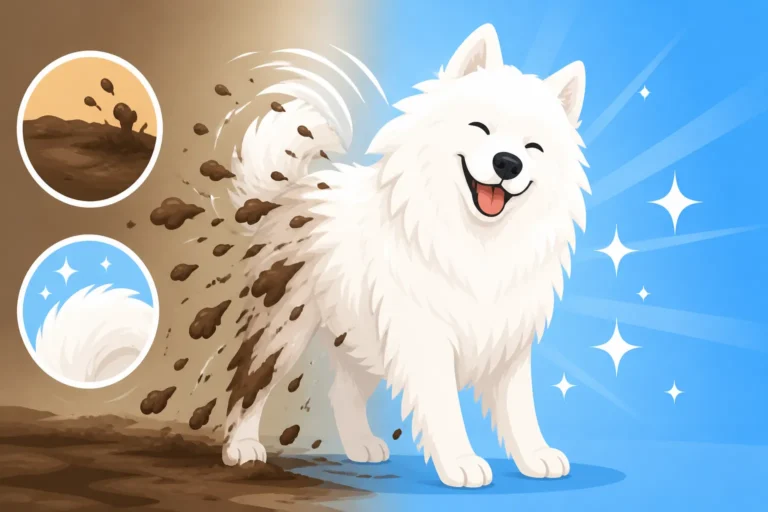
Ah, the Samoyed coat! It's one of their most defining features – that glorious, plush, snow-white fur that makes them look like living clouds. But let's be honest, it's also a serious commitment. Many people fall in love with the look without fully appreciating the dedication required to maintain it. Neglecting their coat isn't just about aesthetics; it can lead to painful matting, skin issues, and even affect their ability to regulate body temperature.
Daily Brushing: Keeping the Fluff at Bay
The idea of daily brushing might sound daunting, but for a Samoyed, it’s truly essential to prevent mats and keep their double coat healthy. Their soft, dense undercoat combined with their coarser guard hairs can quickly become a tangled mess, especially behind the ears, under the legs, and around the tail. A thorough daily brushing session, even if it's just 15-20 minutes, can save you hours of de-matting later and prevent costly trips to a professional groomer. You'll need a good quality slicker brush, a wide-toothed comb, and an undercoat rake.
Start by line brushing, working in small sections, making sure to get right down to the skin. Many owners make the mistake of only brushing the top coat, leaving the undercoat to mat against the skin. This "surface brushing" is ineffective and can create painful hidden mats. During a "coat blow" – which typically happens twice a year, often in spring and fall – the amount of loose undercoat can be absolutely staggering. When a Samoyed Blows Its Coat is not for the faint of heart, or for those allergic to dog hair! During these periods, you might need to increase brushing to twice a day to manage the sheer volume of shedding fluff. Investing in a good force dryer can also significantly help during a coat blow, pushing out loose hair and drying them thoroughly after baths.
Dental Care and Nail Trims
Beyond the beautiful coat, don't forget the less glamorous but equally important aspects of daily grooming: dental care and nail trims. Poor dental hygiene can lead to serious health problems, including heart and kidney disease, as bacteria from gum infections can travel throughout the body. Aim to brush your Samoyed's teeth daily, or at least several times a week, using a dog-specific toothbrush and toothpaste (never human toothpaste). Start slowly and make it a positive experience with praise and treats. Dental chews and water additives can help, but they are generally not a substitute for mechanical brushing.
Nail trims are another crucial daily or weekly maintenance task. If your Samoyed’s nails are too long, they can cause discomfort, lead to splayed toes, and even affect their gait and joint health. The general rule of thumb is that you shouldn't hear their nails clicking on hard floors when they walk. Depending on their activity level and the surfaces they walk on, your Samoyed might need their nails trimmed every 2-4 weeks. Use sharp clippers or a grinder, and be careful to avoid the quick, which is a blood vessel and nerve that runs through the nail. If you’re unsure, ask your vet or groomer to demonstrate the correct technique. Getting your Samoyed comfortable with nail trims from a young age will make this a much easier process throughout their life.
Eye and Ear Hygiene
Routine checks of your Samoyed's eyes and ears should be part of your daily or weekly routine. Samoyeds generally have very clean ears, but it's still good practice to check them for any redness, unusual odor, or excessive wax buildup, which could indicate an infection. A quick wipe with a damp cotton ball or a vet-approved ear cleaner (if recommended) can help keep them clean. Their upright ears tend to get good airflow, reducing the risk of issues, but vigilance is still important.
For their eyes, look for any discharge, redness, or signs of irritation. Samoyeds can sometimes get tear staining, especially if they have allergies or if their tears are pooling. Gently wipe around their eyes with a damp, soft cloth to keep the area clean. If you notice any excessive tearing, persistent redness, cloudiness, or any other concerning symptoms, it's always best to consult your veterinarian. Eye Disease and the Samoyed's Retina is something to be aware of, so consistent checks are part of their overall health picture. Maintaining these small, consistent grooming habits ensures your Samoyed not only looks their best but feels their best too.
Social Connection and Affection
One of the most defining characteristics of a Samoyed is their deep-seated need for social connection. These dogs were not bred to be solitary working animals; they lived and slept with the nomadic Nenets people, sharing their tents and even acting as living blankets for warmth. This ancient history has ingrained in them an intense desire to be part of the family, and they thrive on constant interaction and affection. For a Samoyed, being with their people isn't a luxury; it's a fundamental daily need.
The Samoyed's Need for Family Inclusion
If you're looking for a dog that's content to be left alone in the backyard or a separate room for long periods, a Samoyed is absolutely not the breed for you. They are social creatures to their core and suffer greatly when isolated. They want to be wherever you are, whether you're cooking dinner, watching TV, or even just moving from one room to another. This is why Why a Samoyed Wants to Be in the Room With You is so true for the breed. They thrive on being integrated into your daily life, receiving cuddles, playful pats, and simply sharing space with their human family.
Many Samoyed owners describe their dogs as being shadow dogs, following them from room to room, often settling at their feet or on a nearby couch. This isn't clinginess in an unhealthy way; it's just their way of being part of the pack. Daily dedicated one-on-one time, whether it's a cuddle session on the sofa, a game of tug-of-war, or just sitting together while you read, feeds their emotional well-being. This bond is what truly makes a Samoyed happy, and they will shower you with unwavering affection in return, complete with their famous "Samoyed smile."
Managing Separation Anxiety
Given their strong need for companionship, Samoyeds can be prone to separation anxiety if not properly managed from a young age. Being left alone for too long or too frequently can manifest in destructive behaviors, excessive vocalization (like the "Samoyed scream"), or even house-soiling. It’s a real challenge for many owners, especially those who work full-time. The goal is to teach them that alone time is okay and even pleasant.
Start by gradually increasing the time they are left alone, beginning with just a few minutes and slowly extending it. Provide engaging chew toys or a puzzle feeder (perhaps one you got from Chewy) to keep them occupied when you leave. Make your departures and arrivals low-key, avoiding a big fuss. A consistent routine can also help. For those who work long hours, consider hiring a dog walker or arranging for a friend or family member to check in on your Samoyed during the day. Sometimes, another dog can help, but it’s not a guaranteed solution, as their primary bond is often with their humans. Remember, a Samoyed needs How Many Hours a Samoyed Can Be Left to be realistic, and pushing those boundaries without proper preparation can lead to a very stressed dog.
Positive Interactions with Other Animals and People
Samoyeds are generally known for their friendly, outgoing nature. They typically get along well with other dogs and are often excellent with children and strangers, earning them the nickname "smiling dog." This natural sociability should be nurtured with consistent, positive interactions. Daily exposure to a variety of people, dogs, and environments is crucial for maintaining their well-adjusted temperament. Early and ongoing socialization is key for a Samoyed puppy. Where to Socialize a Samoyed Puppy Before Full Vaccination is important, as is continued exposure as they grow.
Regular trips to dog parks (if your Samoyed is well-socialized and you're confident in their behavior), training classes, or even just walks in busy areas can provide opportunities for positive interactions. Supervise all interactions, especially with young children, teaching both the dog and the child appropriate ways to play and interact. With other pets in the household, Samoyeds generally coexist peacefully, although their herding instinct might make them prone to "nipping" at the heels of running children or smaller animals. Consistent positive reinforcement and setting clear boundaries from the start will ensure your Samoyed remains the friendly, gentle soul they are meant to be.
Health Monitoring and Routine Checks
Owning a Samoyed means being their advocate for health. While they are generally a robust breed, like all purebreds, they are predisposed to certain conditions. Early detection and proactive care are paramount to ensuring a long, happy, and comfortable life for your fluffy companion. It's not just about annual vet visits; it's about paying attention to the subtle cues your Samoyed gives you every single day.
Daily Observation for Changes
Your Samoyed can't tell you in words if something is wrong, so it's up to you to be observant. Daily "health checks" don't have to be formal; they can be integrated into your normal interactions. When you're brushing their coat, feel for any new lumps, bumps, or skin irritations. When they're eating or drinking, notice if there's any change in appetite or thirst. How a Samoyed Hides Illness Behind a Smile is a real phenomenon; their naturally happy expression can mask discomfort, making your keen observation even more important.
Pay attention to their gait – are they limping, favoring a leg, or moving stiffly? Are their eyes bright and clear, or cloudy and red? Is their nose moist and cool, or dry and crusty? Check their gums – they should be pink and healthy. Note any changes in their stool consistency or frequency. A sudden change in energy levels, increased panting without exertion, or any unusual vocalization (beyond their normal "Samoyed talk") could be signals. Keep a mental (or even physical) log of these observations. If you notice persistent changes, it's time to call the vet.
Regular Vet Visits and Preventative Care
Beyond your daily observations, regular veterinary check-ups are the cornerstone of preventative care. Puppies require a series of vaccinations and deworming. Adult Samoyeds typically need an annual wellness exam, which includes a thorough physical examination, dental check, and usually a yearly booster for core vaccines. As they get older, Caring for a Samoyed Past Nine often means more frequent vet visits, perhaps twice a year, as senior dogs are more prone to age-related conditions.
During these visits, your vet will discuss parasite prevention (fleas, ticks, heartworm), which is a year-round necessity in many areas. They might recommend specific health screenings relevant to the Samoyed breed, such as for hip and elbow dysplasia, eye conditions like Progressive Retinal Atrophy in a Samoyed, and cardiac issues like Aortic Stenosis in a Samoyed. For males, early screening for The Kidney Disease That Kills Samoyed Males Before Fifteen Months is critical, often involving a simple DNA test. Don't hesitate to ask your vet about any concerns you've noticed during your daily checks. These routine appointments are your best defense against serious health problems.
Understanding Key Health Indicators
Educating yourself on key health indicators can empower you to recognize potential issues sooner. For example, knowing what a normal temperature range is for a dog (around 101-102.5°F or 38.3-39.2°C) or how to check their capillary refill time (press on their gums, the pink color should return within 2 seconds) can be incredibly useful in an emergency. Understanding the signs of common Samoyed health issues, like Signs a Samoyed Has Become Diabetic (increased thirst, urination, weight loss) or Signs a Samoyed Has Pancreatitis (vomiting, abdominal pain, lethargy after a fatty meal) can prompt you to seek veterinary care without delay.
It's also beneficial to keep a record of your Samoyed's weight. Subtle weight changes can be early indicators of underlying health problems, especially for a breed whose fluffy coat can obscure physical changes. Discuss with your vet what signs of discomfort or illness you should specifically watch out for in your individual dog, considering their age and medical history. Being proactive and informed is the best way to ensure your Samoyed receives timely care and maintains optimal health throughout their life.
Safe and Comfortable Living Environment
Creating the right home environment for your Samoyed isn't just about providing shelter; it's about crafting a space where they feel secure, comfortable, and can thrive, especially given their unique physical and behavioral needs. From temperature regulation to escape-proofing, every detail contributes to their overall happiness and safety.
Creating a Secure Outdoor Space
For many Samoyeds, a securely fenced yard is a non-negotiable part of their daily life. While they need walks and adventures, having a safe outdoor space to explore, play, and relieve themselves is incredibly beneficial. However, Samoyeds are notorious escape artists. Their intelligence, athleticism, and sheer determination mean that a standard four-foot fence often won't cut it. How High a Samoyed Can Jump a Fence is surprisingly high, and Why a Samoyed Digs Under Fencing is a common behavior, especially if they're bored or seeking cooler ground.
A six-foot fence is often recommended, and even then, consider burying wire mesh along the bottom or adding a "coyote roller" to the top to prevent climbing. Regularly inspect your fence for weak spots, loose boards, or areas where they might be starting to dig. Remember, a Samoyed's instinct to roam and explore is incredibly strong, and their recall is often unreliable once they've caught a scent or a glimpse of something interesting. What a Samoyed Does the Moment a Gate Opens is usually a bolt for freedom, so double-check latches and educate visitors about keeping gates closed. A secure yard provides peace of mind for you and a safe space for your Samoyed to enjoy some outdoor freedom.
Indoor Comfort and Temperature Management
Given their origins, temperature management is paramount for a Samoyed, especially in warmer climates. Their thick double coat, while excellent insulation, means they are highly susceptible to overheating. During warmer months, air conditioning is not a luxury; it's a necessity. Even in mildly warm weather, ensure your Samoyed has access to cool, tiled floors or a cooling mat to lie on. Why a Samoyed Lies on Tile to Cool Down is a common sight in many Samoyed homes. Never leave them in a car, even for a few minutes, as temperatures can soar rapidly.
Indoors, provide them with comfortable, elevated beds that allow air circulation, especially if they prefer not to lie on a cool floor. While they love to be close to their people, ensure they have their own designated quiet space, perhaps a large crate (if they are crate-trained) or a dog bed in a cooler, less trafficked area, where they can retreat when they need alone time. In colder weather, their coat is usually more than sufficient, but ensure they have dry, draft-free bedding, especially if they spend time outdoors. A Samoyed should ideally be an indoor dog, integrated into family life, with safe outdoor access for exercise and potty breaks.
Providing Adequate Resting Spots
Just like humans, Samoyeds need quality sleep and ample opportunities to rest and recharge. Having several comfortable resting spots around the house gives them choices and ensures they can always find a quiet place to snooze. These could include a large, comfortable dog bed in the living room, a cooling mat in the kitchen, and a soft blanket in their crate. The key is comfort and accessibility.
Consider orthopedic beds for older Samoyeds or those with Hip Dysplasia in a Samoyed, as these can provide much-needed joint support. Placing beds in areas where they can still feel connected to the family but aren't constantly disturbed is a good balance. For example, a bed in the corner of the living room allows them to observe family activity without being right in the middle of it. A sense of security and a quiet place to truly relax are essential for their overall well-being. Even during the day, short naps are important, so ensure they aren't constantly interrupted.
Training and Consistency
Training a Samoyed is an ongoing journey that requires patience, consistency, and a good sense of humor. They are intelligent and capable, but their independent spirit and innate desire to "negotiate" make them different from many other breeds. Daily training isn't just about obedience; it's about building communication, trust, and reinforcing the boundaries that keep them safe and well-behaved.
Reinforcing Basic Commands Daily
Even after your Samoyed has mastered basic commands like sit, stay, come, and down, it's crucial to reinforce them daily. These aren't just tricks; they are vital communication tools and safety cues. Integrate short bursts of training into your daily routine. Ask your Samoyed to "sit" before you put down their food bowl, or to "stay" while you open the door. This keeps their mind engaged and reinforces your role as the leader, while also making them more reliable in real-life situations. Remember, How Many Repetitions a Samoyed Needs to truly internalize a command can be more than for other breeds, so consistency is truly your best friend here.
Use positive reinforcement methods – treats, praise, and favorite toys – to reward desired behaviors. Samoyeds respond best to encouragement and fun, not harsh corrections. Make it a game! For instance, if you're out on a walk and they're pulling (a very natural Samoyed behavior, as Pulling: What a Samoyed Was Actually Bred to Do implies), don't just tug on the leash. Instead, use a "loose leash walking" technique where you stop every time they pull, only moving forward when the leash is slack. This teaches them that pulling gets them nowhere, and a loose leash gets them where they want to go.
Addressing Specific Behavioral Challenges
Every Samoyed will have their quirks, and some behavioral challenges are more common in the breed. Excessive barking or vocalizing (the infamous "Samoyed scream") is often a common concern. Why a Samoyed Vocalizes Instead of Barking is part of their communication style, but it can become a nuisance. Addressing this requires understanding the root cause – is it boredom, anxiety, attention-seeking, or an alert? Once you identify the trigger, you can work on counter-conditioning or providing alternative behaviors. For instance, if they bark at every person walking by the window, try teaching them a "quiet" command and rewarding them for silence.
Another common challenge is their strong prey drive and tendency to roam. Why a Samoyed's Recall Cannot Be Trusted is often a painful lesson for new owners. This means that off-leash privileges should be exercised with extreme caution, preferably only in securely fenced areas. Work on "proofing" their recall in various environments, with increasing distractions, always using high-value rewards. For digging, understanding The Digging a Samoyed Does Because It Is Hot or bored is important. Providing a designated digging pit in your yard can sometimes redirect this natural behavior. Consistency and patience are key for all these challenges; there are no quick fixes with a Samoyed.
Making Training Fun and Engaging
For a breed as intelligent and independent as the Samoyed, training needs to be fun and engaging to hold their interest. Monotonous drill sessions will quickly lead to a bored Samoyed who decides there are far more interesting things to do. Keep sessions short, varied, and end on a positive note. Incorporate games that involve problem-solving or using their natural instincts. For example, hide-and-seek with you or a toy is a fantastic way to practice recall in a fun setting.
Consider taking up dog sports beyond basic obedience. Agility, rally obedience, canicross, or even nose work can provide fantastic mental and physical outlets while strengthening your bond. These activities tap into their working dog heritage and fulfill their need for a "job." Even if you never compete, the process of learning together is incredibly rewarding. A Samoyed that enjoys learning is a Samoyed that is more likely to be a well-behaved and happy companion. What a Samoyed Will Work For often depends on the individual dog, but most are highly motivated by tasty treats, praise, and playtime with their favorite humans.
Disclaimer
This article is for general informational purposes only and does not constitute professional advice. Laws, prices and regulations vary by location and change over time. Consult a qualified professional for guidance on your specific situation.