What a Samoyed Skijoring Setup Costs
So, you've got that fluffy, smiling Samoyed, full of boundless energy, and you're dreaming of gliding across snowy landscapes with them leading the way. Skijoring, where your Samoyed pulls you on skis, sounds like an absolute blast, a perfect winter wonderland activity for both of you! But then reality sets in, and you start wondering, "What exactly does it cost to get started with skijoring?" It's a valid question, because while the image is idyllic, the gear isn't just lying around your garage. This guide is here to break down the expenses involved, helping you understand what you'll need to invest to turn those snowy dreams into reality.
Understanding the Essentials of a Skijoring Setup
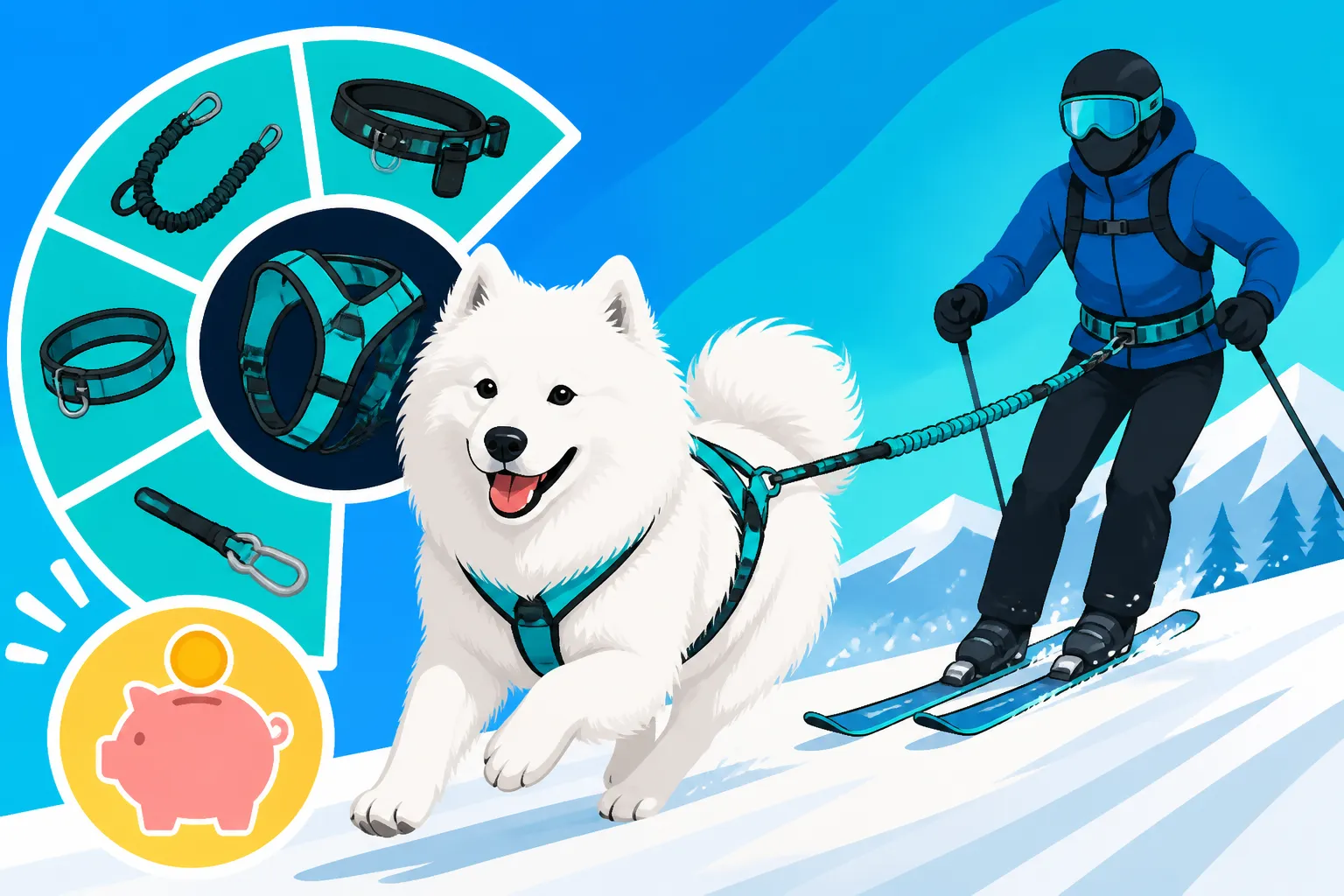
Getting into skijoring isn't just about strapping on skis and hoping for the best. There’s specific equipment designed to ensure safety, comfort, and efficiency for both you and your Samoyed. Think of it as a three-part system: what your dog wears, what you wear, and the connection between you. These aren't items you can skimp on, as poorly fitting or low-quality gear can lead to discomfort for your dog, or even injury for both of you.
The Skijoring Harness: Your Samoyed's Power Source
This is arguably the most crucial piece of equipment for your Samoyed. A standard walking harness just won't cut it. Skijoring harnesses are specifically designed to distribute pulling pressure evenly across your dog’s chest and shoulders, preventing injury and maximizing their natural pulling power. They are often X-back or H-back style harnesses, sometimes with an integrated padded collar, allowing for a full range of motion without restricting airways or joints.
When you're looking at harnesses, you'll find a pretty wide range of options. On the more economical side, you might find entry-level harnesses made from durable but simpler materials. These are a great starting point, especially if you're not sure how dedicated you'll be to the sport. However, for a Samoyed, a breed known for its serious pulling capability and propensity for developing issues like Hip Dysplasia in a Samoyed, investing in a higher-quality, well-padded, and properly fitted harness can make a huge difference in their comfort and performance. Some brands even offer custom-fit harnesses, which, while a larger upfront expense, can be invaluable for dogs with unique body shapes or those who will be doing a lot of serious work. Remember, a poor fit can rub, chafe, or even restrict movement, turning a fun outing into a painful experience.
The Skijoring Belt: Your Connection to the Power
Next up is the skijoring belt, which is what you, the human, wear. This isn't just a regular belt; it's a specially designed padded belt that typically sits low on your hips. It has an attachment point, usually a quick-release buckle, for the towline. The key here is comfort and weight distribution. Your Samoyed is going to be pulling you, and all that force needs to be absorbed and distributed across your core and hips to prevent strain on your back and to maintain stability.
Just like harnesses, skijoring belts come with varying price tags. You'll find basic models that offer essential padding and connection points, perfect for casual skijorers. These are often made from sturdy nylon with foam padding. Mid-range options might offer more ergonomic designs, better quality buckles, and more extensive padding, which can be a godsend on longer outings. The higher-end belts are often anatomically shaped, using advanced materials that are lightweight, breathable, and incredibly durable, sometimes even offering integrated pockets for essentials like Joint Supplements for a Samoyed or treats. The choice often depends on how serious you plan to get and how much comfort you prioritize. If you're going to be out there for hours, a more comfortable, supportive belt will make a world of difference.
The Skijoring Line: Bridging Dog and Human
The final piece of the essential puzzle is the skijoring line, also known as a towline or bungee line. This isn't just a leash; it's a specialized line, usually between 8 to 12 feet long, that incorporates a bungee or elastic section. The bungee is crucial: it absorbs the shock of your dog’s pulling, creating a smoother ride for you and protecting your Samoyed from jarring impacts, especially during sudden starts or changes in speed. Without that bungee, every jolt from your dog's gait would transmit directly to your body and vice versa, which is neither comfortable nor safe.
Towlines vary in cost primarily based on length, material quality, and the strength/quality of the integrated bungee. Simpler lines might use standard nylon webbing with a basic elastic core. More robust lines, especially those designed for multiple dogs or heavier pulling, will feature stronger, more durable materials, often with a thicker or more sophisticated bungee system. Some lines even have reflective stitching for low-light conditions, which is a nice safety feature if you plan on twilight or early morning adventures. You might find a perfectly functional line at a lower cost, but keep in mind that a stronger, well-made line will withstand the elements and the constant tension of pulling far better, offering better longevity and safety.
| Component | Description | Cost Factors |
|---|---|---|
| Skijoring Harness | Distributes pulling force across dog's chest/shoulders. | Material quality, padding, custom fit options, brand reputation, durability. |
| Skijoring Belt | Padded belt for human, sits on hips, distributes pulling force. | Ergonomics, padding thickness, material (nylon, breathable fabrics), quick-release buckle quality, additional features. |
| Skijoring Line | Connects harness to belt, includes a bungee to absorb shock. | Length, material strength, bungee quality/elasticity, hardware (snaps), reflective elements. |
| Skis & Poles | Cross-country skis for propulsion and balance. | Type (classic, skate, backcountry), material, binding quality, pole material (aluminum, carbon fiber). |
| Winter Apparel | Layered clothing for warmth, moisture-wicking, and protection. | Brand, material tech (Gore-Tex, synthetic insulation), weather resistance, number of layers needed. |
| Dog Booties | Protects paws from ice, snow, and rough terrain. | Material durability, number of booties (sets), brand, fit, waterproofing. |
Beyond the Basics: Important Gear for the Skijorer
Once you’ve got the essential dog and human connection gear sorted, you need to think about your own personal setup. After all, you’re the one on skis, guiding and being pulled, and staying safe and comfortable is paramount.
Skis and Poles: Your Primary Propulsion
For skijoring, cross-country skis are the standard. You’re not looking for downhill skis here, but lighter, narrower skis designed for gliding over snow. There are a few different types of cross-country skis, and your choice can influence your experience and, of course, the cost. Classic cross-country skis are generally easier for beginners and are great for groomed trails or breaking your own path. Skate skis are designed for a faster, more athletic skating motion, and require more skill and usually groomed conditions. Backcountry cross-country skis are wider and more robust, designed for venturing off-trail into deeper snow.
The cost of skis varies wildly based on whether you're buying a full package (skis, bindings, boots, poles) or individual components. Entry-level recreational sets are often quite affordable, especially if you catch sales. Mid-range options will offer better glide, lighter materials, and more responsive bindings. High-performance racing skis, made from advanced composites, will naturally be at the top end of the price spectrum. Don't forget poles – lighter, more durable poles, often carbon fiber, will also add to the overall expense compared to basic aluminum ones. Remember, these are your primary means of propulsion and balance, so choosing skis appropriate for your skill level and the terrain you'll be on is key.
Appropriate Winter Apparel: Staying Warm and Dry
Skijoring is an active sport, and you'll be out in potentially cold, snowy, and windy conditions. Proper layering is absolutely non-negotiable. This means moisture-wicking base layers, insulating mid-layers, and a weather-resistant outer shell. You'll generate a lot of heat while skiing, but standing still or in strong winds, you can get cold very quickly.
You might already own some of these items, especially if you participate in other winter sports or spend time outdoors. However, if you're starting from scratch, the cost of quality winter apparel can add up quickly. Think about technical fabrics that breathe but also repel snow and wind. Items like insulated gloves or mitts, a warm hat or headband, and good quality winter socks are essential. While you can certainly get by with some general winter sports attire, purpose-built cross-country ski clothing is often lighter and more flexible, designed for dynamic movement. Brands like Columbia, North Face, or even more specialized ski brands will offer a range of options. Investing in good gear here means you’ll be comfortable enough to truly enjoy the experience with your Samoyed, rather than cutting your outing short due to feeling chilled to the bone.
Dog Booties and Paw Care: Protecting Those Precious Paws
While your Samoyed has a magnificent double coat perfect for cold weather, their paw pads are still vulnerable, especially when covering distances over snow, ice, or even packed trails with abrasive particles. Dog booties are a wise investment, and for many skijorers, they're not optional. They protect against frostbite, cuts from sharp ice, snow buildup between the pads (which can cause painful ice balls), and irritation from road salt if you happen to be near urban areas.
You’ll want to have several sets of booties on hand, as they can get lost or wear out. Chewy and other pet supply retailers offer a wide variety of brands and styles. Some are designed for extreme cold, others for durability on rough terrain. Look for booties that are easy to put on and take off, stay on securely, and offer good traction. The cost isn't usually prohibitive per pair, but accumulating a good supply of durable booties can add up. Beyond booties, consider paw balm or wax to help condition pads and create a protective barrier, especially on days you might opt not to use booties or for general paw health during winter.
Additional Considerations for the Enthusiastic Skijorer
The basic gear will get you out there, but like any sport, there are other aspects that can add to your overall investment, both in time and money. These are often about enhancing the experience, ensuring safety, or preparing for the long haul.
Training and Lessons: Investing in Skill
While some Samoyeds naturally take to pulling, skijoring is more than just letting your dog drag you around. It involves specific commands, communication, and teamwork. Your dog needs to understand directional cues ("gee" for right, "haw" for left), "on by" to pass distractions, and "whoa" to stop. You, as the skijorer, also need to develop your cross-country skiing skills, especially balance and control while being pulled.
Investing in some basic obedience training, especially focused on directional cues and leash manners, will make a huge difference. You might consider specific dryland training with a rig before hitting the snow. Formal skijoring or canicross workshops are fantastic for learning the ropes from experienced pros. These lessons or workshops will definitely add to your initial outlay. However, they significantly reduce frustration, improve safety, and foster a stronger bond with your Samoyed as you learn to work together. Many Samoyeds thrive on having a job, and structured training helps them understand their role in the team. Training a Samoyed That Finds Obedience Negotiable is a real thing, and proper instruction makes it much smoother!
Transportation and Storage: Getting There and Keeping It Safe
Think about how you'll get yourself and your Samoyed (and all that gear!) to the snowy trails. If you're heading to a dedicated cross-country ski area, there might be trail fees or parking passes. Your vehicle needs to be suitable for winter driving conditions. If you're going off-trail, you might need snowshoes or other gear to scout paths without your skis on.
Storing your gear also has implications. Skis need proper storage to maintain their camber, and bindings should be kept clean. Your harness, belt, and lines should be hung to dry properly to prevent mildew and extend their lifespan. If you're serious about the sport, you might eventually consider a specific storage solution for your skis, or even a rooftop cargo box for your car to keep snow and slush out of the interior. While these aren't direct skijoring costs, they are part of the overall lifestyle if you commit to the sport. What a Crate Sized for a Samoyed Costs might be relevant for transport if your Samoyed needs secure containment in the vehicle.
Potential Maintenance and Replacement Costs
No gear lasts forever, especially when it's subjected to the rigors of snow, cold, and dog power. Over time, you'll need to consider maintenance and eventual replacement. Ski bases need waxing regularly to maintain glide and protect them from wear. Bindings can accumulate snow and ice, requiring careful cleaning. Booties will wear out, harnesses might fray, and bungee lines can lose their elasticity.
Factor in the cost of ski wax, brushes, and scraping tools if you plan to do your own ski maintenance. If you prefer to have a ski shop do it, those services come with a fee. Replacing worn-out booties will be an ongoing expense. While a good quality harness and belt should last for years, eventually, even they will need to be replaced. And let's not forget about your Samoyed's health. While not a direct gear cost, an active dog might need occasional vet visits related to strains or sprains. Having robust pet insurance from providers like Healthy Paws can certainly help manage unexpected veterinary expenses, ensuring your Samoyed stays in top form for all your adventures. You also want to make sure your Samoyed is getting premium nutrition to support their active lifestyle, so considering brands like Ollie for their fresh food diet could be an ongoing investment.
Skijoring is an incredibly rewarding sport that allows you to bond with your Samoyed and enjoy the beauty of winter together. While the initial setup cost can feel like a bit of an investment, remember you're purchasing durable equipment designed for active use and ensuring the comfort and safety of both you and your beloved companion. Many of these items, like your skis and good winter apparel, can be used for other winter activities as well, offering versatility. By understanding the components and their potential costs, you can budget effectively and look forward to countless snowy adventures with your Samoyed.
Disclaimer
This article is for general informational purposes only and does not constitute professional advice. Laws, prices and regulations vary by location and change over time. Consult a qualified professional for guidance on your specific situation.