What a Bikejor Rig Costs a Samoyed Owner
You've got a beautiful Samoyed, full of boundless energy, and you're looking for an exciting new way to channel that enthusiasm, perhaps even to share the trails with your furry best friend. Bikejoring sounds like an amazing adventure, doesn't it? It’s a fantastic way to bond and provide an incredible workout, but before you hit the dirt paths, there's the very practical question of what kind of investment you'll be making. It can feel a bit overwhelming trying to figure out what gear you actually need and what it might set you back. This guide is here to walk you through the various costs associated with setting up a bikejor rig for your Samoyed, from the absolute essentials to the little extras that make a big difference in safety and enjoyment.
Understanding the Essentials of a Bikejor Rig for Your Samoyed
When you first think about bikejoring, you might just picture your bike and your dog. But it's a little more involved than simply attaching a leash to your handlebars and hoping for the best. To ensure both your safety and your Samoyed's, a proper rig is crucial. This isn't just about convenience; it's about preventing accidents, injuries, and making the experience truly enjoyable for both of you.
The Bike Itself: More Than Just Two Wheels
Let's start with the obvious: the bike. While you might be tempted to use your old cruiser or a road bike, these are generally not suitable for bikejoring. Why? Because bikejoring often takes place off-road, on trails, gravel paths, or even packed dirt. You need stability, good braking power, and the ability to absorb shocks from uneven terrain.
A mountain bike is typically the gold standard for bikejoring. Its robust frame, suspension (front suspension at a minimum, full suspension if you want extra comfort and control), and knobby tires offer the traction and durability needed. You'll want good, reliable brakes – disc brakes are preferred for their consistent stopping power in all conditions, which is absolutely vital when you have a powerful Samoyed pulling you along. The cost of a suitable mountain bike can vary wildly, from entry-level models that are perfectly adequate for beginners to high-end machines that boast all the latest tech. Remember, this isn't necessarily a dedicated "bikejoring bike" unless you want it to be; it can be your regular mountain bike that you adapt for the sport. However, if your current bike isn't up to snuff for the trails, that's where your first significant investment might come in.
The Core Components: Harness, Line, and Bike Attachment
Once you have a suitable bike, you'll need the specialized equipment that connects you safely to your Samoyed. This isn't just any old leash and collar setup; these components are designed for pulling sports and distribute pressure correctly to prevent injury.
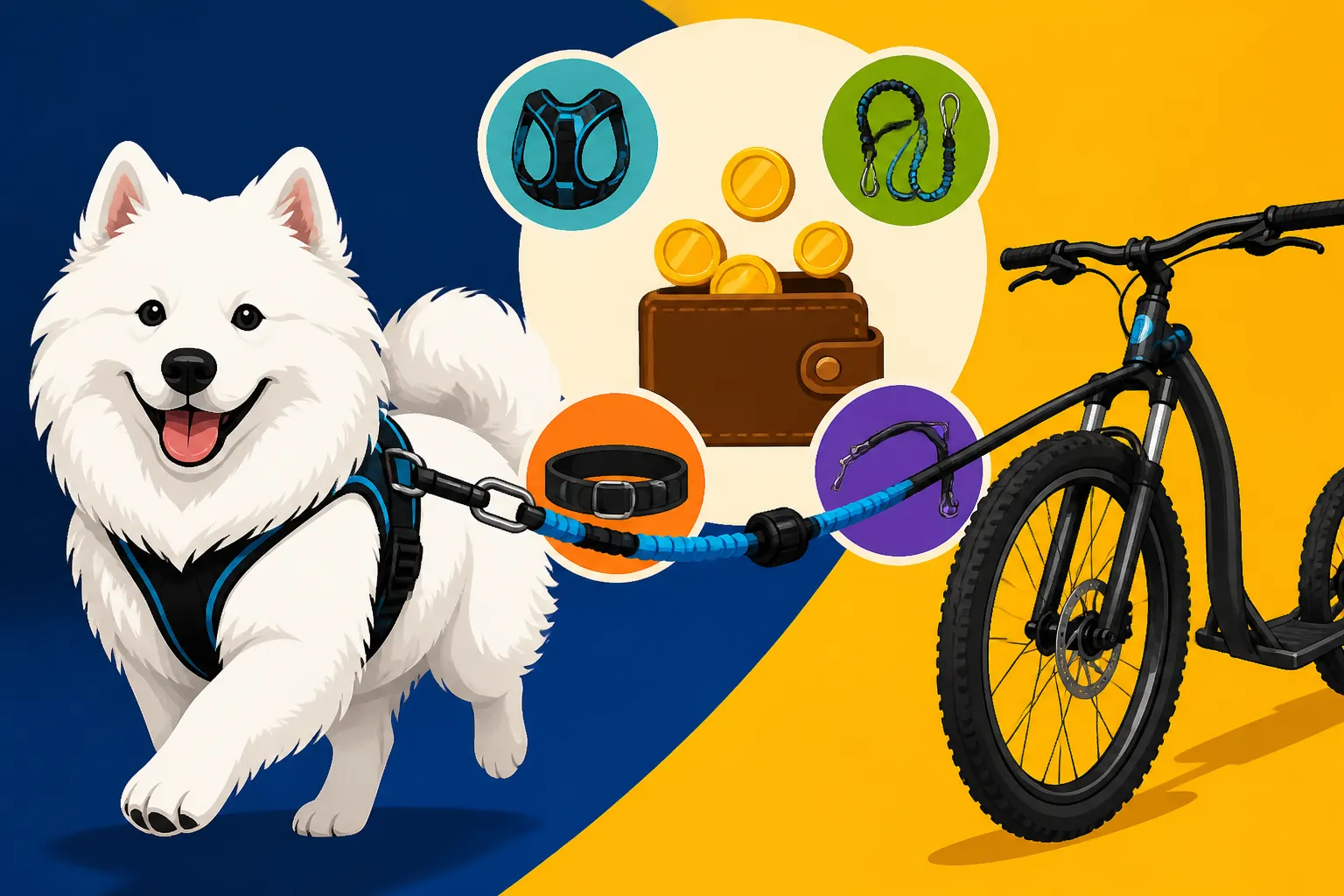
First, your Samoyed needs a proper pulling harness. This is not a regular walking harness, which often puts pressure on the dog's throat or shoulders. A pulling harness, sometimes called an X-back or H-back harness, is designed to distribute the pulling force evenly across the dog's chest and back, allowing them to lean into the pull comfortably and efficiently. Fit is paramount here; a poorly fitting harness can chafe, restrict movement, or cause injury. You'll want to measure your Samoyed carefully and possibly consult with a reputable gear supplier to ensure the right size. Brands like Non-Stop Dogwear, Arctic Wolf, and Sacco are well-known for producing high-quality pulling harnesses that can withstand the demands of active Samoyeds.
Next up is the bungee line, also known as a gangline or towline. This isn't just a rope; it's a specialized line with an integrated bungee section that absorbs shocks and provides a smooth, consistent pull for both you and your dog. Without the bungee, every stride your Samoyed takes would send a jolt through your bike, and every brake you apply would yank on their harness. The bungee line acts as a shock absorber, making the experience much more comfortable and safer. The length is important too, typically around 8 to 10 feet when extended, ensuring enough distance between the bike and your dog to prevent them from getting too close to the front wheel.
Finally, you need a bike attachment, sometimes called a bike antenna or springer. This piece of equipment mounts to your bike frame, usually the head tube or seat post, and keeps the bungee line away from your front wheel. This is a critical safety feature; if the line gets tangled in the wheel, it could cause a sudden stop, a nasty fall for you, and potentially injure your dog. The antenna is typically flexible or spring-loaded, allowing the line to move slightly without getting caught. Some systems, like the Springer brand, even include a spring-loaded arm that keeps the dog securely to one side of the bike, which can be useful for those learning or for dogs that tend to veer. For those just starting out, a simple aluminum or fiberglass antenna that attaches securely is often sufficient.
Breaking Down the Costs: What to Expect for Each Component
Now that we understand the essential pieces, let's look at the financial side of things. The range of options available means costs can fluctuate significantly. It's really about balancing quality, safety, and your budget.
Entry-Level vs. Performance Gear
When it comes to bikejoring gear, you often get what you pay for. However, "entry-level" doesn't necessarily mean unsafe or low quality; it just means it might lack some of the premium features or extreme durability of performance-grade equipment.
For a pulling harness, you can find basic, well-designed harnesses that fit most Samoyeds without breaking the bank. These might be made from durable nylon webbing with adequate padding. On the higher end, you'll find harnesses with more ergonomic designs, advanced materials for breathability and moisture-wicking, and reinforced stitching for extreme conditions. The difference in price often reflects the brand's reputation, the materials used, and specialized features. For a bungee line, simpler ones will do the job, typically made of strong rope with a robust bungee insert. Premium lines might feature more advanced rope materials, better quality bungee elastic, and stronger, lighter carabiners.
Bike attachments also range in complexity and price. A basic, rigid antenna that simply holds the line away from the wheel is the most affordable option. More advanced spring-loaded systems, which offer better shock absorption and can help guide the dog more effectively, will naturally be a higher investment. Think about how often you plan to bikejor and the intensity of your sessions. If you're just starting with occasional recreational rides, entry-level gear might be perfectly fine. If you envision serious training or even competitive events, investing in more durable, performance-oriented equipment upfront could save you money in the long run. Many quality dog gear suppliers, including popular online retailers like Chewy, carry a range of options for these specialized harnesses and lines, often from reputable brands.
| Component | Entry-Level Considerations | Performance-Level Considerations |
|---|---|---|
| Bike | Used mountain bike, hardtail, basic disc brakes | New mountain bike, full suspension, hydraulic disc brakes |
| Pulling Harness | Durable nylon, adequate padding, standard fit | Ergonomic design, advanced breathable materials, custom fit |
| Bungee Line | Standard rope, sufficient bungee, basic carabiners | High-strength rope, high-quality bungee, specialized clips |
| Bike Attachment | Rigid antenna (head tube or seat post mount) | Spring-loaded arm, integrated safety features |
Additional Accessories and Safety Considerations
Beyond the core rig, there are other items that aren't strictly part of the "rig" but are absolutely essential for a safe and enjoyable bikejoring experience. Neglecting these can lead to discomfort, injury, or worse.
Your Safety Gear: Don't forget about yourself! A good quality cycling helmet is non-negotiable. Gloves can protect your hands from scrapes and improve grip. Cycling glasses can shield your eyes from dust, bugs, and glare. You might also consider reflective clothing, especially if there's any chance you'll be out near dusk or dawn. Lights for your bike are also a must, both front and rear, if visibility is ever a concern.
Your Samoyed's Safety and Comfort:
- Paw Protection: Your Samoyed's paws will be working hard. Depending on the terrain and distance, paw balm or even dog boots might be necessary to prevent abrasions or soreness. If you're hitting rocky or icy trails, boots are a lifesaver.
- Hydration: Always carry water for both you and your dog. A collapsible dog bowl and a water bottle or hydration pack are essential. Dehydration is a serious risk, especially for a thick-coated breed like a Samoyed, even in cooler weather.
- First Aid Kit: Accidents can happen. A small, portable first aid kit specifically for dogs (and humans!) is a wise investment. Include items like antiseptic wipes, bandages, paw wraps, and any personal medications.
- Tracking Device: Given a Samoyed's sometimes independent nature and prey drive, a GPS tracking collar can offer immense peace of mind, especially on unfamiliar trails.
- Visibility Gear for Your Dog: Just like you, your Samoyed should be visible. Reflective harnesses, collars, or even small clip-on lights can make a huge difference if you're on trails shared with others, or if you're out when light is fading.
These additional items can add up, but they are truly part of the overall cost of responsible bikejoring. Think of them as necessary investments in safety and preventing future, more expensive problems. Having appropriate pet insurance, like a plan from Healthy Paws, can also be a comfort should an unexpected injury occur on the trail.
Long-Term Investments and Hidden Expenses
The initial setup cost is just one piece of the puzzle. Owning an active, working dog and engaging in sports like bikejoring also involves ongoing considerations that can impact your wallet over time.
Maintenance, Replacements, and Upgrades
Just like any piece of athletic equipment, your bikejoring gear will experience wear and tear. Bungee lines can lose their elasticity or fray over time, especially if exposed to harsh weather or rigorous use. Harnesses might get dirty, stretched, or chewed (Samoyeds, am I right?). Your bike will require regular maintenance: tires wear out, brake pads need replacing, and chains need cleaning and lubrication. These are all ongoing costs that need to be factored into your budget.
You might also find yourself wanting to upgrade. Perhaps that entry-level harness works fine for a bit, but as your Samoyed gets stronger and more efficient, you might want to invest in a more specialized or custom-fit option. Or maybe you start with a rigid bike attachment and later decide a spring-loaded one would offer a smoother ride. Over time, these replacements and upgrades become part of the true cost of the sport. Regular cleaning and proper storage of your gear can extend its life, but nothing lasts forever. Investing in a good quality cleaner and conditioner for your Samoyed's pulling harness, for instance, can help it last longer, especially if it gets muddy often.
Training and Club Memberships
Bikejoring isn't something you just jump into without some preparation. Both you and your Samoyed need to learn the ropes (pun intended!). This means investing time in training, and sometimes, money.
Your Samoyed needs to understand basic commands specifically tailored for pulling sports. "Gee" (go right), "Haw" (go left), "Whoa" (stop), and "On By" (ignore distractions) are crucial for safety and control. While you can certainly teach these commands yourself, many owners find value in taking a specialized class. What Training Classes Cost a Samoyed Owner can give you an idea of the expense involved. A professional trainer who understands dog-powered sports can help you build a strong foundation, troubleshoot issues, and ensure your Samoyed is confident and responsive. This kind of training is an investment in a safer, more enjoyable experience for both of you. After all, a Samoyed's inherent desire to pull, which is part of The Job a Samoyed Actually Needs, needs to be channeled constructively.
Beyond formal training, many areas have dog-powered sports clubs or groups. Membership to these clubs might involve a small annual fee, but they offer incredible benefits: access to shared trails, organized group rides, mentorship from experienced bikejorers, and a community of like-minded individuals. This networking can be invaluable, offering tips, resources, and even opportunities to try out different gear before buying. What a Samoyed Sledding Club Membership Costs might provide some insight into typical fees, though bikejoring-specific clubs might have slightly different structures.
Finding the Right Balance for Your Budget and Your Samoyed
It's clear that getting into bikejoring with your Samoyed involves more than just buying a leash. But it doesn't have to break the bank, especially if you approach it strategically.
Shopping Smart: New vs. Used Gear and Brands to Consider
One of the best ways to manage costs is to be a savvy shopper. For the bike itself, consider buying a good quality used mountain bike. Many excellent bikes are available second-hand for a fraction of the new price. Just make sure to get it inspected by a bike mechanic to ensure it's safe and in good working order.
When it comes to the pulling harness, bungee line, and bike attachment, buying new from reputable suppliers is often recommended, especially for the harness, where fit is so crucial. Look for sales, or consider buying last year's models. As mentioned earlier, brands like Non-Stop Dogwear, Arctic Wolf, and Sacco are highly regarded. For a more accessible option, stores like Chewy often carry a variety of harnesses and lines suitable for active dogs, though you'll need to double-check their suitability for dedicated pulling. High-quality dog food from brands like Ollie can also be a significant ongoing cost for an active Samoyed, as their energy needs will be higher when regularly bikejoring. You want to make sure you're fueling their adventures appropriately.
Consider building your rig piece by piece rather than buying everything at once. Start with the absolute essentials, get comfortable, and then add or upgrade as your commitment to the sport grows. Remember, your Samoyed's enthusiasm for this activity is likely to be high, as they were literally bred for Pulling: What a Samoyed Was Actually Bred to Do.
Prioritizing Safety and Enjoyment
Ultimately, the goal is to have a safe, fun, and enriching experience with your Samoyed. This means that while budgeting is important, cutting corners on safety equipment is never a good idea. A cheap, ill-fitting harness can cause injury. A flimsy bike attachment can lead to a dangerous tangle. Skipping a helmet for yourself is just reckless.
Invest in the best quality components you can reasonably afford, especially for items that directly impact safety and comfort for both you and your dog. A well-fitting pulling harness, a robust bungee line, and a reliable bike attachment are investments that pay dividends in peace of mind and enjoyable adventures. After all, you want to ensure your Samoyed is well-equipped for the activity, whether it's bikejoring or even Whether a Samoyed Enjoys Skijoring. Knowing The Age a Samoyed Can Start Pulling is also key to preventing injuries by starting too young.
Bikejoring offers an incredible outlet for a Samoyed's energy and desire to work, helping them get How Much Exercise a Samoyed Needs and fulfill The Job a Samoyed Actually Needs. While the costs can seem substantial initially, the joy and bond you build with your Samoyed on the trails are truly priceless.
Disclaimer
This article is for general informational purposes only and does not constitute professional advice. Laws, prices and regulations vary by location and change over time. Consult a qualified professional for guidance on your specific situation.