Hip Dysplasia in a Samoyed
Few things are as heartbreaking as watching your vibrant, fluffy Samoyed puppy start to show signs of discomfort, especially when those signs point to a chronic and often painful condition like hip dysplasia. It's a common worry for many Samoyed owners, a silent fear that lingers when you see them run and play. This comprehensive guide is here to walk you through everything you need to know about hip dysplasia in Samoyeds, from understanding its origins to navigating diagnosis, treatment options, and proactive prevention strategies, ensuring you have the best information to support your beloved companion.
Understanding Hip Dysplasia: More Than Just "Bad Hips"
When we talk about hip dysplasia, it's easy to oversimplify it as just "bad hips." But for Samoyeds, it’s a complex developmental orthopedic condition that impacts their comfort, mobility, and overall quality of life. It’s not just a matter of weak bones; it’s a fundamental structural issue that can lead to chronic pain and debilitating arthritis if not managed properly. The emotional toll on owners seeing their typically joyous and active Samoyeds struggling is immense, often leaving us feeling helpless and searching for answers.
What Exactly is Hip Dysplasia?
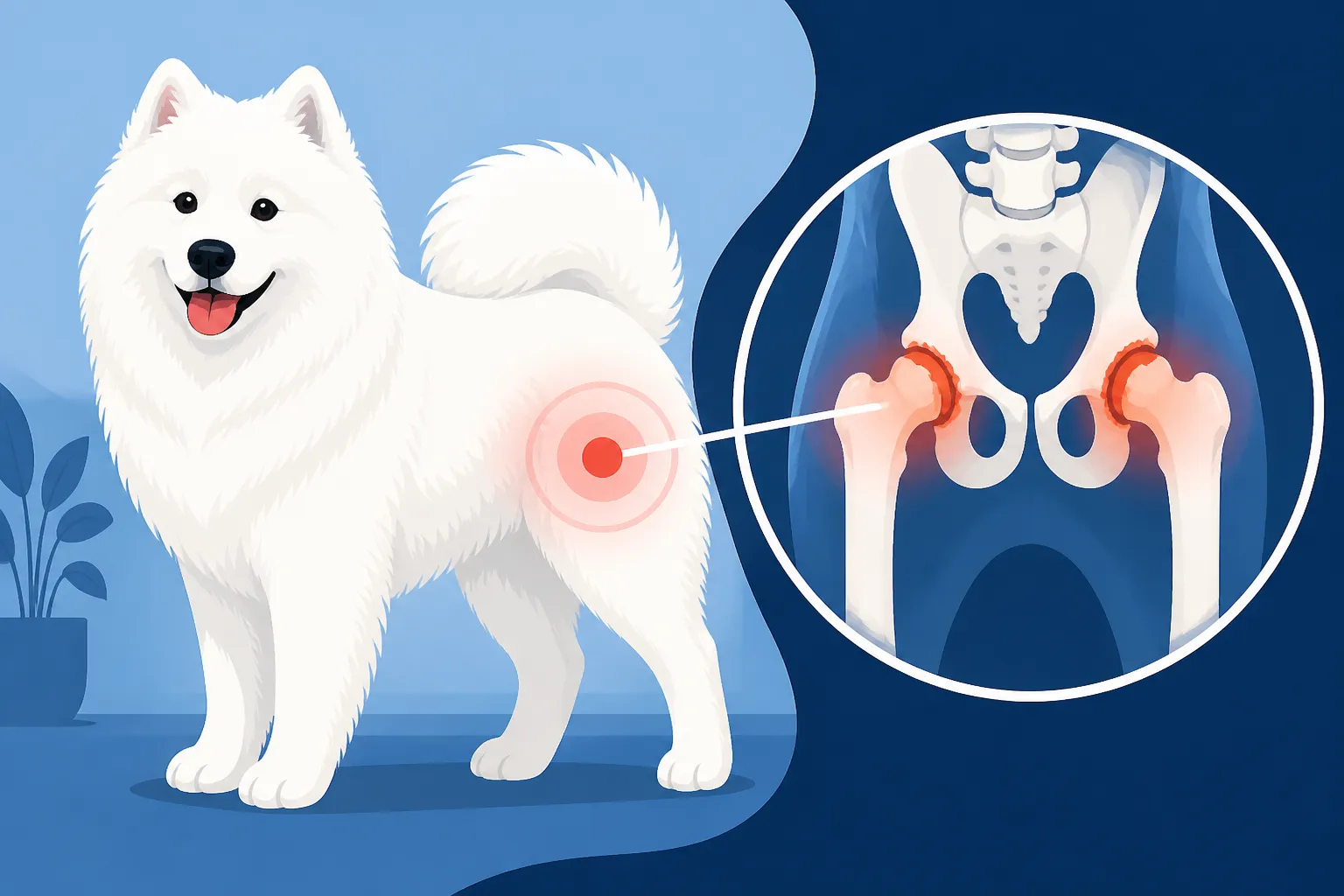
At its core, hip dysplasia is a malformation of the hip joint. In a healthy dog, the hip joint functions like a perfectly fitted ball-and-socket mechanism. The "ball" is the head of the femur (thigh bone), and the "socket" is the acetabulum, a concave surface in the pelvis. These two components should fit snugly together, allowing for smooth, fluid motion as your Samoyed runs, jumps, and twists. With hip dysplasia, this ideal fit is compromised. The socket might be too shallow, the femoral head might be flattened or misshapen, or the ligaments holding them together might be loose.
This laxity or poor fit causes the joint to be unstable. Imagine trying to make a smooth movement with a loose screw – it grinds and catches. Over time, this instability leads to abnormal wear and tear on the cartilage and bone surfaces within the joint. The body tries to compensate by laying down new bone, leading to osteophytes (bone spurs), which are the hallmarks of degenerative joint disease, or arthritis. This arthritic change is what ultimately causes the pain, stiffness, and reduced mobility that we associate with hip dysplasia. It's a progressive condition, meaning it tends to worsen over time, making early detection and management incredibly important for your Samoyed’s long-term well-being.
How Genetics and Environment Play a Role
It's a common misconception that hip dysplasia is solely genetic, or solely environmental. The reality is far more nuanced, a frustrating dance between inherited predispositions and external influences. Genetics undeniably play a significant role. Specific genes contribute to the development of hip dysplasia, and if a Samoyed’s parents or ancestors carry these genes, the puppy has a higher likelihood of developing the condition. This is why reputable breeders go to such lengths to screen their breeding stock, often looking at several generations of health clearances to try and minimize the risk.
However, genetics aren't the whole story. Environmental factors act as critical modifiers, either exacerbating or mitigating the genetic risk. Rapid growth, for instance, is a huge concern for Samoyed puppies. Over-feeding, especially with high-calorie diets, can lead to puppies growing too quickly, putting excessive strain on their developing joints. Similarly, inappropriate exercise during puppyhood can contribute to the condition. High-impact activities like excessive jumping, running on hard surfaces, or long, strenuous walks before their growth plates have closed can destabilize already genetically predisposed joints. Even seemingly innocuous things like slick floors can be detrimental, causing puppies to splay their legs and put undue stress on their hips. It truly is a delicate balance of nature and nurture, where we as owners hold significant power to influence the outcome, even with a genetic predisposition lurking.
Why Samoyeds Are Prone to This Condition
Samoyeds, like many medium to large breed dogs, have a known predisposition to hip dysplasia. This isn't to say every Samoyed will develop it, but the breed's genetic makeup, combined with their rapid growth phase, puts them at a higher risk compared to smaller breeds. Historically, when these beautiful dogs were bred for working purposes in their native Siberia, the focus was often on other traits like temperament, coat, and pulling ability. While health was always a consideration, formal orthopedic screening as we know it today is a more recent development in responsible breeding.
The sheer size and weight distribution of a growing Samoyed puppy contribute to the issue. Their bones and joints are still developing and relatively soft during their first year or so of life, and the stress of their growing body weight, coupled with active play, can lead to the subtle malformation that characterizes hip dysplasia. Additionally, the breeding practices over generations have, in some lines, inadvertently concentrated the genes responsible for hip laxity. This highlights why thorough research into a breeder's practices and parental health clearances is paramount. It’s not just about getting a beautiful Samoyed, it’s about ensuring you bring home a dog with the best possible genetic foundation for a healthy, active life.
Recognizing the Early Signs in Your Samoyed Puppy
Catching hip dysplasia early in your Samoyed can make a world of difference in managing the condition and preserving their quality of life. Sometimes, the signs are subtle, almost imperceptible to the untrained eye, making it incredibly frustrating for dedicated owners who know their dog best but can't quite pinpoint the problem. It requires careful observation and a keen understanding of what normal puppy behavior looks like. Don't dismiss slight changes; your Samoyed is trying to tell you something.
Subtle Clues in Puppy Gait and Play
Your Samoyed puppy is a bundle of energy, always ready to frolic and explore. Any deviation from this joyful exuberance might be a red flag. Pay close attention to how they move. Do they seem hesitant to jump onto furniture or into the car, something they once did with ease? Are they less enthusiastic about long walks or playing fetch, opting to sit out more often than usual? You might notice a slight lameness or stiffness, particularly after resting or first waking up. This "warm-up" lameness is a classic sign of joint discomfort.
Observe their gait when they walk or trot. Do they have a slightly awkward or wobbly hind-end? Perhaps they seem to shift their weight more to their front legs to compensate for discomfort in their hips. Some Samoyeds with hip dysplasia might exhibit a "swaying" motion in their rear quarters as they move, a subtle attempt to minimize pain. Watch them when they get up from a lying position – a healthy puppy will spring up effortlessly, whereas a dysplastic puppy might struggle, taking longer to push themselves up, or showing visible discomfort. These tiny changes might not scream "hip dysplasia," but they're important clues in the puzzle.
The Dreaded "Bunny Hop" and What It Means
One of the most recognizable and concerning signs of hip dysplasia, particularly in actively running puppies, is the "bunny hop." This distinctive gait occurs when your Samoyed uses both hind legs simultaneously to push off the ground, much like a rabbit, instead of alternating them in a normal running stride. It's a direct physiological response to pain and instability in one or both hip joints. By moving both hind legs together, your Samoyed is attempting to minimize the rotation and extension of each individual hip, which would normally cause discomfort.
When you see your Samoyed bunny hopping during play or a run, it’s a strong indicator that their hips are not functioning as they should. It means they are experiencing pain or significant laxity in their hip joints, and their body has found a compensatory mechanism to cope. This isn't just a quirky way of running; it's a cry for help from their developing skeletal system. If you observe this behavior, even intermittently, it warrants immediate veterinary attention. Don't wait for it to become constant or for other symptoms to worsen, as early intervention can be crucial for better outcomes.
When to Be Concerned About Reluctance to Move
Beyond the subtle gait changes and the bunny hop, a general reluctance to move or engage in normal activities is a significant warning sign. Samoyeds are typically playful, active dogs, eager for walks and adventures. If your Samoyed puppy or even a young adult suddenly seems less interested in these activities, it’s time to pay attention. Are they avoiding stairs? Do they hesitate before jumping into the car or onto the couch? Are they content to lie down more often than usual, even when their favorite toy is presented?
This reluctance isn't laziness; it's often a manifestation of pain. They might be trying to tell you that certain movements hurt, so they're choosing to avoid them. Sometimes, this can be mistaken for behavioral issues or just a "lazy day," but with hip dysplasia, it's a consistent pattern. They might also react negatively to being touched around their hips or lower back, perhaps yelping or flinching. Pay attention to changes in their sleeping positions – are they avoiding stretching out fully or always lying on one side? Any sustained decrease in activity level or a noticeable change in how they approach physical challenges should prompt a call to your veterinarian. Early detection truly can prevent further damage and help you formulate an effective management plan for your beloved Samoyed.
The Diagnostic Journey: Getting a Clear Picture
Getting a definitive diagnosis of hip dysplasia can feel like a stressful journey, filled with anticipation and worry. You know something isn’t quite right with your Samoyed, and you’re desperate for answers, yet the process itself can be daunting. It’s important to remember that this process is designed to give you the clearest possible understanding of your dog’s condition, so you can make informed decisions about their care.
Initial Veterinary Consultation and Physical Exam
The first step, naturally, is a visit to your trusted veterinarian. They will start with a thorough physical examination, which is crucial for assessing your Samoyed's overall health and pinpointing potential areas of concern. During this exam, your vet will observe your dog's gait, paying close attention to any lameness, stiffness, or unusual movements. They'll also feel along your Samoyed's spine and limbs, gently manipulating their hips to check for pain, instability, and a restricted range of motion.
One key test they might perform is the Ortolani sign. This involves a specific maneuver where the vet will gently adduct (push inward) and then abduct (pull outward) your dog's leg while applying pressure to the hip. In a dysplastic hip, they might feel or hear a distinct "clunk" as the femoral head slips into and out of the shallow acetabulum. This indicates hip laxity, a hallmark of the condition. They'll also check for crepitus, a gritty or crackling sensation, which suggests bone-on-bone friction and arthritic changes. Your vet will ask you about your Samoyed's history – when you first noticed symptoms, what activities trigger pain, and any changes in their behavior. This detailed history, combined with the physical exam, will guide their recommendation for further diagnostic steps.
The Importance of X-rays and Sedation
While a physical exam can raise suspicions, X-rays are the gold standard for definitively diagnosing hip dysplasia. X-rays provide a visual image of the bone structure of the hip joint, allowing the veterinarian to assess the depth of the acetabulum, the shape of the femoral head, and the overall congruity of the joint. They can also reveal signs of degenerative joint disease, such as bone spurs, flattening of the femoral head, or sclerosis (increased bone density) in affected areas.
For accurate hip X-rays, your Samoyed will almost certainly need to be sedated or anesthetized. This isn't just about keeping them still; it's essential for achieving the precise positioning required to get diagnostic quality images. A Samoyed that is tense or resistant will hold their muscles stiffly, which can mask the true laxity of the hip joint, leading to misleading results. Under sedation, their muscles relax, allowing the vet to position them correctly and obtain images that truly reflect the joint's condition. While the thought of sedation can be nerve-wracking for owners, it's a necessary step to get the clear, unambiguous images needed for an accurate diagnosis. This allows for proper grading of the dysplasia and helps in determining the best course of action.
Understanding Orthopedic Foundation for Animals OFA Certification and PennHIP
When it comes to assessing hip health, particularly for breeding purposes, two major screening methods stand out: OFA (Orthopedic Foundation for Animals) and PennHIP. Both are vital tools, but they offer different information and are interpreted differently. Many breeders will discuss their dogs' OFA results, and understanding The Age a Samoyed Is Certified by OFA can give you an idea of the timeline.
OFA Certification is perhaps the more widely known. For an OFA evaluation, a single X-ray image of the hips is taken with the dog positioned on its back, hind legs extended and rotated inward. This image is then reviewed by three independent veterinary radiologists who grade the hips based on specific criteria, categorizing them as Excellent, Good, Fair (all considered passing), Borderline, or Dysplastic (Mild, Moderate, Severe). The final OFA certification can only be performed on dogs that are at least 24 months old because the hip joints are considered fully developed by that age. The OFA database is publicly accessible, allowing prospective puppy buyers to verify the hip health of a Samoyed's parents. OFA focuses on identifying dogs that do not have signs of hip dysplasia.
PennHIP (Pennsylvania Hip Improvement Program) is a newer, more objective method that can be performed on dogs as young as 16 weeks, offering an earlier indicator of hip laxity. PennHIP involves three distinct X-ray views: a distraction view, a compression view, and a standard extended view. The crucial "distraction view" measures hip laxity, which is the degree of looseness of the hip joint, a key predictor of whether a dog will develop degenerative joint disease later in life. The results are presented as a Distraction Index (DI), a numerical score that indicates the likelihood of developing hip dysplasia. A lower DI score means tighter hips and a lower risk. PennHIP also provides an estimated percentile rank within the breed, allowing breeders to select dogs with tighter hips than the breed average. Unlike OFA, which is primarily a pass/fail system, PennHIP provides a continuous score, making it a powerful tool for selecting breeding stock with the tightest hips possible. Understanding Whether a Samoyed's Hip Score Predicts Later Arthritis is key for breeders and owners alike. Both systems offer valuable insights, and some breeders choose to use both to get the most comprehensive picture of their Samoyed's hip health.
Living with Hip Dysplasia: Management and Care
Receiving a diagnosis of hip dysplasia for your Samoyed can feel overwhelming. It’s natural to feel a sense of dread, wondering if your furry friend will ever be able to enjoy life again. However, it's not a death sentence. With diligent management and a proactive approach, many Samoyeds with hip dysplasia can lead comfortable, happy lives. The key is understanding that this is a marathon, not a sprint, and consistent care is paramount.
Conservative Management Strategies
For many Samoyeds, especially those with mild to moderate hip dysplasia, conservative management is the first and often most effective line of defense. This approach focuses on minimizing pain, preserving joint function, and slowing the progression of arthritis without surgery. The cornerstones of conservative management revolve around careful control of weight, appropriate exercise, and nutritional support. Keeping your Samoyed at a lean, healthy weight is perhaps the single most impactful thing you can do. Every extra pound puts additional stress on already compromised joints, accelerating wear and tear. Your vet can help you determine the ideal body condition score for your individual Samoyed.
Exercise, while crucial, needs to be carefully managed. Instead of high-impact activities like intense fetch sessions or long runs on pavement, focus on low-impact exercises. Swimming is often fantastic, as it builds muscle without stressing the joints. Regular, moderate leash walks on soft surfaces like grass are also beneficial, helping to maintain muscle mass around the hips, which acts as natural support. Avoid activities that involve excessive jumping, twisting, or sudden stops. Furthermore, a balanced diet is important, and many owners consider specific supplements. Look into Joint Supplements for a Samoyed as they can be a great addition to their daily routine, providing building blocks for cartilage health and reducing inflammation. Supplements containing glucosamine, chondroitin, MSM, and Omega-3 fatty acids are commonly recommended to support joint health. Consistency in these areas is crucial, turning them into daily habits for your Samoyed's long-term comfort.
Pain Management and Anti-Inflammatory Medications
Even with excellent conservative care, Samoyeds with hip dysplasia will likely experience periods of pain, especially as arthritis progresses or during flare-ups. Effective pain management is critical to maintaining their quality of life. Your veterinarian will work with you to create a pain control plan tailored to your Samoyed's specific needs, which often includes non-steroidal anti-inflammatory drugs (NSAIDs). Medications like carprofen (Rimadyl), firocoxib (Previcox), or galliprant are commonly prescribed. These drugs help reduce inflammation and alleviate pain, making your Samoyed more comfortable and encouraging movement. It’s important to administer these exactly as prescribed and to monitor for any side effects, such as gastrointestinal upset. Regular bloodwork will be necessary to ensure your Samoyed’s liver and kidney function remain healthy while on these medications.
Beyond NSAIDs, your vet might explore other pain relief options. Gabapentin, a neuropathic pain modulator, can be added to the regimen, especially if nerve pain is suspected. Amantadine, another medication, can help with chronic pain by targeting pain receptors in the spinal cord. Injections, such as Adequan (polysulfated glycosaminoglycan) or even therapeutic laser treatments, can also provide relief and support joint health. The goal is always to keep your Samoyed comfortable and active, allowing them to enjoy their daily life without constant suffering. Remember, if you observe signs of Arthritis in an Older Samoyed, managing pain becomes even more critical.
Environmental Modifications for Comfort
Making thoughtful adjustments to your Samoyed’s home environment can significantly improve their comfort and reduce strain on their hips. Think about their daily routine and identify areas where they might struggle. Slippery floors are a major culprit for dogs with joint issues, as they force hips to splay out, causing instability and pain. Consider placing rugs, runners, or carpet tiles in high-traffic areas where your Samoyed walks, especially where they get up or lie down.
Managing access to stairs is another important modification. If your Samoyed struggles with stairs, installing baby gates to block access to certain levels of your home can prevent painful ascents and descents. If stairs are unavoidable, consider a ramp, or be prepared to assist your Samoyed, using a sling or supporting harness for their hindquarters. Providing orthopedic dog beds is also essential. These beds offer superior support and cushioning compared to standard beds, relieving pressure points and providing a comfortable resting place for aching joints. Elevated food and water bowls can also help, preventing your Samoyed from having to stoop down, which can strain their hips and back. Even small changes, like providing a step stool or ramp to help them get into the car, can make a huge difference in their daily comfort and independence, helping them navigate their world with less pain and more confidence. For more general advice on puppy care, especially regarding movement, you might find information on Keeping a Samoyed Puppy Off Stairs helpful, even if your dog is older.
Surgical Options: When Conservative Care Isn't Enough
Sometimes, despite the best conservative management, a Samoyed’s hip dysplasia progresses to a point where pain significantly impacts their quality of life, and surgery becomes the most viable option. This is a big decision, filled with anxiety about the procedure, recovery, and cost. It’s vital to have open and honest conversations with your veterinary orthopedic surgeon about what’s best for your individual Samoyed, weighing the potential benefits against the risks.
Juvenile Pubic Symphysiodesis JPS for Young Pups
Juvenile Pubic Symphysiodesis, or JPS, is a fascinating and often highly effective preventative surgical option for very young Samoyed puppies, typically performed between 14 to 20 weeks of age. The crucial window of opportunity for this procedure is narrow because it relies on the puppy's growth plates still being open and active. JPS is a relatively minimally invasive procedure that involves cauterizing (burning) the growth plate in the pubic symphysis, which is the cartilage connecting the two halves of the pelvis at the bottom.
By prematurely fusing this growth plate, the development of the pelvis is altered. As the rest of the pelvis continues to grow, it causes the hip sockets (acetabula) to rotate more effectively over the femoral heads, creating a deeper, tighter, and more congruent hip joint. This increased coverage helps to stabilize the hip, reducing laxity and significantly lowering the risk of developing severe hip dysplasia and subsequent arthritis. JPS is not a cure for existing severe dysplasia, but rather a prophylactic measure for puppies identified as being at high risk for the condition, often through methods like PennHIP screening which can identify laxity in young pups. The recovery is generally quick, and the long-term outcomes can be excellent, potentially saving a dog from a lifetime of pain and more extensive surgeries.
Triple Pelvic Osteotomy TPO and Double Pelvic Osteotomy DPO
For slightly older Samoyeds (typically between 5 and 12 months) who have significant hip laxity but haven't yet developed extensive arthritis, Triple Pelvic Osteotomy (TPO) and Double Pelvic Osteotomy (DPO) can be transformative procedures. The key here is that the hips must still be relatively "clean" – meaning minimal to no degenerative joint disease is present. These surgeries aim to correct the anatomical defect of a shallow hip socket by literally cutting and rotating parts of the pelvis to improve the coverage of the femoral head.
In a TPO, three cuts are made in the pelvic bone around the acetabulum, allowing a section of the pelvis to be rotated and then re-plated in a more favorable position. This increases the depth and angle of the hip socket, providing a much better fit for the femoral head and significantly stabilizing the joint. A DPO is a modified version, involving only two cuts, often used when the pubic bone (where the third cut would typically be made) has already fused. Both procedures require skilled orthopedic surgeons and involve a significant recovery period, typically several months of restricted activity, but they can dramatically improve hip function and prevent the onset of severe arthritis, giving your Samoyed a chance at a pain-free, active life. The success hinges on careful patient selection – they won't work if arthritis has already set in.
Femoral Head Ostectomy FHO and Total Hip Replacement THR
When a Samoyed has advanced hip dysplasia with significant pain and irreversible arthritic changes, and particularly when other options are no longer viable, a Femoral Head Ostectomy (FHO) or Total Hip Replacement (THR) are often considered. These are reconstructive or salvage procedures, designed to alleviate pain and restore function in severely affected hips.
Femoral Head Ostectomy (FHO) is a salvage procedure primarily recommended for dogs where THR is not an option due to cost, size, or other medical reasons. In an FHO, the "ball" portion of the femoral head and neck is surgically removed. The body then forms a "false joint" (fibrous pseudoarthrosis) where muscles and scar tissue support the femur. While the dog will have a slightly altered gait and may never achieve full range of motion, the primary goal of FHO is to eliminate bone-on-bone pain. It's generally successful at making dogs comfortable, though full, pain-free athletic function might not be regained. Recovery involves physical therapy to build muscle and strengthen the new "joint."
Total Hip Replacement (THR) is the most invasive but also the most effective surgical treatment for severe hip dysplasia, offering the best chance for a full return to function and a pain-free life. In a THR, both the damaged femoral head and the arthritic acetabulum are replaced with artificial components, typically made of medical-grade metal and plastic. It's essentially the same procedure performed on humans. This creates a new, perfectly congruent ball-and-socket joint, eliminating pain and restoring normal hip mechanics. THR requires a highly skilled orthopedic surgeon and is a significant financial investment, but the success rates are very high, and many dogs treated with THR go on to lead incredibly active lives, often with no discernible lameness. The long recovery period is crucial, with strict activity restrictions for several weeks to allow the implants to integrate properly. Both FHO and THR offer hope for Samoyeds suffering from advanced hip dysplasia, providing pathways to a much-improved quality of life.
Prevention and Responsible Breeding Practices
As Samoyed lovers, the thought of our dogs suffering from hip dysplasia is truly heartbreaking. While we can’t entirely eliminate the risk, there’s so much we can do on both the breeding and ownership fronts to significantly reduce the likelihood and severity of this condition. Prevention truly is worth a pound of cure, and it starts long before your fluffy puppy ever comes home.
Choosing a Reputable Samoyed Breeder and Health Testing
This is, without a doubt, the single most critical step in preventing hip dysplasia in your Samoyed. A reputable breeder is not just someone who loves dogs; they are dedicated stewards of the breed, prioritizing health and temperament above all else. When you’re looking for a Samoyed puppy, always, always ask about the health clearances of both parents. This includes official certifications for hips (OFA or PennHIP), elbows, and eyes. A responsible breeder will openly share these documents and be proud of their commitment to health testing. They understand that What an OFA Hip Certification Costs a Samoyed Breeder is a necessary investment in the future of the breed.
Don't settle for a breeder who says "my vet checked their hips" or "they've never shown signs of lameness." These anecdotal statements are simply not sufficient. You need proof of official evaluations. A truly dedicated breeder will not only test the parents but will often be able to provide information on the hip health of previous generations. They should be transparent about any known cases of hip dysplasia in their lines, even if rare. They should also be involved in breed clubs and show a genuine interest in finding the best possible homes for their puppies. Be wary of breeders who offer puppies at unusually low prices or who always have puppies available, as these are often red flags that corners are being cut, and health testing is frequently one of the first things to go. You want a breeder who is breeding to improve the health and future of the Samoyed, not just to produce puppies for profit. Don't be afraid to ask about The Health Tests Both Samoyed Parents Should Have and demand to see the paperwork.
Managing Growth Rates in Samoyed Puppies
Once you bring your Samoyed puppy home, one of the most powerful preventative measures you can take is to carefully manage their growth rate. Rapid growth in large breed puppies like Samoyeds is a significant environmental risk factor for hip dysplasia, even in genetically sound pups. It puts undue stress on their developing joints and bones before they are fully mature. The goal is steady, moderate growth, not maximum growth.
This means feeding a high-quality, large-breed puppy formula that is specifically designed to support slower, controlled growth. These diets typically have a carefully balanced calcium-to-phosphorus ratio and a moderate calorie density. Avoid "free-feeding" your Samoyed puppy; instead, feed measured meals according to your vet's recommendations and the food manufacturer's guidelines for their target adult weight, not their current weight. Do not over-supplement with calcium, as this can disrupt bone development. Keep your puppy lean, allowing you to easily feel their ribs without seeing them prominently. Additionally, avoid excessive or high-impact exercise during their crucial growth period, generally up to 12-18 months of age. While play is essential, rigorous, long-distance running, jumping from high places, or prolonged strenuous activity can put too much strain on their soft, developing joints. Gentle, consistent exercise, like short walks on soft surfaces, is much more beneficial. Controlling growth is a crucial way to support optimal joint development and reduce the risk of future problems. Learning Whether a Samoyed Puppy Should Grow Slowly is vital.
Lifelong Joint Health Support
Even if your Samoyed has excellent hips, providing lifelong joint health support can contribute significantly to their comfort and mobility as they age. This isn't just for dogs with a diagnosis; it’s a proactive strategy for all Samoyeds, especially given their breed predisposition and active lifestyle.
Continuing with joint supplements, such as those containing glucosamine, chondroitin, and MSM, even after puppyhood, can be highly beneficial. These ingredients are believed to help maintain cartilage integrity and reduce inflammation. Omega-3 fatty acids, particularly EPA and DHA found in fish oil, are powerful natural anti-inflammatories and can support overall joint health. Always choose high-quality supplements and discuss dosages with your veterinarian. Maintaining a lean body weight remains paramount throughout your Samoyed’s life. Even a few extra pounds can add significant stress to joints, so monitor their weight closely and adjust food intake as needed. Regular, moderate exercise—like daily walks and swimming—helps keep muscles strong around the joints, providing natural support and maintaining flexibility. As your Samoyed ages, consider physical therapy or hydrotherapy sessions to maintain muscle mass and range of motion without putting stress on their joints. Furthermore, providing comfortable, orthopedic bedding will offer essential support and relief for their joints during rest. Proactive care throughout their life can help keep your Samoyed mobile and happy well into their senior years, ensuring their characteristic smile continues to shine brightly.
The Emotional and Financial Toll on Samoyed Owners
A diagnosis of hip dysplasia in your Samoyed isn’t just a medical issue; it’s a profound emotional and financial challenge. As owners, our dogs are family members, and seeing them in pain or facing expensive, complex treatments can be incredibly stressful. It’s important to acknowledge these very real struggles and understand the resources available to help you navigate this difficult path.
Coping with a Diagnosis and Quality of Life Concerns
When you hear the words "hip dysplasia" applied to your beloved Samoyed, a wave of emotions can hit you. Sadness, guilt, frustration, and fear for their future are all incredibly normal reactions. You might question if you did something wrong, or worry endlessly about their pain. It’s crucial to give yourself grace and remember that you are doing your best for them. The biggest concern often becomes your Samoyed's quality of life. Will they still be able to run and play? Will they be in constant pain?
Coping involves a shift in perspective. Instead of focusing on what they can't do, concentrate on what they can do, and how you can maximize their comfort and joy. This might mean adjusting your expectations for their activity levels, finding new ways to play that are low-impact, or simply cherishing quieter moments together. Open communication with your vet is vital here. Discuss pain management thoroughly and learn to recognize subtle signs of discomfort so you can intervene promptly. Many owners find support groups or online forums invaluable for connecting with others who understand the unique challenges of caring for a dog with hip dysplasia. Remember, your Samoyed thrives on your love and attention, and even with limitations, a good quality of life is absolutely achievable with dedicated care and a positive outlook.
The Real Costs of Treatment, Both Conservative and Surgical
Let's be blunt: managing hip dysplasia can be incredibly expensive, and the financial burden is a very real source of stress for many Samoyed owners. The costs vary dramatically depending on the severity of the condition, the chosen treatment path, and where you live.
Conservative management, while less expensive than surgery, still adds up. This includes ongoing costs for:
- Veterinary visits: Regular check-ups, pain assessments, and medication refills.
- Medications: Daily or intermittent NSAIDs, pain relievers like gabapentin, or joint injections can range from tens to hundreds of dollars per month.
- Supplements: High-quality joint supplements are an ongoing expense.
- Prescription diets: Special veterinary diets, if recommended, can be pricier than standard kibble.
- Physical therapy/hydrotherapy: These can be weekly or bi-weekly expenses, potentially hundreds of dollars per session.
- Environmental aids: Orthopedic beds, ramps, or non-slip floor coverings.
Surgical options escalate the costs significantly. A JPS procedure for a puppy might cost a few thousand dollars. TPO/DPO surgeries can range from $3,000 to $6,000 per hip. A Femoral Head Ostectomy (FHO) might be $1,500 to $4,000 per hip. And a Total Hip Replacement (THR), the most effective but also most expensive, can easily run from $6,000 to $10,000 per hip, and often requires specialty veterinary care. These figures often don't include pre-surgical diagnostics, post-operative medications, or the extensive rehabilitation that follows. Many owners face the heartbreaking reality of making decisions based on what they can afford. It’s a harsh truth, but understanding these potential costs upfront is critical for planning and seeking solutions.
The Value of Pet Insurance
Given the potentially staggering costs associated with treating hip dysplasia, pet insurance can be an absolute lifesaver for Samoyed owners. It's an investment that can provide immense peace of mind and, more importantly, ensure you can make treatment decisions based on what’s best for your Samoyed, rather than solely on your bank account balance. Many owners start to wonder about What Insuring a Samoyed Costs Monthly, and the answer is that it can vary significantly.
When considering pet insurance, it’s crucial to understand how policies handle pre-existing conditions. Most insurance providers, including reputable ones like Healthy Paws, will not cover conditions that were diagnosed or showed symptoms before the policy's effective date or during its waiting period. This is why it is so important to enroll your Samoyed puppy in a pet insurance plan as early as possible, ideally before any health issues manifest. If your Samoyed develops hip dysplasia after being enrolled and serving the waiting period, your policy would typically cover a significant portion of the eligible veterinary bills, including diagnostics, medications, physical therapy, and even major surgeries like THR or FHO.
When researching plans, look closely at:
- Deductibles: The amount you pay out-of-pocket before coverage kicks in.
- Reimbursement percentage: The percentage of covered costs the insurance company pays (e.g., 70%, 80%, 90%).
- Annual limits: The maximum amount the policy will pay out in a year.
- Coverage specifics: Does the policy cover hereditary and chronic conditions? What about rehabilitation?
Having a pet insurance policy, especially from providers like Healthy Paws, can transform a catastrophic financial event into a manageable one, allowing you to focus on your Samoyed's recovery and comfort without the added stress of overwhelming bills. It truly allows you to give your beloved Samoyed the best possible chance at a long, healthy, and pain-free life, regardless of how complex their hip dysplasia treatment becomes. It's worth noting that if you're wondering Whether Insurance Excludes a Samoyed's Kidneys, the same pre-existing conditions rule typically applies to all major health issues.
Long-Term Outlook and Maintaining a Happy Samoyed Life
A diagnosis of hip dysplasia is a significant moment in your Samoyed’s life, but it doesn't define their entire existence. The long-term outlook for Samoyeds with hip dysplasia is surprisingly positive with proper management and dedicated care. Your role as an owner shifts, becoming an advocate for their comfort and an architect of their happiness, ensuring they can still enjoy all the things that make them a Samoyed.
Adapting Activities and Maintaining Mental Stimulation
While high-impact activities might be off the table for a Samoyed with hip dysplasia, a fulfilling life is still very much within reach. The key is adaptation. Instead of long, strenuous runs, focus on shorter, more frequent walks on soft ground. Consider dog-friendly swimming facilities or even getting a kiddie pool in your yard for low-impact exercise and fun. Leash walks are great for maintaining muscle tone, but ensure they are consistent and don't lead to overexertion.
Mental stimulation becomes even more critical when physical activity is limited. Samoyeds are intelligent dogs, and a bored Samoyed can quickly become a destructive or vocal one. Engage their minds with puzzle toys, snuffle mats, and training sessions that focus on obedience or trick training. Scent work, where they use their powerful noses to find hidden treats or toys, is a fantastic low-impact activity that provides immense mental enrichment. Even just varied environments for their walks can be stimulating – a trip to a quiet park with new smells or a stroll in a pet-friendly store (if appropriate and calm) can break up the monotony. The goal is to keep their minds engaged and their spirits high, even if their bodies can't always keep up with their youthful exuberance.
The Role of Regular Vet Checks and Monitoring
Living with hip dysplasia means establishing a strong, ongoing partnership with your veterinarian. Regular vet checks are non-negotiable for monitoring your Samoyed's condition and making necessary adjustments to their care plan. These appointments allow your vet to assess their pain levels, evaluate their mobility, and check for any changes in their joint health. They will likely palpate their hips, observe their gait, and discuss your observations from home.
During these visits, your vet might recommend periodic X-rays to track the progression of arthritis, or blood tests to monitor organ function, especially if your Samoyed is on long-term medications like NSAIDs. It’s also an opportunity to discuss any new symptoms you’ve noticed, challenges you’re facing, or questions about new treatment modalities or supplements. Don't hesitate to ask about specialized veterinary care, such as a referral to a veterinary rehabilitation specialist or an orthopedic surgeon, if your Samoyed's condition warrants it. This continuous dialogue and proactive monitoring are vital for keeping your Samoyed as comfortable and active as possible, ensuring that their treatment plan evolves with their needs.
Celebrating Every Moment with Your Beloved Samoyed
Ultimately, a diagnosis of hip dysplasia, while challenging, reminds us to cherish every single moment with our Samoyeds. These beautiful, smiling dogs bring so much joy into our lives, and their resilience in the face of discomfort is truly inspiring. Yes, there will be tough days, moments of frustration, and perhaps financial strain, but these are outweighed by the immense love and companionship they offer.
Focus on their individual personality, their happy tail wags, their affectionate nudges, and that iconic "Samoyed smile." Celebrate their good days, and offer extra comfort and understanding on their challenging ones. Adapt your lifestyle to accommodate their needs, finding new ways to bond and create happy memories together. Whether it's a gentle cuddle on the couch, a slow stroll in the park, or a rewarding puzzle game, these moments are precious. By providing them with the best possible care, managing their pain, and showering them with love, you can ensure your Samoyed lives a life rich in joy and comfort, despite their hip dysplasia. Their boundless spirit and unwavering affection will remind you that every effort you make is truly worthwhile.
Disclaimer
This article is intended for informational purposes only and does not constitute professional veterinary advice. Always consult with a qualified veterinarian for any health concerns or before making any decisions related to your Samoyed's medical care or treatment plan.