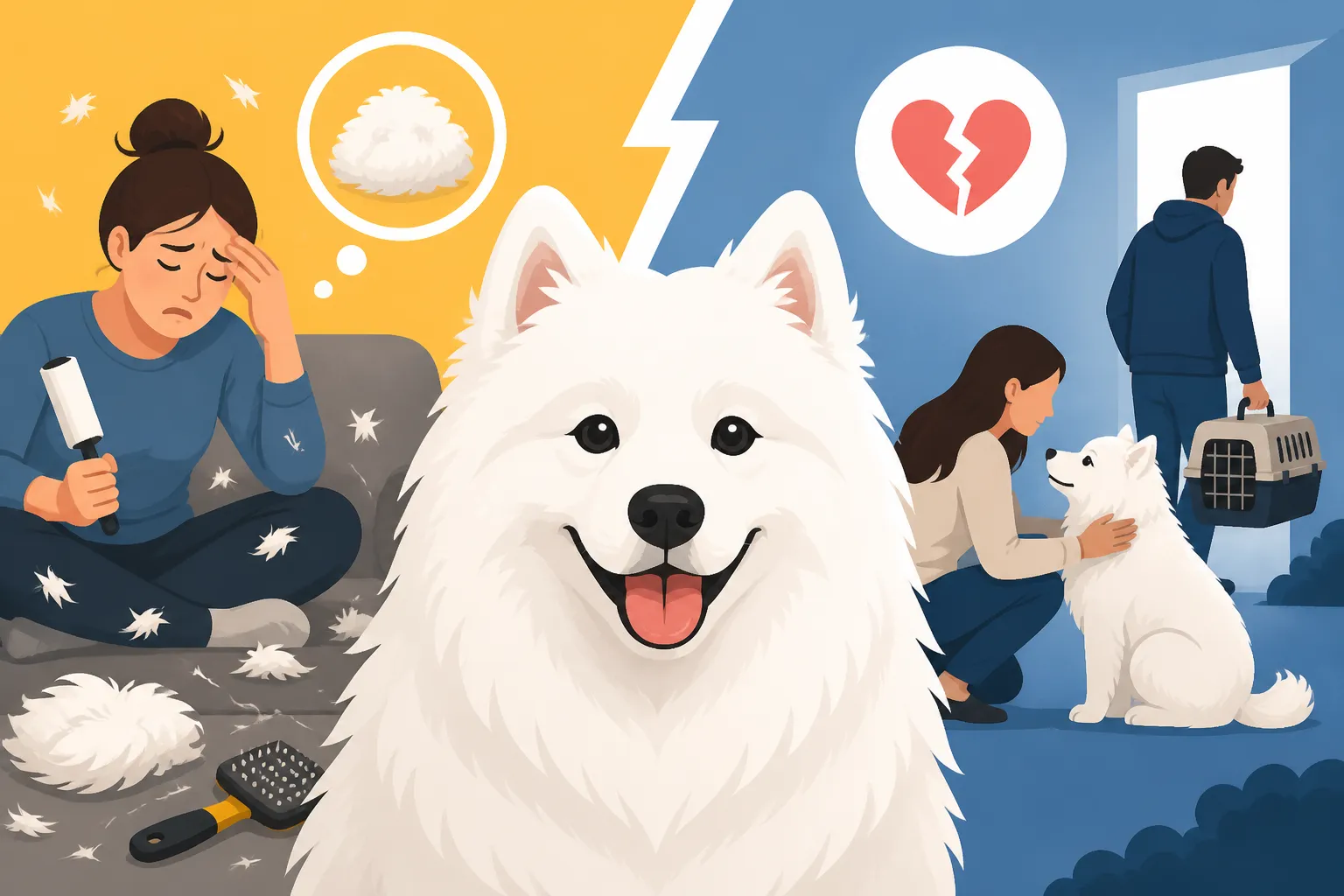
Whether Shedding Is Why Samoyeds Are Rehomed
It’s a heartbreaking reality that many Samoyeds end up in rescue or rehomed, and if we're being honest, shedding often plays a much bigger role in that decision than most prospective owners ever anticipate. You fall in love with that fluffy, smiling face, the idea of a beautiful white cloud dog, but the sheer volume of hair that comes with it can truly push some households to their breaking point. This guide isn't here to scare you, but to give you a realistic, empathetic look at the shedding phenomenon, why it leads to rehoming, and how you can prepare yourself to avoid that painful outcome.
The Astonishing Reality of Samoyed Shedding
Let's cut right to it: Samoyeds shed. A lot. This isn't just "a little fur" like you might get from a smooth-coated breed. This is a monumental, breathtaking, often overwhelming amount of fur that becomes a permanent fixture in your home and on your clothing. Many people are utterly unprepared for the sheer scale of it, and it's a critical factor that often gets underestimated by new owners.
More Than Just a Little Fur
A Samoyed is designed for extreme cold, which means it boasts a magnificent double coat. This isn't just a pretty accessory; it's a survival mechanism. What a Samoyed's Double Coat Is Made Of explains this beautifully. The outer coat consists of long, coarse guard hairs that are relatively straight and stand off the body, repelling dirt and moisture. Beneath this lies an incredibly dense, soft, woolly undercoat that acts as a super-insulator. This undercoat is what truly defines the Samoyed's fluff factor, and it's also the source of the vast majority of the shedding challenge.
When you brush a Samoyed, you're not just pulling out a few stray hairs; you're harvesting what feels like an entire second dog's worth of wool. This isn't an exaggeration. Compared to a Labrador's short, stiff hairs, or a Poodle's curly, non-shedding coat, the Samoyed's output is in a league of its own. Every movement, every shake, every stretch dislodges more of that soft undercoat, sending it swirling into the air and settling on every available surface. It’s a constant, never-ending snowfall of white fluff, and for some, it’s a shocking adjustment to daily life.
The Dreaded "Coat Blow"
Beyond the regular, daily shedding, Samoyeds experience something called a "coat blow" or "blowing their coat." This isn't just increased shedding; it's a full-scale evacuation of their undercoat. Typically, this happens twice a year, usually in spring as they prepare for warmer weather, and again in fall as they grow in a new, dense coat for winter. However, intact females might also blow their coat after each heat cycle, and factors like climate, nutrition, and even stress can influence the timing and intensity.
During a coat blow, it can feel like your Samoyed is actively exploding fur. You can literally pull out handfuls of soft, downy undercoat with minimal effort. This period can last for several weeks, turning your home into a snow globe of white fluff. Clothes, furniture, food, even your coffee – nothing is safe. It's during these times that many owners reach their absolute limit, finding themselves overwhelmed by the sheer volume of hair and the relentless battle to keep it contained. You might think you've seen shedding before, but a Samoyed's coat blow is an experience that truly redefines the concept.
Why Owners Are Often Unprepared for the Shedding Avalanche
It’s easy to say, "I knew dogs shed!" but the reality of Samoyed shedding is often far beyond what people imagine. The gap between expectation and reality is a significant driver of rehoming, as owners find themselves simply unable to cope with the daily demands of fur management.
The "Puppy Fluff" Deception
When you bring home a Samoyed puppy, they are bundles of adorable, soft fluff. Their coats are not yet fully developed, and while they do shed, it's nothing compared to the adult coat. This "puppy fluff" can be incredibly deceptive. New owners might assume the shedding will stay at a manageable, cute level, perhaps a bit more than a small breed, but nothing truly challenging. They see pictures online of pristine, fluffy Samoyeds and envision their future dog fitting perfectly into their tidy home.
What they don't see in those idealized images is the mountain of fur collected off the dog to achieve that look, or the daily vacuuming required. The innocent joy of a tiny, fluffy puppy doesn't prepare anyone for the eventual coat blow of a fully grown, heavy-coated adult. It's a gradual change, but by the time the dog is 12-18 months old, the true nature of their shedding becomes undeniable, and for some, it's a rude awakening that they weren't emotionally or practically ready for.
Underestimating the Commitment
Owning a Samoyed isn't just about feeding and walking; it's about a deep, ongoing commitment to grooming and home maintenance that many prospective owners simply underestimate. They might read about daily brushing or twice-yearly coat blows, but intellectual understanding is very different from lived experience. The idea of dedicating significant time each week to brushing, plus daily vacuuming and cleaning, can seem reasonable on paper. But then life happens: demanding jobs, busy families, unexpected illness, or just plain fatigue.
The constant battle with fur becomes a chore, then a burden, and eventually, a source of resentment. This is especially true for busy households or those who value immaculate living spaces. The thought of constantly cleaning, picking fur off clothes, and finding it in places you never expected can chip away at the joy of dog ownership. This underestimation of the sheer work involved is a primary reason why shedding eventually contributes to the tough decision to rehome. It's not just about the fur itself, but the energy and time required to manage it, which can feel never-ending.
The Daily Impact of Samoyed Shedding on a Household
Shedding isn't just an aesthetic issue; it's a pervasive reality that affects every corner of your life with a Samoyed. It influences everything from your wardrobe choices to your home's air quality and your social interactions. Ignoring it isn't an option; it must be managed daily.
Fur Everywhere: Home and Belongings
Let's be brutally honest: with a Samoyed, fur becomes an ingredient in every meal, a fashion accessory on every outfit, and a decorative element in every room. You'll find it clinging to your dark pants, floating in your morning coffee, woven into your carpet, and creating "fur tumbleweeds" that roll across your hardwood floors. It settles on shelves, under furniture, and even on surfaces you swear the dog never goes near. If you wear black, prepare for a permanent white dusting.
Beyond the visible impact, fur can affect air quality. Those with allergies or sensitivities might find their symptoms flaring up. Even without allergies, the constant presence of floating dander and hair can be a nuisance. Your car, your bed, your guests' clothes – nothing is truly immune. This constant battle against fur can lead to feelings of frustration, embarrassment, and a sense that your home is never truly clean, no matter how much you try. It shifts the dynamic from "I have a dog" to "I live in a cloud of dog fur."
The Time and Financial Cost of Containment
Managing Samoyed shedding is a significant time commitment. Daily brushing, especially during a coat blow, can take 30 minutes to an hour. How Often a Samoyed Needs Brushing highlights this reality. Then there's the vacuuming, which for many Samoyed owners, becomes a daily, if not twice-daily, ritual. You’ll need a powerful vacuum designed to handle pet hair, and even then, filters will clog faster and bags will fill up quickly. This all adds up to a considerable chunk of your day dedicated to fur maintenance.
Financially, the costs can be surprising. Quality grooming tools, like an undercoat rake (like those you can find on Chewy's website) and a good force dryer, are essential investments if you plan to do much of the grooming yourself. If you opt for professional grooming, The Grooming Bill on Twenty Pounds of Samoyed Undercoat can be substantial. A professional deshedding service, especially during a coat blow, can easily cost a significant amount. What a Coat Blow Costs at a Samoyed Groomer will give you an idea. Think about the wear and tear on your vacuum, the cost of filters and bags, and specialized lint rollers that become a staple in your purse and car. These aren't one-time expenses but ongoing costs that contribute to the overall financial burden of owning a Samoyed, which can quietly accumulate and strain a budget.
Strategies to Manage Samoyed Shedding (and Your Sanity)
While living with a Samoyed means accepting a certain level of fur in your life, there are absolutely proactive steps you can take to manage the shedding and keep your home (and your sanity) in check. It's about developing a routine and having the right tools.
Consistent Brushing is Your Best Defense
This is non-negotiable. Regular, thorough brushing is the single most effective way to manage Samoyed shedding. It removes loose undercoat before it has a chance to settle all over your house. Aim for at least 3-4 times a week for 20-30 minutes, and daily during a coat blow.
- Tools: Invest in quality tools. A sturdy metal undercoat rake is invaluable for getting down to the skin and pulling out dead undercoat. A slicker brush can help smooth the outer coat and catch finer hairs. A pin brush is also useful. You might even consider a force dryer; these powerful blowers push air through the coat, dislodging loose fur and drying the coat much faster after a bath. What an Undercoat Rake Costs a Samoyed Owner and What a Force Dryer Costs a Samoyed Owner offer insight into the investment.
- Technique: Don't just skim the surface. You need to brush in sections, parting the fur and working from the skin outwards. Always ensure you can run a comb smoothly through the fur down to the skin, which indicates you've removed the tangles and loose undercoat.
- Professional Help: During those intense coat blows, sometimes it's best to call in the professionals. A good groomer has specialized tools and techniques to efficiently remove massive amounts of undercoat, providing significant relief for both you and your dog.
Diet and Skin Health Play a Role
While a good diet won't stop shedding (it's natural!), it can certainly contribute to overall coat health, potentially reducing excessive breakage or dullness. A healthy coat sheds naturally and more predictably.
- High-Quality Food: Feed a high-quality dog food appropriate for your Samoyed's age and activity level. Look for ingredients that support skin and coat health, such as omega-3 and omega-6 fatty acids. Some owners explore fresh food options, with services like Ollie providing carefully balanced, fresh meal plans that can contribute to a lustrous coat.
- Supplements: Consult your vet about supplements like fish oil (omega-3 fatty acids) if your dog's diet doesn't provide enough. These can support skin hydration and a healthy, shiny coat, which sheds less dry, brittle hair. What Feeding a Samoyed Costs Each Month gives you a broader perspective on the financial commitment to nutrition.
Creating a "Fur Management" Routine
Beyond brushing, integrate other strategies into your daily and weekly routine.
- Regular Vacuuming: As mentioned, a good pet hair vacuum is your best friend. Make peace with the fact that you'll be using it frequently.
- Protective Covers: Use washable slipcovers on furniture and throws on beds where your Samoyed likes to lounge. These can be tossed in the washing machine regularly, saving your actual furniture.
- Air Purifiers: For those particularly sensitive to dander, an air purifier with a HEPA filter can help capture airborne fur and allergens, improving indoor air quality.
- Outdoor Brushing: Whenever possible, brush your Samoyed outdoors to contain the fur storm away from your living space. This is especially helpful during a coat blow.
Here's a quick look at how you might structure your fur management tasks:
| Task | Frequency (Normal Shedding) | Frequency (Coat Blow) | Tools/Tips |
|---|---|---|---|
| Thorough Brushing | 3-4 times/week | Daily | Undercoat rake, slicker brush, force dryer (if bathing) |
| Vacuuming | Every other day | Daily (or twice daily) | High-powered pet hair vacuum |
| Washing Dog Bed/Covers | Weekly | Weekly | Washable covers |
| Lint Rolling Clothes | Daily | Daily | Keep lint rollers handy in multiple locations (car, purse, by the door) |
| Outdoor Brushing Sessions | Weekly | Every few days | Designate an outdoor spot to minimize indoor fur accumulation |
| Air Purifier Filter Check | Monthly | Fortnightly | Clean/replace filters as needed |
When Shedding Becomes a Breaking Point: The Path to Rehoming
It's a difficult topic to discuss, but understanding why shedding leads to rehoming can help future owners avoid similar pitfalls. It's rarely just about the fur itself; it's the culmination of unmet expectations, overwhelming demands, and sometimes, unexpected financial strain.
Lifestyle Overwhelm and Unmet Expectations
Many people envision a Samoyed as a beautiful, fluffy companion, a walking cloud of joy. They see the "Samoyed smile" and imagine a life filled with happy, picturesque moments. What they often don't fully grasp is the intense reality of living with that magnificent coat day in and day out. The constant presence of fur, the endless cleaning, and the time commitment to grooming can quickly turn that dream into a daily struggle.
For busy families, working professionals, or those who simply hadn't realized the sheer volume of work involved, the shedding can lead to lifestyle overwhelm. The initial excitement fades, replaced by frustration and resentment. The dog they loved starts to feel like a burden because of the constant maintenance. This isn't a reflection of the dog's character, but a clash between the owner's lifestyle and the breed's needs. When the joy is outweighed by the chores, the heartbreaking decision to rehome can become a perceived necessity. How Many Hours a Samoyed Can Be Left or questions about their exercise needs often contribute to this overall feeling of being overwhelmed.
Financial Strain and Unexpected Expenses
While the cost of the dog itself is often planned for, the ongoing expenses associated with a Samoyed's coat are frequently underestimated. We've talked about the cost of professional grooming and specialized cleaning equipment. But what if neglect of grooming leads to severe matting? Matts can cause skin infections, hotspots, and discomfort, necessitating costly veterinary visits for sedation and shaving, and potentially medication. These are unexpected expenses that can add significant financial strain to an already tight budget.
Beyond grooming, life with a Samoyed comes with other costs. What Insuring a Samoyed Costs Monthly is an important consideration for any potential health issues, but if an owner is already struggling with routine grooming costs, adding unexpected vet bills can compound the problem. When financial pressure mounts, and the daily "fur tax" feels unbearable, some owners sadly conclude that they can no longer afford to provide the necessary care, leading to the search for a new home.
The Unfortunate Reality for Samoyeds in Rescue
Samoyed rescues often see dogs surrendered for a myriad of reasons, and "too much shedding" or "too much maintenance" are consistently high on that list. Why Samoyeds Are Surrendered highlights the common issues that lead to these beautiful dogs losing their homes. Rescues receive these dogs, often matted and in need of extensive grooming and medical care due to neglected coats. They hear stories from owners who, with heavy hearts, admit they simply couldn't keep up with the fur.
These dogs then need patient, understanding homes that are fully prepared for the commitment. Rescues work tirelessly to educate potential adopters on the realities of Samoyed ownership, especially concerning grooming and shedding. It’s a sad cycle, but one that emphasizes the critical importance of being truly informed and honest with yourself about your capacity to handle a Samoyed’s unique grooming demands before bringing one home. Responsible breeders will also make sure their prospective buyers are aware of the commitment to grooming and shedding, often directing them to resources like Chewy for supplies or recommending reputable local groomers.
Ultimately, a Samoyed's shedding is a natural, healthy process for the breed. It's a testament to their incredible ancestral purpose. With proper preparation, the right tools, and a realistic mindset, you absolutely can live happily and harmoniously with your fluffy friend. It takes effort, yes, but the joy and companionship a Samoyed brings are, for many, well worth every speck of fur.
Disclaimer
This article is for general informational purposes only and does not constitute professional advice. Laws, prices and regulations vary by location and change over time. Consult a qualified professional for guidance on your specific situation.