How a Samoyed Reacts to an Intruder
It’s a common misconception that a big, fluffy dog like a Samoyed, with its striking appearance and sturdy build, would make a formidable guard dog. Many people assume their size and ancient origins mean they’ll instinctively protect the home against any intruder. However, the reality of a Samoyed’s reaction to an unexpected visitor, especially one with ill intent, is often far from what owners might expect. This guide will delve into the true nature of Samoyed behavior, explaining why their inherent friendliness means they are simply not cut out for guarding duties and what you should really expect if a stranger enters your home.
The Samoyed's Innate Gentle Nature and History
Understanding a Samoyed's behavior towards an intruder begins with a look at their deep history. These aren't dogs bred for aggression or suspicion; quite the opposite. Their entire lineage is built on cooperation and warmth.
Centuries of Companionship, Not Guarding
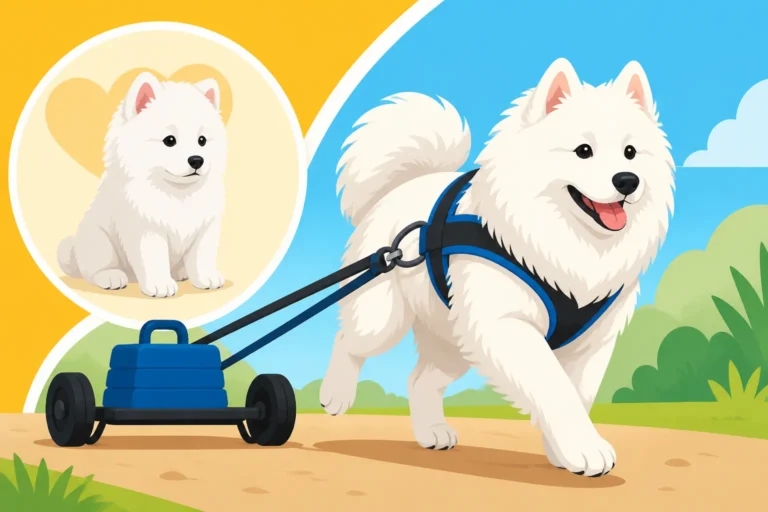
For thousands of years, the ancestors of our modern Samoyeds lived alongside the Nenets people in the harsh Siberian Arctic. These dogs weren't just tools for herding reindeer or pulling sleds; they were integral members of the family, sharing tents and providing warmth on brutal winter nights. Imagine a nomadic existence where every living being contributed to survival, and trust was paramount. The dogs slept nose-to-nose with humans, including children, in incredibly close quarters. Any dog exhibiting aggression, fear, or suspicion towards humans would simply not have been tolerated, let alone bred. The Nenets of the Yamal Peninsula Bred the Samoyed
This close companionship meant that generations of Samoyeds were selectively bred for an incredibly gentle, amiable, and trustworthy temperament. They were a living, breathing part of the human family unit, relying on mutual trust and affection. Unlike breeds developed to deter predators or guard property against human trespassers, the Samoyed's role was one of collaboration and comfort. Their historical context paints a clear picture: these dogs were never intended to be formidable protectors against human threats.
Their history is ingrained in their very DNA, manifesting today as a default setting of friendliness towards almost everyone they meet. It's not something you can easily train out of them, nor should you try. It's who they are, a testament to centuries of peaceful coexistence with their human counterparts in the challenging Arctic environment. This historical blueprint firmly establishes why a Samoyed will never truly guard your house in the traditional sense, making them wonderful companions but unreliable deterrents.
Why They Extend the "Samoyed Welcome" to Everyone
The result of this ancient breeding is a dog that inherently believes everyone is a friend they just haven't met yet. When a Samoyed encounters a new person, their instinct isn't caution or suspicion; it's an overwhelming urge to greet, sniff, and often solicit pets and attention. That iconic "Samoyed smile" isn't just for their family; it's a general expression of joy and welcome directed at almost anyone who crosses their path. Why a Samoyed Welcomes Everyone
Picture this: the doorbell rings, and your Samoyed bounds to the door, tail wagging furiously. Whether it's the mail carrier, a plumber, or a complete stranger, the reaction is likely the same – an enthusiastic greeting. They'll lean into legs, offer a wet nose, and their tail will helicopter with delight. They might even grab a toy and present it, inviting play. This extends to people entering your home uninvited. Their natural inclination is curiosity and a desire for interaction, not a defensive posture.
While this boundless friendliness is one of the most charming traits of the breed and makes them wonderful, loving family pets, it’s also precisely why they are unsuitable as guard dogs. They simply don't possess the inherent wariness or territorial aggression that would cause them to deter an intruder. Instead, they’re more likely to welcome them in, perhaps even showing them where the treat jar is! This fundamental lack of suspicion means their presence alone does very little to deter someone intent on entering your home.
Distinguishing Samoyed Vocalizations from True Warning Signs
Samoyeds are known for being vocal, but their noises are often misinterpreted, especially when it comes to the idea of them being a "watchdog." It's crucial to understand the difference between a Samoyed's unique forms of communication and actual alarm signals from a guarding breed.
The Samoyed's Repertoire of Sounds
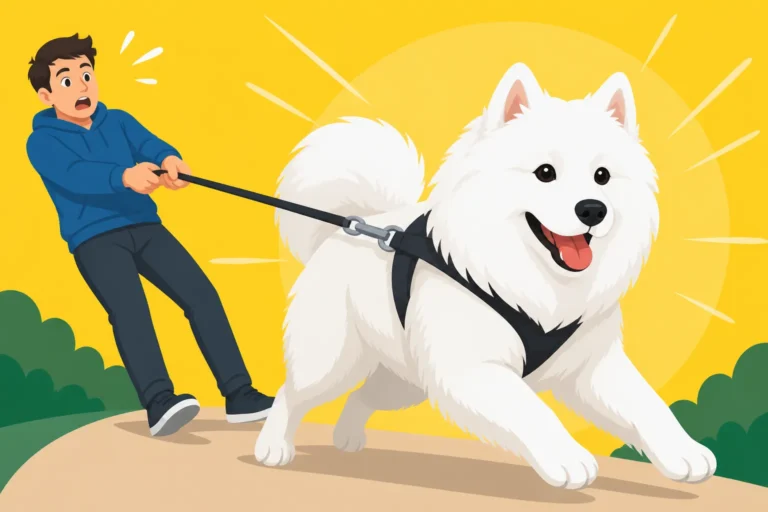
If you own a Samoyed, you know they are not quiet dogs. They have a vast and varied vocabulary that often includes a distinctive "Samoyed scream," which can sound quite alarming to an uninitiated ear. This high-pitched, almost operatic vocalization often sounds like a protest or a cry for help, but it's typically an expression of extreme excitement, a demand for attention, or pure exuberance. It’s the sound they make when you grab the leash for a walk, when they see a beloved family member return home, or sometimes just when they feel like making some noise. The Samoyed Scream and Why It Is Not Barking
Beyond the scream, Samoyeds also "talk," grumble, howl, and yodel. These are all forms of communication, expressing their feelings, desires, or simply acknowledging their environment. They might "talk back" to you when you tell them off, offering a string of vocalizations that sound like a conversation rather than an admission of guilt. While these noises can certainly be loud and grab attention, they are not typically aggressive or threatening. An intruder might hear a symphony of interesting sounds, but it’s unlikely any of them would be interpreted as a warning of imminent danger in the way a Rottweiler's deep growl or a German Shepherd's sharp, sustained bark would be.
Their vocalizations are more about engagement and expression than about deterring threats. They are a means of interacting with their world, often playfully. So, while your Samoyed might be very noisy, especially if something new or exciting is happening, that noise doesn't equate to guarding behavior. It's simply their way of being a Samoyed.
Why the Samoyed is a "Poor Watchdog" by Design
The distinction between a "watchdog" and a "guard dog" is important here. A watchdog's role is primarily to alert its owners to an unusual presence, usually through barking. A guard dog, on the other hand, is expected to actively deter or confront an intruder. A Samoyed, despite its vocal nature, generally fails at both in a reliable, protective sense. Why a Samoyed Makes a Poor Watchdog
While a Samoyed might bark at a squirrel in the yard, a leaf blowing past the window, or the delivery truck, this is usually a reaction of curiosity or excitement, not suspicion or territorial defense. Their barking is often generic, lacking the specific tone or sustained intensity that signals a genuine threat. If a strange car pulls up, they might bark a few times, but this is often followed by a tail wag and an eager anticipation of meeting someone new, rather than standing their ground.
The critical flaw in their watchdog ability lies in their interpretation of "stranger." For many breeds, a stranger on their property immediately triggers an alert system based on perceived threat. For a Samoyed, a stranger is just another potential friend. They might bark initially due to novelty, but this is rarely coupled with any protective instinct. Instead, they'll quickly switch to their default friendly mode. This means that while they might make noise, it's not a reliable signal of danger, nor will it likely be followed by any action to deter the person. As far as security goes, their enthusiastic barks and joyful screams are more likely to guide an intruder to where the friendly dog is, rather than chase them away.
What to Expect When a Samoyed Meets an Unexpected Visitor
Let's get down to the brass tacks: what actually happens when an unexpected, unwelcome person enters a home with a Samoyed? The reality often contrasts sharply with Hollywood portrayals of protective pets.
The Enthusiastic Greeter, Not the Protector
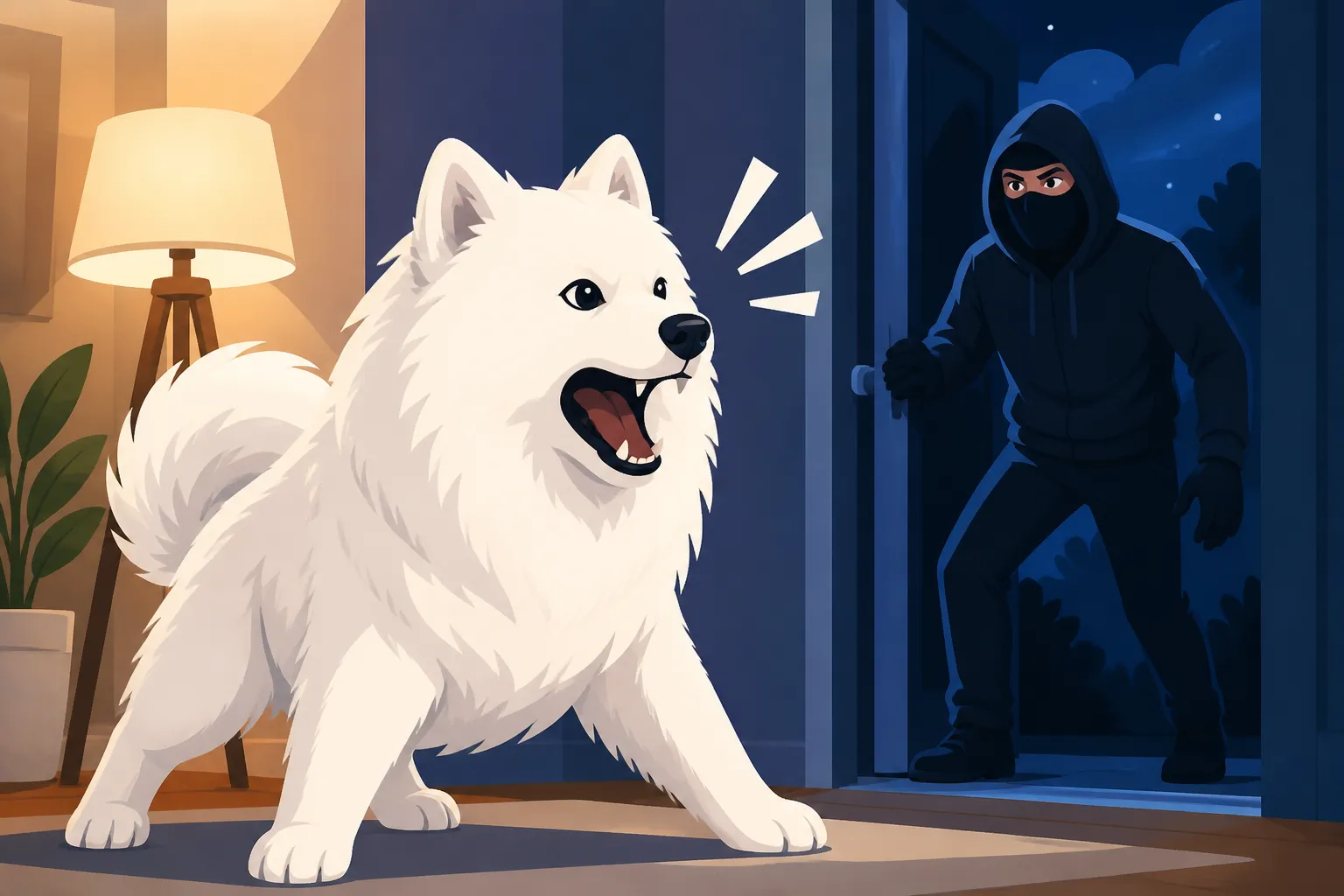
When an intruder enters a home where a Samoyed resides, the scene that typically unfolds is far from a dramatic confrontation. Instead of snarling, growling, or attempting to block the path, your Samoyed is highly likely to greet the unexpected visitor with boundless enthusiasm. Imagine the surprise of someone breaking into a home only to be met by a fluffy, white dog, tail wagging furiously, potentially offering licks and leaning in for pets. They might even pick up a favorite toy and drop it at the intruder's feet, inviting a game of fetch. Why a Samoyed Deters Nobody
This isn't a lapse in judgment or a failure of training; it's the Samoyed's default setting. Their historical role as companion animals who lived in extreme proximity and harmony with humans means they naturally view most people as benign. They are bred for amiability, not antagonism. An intruder might be momentarily startled by a large, vocal dog, but that surprise quickly dissipates when it becomes clear the dog's intentions are entirely friendly. Their eagerness to engage and receive attention far outweighs any protective instinct.
In fact, some Samoyeds might even see an unexpected visitor as a fantastic new playmate who has suddenly appeared! They may follow the person from room to room out of curiosity and a desire for interaction, rather than to monitor or deter them. For anyone seeking a dog to stand guard, this friendly, open-hearted response can be incredibly disappointing, and frankly, a significant security vulnerability. Your Samoyed is much more likely to show an intruder where the valuables are than to protect them.
Is Training for Guarding Possible or Advisable?
Given their inherent friendliness, many Samoyed owners wonder if they can simply train their dog to be a guard dog. While nearly any dog can be taught specific behaviors, attempting to transform a Samoyed into a reliable guard dog is incredibly difficult, ethically questionable, and often counterproductive. Their core instincts are fundamentally incompatible with the demands of a protection dog role.
Firstly, genuine guard dog training requires a dog to possess natural suspicion, territoriality, and a willingness to act defensively. These traits are largely absent in the Samoyed breed. To force a Samoyed into this role would involve trying to override centuries of selective breeding for a gentle, friendly temperament. This would likely require harsh, fear-based training methods that are completely antithetical to the Samoyed's sensitive nature and the positive reinforcement methods that work best for them. Such methods can cause immense stress, anxiety, and confusion for the dog, potentially leading to unpredictable behavior rather than reliable protection. Whether a Samoyed Is Ever Aggressive
Instead of creating a protective guardian, you risk creating an anxious, fearful, or even defensively aggressive dog that acts out of confusion or stress, which is dangerous for everyone. It's far better to accept and embrace your Samoyed for the loving, cheerful companion they are. Trying to force them into a role they are not genetically or temperamentally suited for goes against their well-being and is unlikely to yield the desired security outcome. A Samoyed will excel at being a family dog; asking them to be something they're not is unfair and potentially harmful to their wonderful personality.
Genuine Home Security: Relying on Systems, Not Smiles
Since we know our beloved Samoyeds aren't going to be patrolling the perimeter with a stern glare, it's important for owners to focus on practical, effective home security measures. Your Samoyed provides immeasurable joy and companionship, but not deterrence against intruders.
Your Samoyed as an "Early Warning System" (With Caveats)
While your Samoyed won't stand guard, their vocal nature can sometimes serve as a very rudimentary "early warning system"—with a whole lot of caveats. If your usually boisterous Samoyed suddenly becomes intensely focused, starts howling incessantly, or barks in a way that is distinctly not their usual playful or demanding tone, it could signal something truly unusual or out of place. This isn't guarding; it's simply a reaction to a significant departure from their norm, which might, by coincidence, be an intrusion.
However, relying on this is highly unreliable. Their threshold for "unusual" can be incredibly low—a squirrel twitching its tail too emphatically, a leaf blowing past the window just so, or a distant siren might elicit a similar intense, sustained vocalization. It requires you to interpret their alarm, and often, it turns out to be a false alarm regarding human threats. It's more about "something different is happening" than "danger is approaching!"
Ultimately, while their sudden, out-of-character vocalizations might occasionally coincide with an actual threat, it's far too inconsistent to be considered a reliable security measure. It merely highlights that they are observant, but their observation isn't paired with a protective instinct against humans. Your best bet is always to investigate any persistent, unusual vocalizations, but don't assume it means danger is at the door, let alone that your Samoyed will act on it.
Modern Security for Peace of Mind
For true home security, Samoyed owners should invest in robust, human-centric systems. Think about layers of protection: sturdy, high-quality locks on all doors and windows, motion-sensor outdoor lighting that deters approach, and a professionally installed alarm system with clear signage. These are the elements that genuinely deter intruders, not the wagging tail of a friendly Samoyed.
Consider how you secure your dog when you're not home, too. A strong, appropriately-sized crate provides a safe haven for your Samoyed, protecting them from accidental escape if a door or window is left ajar by an intruder, or even from interfering with emergency services if there's a break-in and police respond. You can find many reliable and well-reviewed crates on platforms like Amazon. Ensure any security measures you put in place are also safe and comfortable for your furry family member.
Additionally, while training won't make your Samoyed a guard dog, consistent obedience training is always beneficial for a well-managed household. Programs like BAXTER & Bella offer excellent resources for positive reinforcement training that can help manage your Samoyed's exuberance and ensure they respond to cues, making them a more integrated and well-behaved family member (see Whether a Samoyed Owner Needs a Professional Trainer). However, remember that this training focuses on polite manners and responsiveness, not on protective aggression. By focusing on practical, proven security measures, you can ensure your home and family are safe, allowing your Samoyed to continue being the loving, joyful, and unequivocally friendly companion they were always meant to be.
| Feature | Samoyed Reaction to Intruder | Traditional Guard Dog Reaction |
|---|---|---|
| Initial Approach | Curious, tail-wagging, seeking interaction | Suspicious, growling, standing ground |
| Vocalizations | Excited barks, "talking," screams (non-threat) | Deep, authoritative barks, growls, snarls |
| Body Language | Loose, friendly, playful bow, leans, licks | Stiff, alert, ears forward, often bristling |
| Protective Instinct | Minimal to non-existent towards humans | Strong, inherent desire to deter or protect |
| Outcome | May befriend intruder or seek attention | May deter intruder or act defensively |
Disclaimer
This article is for general informational purposes only and does not constitute professional advice. Laws, prices and regulations vary by location and change over time. Consult a qualified professional for guidance on your specific situation.