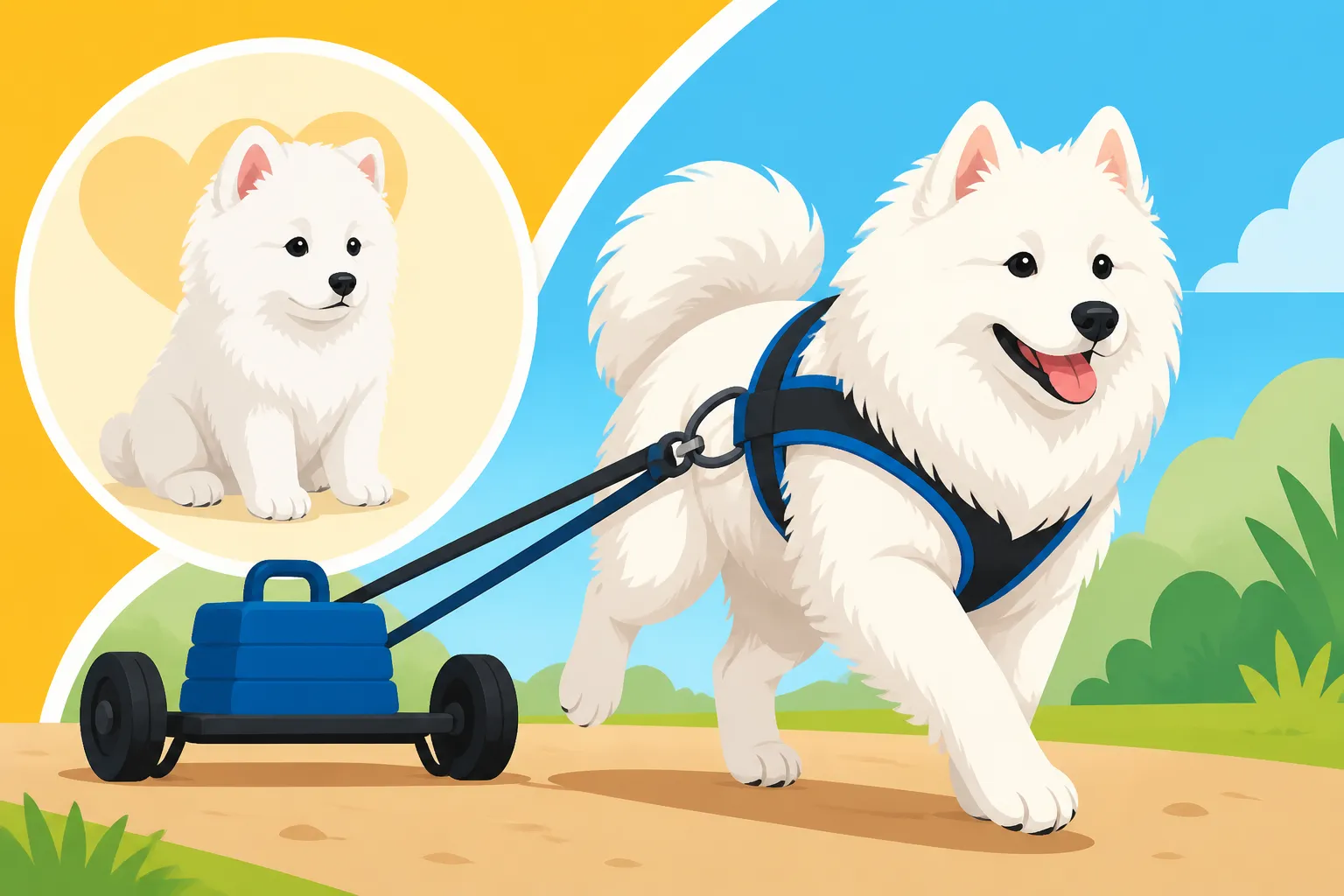
The Age a Samoyed Can Start Pulling
Many Samoyed owners dream of seeing their majestic dogs pull a sled or engage in other exciting traction sports. It's a natural inclination, given their heritage! However, the biggest mistake new owners make is rushing into these activities before their Samoyed is truly ready, physically and mentally. This comprehensive guide will walk you through the appropriate timeline and considerations for safely introducing your Samoyed to pulling work, ensuring a happy, healthy, and long-lasting partnership.
Understanding the Samoyed's Development Stages
Before you even think about hitching your Samoyed to anything, it's crucial to understand that their physical development is a marathon, not a sprint. While they might look like full-grown adults by a year old, their bodies are still undergoing significant changes.
Puppyhood and Early Growth (0-12 Months)
The first year of your Samoyed's life is a period of incredible, rapid growth. Think about it: a tiny fluffball of a puppy transforms into a sizable, energetic dog in just twelve short months. During this time, their bones, joints, and ligaments are still quite soft and vulnerable. The growth plates, which are areas of cartilage at the ends of long bones where new bone tissue is produced, are open and highly susceptible to injury. Any undue stress or high-impact activity during this critical phase can lead to permanent damage, potentially causing lifelong lameness, arthritis, or other orthopedic issues.
It’s vital to prioritize natural, free-play exercise during puppyhood rather than structured, repetitive, or high-impact activities. Gentle walks on varied terrain, short play sessions in the yard, and exploring safe environments are far more beneficial than long runs, jumping, or, heaven forbid, any form of pulling. Your focus during these early months should be on proper nutrition, socialization, and basic obedience training – things that lay the groundwork for a healthy mind and body without putting strain on developing structures. Over-exercising a growing puppy is one of the most common mistakes I see, and for a breed prone to certain orthopedic issues, it’s a risk not worth taking. For a deeper dive into their early life, check out The First Year With a Samoyed Puppy.
Adolescence and Continued Maturation (12-24 Months)
While your Samoyed might have reached most of its adult height and weight around their first birthday, don't let their imposing size fool you. They are still very much in a phase of continued maturation, especially concerning their musculoskeletal system. Growth plates might be closing, but joints are still firming up, ligaments are strengthening, and muscles are still gaining density and tone. It's like building a house – the frame might be up, but the internal structures and finishing touches are still being added.
During this adolescent period, Samoyeds often hit a burst of energy and can seem incredibly powerful. They might feel like they're ready to pull, and their natural instincts might start to kick in, making them eager to surge forward on walks. However, their physical resilience isn't quite at its peak. This is also a time of significant hormonal shifts, which can influence their behavior and energy levels, making them seem more robust than they truly are internally. While you can start to introduce more structured exercise, it should still be moderate and geared towards building overall fitness and body awareness, rather than intense, specialized work. You’ll notice them "filling out," gaining that characteristic Samoyed breadth and depth that makes them such powerful dogs, but this takes time. It’s a delicate balance of providing enough activity to manage their energy without pushing them past their physical limits. Most Samoyeds aren't truly physically mature until around two years of age, and sometimes even a little later for larger individuals. You can learn more about their overall development in The Age a Samoyed Finally Matures.
Physical Readiness for Pulling Work
The decision to start pulling your Samoyed should be guided by a clear understanding of their physical maturity, particularly regarding their skeletal system.
Growth Plate Closure and Bone Density
The most critical factor in determining physical readiness for pulling is the complete closure of the growth plates. As mentioned, these cartilage areas are where bones lengthen. Once they've fused and hardened into solid bone, they are much stronger and less prone to injury from impact or sustained pressure. For most large breeds like Samoyeds, these growth plates typically close between 12 and 18 months, though some can take a bit longer. Starting pulling work before these plates are fully closed risks severe and irreversible damage, such as fractures or malformation, which can lead to debilitating conditions like hip or elbow dysplasia later in life.
While you don't typically get X-rays just to confirm growth plate closure for pulling, it's a good discussion to have with your veterinarian during annual check-ups. They can often provide a general assessment based on your dog's breed, age, and physical examination. Some owners, especially those seriously considering competitive pulling sports, might opt for orthopedic screenings like OFA (Orthopedic Foundation for Animals) certifications, which typically aren't performed until a dog is at least 24 months old because that’s when the joints are considered fully developed. This is a strong indicator of when significant stress on joints becomes safer. It's a testament to the risks involved that such organizations set high age requirements for certification. Understanding these risks is especially important for breeds like the Samoyed, which can be predisposed to certain conditions; for instance, you might be interested in How Common Hip Dysplasia Is in Samoyeds.
Muscle Development and Endurance
Beyond bone maturity, your Samoyed needs well-developed musculature and good endurance to perform pulling work safely and effectively. Pulling isn't just about raw strength; it requires a strong core, powerful hindquarters, and a robust cardiovascular system to sustain effort over distance. Imagine a human athlete training for a marathon versus a weightlifter – different kinds of strength and stamina are required. A Samoyed needs both.
Building this kind of conditioning cannot be rushed. It’s a process that should begin after their first birthday, gradually increasing in intensity and duration. Safe ways to build muscle and endurance include controlled leash walks on varied terrain, gentle uphill climbs, and even swimming once their growth plates are likely closed. These activities strengthen the supporting structures around joints, improve cardiovascular health, and teach your dog how to use their body efficiently. This isn't about pushing them to exhaustion, but rather consistent, moderate exercise that builds a solid foundation. Remember, a Samoyed with underdeveloped muscles trying to pull a heavy load is just asking for a strain or injury. Focus on functional strength that will protect their body during work. For example, if your Samoyed needs more activity, consider exploring How Much Exercise a Samoyed Needs.
Mental Maturity and Training Foundations
Physical readiness is only half the battle. Your Samoyed also needs to be mentally mature and have a strong foundation in obedience to safely and effectively engage in pulling sports. These activities require focus, responsiveness, and a willingness to work as a team.
Focus and Trainability
Samoyeds are intelligent dogs, but they are also known for their independent and sometimes stubborn nature. Pulling sports demand a high level of focus and the ability to follow commands precisely, even amidst distractions. A young, adolescent Samoyed, typically still figuring out the world and testing boundaries, often lacks the sustained focus needed for consistent pulling work. They might be easily distracted by squirrels, other dogs, interesting smells, or even just the sheer joy of running. This isn't stubbornness as much as it is a natural part of their developmental stage.
Therefore, foundational obedience training is an absolute prerequisite. Commands like "sit," "stay," "come," and a solid "leave it" are not just polite manners; they are safety commands in a pulling scenario. Imagine your dog suddenly veering off course or refusing to stop while hitched to a sled. Developing this mental discipline takes time and consistent, positive reinforcement. This is where programs like those offered by BAXTER & Bella can be incredibly helpful. Their online resources often provide structured guidance for building solid obedience skills from puppyhood, which translates directly into better focus and a more reliable working partner. By starting these core skills early, you’re not just training a pet; you’re sculpting an athlete. It’s an investment in their future success and safety. Patience is key here; rushing can lead to frustration for both you and your Samoyed. You can get more insights into their unique approach to learning in Training a Samoyed That Finds Obedience Negotiable.
Introducing Basic Directional Cues
Before you ever put a harness on your Samoyed with the intention of pulling, you should introduce and solidify basic directional cues. These are the "language" of sled dogs and working northern breeds. The traditional commands include "gee" (turn right), "haw" (turn left), "hup" (go forward/speed up), and "whoa" (stop). Learning these cues without the pressure of a load allows your Samoyed to associate the words with actions in a low-stakes environment.
You can start practicing these commands during regular walks, making them a fun game. For example, as you approach a turn, say "gee" and gently guide your dog to the right, then reward them enthusiastically. Consistency is crucial. Over time, your Samoyed will learn to anticipate the turns based on your voice commands. This builds a mental map and understanding that will be invaluable when they are actually in harness. This early introduction to directional cues also helps cultivate a strong "drive" – their inherent desire to move forward and work with you. You want them to be excited and engaged, not confused or forced. When they understand what you're asking, the entire process becomes more enjoyable and efficient for both of you.
Introducing Gear and Basic Commands
Once your Samoyed is physically and mentally on the path to readiness, the next step involves familiarizing them with the gear and the actual sensation of pulling. This, too, is a gradual process built on positive experiences.
The Right Gear at the Right Time
Using the correct equipment is paramount for your Samoyed's comfort, safety, and performance in pulling sports. A standard walking harness or collar simply won't cut it and can cause injury. For pulling, you'll need a specialized harness designed to distribute pressure evenly across their chest and shoulders, allowing them to pull efficiently without restricting their breathing or movement. The most common types are X-back harnesses or H-back harnesses, each suited for different types of pulling (e.g., freighting vs. speed). It's crucial that the harness fits perfectly – too loose and it can chafe; too tight and it can restrict movement or cause discomfort. Many reputable manufacturers offer fitting guides to ensure you get the right size for your Samoyed’s unique physique.
Introducing the harness should be a positive experience. Don't just strap it on and expect them to start pulling. Let them sniff it, reward them for calm interactions, and then put it on for very short periods around the house. Associate the harness with fun things like treats, praise, or a short play session. This builds a positive association. You can find a wide variety of high-quality pulling harnesses on platforms like Amazon, but always ensure you read reviews and check sizing charts carefully to find one suitable for a Samoyed's deep chest and strong build. Once they are comfortable wearing it, you can attach a light lead and let them drag something very small and weightless, like a plastic bottle or a lightweight stick, just to get used to the sensation of something behind them. This is purely for familiarization, not actual work. If you're looking into initial costs, you might be interested in What a Sled and Harness for a Samoyed Cost.
First Steps: Light Resistance and Short Distances
The absolute golden rule for starting pulling training is: start light, go slow, and keep it fun. Never, ever begin with a heavy load or a long distance. Your Samoyed's first experiences with pulling should be almost imperceptible in terms of effort. You might start with just the harness attached to an empty, lightweight cart or sled, or even just a light tire, if you're doing dryland training. The goal is to let them feel the sensation of something pulling behind them and associate it with moving forward.
These initial sessions should be incredibly short – think 5-10 minutes, at most. You want to stop before they get tired or bored, leaving them wanting more. Use lots of praise, high-value treats, and an excited tone of voice to reinforce their efforts. If they show any signs of reluctance, stop, re-evaluate, and make it easier. The aim is to build their confidence and enthusiasm, not to push them. This foundational stage is all about building a positive mental framework for pulling. Gradually, over weeks and months, you can ever so slightly increase the distance or add a minuscule amount of weight. Always observe your Samoyed for signs of discomfort, fatigue, or a waning interest. Their enjoyment is your best indicator that you're on the right track. This slow and steady approach minimizes the risk of physical injury and fosters a lifelong love for the activity. It also helps them to understand How Much a Samoyed Can Pull over time.
Starting Light and Progressive Training
Once your Samoyed has a solid foundation in obedience, is comfortable with their gear, and has been properly conditioned, you can begin the actual pulling training. This phase still demands patience and a commitment to gradual progression.
The "Sweet Spot" for Starting (18-24 Months)
While there's no universally "perfect" day, the general consensus among experienced mushers and veterinarians is that the ideal age to begin formal pulling training with any significant weight or distance for a Samoyed is between 18 and 24 months. This timeline allows for the vast majority of growth plates to have closed and for their skeletal and muscular systems to have matured sufficiently to handle the sustained impact and strain of pulling. This isn't just an arbitrary number; it's based on scientific understanding of canine physiology and years of practical experience.
However, it's crucial to remember that every dog is an individual. Some Samoyeds, particularly males who tend to be larger, might mature a little slower and might benefit from waiting closer to two years or even slightly beyond. Others, especially smaller females, might be ready a bit earlier. Always consult with your veterinarian before embarking on a rigorous pulling regimen. They can give your Samoyed a thorough physical examination to ensure there are no underlying health issues that would make pulling unsafe. Look for signs of physical robustness and sustained energy, rather than just raw size. Their mental readiness is also a factor – a dog that's still very puppy-brained might struggle with the focus required. This "sweet spot" ensures you're giving your Samoyed the best chance for a long, injury-free career in pulling sports. For those thinking of specific activities like sledding, The Age a Samoyed Can Start Sledding provides more focused guidance.
Gradual Progression and Monitoring
Once you've determined your Samoyed is ready to begin pulling, the emphasis shifts to very gradual progression. Think in terms of tiny steps, not leaps. Start with extremely light loads – often just the weight of the harness and gangline, or a very light training drag. Focus on short distances, perhaps a quarter-mile or less, always on flat, even terrain. As your Samoyed builds confidence and stamina, you can incrementally increase either the distance or the weight, but typically not both at the same time. This slow build allows their body to adapt and strengthen without being overwhelmed.
Constant monitoring is vital. Watch your Samoyed for any signs of discomfort: limping, stiffness, changes in gait, reluctance to move, or loss of enthusiasm. These are all signals that you might be pushing too hard, too fast. If you see any such signs, stop immediately, rest your dog, and consult your veterinarian. Their enjoyment is paramount; if pulling stops being fun, you've gone too far. Incorporate rest days into your schedule and consider cross-training activities like swimming or free running on soft surfaces, which build different muscles and provide mental stimulation without the specific strain of pulling. Remember, building an athlete takes months and years, not weeks. Your goal is to foster a healthy, happy pulling dog, and that comes from a thoughtful, consistent, and patient approach. This also allows you to consider options like Whether a Samoyed Enjoys Skijoring as you progress.
| Age Range | Activity Focus | Key Considerations |
|---|---|---|
| 0-6 Months | Gentle play, socialization, basic house manners | Critical growth plate development; avoid any strain. |
| 6-12 Months | Continued socialization, obedience, short walks | Growth plates still open; moderate exercise only. |
| 12-18 Months | Increased endurance walks, intro to directional cues | Growth plates closing; build muscle, no heavy pulling. |
| 18-24 Months | Introduction to harness, very light resistance | "Sweet spot" for starting; monitor closely, vet check. |
| 24+ Months | Gradual increase in weight/distance, advanced cues | Full physical maturity; focus on conditioning & technique. |
Potential Risks and How to Mitigate Them
Engaging in any demanding physical activity carries inherent risks, and pulling sports for Samoyeds are no exception. Being aware of these potential pitfalls and taking proactive measures can significantly reduce the chances of injury and ensure a long, healthy working life for your dog.
Overuse Injuries and Joint Strain
One of the most common dangers of pulling sports, especially if training is rushed or overdone, is overuse injuries. These can manifest as strains to muscles, ligaments, or tendons, or even stress fractures if bones are repeatedly subjected to excessive force without adequate recovery time. The joints, particularly the hips and elbows, are also vulnerable. While Samoyeds are built to pull, their bodies still have limits. Pushing too hard, too fast, or for too long can lead to inflammation, pain, and eventually chronic conditions like arthritis, which can severely impact their quality of life.
Preventing these injuries starts with proper conditioning and a truly gradual training regimen, as discussed earlier. Just like human athletes, Samoyeds need thorough warm-ups before pulling sessions to get their muscles pliable and their cardiovascular system ready. A brisk 10-15 minute walk or light jog is usually sufficient. Equally important are cool-downs after work, involving a gentle walk and some stretching. Hydration is also key, so always have fresh water available before, during, and after training. Maintaining your Samoyed at a healthy weight is also crucial, as extra pounds put undue stress on joints even during normal activities. Consider discussing Joint Supplements for a Samoyed with your vet as a proactive measure, especially as they get older or if they are performing heavy work.
Environmental Considerations and Heat Stress
Samoyeds are majestic creatures bred for the freezing Arctic. Their incredibly dense double coat, while fantastic insulation against the cold, becomes a significant liability in warm or humid climates. Engaging in strenuous activities like pulling in anything but cool or cold weather is extremely dangerous and can quickly lead to overheating, heatstroke, and even death. Many a well-meaning owner has tragically underestimated how quickly a Samoyed can succumb to heat.
Therefore, environmental awareness is paramount. Never, ever pull your Samoyed in temperatures above 60-65°F (15-18°C), and even then, humidity, direct sun, and pavement temperature must be considered. The pavement can be significantly hotter than the air temperature, burning their paw pads and radiating heat back up into their bodies. Early morning or late evening training during cooler months is often the only safe option in many regions. Pay close attention to Signs a Samoyed Is in Heat Distress: excessive panting, drooling, weakness, stumbling, or dark red gums are all emergency signals. If you suspect overheating, stop immediately, move to a cool, shaded area, offer small amounts of water, and apply cool (not icy) water to their belly, armpits, and groin. This is a life-or-death situation. It’s better to skip a training session than to risk your Samoyed’s health. If you are serious about pulling, plan your training schedule around the seasons, prioritizing the cooler months and even considering how Whether a Samoyed Should Pull in Warm Weather is almost universally discouraged.
Disclaimer
This article is for general informational purposes only and does not constitute professional advice. Laws, prices and regulations vary by location and change over time. Consult a qualified professional for guidance on your specific situation.