Whether a Samoyed Enjoys Skijoring
For many Samoyed owners, the thought of strapping on skis and letting their fluffy companion pull them across a snowy landscape conjures images of pure joy and boundless energy. However, the reality of getting a spirited, often independent Samoyed to work cooperatively in a dynamic activity like skijoring can present its own unique set of challenges and triumphs. This guide will delve into whether a Samoyed genuinely enjoys skijoring, exploring their natural predispositions, the preparation involved, and the incredible bond such an activity can forge.
Understanding the Samoyed's Instincts for Skijoring
It's no secret that Samoyeds are built for cold weather and have a deep-seated love for snow. But their suitability for a sport like skijoring goes far beyond just a fluffy coat and a grin. Their historical purpose and inherent drives make them surprisingly well-suited, provided their human companion understands how to tap into those instincts.
The Samoyed's Natural Inclination to Pull
Historically, Samoyeds were indispensable working dogs for the nomadic Nenets people in Siberia. They weren't just pretty faces; they were crucial for herding reindeer, guarding against predators, and, yes, pulling sleds. This isn't the same as the long-distance freight hauling of an Alaskan Malamute or the speed of a Siberian Husky, but it’s pulling nonetheless. The Samoyed's build – strong, athletic, and surprisingly powerful for its medium size – is designed for sustained exertion in cold conditions. When you attach a harness and ask a Samoyed to move forward, you're not asking them to do something entirely foreign. You're tapping into generations of selective breeding.
Many Samoyed owners observe this natural pulling tendency even on a casual walk. Their dogs lean into their leashes, eager to surge ahead, especially when there's an exciting smell or another dog to greet. This inherent desire to move forward, to pull against resistance, is the very foundation of skijoring. It's a drive that, when channeled correctly, transforms from a frustrating leash-pulling habit into a powerful asset. It gives them a job, and a Samoyed with a job is usually a happy Samoyed. If you've ever felt that enthusiastic tug, you know exactly what I mean. This ancestral programming is why activities like skijoring often resonate so deeply with them, providing an outlet for an instinct that might otherwise manifest as unwanted behavior.
The Herding Aspect and How It Plays Into Skijoring
While often thought of primarily as sled dogs, Samoyeds were also vital reindeer herders. This means they possess a unique blend of traits: the pulling power of a sled dog combined with the intelligence, biddability (to a certain extent!), and awareness of a herding breed. In skijoring, this herding instinct can manifest in a couple of interesting ways. Firstly, a well-trained Samoyed understands directional commands, which is crucial for navigating trails. Their ability to respond to "gee" (right) and "haw" (left) commands isn't just about pulling; it's about working with their human, anticipating turns, and moving as a team. This isn't the intense, focused herding of a Border Collie, but a more subtle, cooperative drive to keep things moving in the right direction.
Secondly, that awareness of their human's position is a huge advantage. Unlike some other sled dogs that might simply run forward with blind ambition, a Samoyed often keeps a keen eye on their person, checking in, and adjusting their pace. This might be a residual of keeping a herd together or staying connected to their nomadic family. It means they are less likely to disappear over the next hill without a thought for their skijoring partner. This cooperative spirit, albeit sometimes mixed with a healthy dose of Samoyed independence, is what makes skijoring with them such a rewarding experience. It's a partnership, not just a ride. This aspect is also why The Herding Instinct Nobody Expects From a Samoyed is so important to understand for owners looking to engage their Samoyed in active sports.
What Skijoring Actually Entails and Why Samoyeds Are Suited
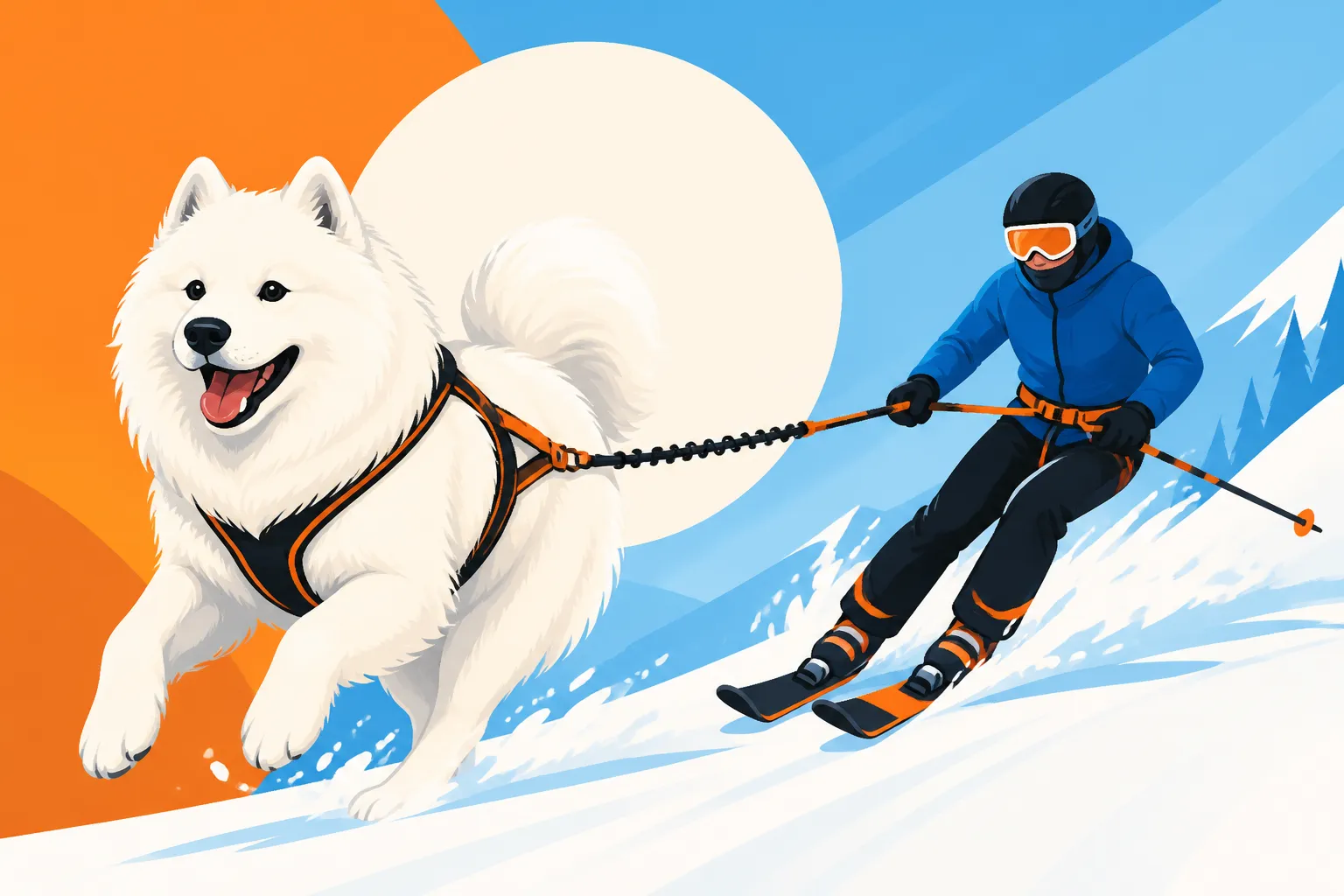
Skijoring, at its heart, is cross-country skiing with the added power of one or more dogs pulling you along. It's a fantastic winter sport that combines canine athleticism with human skill, offering an exhilarating way to enjoy snowy trails. For a Samoyed, it aligns perfectly with several of their core characteristics.
The Equipment and Setup for Skijoring
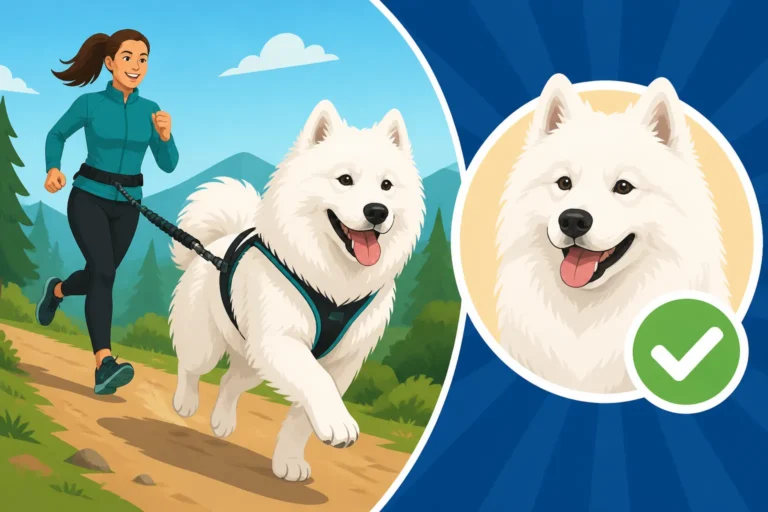
You might imagine a complex array of ropes and pulleys, but the beauty of skijoring is its relative simplicity. The core equipment includes a skijoring belt for the human, a specialized harness for the dog, and a bungee line that connects the two. The human wears cross-country skis, usually classic style for better grip and control. The dog's harness is crucial; it must be a comfortable, well-fitting pulling harness, often an X-back or H-back style, designed to distribute pressure evenly across their chest and shoulders, allowing them to pull efficiently without restricting their movement or airways. A proper harness is paramount for your dog's safety and comfort. You can find excellent options on retailers like Amazon, often with reviews from other dog-sport enthusiasts.
The bungee line is equally important. It absorbs shocks, preventing sudden jolts for both skier and dog, making the experience smoother and more enjoyable. Imagine the impact on your dog's back if every stride transmitted a sudden jerk! This setup allows the dog to pull ahead of the skier, maintaining tension on the line, while the skier provides propulsion with their skis. This collaborative effort is where the fun truly begins. It's not just about the dog pulling you entirely; it's about combining your efforts to glide effortlessly across the snow.
The Physical Demands and the Samoyed's Build
Skijoring is a physically demanding sport for both participants. The human needs a decent level of fitness to ski, provide propulsion, and maintain balance, especially on varied terrain. For the dog, it requires stamina, strength, and endurance. This is where the Samoyed truly shines. Bred for Arctic environments, they possess a robust, muscular build, excellent lung capacity, and a dense double coat that provides exceptional insulation in cold weather. Their powerful hindquarters are perfect for generating forward thrust, and their relatively moderate size means they are agile enough to navigate narrower trails.
Their physical attributes make them naturals for this kind of work. They can run for extended periods, their bodies designed for efficient energy use in a winter landscape. It’s a wonderful way for them to express their natural athleticism. However, it's vital to remember that while they are built for it, proper conditioning is key. You wouldn't run a marathon without training, and your Samoyed shouldn't go from couch potato to skijoring champion overnight. A gradual conditioning program, building up their strength and stamina, will ensure they remain healthy and happy in the sport.
The Mental Stimulation Skijoring Provides
Beyond the physical workout, skijoring offers immense mental stimulation for a Samoyed. These are intelligent dogs who thrive on having a purpose. Sitting at home, even with regular walks, often doesn't fulfill their innate drive for activity and problem-solving. Skijoring engages their minds in several ways:
- Directional Commands: Learning and responding to commands like "hike" (go forward), "whoa" (stop), "gee" (right), and "haw" (left) keeps their brains active and focused. This isn't just about rote memorization; it's about understanding context and applying commands in a dynamic environment.
- Teamwork: Working in sync with their human fosters a deeper bond and reinforces their role as a partner. They learn to anticipate your movements, and you learn to read their body language, creating a seamless connection. This cooperative effort is incredibly rewarding.
- Sensory Richness: The snowy environment is a feast for their senses. The crisp air, new smells on the trail, the visual stimulation of a winter landscape – it all contributes to a rich, engaging experience that ordinary walks often can't replicate.
- Problem-Solving: Encountering obstacles, changing snow conditions, or even just navigating a turn requires a degree of mental engagement. They learn to adapt and think on their feet (or paws!).
For a breed often described as "stubborn" or "independent," providing a mentally stimulating outlet like skijoring can dramatically improve their overall well-being and make them more content and well-behaved companions at home. It truly taps into The Job a Samoyed Actually Needs.
Preparing Your Samoyed for Skijoring
Leaping onto skis with your Samoyed tethered to you isn't something you can just do on a whim. Proper preparation, both physical and behavioral, is essential for a safe, enjoyable, and successful experience for both of you.
Age and Health Considerations
Before even thinking about a harness, your Samoyed needs to be of an appropriate age and in excellent health. Generally, dogs should be at least 18 months to two years old before engaging in strenuous pulling activities like skijoring. This allows their growth plates to fully close and their bones and joints to mature, significantly reducing the risk of injury. Starting too young can lead to lifelong orthopedic problems. You'll want to review The Age a Samoyed Can Start Pulling for more specific guidance.
A thorough veterinary check-up is non-negotiable. Your vet can assess their overall health, heart, and joint condition, ensuring they are physically sound for the demands of the sport. Discuss your skijoring aspirations with them. Conditions like hip or elbow dysplasia, while not necessarily disqualifying, might require careful management or a modified approach. Ensure they are up-to-date on all vaccinations and parasite prevention. Given the breed's predispositions, it’s also wise to be aware of conditions like Hip Dysplasia in a Samoyed or Aortic Stenosis in a Samoyed which could impact their ability to perform such activities safely.
Essential Foundation Training
Even if your Samoyed loves to pull on a leash, skijoring requires a more refined set of skills. Foundation training is critical. Your dog needs to understand and reliably respond to basic obedience commands like "sit," "stay," "come," and "leave it" in distracting environments. More importantly, they need to learn specific pulling commands, often referred to as "mushing commands":
- "Hike!" or "Go!": To start pulling forward.
- "Whoa!": To stop and stay. This is perhaps the most crucial safety command.
- "Gee!": To turn right.
- "Haw!": To turn left.
- "On by!": To ignore distractions and continue forward.
These commands should be practiced extensively on foot, with a regular leash and harness first, then with a proper pulling harness. Consistency is key. Many owners find online resources invaluable for this, such as structured training programs or courses offered by entities like BAXTER & Bella, which can guide you through positive reinforcement techniques specifically for dog sports. Practice in various environments, gradually introducing distractions, so your Samoyed understands that these commands are non-negotiable, even when there's a tempting squirrel nearby. This groundwork is vital because once you're on skis, your ability to physically correct your dog is significantly limited.
Introducing the Equipment and the Environment
Before hitting the trails, your Samoyed needs to be comfortable with all the equipment. Start by letting them sniff and investigate the skijoring harness. Put it on them for short periods around the house, rewarding them for calm acceptance. Gradually increase the duration, then take them for short walks in the harness. The goal is for the harness to be associated with positive experiences and for it to feel like a natural extension of their body.
Next, introduce the bungee line and skijoring belt. Let them see you wearing the belt, and gently attach the line to their harness. Practice walking with the line attached, simulating the distance and connection of skijoring. Finally, and this is often the most challenging part, introduce the skis. The sight and sound of skis might be alarming or exciting to a dog. Wear your skis in the backyard or a safe, open area, letting your Samoyed get used to how you move with them. Don't expect them to pull immediately. Just focus on calm acceptance. If you live in an area without natural snow, you might start with dryland carting or canicross (running with your dog pulling you) to build confidence and strength before transitioning to snow. Remember, patience is your best friend during this introduction phase.
Potential Challenges and How to Overcome Them
While Samoyeds have many traits that make them ideal for skijoring, they are also intelligent, independent, and sometimes downright mischievous. Navigating these challenges is part of the journey.
Dealing with Distractions and Prey Drive
Samoyeds, like many Northern breeds, often possess a strong prey drive. A deer darting across the trail, a squirrel chattering from a tree, or even another dog can instantly become the focus of their attention, making them forget all their training. This is a common frustration for skijoring enthusiasts. The key here is proactive management and consistent "on by" training.
Start practicing "on by" (or "leave it") in low-distraction environments and gradually increase the difficulty. Use high-value treats and enthusiastic praise when they successfully ignore a distraction. If they do become fixated, gently redirect their attention with a verbal cue and a treat, reinforcing the idea that focusing on you is more rewarding. It's also critical to choose trails carefully, especially in the beginning. Opt for less crowded areas where wildlife sightings are less frequent. A secure, well-fitted harness and bungee line are also essential to prevent your Samoyed from bolting if their prey drive takes over. Remember, Why a Samoyed's Recall Cannot Be Trusted is a real factor, so prevention is better than relying on a last-minute command in a high-drive situation.
Managing Enthusiasm and Overheating
Samoyeds are known for their exuberance, and this can be both a blessing and a curse in skijoring. While their enthusiasm for running and pulling is fantastic, it can sometimes lead to them pulling too hard, becoming overly excited, or pushing themselves past their limits, especially if they are new to the sport or unconditioned. Their thick double coat, while perfect for extreme cold, can also make them susceptible to overheating if the weather warms up, if they're working too hard, or if they aren't properly hydrated.
To manage enthusiasm, start with shorter, controlled sessions. Focus on maintaining a steady pace rather than sheer speed. Teach a "steady" or "easy" command to encourage them to moderate their pull. Monitor their breathing and body language constantly. Signs of overheating include excessive panting, drooling, a dark red tongue, or staggering. Always carry water for both you and your dog, and offer frequent breaks for hydration. If the temperature rises above freezing or the snow is heavy, it might be better to opt for a shorter, less intense session or even skip it entirely. Remember, a Samoyed is A Samoyed Built for Sixty Below in an American Summer, so vigilance is key when conditions aren't perfectly frigid. Be mindful of The Temperature at Which a Samoyed Should Stay Indoors even for active pursuits.
The "Negotiable" Obedience of a Samoyed
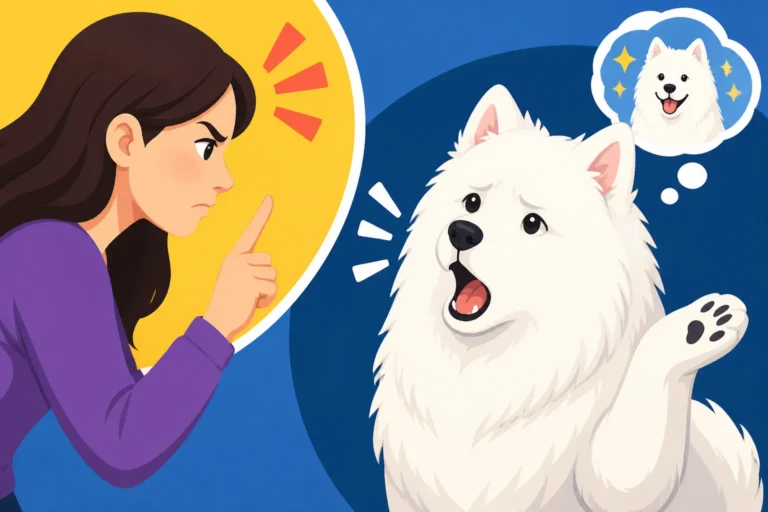
Ah, the Samoyed's famous independence! Many owners affectionately describe their Samoyeds as having "negotiable" obedience. They're smart, they understand commands, but they also weigh their options and decide if it's worth their while. This trait can certainly surface during skijoring. They might decide that exploring that interesting smell off the trail is more appealing than continuing to pull, or they might simply put on the brakes because they're tired or bored.
Overcoming this requires patience, consistency, and making the activity incredibly rewarding. Always use positive reinforcement. High-value treats, enthusiastic verbal praise, and a short break for sniffing or a quick tug toy session can work wonders. Keep training sessions fun and relatively short to avoid boredom. If your Samoyed decides to stop, remain calm. Avoid getting frustrated or yelling, as this can make them shut down. Instead, gently encourage them forward, perhaps with a treat held slightly ahead. Sometimes, simply stopping and waiting quietly for a moment can prompt them to re-engage. Understanding Training a Samoyed That Finds Obedience Negotiable is crucial for success, as is knowing What a Samoyed Will Work For.
The Pure Joy (and Practical Benefits) of Skijoring with a Samoyed
Despite the challenges, skijoring with a Samoyed is an incredibly rewarding experience that strengthens your bond and provides immense benefits for your dog's physical and mental health. It’s an opportunity to truly see your Samoyed thrive in an environment they were born for.
Building an Unbreakable Bond
There's something uniquely powerful about working together with your dog as a team. In skijoring, you are literally connected, moving as one unit across the snow. You rely on their strength and their responsiveness to your commands, and they rely on your guidance and encouragement. This shared activity fosters an incredible level of trust and understanding. You learn to read their subtle cues – a slight shift in their ears, a change in their stride, the way their tail curls. They learn to anticipate your intentions, making decisions based on your commands and the terrain.
This symbiotic relationship deepens your bond far beyond what everyday walks can achieve. The exhilaration of gliding silently through a snowy forest, powered by your happy, focused Samoyed, creates memories and experiences that solidify your partnership. It's a testament to the ancient connection between humans and working dogs, reimagined for modern enjoyment. When your Samoyed looks back at you with that famous smile after a successful run, you'll know exactly what I mean.
Outlet for Energy and Prevention of Behavioral Issues
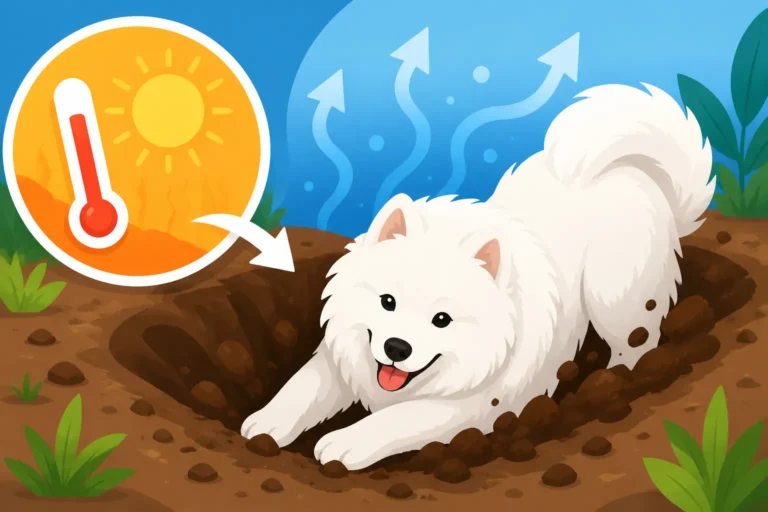
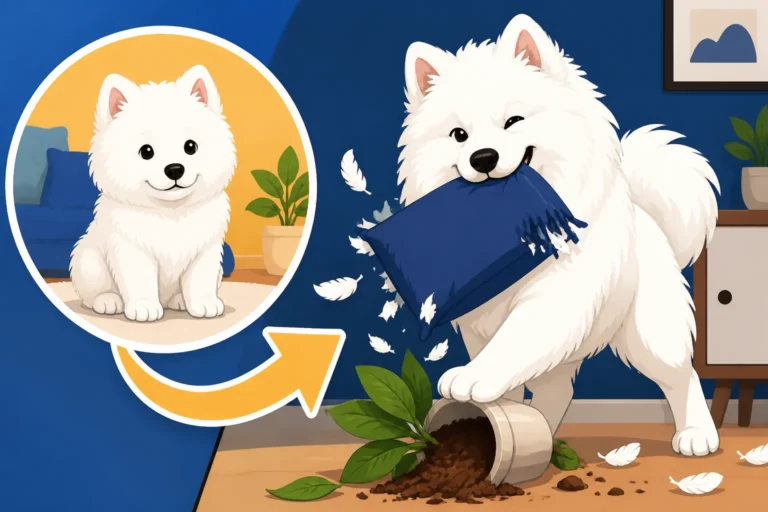
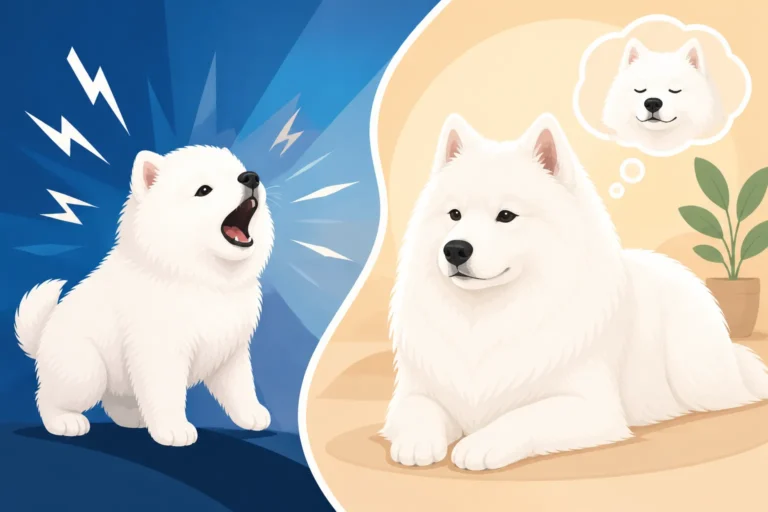
Samoyeds are high-energy dogs. They need a significant amount of exercise, not just a casual stroll around the block. Without an adequate outlet for their boundless energy, they can become bored, destructive, or develop behavioral issues like excessive barking, digging, or anxiety. Skijoring provides an unparalleled physical and mental workout that few other activities can match, especially in winter. You'll find a lot of advice about How Much Exercise a Samoyed Needs, and skijoring certainly ticks that box.
A well-exercised Samoyed is a happy and tired Samoyed. After a satisfying skijoring session, they're much more likely to be calm and relaxed at home, less prone to chewing furniture or vocalizing unnecessarily. It channels their natural instincts – their desire to run, pull, and explore – into a constructive and enjoyable activity. For many Samoyed owners, it transforms their dog from a high-strung handful into a contented companion. It’s truly an investment in their overall well-being and your peace of mind.
Embracing the Winter Wonderland Together
Perhaps the most significant enjoyment for a Samoyed in skijoring comes from simply being in their element: the snow. These dogs were bred for the Arctic, and they absolutely come alive when the white stuff falls. The joy they exhibit in a fresh snowfall, rolling, digging, and prancing, is infectious. Skijoring allows them to fully immerse themselves in this environment, using their bodies and instincts in a way that feels natural and deeply satisfying to them.
For humans, it’s an incredible way to share your love for winter with your furry best friend. Instead of battling the cold, you embrace it, experiencing the serene beauty of winter landscapes together. It transforms winter from a season to endure into an opportunity for adventure. Seeing your Samoyed’s fluffy coat dusted with snow, their tail curled high, and that famous smile plastered on their face as they pull you through a crisp, snowy morning is a sight that will warm your heart, no matter how low the thermometer drops. It's the ultimate winter bonding experience.
Here's a quick overview of some key aspects of skijoring with your Samoyed:
| Feature | Samoyed Suitability | Considerations for Owners |
|---|---|---|
| Pulling Instinct | High | Naturally inclined, but needs specific directional training. |
| Physical Build | Excellent | Strong, athletic, well-insulated coat; requires proper conditioning. |
| Mental Engagement | High | Commands, teamwork, new environments provide crucial stimulation. |
| Prey Drive | Moderate to High | Requires strong "on by" training and careful trail selection to manage distractions. |
| Overheating Risk | Moderate | Vigilant monitoring, ample water, avoid warmer days, prioritize shorter sessions initially. |
| Training Needs | Consistent | Samoyeds can be independent; positive reinforcement, high-value rewards, and patience are key for reliable responses. |
| Bonding | Exceptional | Shared effort and mutual reliance deepen the human-canine relationship significantly. |
| Energy Outlet | Excellent | Provides intense physical and mental exercise, reducing boredom and potential behavioral issues at home. |
Ultimately, for a Samoyed that loves snow and enjoys a job, skijoring can be an absolute blast. It's not just an activity; it's a partnership, a way to connect with your dog on a deeper level, and a fantastic way to embrace the joy of winter together. With careful preparation, consistent training, and a deep understanding of your Samoyed's unique personality and needs, you'll find that the answer to "Whether a Samoyed enjoys skijoring" is a resounding, enthusiastic "Yes!"
Disclaimer
This article is for general informational purposes only and does not constitute professional advice. Laws, prices and regulations vary by location and change over time. Consult a qualified professional for guidance on your specific situation.