How Early a Samoyed Should Be Walked in Summer
Summer is a glorious time for many, but for Samoyed owners, it often brings a gnawing worry: how do you keep your beautiful, fluffy companion safe and exercised when the temperatures soar? It’s a very real concern that can make you feel like you’re constantly battling the elements to protect your dog. This guide is here to alleviate some of that stress, offering clear, actionable advice on when to walk your Samoyed to ensure their comfort and prevent the dangers of overheating.
Understanding the Samoyed's Unique Heat Challenges
Living with a Samoyed means accepting that they are, by their very nature, not designed for sweltering climates. Their entire physiology is geared towards surviving and thriving in sub-zero temperatures, which makes navigating warmer seasons a significant challenge for us, their human companions. It's not just about a bit of panting; it's about a fundamental mismatch between their natural habitat and many modern environments.
The Double Coat Dilemma
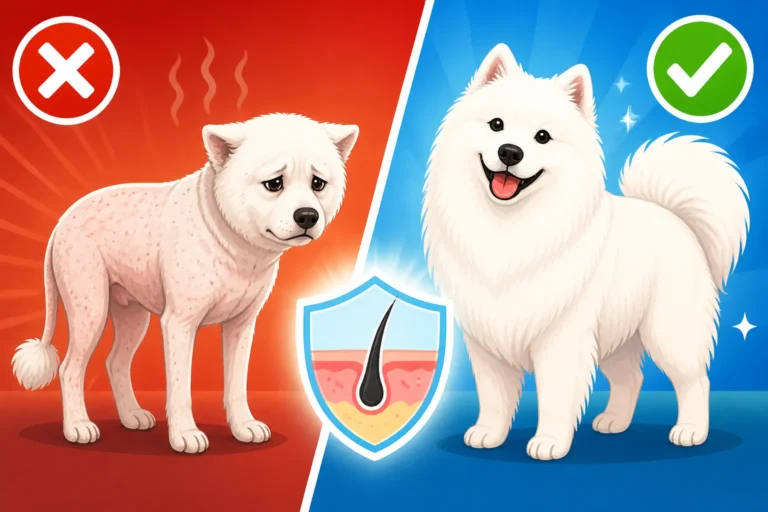
Let's talk about that magnificent coat – the very thing that often draws people to the Samoyed in the first place. It’s a marvel of natural engineering, but it’s crucial to understand its true function. A Samoyed’s coat is a double coat, meaning it has two distinct layers. The outer layer consists of long, coarse guard hairs that are resistant to snow, ice, and dirt. These hairs also reflect sunlight, offering a degree of protection. Beneath this lies a thick, soft, woolly undercoat, incredibly dense and designed to trap warm air close to the body, insulating against the brutal cold of Siberia.
Now, here’s where the dilemma comes in: that same insulating undercoat that keeps them toasty in winter also traps heat in during summer. While there's a common misconception that their coat somehow "cools" them, the primary function of insulation is to maintain a stable body temperature, which means it resists external temperature changes. In hot weather, this means it resists heat escaping. Proper grooming, like regular brushing to remove dead undercoat, helps, but it doesn't change the fundamental physics. A Samoyed's Coat Is Insulation, Not Decoration is a must-read for more on this topic.
Samoyeds Are Not Built for the Tropics
Imagine trying to wear a heavy parka in July – that’s essentially what your Samoyed is doing every day. Their ancestors, the working dogs of the Nenets people, lived in the Arctic regions of Siberia, where temperatures could plummet to -60 degrees Fahrenheit. Their bodies evolved to handle extreme cold, not extreme heat. They have relatively small ears, which minimize heat loss, and that famous "Samoyed smile" isn't just charming; it helps prevent icicles from forming around their mouth, another adaptation for cold.
These adaptations mean that a Samoyed's internal cooling mechanisms are not as efficient as breeds from warmer climates. They rely heavily on panting to exchange heat, but in high humidity, this becomes much less effective. They don't sweat much through their skin like humans do; their primary way to cool down is through their paw pads and respiratory system. This makes them highly susceptible to overheating, which can escalate quickly into a life-threatening situation.
The Hidden Danger of Pavement Temperatures
You might step outside and think, "It's only 75 degrees, that's not too bad!" But what you feel in the air is often dramatically different from what the ground feels like. Asphalt and concrete absorb and retain heat from the sun, reaching scorching temperatures that can quickly burn your Samoyed's sensitive paw pads. Think of it like walking barefoot on hot sand at the beach – it's excruciating.
A common rule of thumb is the "seven-second test": place the back of your hand on the pavement for seven seconds. If it's too hot for your hand, it's too hot for your dog's paws. On a 77-degree day, asphalt can reach 125 degrees Fahrenheit. At 87 degrees, it can hit 143 degrees – hot enough to cause severe burns and blistering in just a few minutes. Even if the air feels mild, the ground could be a dangerous hazard, and your Samoyed doesn't have the luxury of wearing shoes.
The Golden Rule: Early Morning and Late Evening Walks
Given the Samoyed's physiological predispositions and the hidden dangers of hot surfaces, the timing of your walks becomes the single most critical factor in their summer care. There are optimal windows, and then there are times that should be strictly avoided.
Embracing the Dawn Patrol
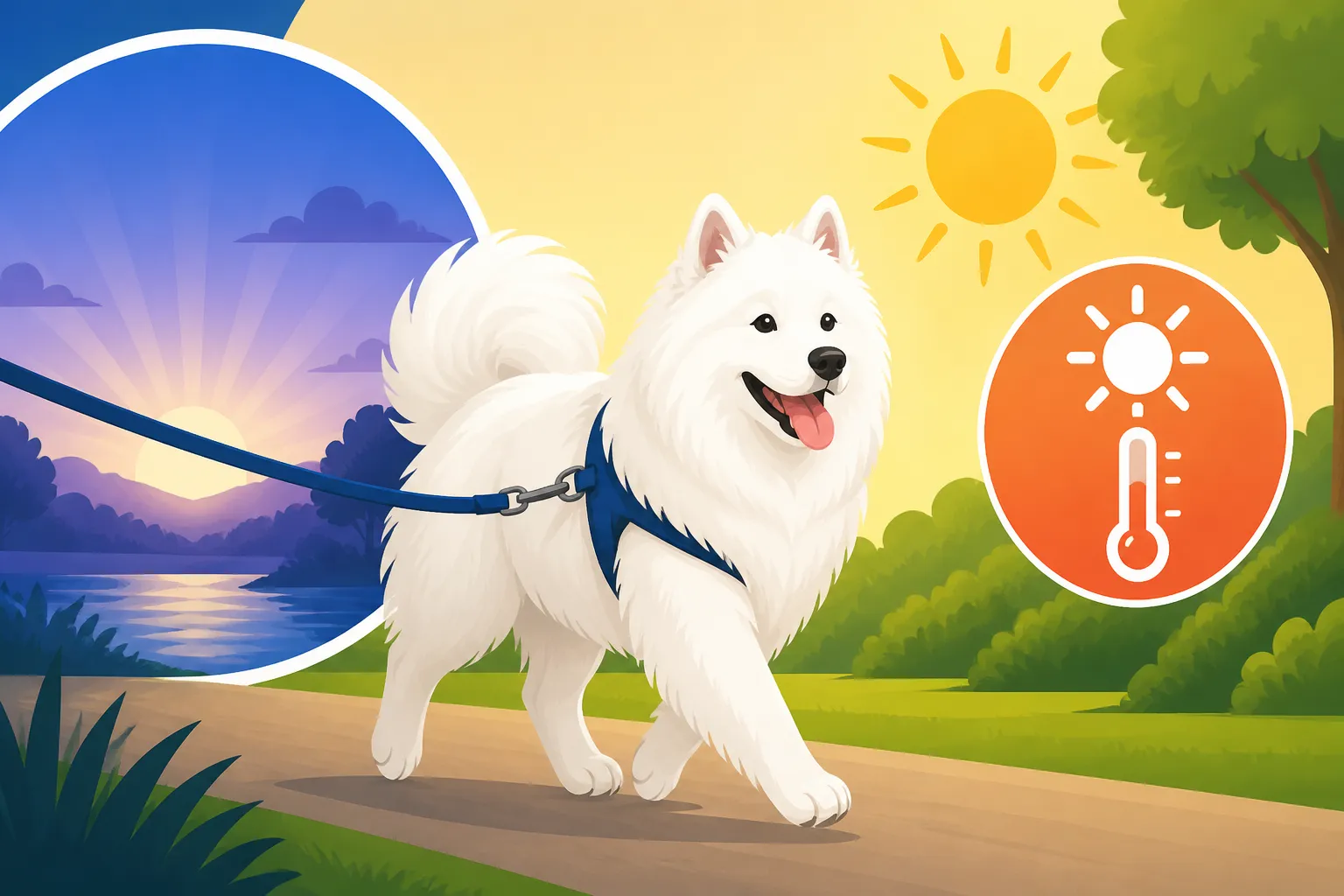
If you want to give your Samoyed the best possible outdoor exercise during summer, you need to become an early riser. The coolest part of the day is typically just before and shortly after sunrise. This is when both the ambient air temperature and, crucially, the ground surfaces like pavement and asphalt have had all night to cool down. You'll find the air is crisp, the sun is not yet beating down intensely, and the ground feels noticeably cooler underfoot.
For many Samoyed owners, this means setting an alarm for 5 or 6 AM, or even earlier in peak summer months. It might sound daunting, but the joy of seeing your Samoyed romp comfortably, coupled with the peacefulness of the morning, often makes it worthwhile. During these early hours, your Samoyed can engage in more strenuous activity, like a brisk walk or a short game of fetch, without the immediate risk of overheating. It’s also often less humid, making panting a more effective cooling method for them. Make sure to carry water for both of you, even during cooler walks, because staying hydrated is always important. Water, Shade and the Summer Plan for a Samoyed has more tips.
The Twilight Trek
The second best window for walking your Samoyed is after sunset, once the sun has dipped below the horizon and the day's heat begins to dissipate. While it generally won't be as cool as the early morning, as pavement and buildings still radiate some residual heat, it's a far safer option than midday. Wait until at least an hour or two after sunset to allow temperatures to drop significantly.
Late evening walks can be a wonderful way to wind down the day together. The air will feel softer, and the ground will be much more forgiving than during the day. However, always remain vigilant. If it’s been an exceptionally hot day, the ground may still retain considerable warmth. Always perform the seven-second hand test on the pavement. These walks are usually better for a leisurely stroll rather than high-intensity exercise. Remember to factor in visibility as well; a reflective vest for yourself and a light-up collar for your Samoyed can be beneficial. Many great options for these safety accessories can be found on sites like Amazon.
Why Midday Walks Are a Big No-Go
This cannot be stressed enough: avoid walking your Samoyed during the hottest parts of the day. This typically spans from late morning, around 10 AM, until late afternoon, often past 5 or 6 PM, depending on your local climate and specific heat index. During these hours, the sun's intensity is at its peak, ambient temperatures are highest, and pavement can become a dangerous, paw-burning surface.
Trying to squeeze in a walk during these times, even a short one, is a huge risk. Your Samoyed’s dense coat will quickly trap heat, their internal temperature will rise rapidly, and the potential for heatstroke becomes incredibly high. Even short bursts of activity, like a quick potty break on hot pavement, can cause painful burns to their paws. It’s far better to keep them indoors, in an air-conditioned environment, or in a heavily shaded, grassy area during these peak heat hours. If they absolutely must go out, keep it to a very brief trip on grass, never on hot pavement, and ensure they have immediate access to shade and water.
Reading the Signs: Recognizing When It's Too Hot for Your Samoyed
Even if you meticulously plan your walks for the coolest parts of the day, it's absolutely vital to remain acutely aware of your Samoyed's behavior and physical condition. They can't tell you in words that they're too hot, and their cheerful "Samoyed smile" can sometimes mask discomfort. Learning to read their signals is a critical skill for any Samoyed owner, especially in summer.
Early Warning Signals
The first signs that your Samoyed is getting uncomfortably warm are often subtle. You might notice them panting more heavily than usual, even if the activity level isn't strenuous. Their tongue might hang out further, and they might start looking for shade, even if the sun isn't particularly strong. They might also slow their pace, lag behind you, or seem less enthusiastic about the walk than usual.
Another key indicator is their gum color. Healthy gums are typically a light, bubblegum pink. If they start to appear a deeper red, it suggests their body is working harder to cool down by increasing blood flow to the surface. Also, pay attention to their breath; it might become hot and heavy. These are all signals that your dog needs to cool down immediately and that your walk needs to end. Ignoring these early signs can quickly lead to a more serious situation. Signs a Samoyed Is Overheating is a great resource to learn more.
Signs of Overheating and Heatstroke
If the early warning signs are missed, or if your Samoyed is exposed to heat for too long, they can rapidly progress to overheating and full-blown heatstroke, which is a medical emergency. The symptoms become much more severe and alarming. You'll likely see extreme, frantic panting that seems uncontrolled, almost gasping for air. Their gums might become very bright red or even purple, indicating a lack of proper oxygenation.
Other critical signs include thick, ropey drool or saliva, often bubbling around their mouth. They might become disoriented, stumbling, or appearing confused. Vomiting and diarrhea are also common as their internal organs begin to shut down. In severe cases, they may collapse, have seizures, or lose consciousness. At this point, time is of the essence, and immediate veterinary intervention is required. This is a life-threatening situation, and it can happen far more quickly than many owners realize, particularly in a breed like the Samoyed.
Immediate Action Steps for a Hot Samoyed
If you suspect your Samoyed is overheating or experiencing heatstroke, you need to act fast. First and foremost, get them out of the heat source immediately. Move them to a shaded, cool area – ideally indoors with air conditioning, or at least under a tree or awning. Offer them cool (not ice cold) water to drink, but don't force it.
Begin cooling them down externally. You can apply cool, wet cloths or towels to their armpits, groin, and neck area, where large blood vessels are close to the surface. You can also spray them gently with cool water, or stand them in a shallow tray of cool water, if available. Crucially, do not use ice water or very cold water, as this can cause blood vessels to constrict, hindering heat loss, and can even send them into shock. Once you've started initial cooling, contact your veterinarian immediately. Even if they appear to recover, heatstroke can cause internal damage that isn't immediately visible, and professional medical attention is essential. Prompt action can save their life. Many online retailers, like Chewy or Amazon, offer various cooling vests and mats that can be helpful for both prevention and emergency cooling. How a Samoyed Should Be Cooled Down offers more practical advice on this.
Beyond Timing: Other Essential Summer Walking Strategies
While walking your Samoyed in the cool early morning or late evening is paramount, there are additional strategies you can employ to make summer outings safer and more enjoyable for your furry friend. These tips can complement your carefully chosen walk times and provide extra layers of protection.
Hydration is Key
This might seem obvious, but it’s easy to forget when you’re rushing out the door. Always, and I mean always, carry water for your Samoyed on any summer walk, no matter how short. A portable dog water bottle with an attached bowl or a collapsible bowl is a fantastic investment. Encourage them to drink frequently, even if they don't seem overly thirsty. Just like humans, by the time they feel thirsty, they are already somewhat dehydrated.
Having water readily available also means you can offer immediate hydration if they start showing signs of being too warm. It’s not just for drinking; a little cool water on their paw pads or belly can also provide some quick relief. Ensuring your Samoyed has constant access to fresh water at home, both indoors and out, is also a non-negotiable part of their summer care.
Choosing the Right Terrain
Even in the cooler hours, the surface you walk on makes a huge difference. Opt for grassy parks, dirt trails, or heavily shaded routes whenever possible. These surfaces do not absorb and retain heat like asphalt or concrete. A walk through a forest trail or a large park with mature trees offers not only cooler ground but also the benefit of natural shade, which can significantly reduce heat exposure.
Avoid sidewalks and roads. If you must walk on pavement for a short stretch, consider dog booties, but introduce them gradually and ensure they fit well and don't cause discomfort or alter their gait. However, booties are not a substitute for proper timing and cooler surfaces. A Samoyed should primarily be walking on natural, soft ground during summer months whenever possible.
Short and Sweet Walks
In summer, even during the coolest times of day, your Samoyed's walks should generally be shorter than their winter counterparts. Instead of an hour-long power walk, aim for multiple shorter, brisk walks. The goal is adequate exercise and mental stimulation without overexertion. A 20-30 minute walk in the early morning might be much more appropriate than trying to push for longer.
Remember, quality over quantity. A shorter walk where they can sniff and explore can be just as enriching, if not more so, than a long, hot slog. If your Samoyed is still bursting with energy, consider breaking up their exercise into several very short bursts throughout the cool periods of the day, rather than one long outing.
Consider Cooling Gear
There are a variety of products on the market designed to help dogs stay cool, and some can be genuinely beneficial for Samoyeds. Cooling vests, bandanas, or collars, often filled with gel or designed to be soaked in water, can provide a significant temperature drop. These work by evaporative cooling or by absorbing heat from the dog's body.
When choosing cooling gear, look for lightweight, breathable materials that don't add bulk to their already dense coat. Ensure they fit well and don’t restrict movement. Brands available on platforms like Chewy and Amazon offer a wide range of options, from simple evaporative bandanas to more advanced cooling coats. Always monitor your dog to ensure they are comfortable with the gear and that it's actually providing relief.
Alternatives to Traditional Walks
Sometimes, even the early morning is just too hot or humid for a traditional walk. On those days, it's crucial to have alternative ways to exercise and stimulate your Samoyed. Indoor playtime can be surprisingly effective. Think about fetch in a long hallway, training sessions with new tricks, or using puzzle toys and snuffle mats to engage their minds.
If you have access to a safe, shallow body of water and your Samoyed enjoys swimming, it can be an excellent low-impact way to cool down and get exercise. Make sure the water is clean, free of strong currents, and that you supervise them closely. For Samoyeds that aren't keen swimmers, a simple kiddie pool filled with a few inches of water in a shaded yard can offer a refreshing place to splash and cool their paws. Remember, Whether a Samoyed Should Walk in Summer is a question that depends entirely on your preparation and local conditions.
| Air Temperature (F) | Pavement Temperature (F) | Risk Level for Paws | Action Required |
|---|---|---|---|
| 77°F (25°C) | 125°F (52°C) | High | Very risky; short walks only on grass/shade. |
| 87°F (30°C) | 143°F (62°C) | Extreme | Avoid pavement entirely; indoor only if possible. |
| 90°F+ (32°C+) | 150°F+ (65°C+) | Severe Burn | Absolutely no outdoor walks on pavement. |
| Under 70°F (21°C) | Varies, generally safe | Low | Test with hand, but generally safer for paw pads. |
Disclaimer
This article is for general informational purposes only and does not constitute professional advice. Laws, prices and regulations vary by location and change over time. Consult a qualified professional for guidance on your specific situation.