Whether Pavement Burns a Samoyed’s Pads
It's a beautiful, sunny day, and the thought of taking your fluffy Samoyed out for a joyful walk crosses your mind. But then you look down at that dark, shimmering asphalt, and a wave of worry washes over you. You're absolutely right to pause and consider the temperature of the pavement; that seemingly innocuous surface can become incredibly hot, reaching temperatures that can severely burn your Samoyed's delicate paw pads. This guide is here to help you understand the risks, recognize the signs of trouble, and implement practical strategies to keep your Samoyed's paws safe and sound all year round.
Why Pavement Gets So Dangerously Hot
It's easy to forget just how much heat blacktop and other hard surfaces can absorb and retain. While we humans wear shoes that offer protection, our Samoyeds are walking barefoot, and their paw pads, while tougher than our skin, are still susceptible to extreme temperatures. Their magnificent double coat, which protects them from the bitterest cold and even insulates them from heat on their bodies, does absolutely nothing to shield their sensitive paw pads.
The Science of Surface Temperatures
Think about stepping barefoot on a black asphalt driveway in the middle of a summer afternoon. Ouch, right? Your Samoyed feels that exact same intense heat. Darker surfaces, like asphalt, absorb and store solar radiation far more effectively than lighter surfaces or natural ground cover like grass and soil. This means they heat up much faster and stay hotter for longer, even after the sun has begun to dip. The heat doesn't just sit there; it radiates upwards, turning a simple walk into a potentially painful ordeal for your furry friend. Even concrete, which might seem cooler, can reach scorching temperatures, though usually not as quickly or intensely as asphalt.
Beyond the Air Temperature
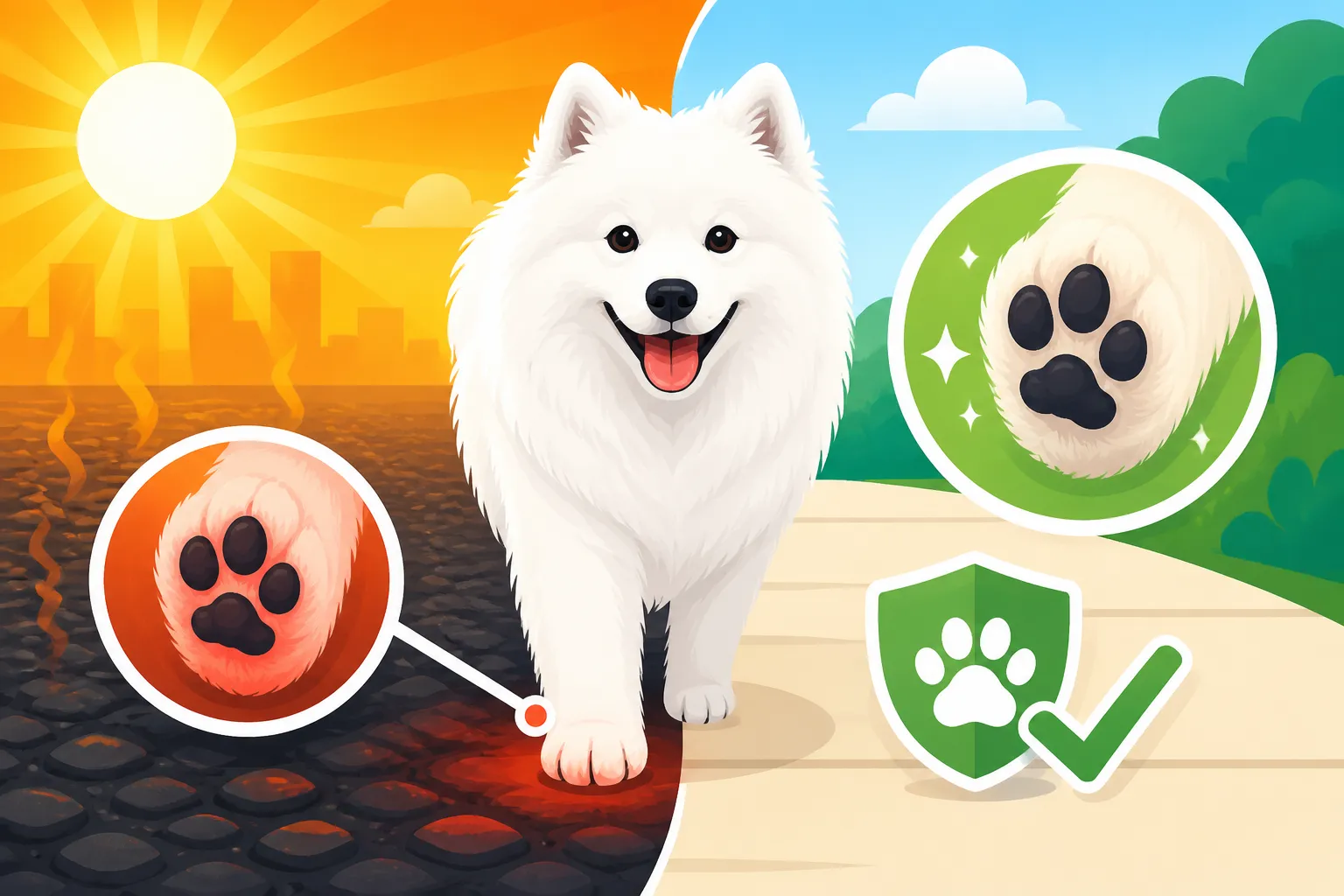
Here's the critical point: the air temperature you see on your weather app is almost never the actual temperature of the ground your Samoyed is walking on. On a day that feels perfectly pleasant to you, say 75-80 degrees Fahrenheit, the pavement could easily be 120-130 degrees or even hotter. This is more than enough to cause blisters and burns on paw pads within minutes. The ground acts like a griddle. Factors like direct sunlight, the absence of wind, and the type of material all contribute to how quickly and severely the surface temperature escalates. This is why you might feel comfortable, but your Samoyed is practically walking on hot coals. It's a silent threat that many well-meaning owners overlook.
Recognizing the Signs of Burned Paw Pads
Knowing the danger is one thing, but knowing what to look for if you suspect your Samoyed's paws have been burned is another. Samoyeds, with their stoic nature and ever-present "smile," can be incredibly good at hiding discomfort or pain. This means you need to be extra vigilant and proactive in checking their paws, especially after a walk on a questionable surface. You might be surprised to learn that How a Samoyed Hides Illness Behind a Smile is a very real characteristic, extending even to minor injuries.
The Five-Second Rule
This is perhaps the simplest and most effective way to gauge pavement temperature. Before you ever ask your Samoyed to step onto a hard surface, place the back of your hand or your bare foot flat on the pavement for five full seconds. If you can't comfortably hold it there for the entire count, it's too hot for your Samoyed's paws. It's a quick, free, and incredibly important test that could save your beloved companion from a lot of pain. Make this a habit every time you consider taking a summer stroll. It takes mere seconds, but the peace of mind it offers is invaluable.
Visual and Behavioral Clues
Even if you've been careful, sometimes accidents happen, or the pavement temperature rises unexpectedly. You need to be able to spot the signs of paw pad burns.
Look for these visual indicators on their paw pads:
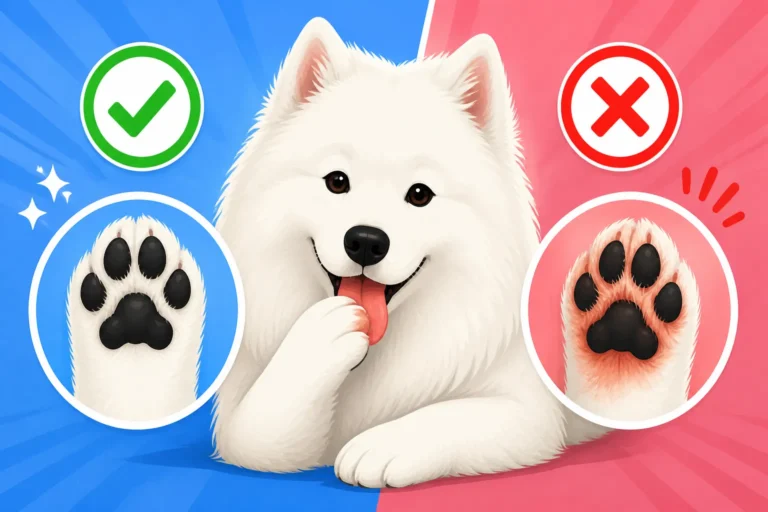
- Redness or Darkening: The pads might appear unusually red or, in severe cases, dark brown or black.
- Blisters: Small or large fluid-filled sacs on the pads are a clear sign of a burn. These are very painful.
- Missing Patches of Skin: In severe cases, parts of the pad might be peeling or completely sloughed off, exposing raw tissue underneath.
- Swelling: The pads and surrounding areas might look puffy or inflamed.
Beyond what you can see, observe your Samoyed's behavior:
- Limping or Favoring Paws: They might be hesitant to put weight on one or more paws, or they might walk with an altered gait.
- Excessive Licking or Chewing: If they're constantly licking, biting, or gnawing at their paws, it's a strong indication of pain or irritation.
- Reluctance to Walk: Your normally eager Samoyed might suddenly refuse to walk, or try to stay on grassy patches.
- Vocalization: While Samoyeds hide pain well, if they whimper or cry when you touch their paws, it's a serious sign.
- Anxiety or Restlessness: They might pace, unable to settle, due to the discomfort.
Don't underestimate these signs. A Samoyed might tolerate quite a bit before showing obvious distress, so even subtle changes warrant immediate attention.
Preventing Pavement Burns: Practical Strategies
The best approach, as with most things, is prevention. By making a few adjustments to your routine and considering some protective measures, you can ensure your Samoyed enjoys their walks without any risk of singed paws. It's all about being mindful of their environment, especially during the warmer months, as a Samoyed is A Samoyed Built for Sixty Below in an American Summer and needs extra consideration.
Timing Your Adventures
This is probably the easiest and most impactful change you can make. Avoid walking your Samoyed during the hottest parts of the day. For most regions, this means skipping midday and early afternoon walks.
- Early Morning Walks: Aim for sunrise or shortly thereafter. The pavement has had all night to cool down, and the sun hasn't had a chance to bake it yet. The air is crisp, and it's generally a more pleasant experience for both of you. This aligns perfectly with How Early a Samoyed Should Be Walked in Summer.
- Late Evening Walks: Once the sun has set and the ambient temperature has dropped significantly, the pavement will also begin to cool. Give it a few hours after sundown to ensure it's truly safe. This can be a lovely time for a leisurely stroll.
- Rainy Days: A light rain can cool pavement dramatically, making it a safer option for walks if the weather isn't too severe.
Remember, even on cooler days, direct sunlight can still heat pavement to dangerous levels, so the five-second rule is always your go-to. If you frequently find yourself wondering Whether a Samoyed Should Walk at Midday, the answer is almost always no in warm weather.
Choosing Your Terrain Wisely
Not all surfaces are created equal when it comes to heat retention. Be strategic about where you walk your Samoyed.
- Embrace the Green: Grass, dirt trails, and shaded park paths are your best friends in warm weather. These natural surfaces don't absorb heat like asphalt or concrete and provide a much cooler, softer experience for your Samoyed's paws. Seek out trails in wooded areas or large parks with plenty of tree cover.
- Stay in the Shade: If you must walk on pavement, stick strictly to the shaded side of the street. Even a narrow strip of shade can offer a significant reprieve from the sun-baked surface. However, always double-check with the five-second rule, as heat can still radiate from nearby sunny areas.
- Avoid Roads and Parking Lots: These are typically the hottest surfaces and should be avoided entirely during peak heat. Think about the last time you parked your car in a large, open lot in July – the heat rising off it is intense.
Remember that Water, Shade and the Summer Plan for a Samoyed is crucial for their overall well-being, and choosing cool surfaces is a big part of that plan.
Protective Gear and Products
Sometimes, despite your best efforts, walking on some warmer surfaces is unavoidable, or perhaps you're out for an adventure where natural paths are limited. This is where paw protection comes in handy.
- Dog Booties: These are the most direct form of protection. High-quality dog booties create a barrier between your Samoyed's paws and the hot ground. Brands like Ruffwear or Muttluks offer durable options that stay on well and provide excellent insulation. It might take some time for your Samoyed to get used to them – they often walk a bit funny at first! Practice wearing them indoors for short periods before venturing outside. You can find a good selection of these on sites like Amazon or Chewy.
- Paw Wax/Balm: Products like Musher's Secret or other paw balms can create a protective layer on the paw pads. While they don't offer the same complete thermal barrier as booties, they can help moisturize, condition, and provide a slight defense against minor abrasions and some heat. They are also excellent for preventing cracking and dryness. Apply them liberally before walks and after to keep paws healthy. These are easily found on Chewy or at your local pet supply store.
- Cooling Mats: While not for walking, having a cooling mat at home can be a great way to help your Samoyed cool down after a walk, or simply to provide a cool spot indoors. You can find various types of cooling mats on Amazon. Whether a Samoyed Needs a Cooling Mat is definitely something to consider for hot climates.
Here's a quick comparison of various walking surfaces:
| Surface Type | Heat Retention (Relative) | Recommended for Warm Weather | Notes |
|---|---|---|---|
| Asphalt (Blacktop) | Very High | No | Heats up quickly, retains heat for hours, can cause severe burns. |
| Concrete | High | No (with caution) | Absorbs heat, but less intensely than asphalt. Still dangerous on sunny days. |
| Sandy Beaches | Moderate to High | No (with caution) | Sand can get very hot, check for sharp shells. Water can provide relief. |
| Grass | Low | Yes | Best option. Provides natural cooling and soft cushion. |
| Dirt/Forest Trails | Low to Moderate | Yes | Good alternative, especially if shaded. Watch for sharp rocks or debris. |
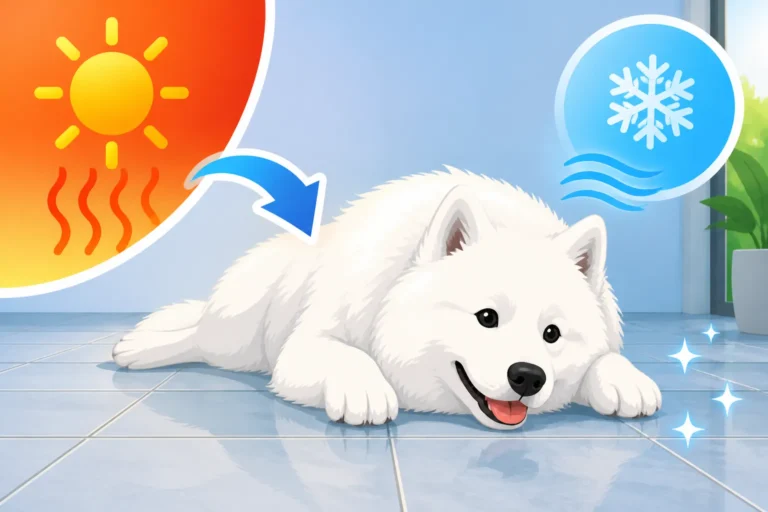
| Indoor Tile | Very Low | Yes | Excellent for cooling down paws indoors. |
What to Do if Your Samoyed's Pads Get Burned
Despite your best efforts, sometimes burns can happen. If you suspect your Samoyed has burned paw pads, immediate action is crucial to minimize pain and prevent further damage or infection. Don't delay!
Immediate First Aid
Your first priority is to get your Samoyed off the hot surface immediately and cool their paws down gently.
- Remove from Heat Source: Carry your Samoyed, if possible, or guide them very carefully to a cool, shaded area like a patch of grass or indoors.
- Cool the Paws: Gently rinse their paws with cool (not ice-cold) water for several minutes. A hose on a gentle setting, a cool damp cloth, or even standing them in a shallow basin of cool water works. Avoid rubbing the pads, as this can worsen the injury. The goal is to dissipate the heat, not shock the tissue.
- Check for Severity: Once cooled, carefully examine each paw pad. Look for redness, swelling, blisters, or any missing skin. If the burns appear mild (slight redness, no blisters), you can apply a thin layer of an antiseptic cream safe for dogs (like Vetericyn or a topical antibiotic ointment your vet has approved). Do not use human burn creams without veterinary consultation.
- Prevent Licking: Your Samoyed will instinctively want to lick their painful paws. Licking introduces bacteria and can lead to infection. Put an Elizabethan collar (e-collar or "cone of shame") on them immediately to prevent this.
When to See the Vet
While minor redness might resolve with home care, many paw pad burns require professional veterinary attention.
- Blisters or Open Wounds: Any blisters, peeling skin, or open sores on the paw pads indicate a second-degree or third-degree burn and absolutely warrant a vet visit. These are highly prone to infection and require proper wound care and potentially pain medication.
- Severe Pain or Limping: If your Samoyed is severely limping, refusing to put weight on a paw, or vocalizing in pain, get them to the vet.
- Signs of Infection: If you notice pus, a foul odor, increased redness, or continued swelling after initial cooling, it could be an infection setting in. Your vet can prescribe antibiotics if needed.
- Uncertainty: When in doubt, always call your veterinarian. It’s better to be safe than sorry, especially with paw pad injuries that can be slow to heal and prone to complications. They can properly assess the burn depth and recommend the best course of action.
Home Care and Recovery
If your vet advises home care for minor burns or after initial treatment, focus on keeping the paws clean, protected, and allowing them to heal.
- Keep Paws Clean and Dry: Follow your vet's instructions for cleaning the wounds. This might involve gentle antiseptic washes. Ensure the paws stay dry to promote healing.
- Protective Bandages: Your vet might apply bandages, or instruct you on how to do so. These protect the healing pads from dirt and further injury. Change them as directed.
- Restrict Activity: Limit walks to short, potty breaks on soft, clean surfaces like grass. Avoid any rough play or long walks that could stress the healing pads. Keep your Samoyed as quiet as possible. This is particularly important for dogs like Samoyeds who might still have a lot of energy.
- E-Collar is Key: Continue using the e-collar to prevent licking, which is the biggest enemy of healing paw pads. Even a few minutes of licking can undo hours of careful wound care.
- Pain Management: Your vet might prescribe pain medication to keep your Samoyed comfortable during the healing process. Follow dosage instructions carefully.
Paw pad burns can take several weeks to fully heal, depending on their severity. Be patient, vigilant, and consistent with their care. Once healed, continue to be extra cautious about pavement temperatures to prevent recurrence. Keeping a close eye on Signs a Samoyed Is Getting Old also means recognizing that older Samoyeds might be less agile and more susceptible to injury, including paw burns.
Disclaimer
This article is for general informational purposes only and does not constitute professional advice. Laws, prices and regulations vary by location and change over time. Consult a qualified professional for guidance on your specific situation.