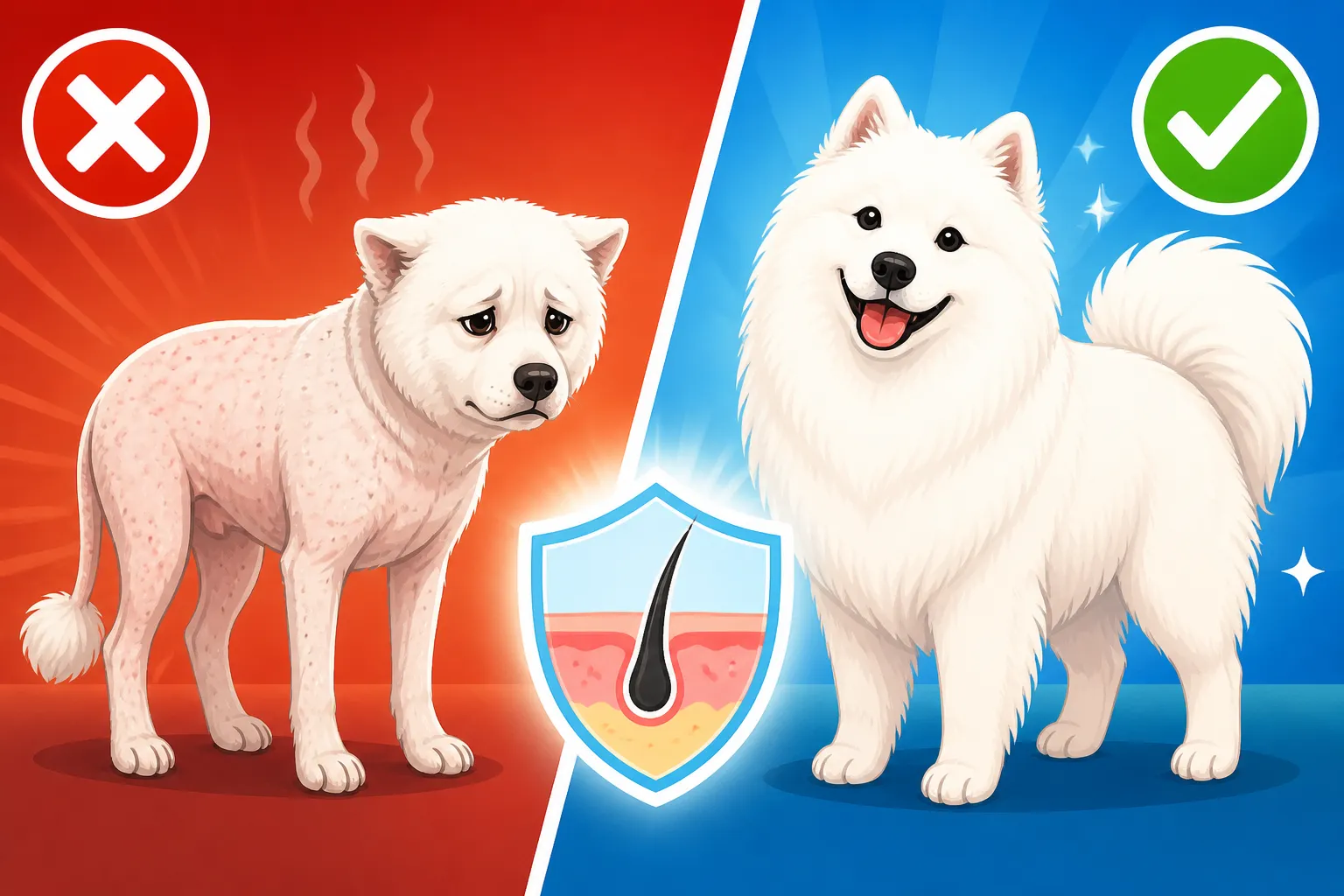
Why a Samoyed Must Never Be Shaved
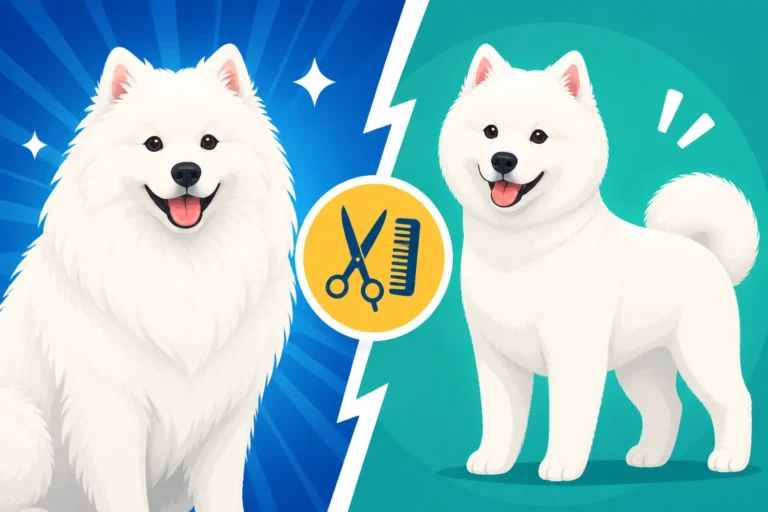
Oh, the age-old question, or perhaps more accurately, the age-old mistake: should I shave my Samoyed? It's a common thought that pops into many a Samoyed owner's head, especially when summer heats up and you see your fluffy friend panting. We naturally think, "Too much fur, too hot!" and imagine a sleek, cool pup underneath all that fluff. But I'm here to tell you, with all the empathy in the world for that well-meaning impulse, that shaving a Samoyed is one of the worst things you can do for their comfort and health. This guide is going to walk you through exactly why that seemingly logical solution is actually detrimental, and what you should be doing instead to keep your beautiful cloud dog happy and cool.
Understanding the Samoyed's Magnificent Double Coat
To truly grasp why shaving is a no-go, we need to appreciate the incredible design of a Samoyed's coat. It’s not just fur; it’s a highly evolved, multi-functional system that’s been perfected over thousands of years in some of the harshest climates on Earth. Think of it less as a blanket and more as a sophisticated climate control unit.
The Engineering Marvel: Guard Hairs and Undercoat
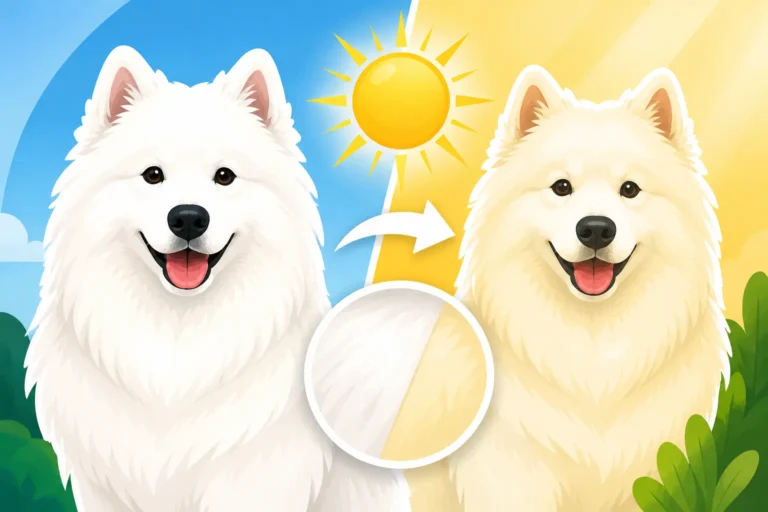
A Samoyed possesses what is known as a "double coat," a hallmark of many northern breeds. This isn't just one layer of hair; it's two distinct layers, each with its own crucial job. The outer layer consists of long, coarse, straight hairs known as guard hairs. These are like the roof tiles of a house: they repel water, shed dirt, and protect the delicate undercoat from damage and the skin from the elements. They also reflect sunlight, preventing the sun's rays from penetrating directly to the skin.
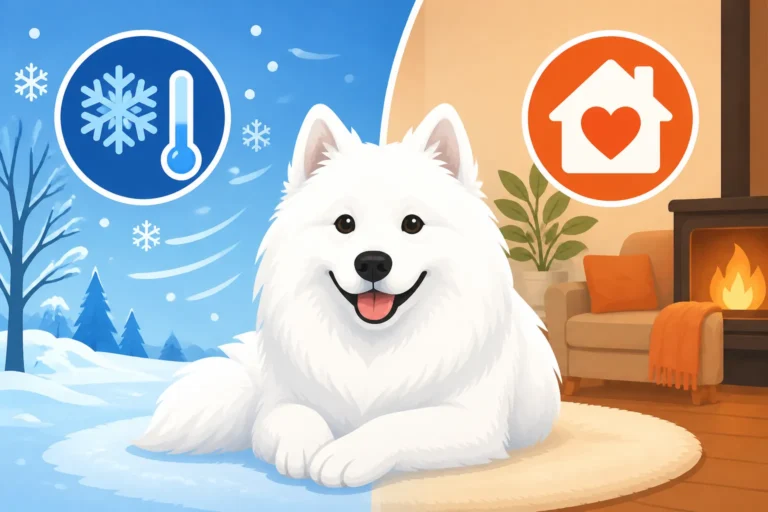
Beneath these impressive guard hairs lies the incredibly dense, soft, woolly undercoat. This undercoat is truly where the magic happens for temperature regulation. It's packed with thousands upon thousands of fine hairs that trap air. In winter, this trapped air warms up, creating an insulating layer that keeps the Samoyed toasty even in sub-zero temperatures. In summer, it works in reverse, keeping cool air trapped against the skin and preventing external heat from reaching the body, effectively insulating against warmth. It's truly a marvel of natural engineering, finely tuned for survival.
How the Double Coat Regulates Temperature Summer and Winter
Many people assume that a thick coat automatically means a dog is hot, but for a Samoyed, it's actually the opposite when properly maintained. In winter, as mentioned, the undercoat traps warm air close to the body, acting like a built-in down jacket. This is why you often see them happily romping in the snow, impervious to the cold that would have us shivering. A Samoyed Built for Sixty Below in an American Summer explains this further.
In the summer, the guard hairs and undercoat work together to prevent heat absorption. The light color of most Samoyeds also helps reflect sunlight. More importantly, the undercoat creates an air barrier, preventing the sun's heat from reaching the skin directly. It’s like having a layer of shade that moves with them. When a Samoyed sheds its undercoat (a process known as "blowing coat"), it's naturally thinning out this insulating layer to adapt to warmer weather, but it never removes the vital protective elements entirely. This natural shedding is critical for Why a Samoyed's Coat Insulates Against Heat as Well as Cold.
The Immediate Dangers of Shaving a Samoyed
When you shave off that intricate, natural system, you're not just removing hair; you're dismantling their built-in climate control and protective barrier. The consequences can be immediate and severe, making your dog less comfortable and more vulnerable.
Overheating and Heatstroke: The Ironic Consequence
The most ironic and dangerous consequence of shaving a Samoyed is that it makes them more susceptible to overheating, not less. Without their protective outer guard hairs, their delicate skin is directly exposed to the sun's harsh rays. This exposure rapidly increases their core body temperature. The undercoat, which normally acts as an insulating barrier against heat, is gone, meaning there's nothing to keep the outside heat from penetrating.
Imagine living in a desert without a tent or shade. You'd quickly succumb to the sun. For a Samoyed, their coat is that tent. Removing it means their body has to work much harder to cool itself, which can lead to rapid panting, lethargy, and in severe cases, dangerous heatstroke. Many well-meaning owners shave their Samoyed to "help" them in the summer, only to find their dog struggling even more and ending up at the emergency vet. This is a critical point that emphasizes A Samoyed's Coat Is Insulation, Not Decoration.
Sunburn and Skin Damage: Losing Natural Protection
Beyond overheating, a shaved Samoyed's skin is completely vulnerable to sunburn. Just like human skin, canine skin can burn, leading to pain, redness, peeling, and an increased risk of skin cancer. The guard hairs usually provide a dense shield, blocking harmful UV rays. When these are gone, especially on a light-skinned Samoyed, their skin is fair game for the sun.
This isn't just a minor discomfort; severe sunburn can be incredibly painful for your dog, much like a terrible burn on yourself. Repeated exposure can lead to chronic skin problems. A Samoyed’s natural coat is designed to protect every inch of their skin, and once that protection is removed, they are left exposed to the very elements they were bred to withstand.
Increased Risk of Skin Infections and Irritations
The Samoyed's coat also acts as a physical barrier against external irritants. When shaved, their skin is directly exposed to allergens like pollen, grass, and dust, as well as insects like mosquitoes, fleas, and ticks. Without the protective buffer of their dense fur, bug bites can cause more irritation, and skin allergies can flare up more easily and severely.
Furthermore, the shaving process itself can sometimes cause clipper burn, particularly on sensitive areas or if the groomer isn't experienced with double-coated breeds. Even if no immediate burn occurs, the exposed skin is more prone to environmental irritants, leading to itching, scratching, and potential secondary bacterial or yeast infections. This can escalate quickly, turning a well-intentioned shave into a lengthy and uncomfortable veterinary ordeal for your beloved Samoyed. Whether a Samoyed Gets Hot Spots Under Its Coat can happen if the skin is irritated.
Long-Term Damage to the Samoyed's Coat and Skin Health
The problems don't stop once the immediate dangers are avoided. Shaving can have lasting, detrimental effects on the coat's structure and the underlying skin, impacting its health for years to come, or even permanently.
Permanent Coat Changes: "Clipping Alopecia"
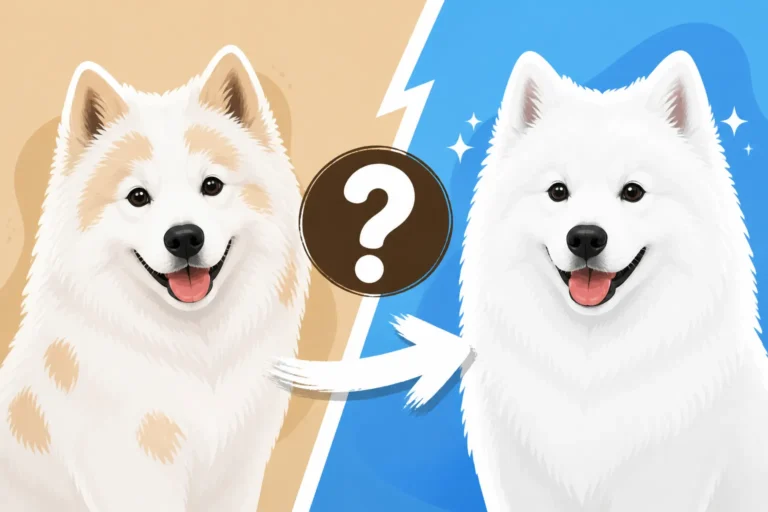
One of the most heartbreaking consequences of shaving a Samoyed is the potential for permanent coat damage, often referred to as "clipping alopecia" or "post-clipping alopecia." After being shaved, the beautiful, luxurious double coat may not grow back correctly. What often returns is a patchy, uneven, or "cottony" coat that lacks the original texture and density. The guard hairs, which are slower to grow and have a different texture than the undercoat, may struggle to return, leaving behind only the softer, fuzzier undercoat.
This can result in a coat that is less effective at regulating temperature, prone to matting, and no longer possesses its natural water-repelling qualities. In some cases, parts of the coat may never grow back at all, leaving bald spots or areas of thin, unhealthy fur. This permanent alteration is not just a cosmetic issue; it's a functional impairment that compromises the Samoyed's natural protective system.
Altered Shedding Cycles and Persistent Matting
You might think shaving would reduce shedding, but it actually messes with the natural shedding cycle in a very unhelpful way. When the coat is shaved, the undercoat often grows back faster than the guard hairs, and it can grow in thicker and coarser than before. This new, altered growth pattern makes the coat even more prone to matting right down to the skin, which can be incredibly painful for the dog and difficult for owners to manage. Instead of the relatively manageable seasonal "coat blow" of a healthy Samoyed, you could face chronic, severe matting that requires even more aggressive grooming and potentially professional intervention.
This isn't the kind of shedding relief you're looking for. Instead of shedding loose undercoat naturally, the shaved undercoat can become a tangled nightmare that traps debris and moisture, leading to skin issues. It's a vicious cycle where a shaved coat ironically becomes harder to maintain in the long run, and you'll find yourself battling mats where you might not have before.
Loss of Natural Dirt and Water Repellency
The coarse outer guard hairs of a Samoyed's coat are a natural marvel when it comes to keeping them clean and dry. These hairs are designed to shed dirt, repel water, and prevent mud from caking onto the undercoat and skin. It’s why a Samoyed can often go from looking like a mud monster to sparkling white after their fur dries and the dirt just falls off.
When these guard hairs are shaved off, this natural repellency is lost. Water soaks straight through to the skin, making them prone to getting wet and staying wet, which can lead to chills in cold weather or skin problems in warm, humid conditions. Dirt and debris will cling directly to the softer, exposed undercoat, making your Samoyed perpetually grimy and much harder to clean. What was once a self-cleaning, weather-resistant coat becomes a sponge for everything unpleasant.
Common Misconceptions About Shaving for Heat Relief
Let's address the persistent myths that drive well-meaning Samoyed owners to consider shaving in the first place. These ideas, while logical at first glance, simply don't align with how a Samoyed's coat actually works.
The Myth of a "Cooler" Shaved Samoyed
This is perhaps the most widespread misconception. Owners genuinely believe that by removing all that fur, their Samoyed will feel cooler and be more comfortable in the summer heat. The reality, as we’ve discussed, is precisely the opposite. The double coat acts as insulation against both cold and heat. Think of it like a thermos: it keeps hot things hot and cold things cold. Your Samoyed's coat keeps their body temperature stable, protecting them from external extremes.
When you shave this protective layer, you expose their skin directly to the scorching sun, allowing their body temperature to rise rapidly. They lose the air barrier that helps dissipate heat and prevent sunburn. A shaved Samoyed often feels hotter to the touch because their skin is absorbing direct heat. Their internal cooling mechanisms (like panting) are still working overtime, but without the external aid of their coat, they are fighting a losing battle against the sun and ambient heat.
Believing Shaving Reduces Shedding
Another popular myth is that shaving will somehow "solve" the shedding problem. Oh, if only it were that simple! Samoyeds are notorious for their magnificent shedding, especially during their biannual "coat blow," where they shed huge amounts of undercoat. When a Samoyed Blows Its Coat is a significant event. While shaving does remove the existing hair, it doesn't stop your Samoyed's hair follicles from producing new hair. In fact, it can make the shedding worse and much harder to manage.
When a Samoyed is shaved, the remaining hair is often shorter and stubbier, and the undercoat may grow back coarser and denser than before. This new growth can become easily tangled and matted, making it more challenging for loose hair to release naturally. Instead of fluffy clumps that you can easily brush out, you might end up with short, bristly hair everywhere that embeds itself in carpets and furniture even more stubbornly. True shedding management comes from consistent, proper grooming, not from radical coat removal.
Effective Alternatives to Shaving for Samoyed Comfort
So, if shaving is out, what can you do to ensure your Samoyed is comfortable, especially in warmer weather? The good news is there are plenty of effective, coat-friendly strategies that work with their natural physiology, not against it.
Regular and Thorough Grooming: The Real Solution
The absolute best thing you can do for your Samoyed’s comfort and coat health, particularly in warm weather or during a coat blow, is consistent and thorough grooming. This means brushing, brushing, and more brushing! Using the right tools, like a good quality slicker brush and an undercoat rake, is key. These tools help remove loose undercoat, allowing for better air circulation close to the skin. How Often a Samoyed Needs Brushing is a common question, and the answer is: often!
During a major coat blow, daily brushing might be necessary. A high-velocity force dryer, which you can find on sites like Amazon or Chewy, is an invaluable tool for Samoyed owners. It blows out loose undercoat that brushing alone can't reach, and it helps ensure the coat is completely dry after baths. Getting rid of that dead, trapped undercoat is what truly helps their natural cooling system work efficiently, without compromising the integrity of their guard hairs. If you don't have a force dryer, consider a professional groomer who does – it's worth the investment for their comfort.
Providing Environmental Cooling
Beyond coat care, focusing on environmental cooling is crucial for a Samoyed. This involves creating a cooler living space for them, especially during peak heat hours. Air conditioning is a lifesaver for Samoyeds in warmer climates, making a significant difference in their daily comfort. You can read more about What Air Conditioning Adds to a Samoyed Household. For times when AC isn't enough or they're outside, strategically placed fans can provide relief.
Cooling mats, which often contain gel that activates with pressure, can be a wonderful resource for them to lie on. Ensure they always have access to fresh, cool water, potentially adding ice cubes to their bowl on particularly hot days. A kiddie pool with a few inches of water can also be a fantastic way for them to cool their paws and bellies, allowing them to self-regulate their temperature through evaporative cooling. Never underestimate the power of shade – outdoor time should always involve a shady spot.
Hydration and Exercise Management
Proper hydration is paramount for any dog, but especially for double-coated breeds managing heat. Always provide ample fresh, cool water. If your Samoyed is reluctant to drink, consider adding a little unsalted broth to their water, or offering ice cubes as treats. You want to encourage them to drink regularly to support their internal cooling processes.
Exercise needs to be carefully managed when temperatures rise. Avoid walks during the hottest parts of the day – early mornings and late evenings are much safer. Keep walks shorter and less strenuous, opting for shade whenever possible. Pay close attention to your Samoyed's breathing and energy levels. Excessive panting, lagging behind, or seeking shade urgently are all signs they might be overheating. Whether a Samoyed Should Walk in Summer is a critical consideration for any owner. Knowing How a Samoyed Should Be Cooled Down quickly in an emergency is also vital. These proactive steps, combined with diligent grooming, will keep your Samoyed far happier and healthier than any shave ever could.
| Feature | Shaving a Samoyed | Proper Grooming (Brushing, Force Drying) |
|---|---|---|
| Immediate Comfort | Appears cooler, but often leads to overheating | Improves air circulation, truly helps cooling |
| Sun Protection | None; high risk of sunburn & skin cancer | Excellent; guard hairs protect from UV rays |
| Skin Health | Increased risk of irritation, infections, bug bites | Healthy skin, protected from elements and irritants |
| Coat Quality | Risk of permanent damage, patchy regrowth, cottony texture | Maintains natural texture, density, and beauty |
| Shedding Control | Doesn't stop shedding; may make it worse & harder to clean | Effectively removes loose undercoat, reduces household fur |
| Water/Dirt Repellency | Lost; coat soaks up water and dirt | Maintained; naturally sheds dirt and repels water |
| Long-Term Health | Compromises natural thermoregulation and protection | Supports natural defenses and overall well-being |
Disclaimer
This article is for general informational purposes only and does not constitute professional advice. Laws, prices and regulations vary by location and change over time. Consult a qualified professional for guidance on your specific situation.