Signs a Samoyed’s Thyroid Has Failed
It's incredibly frustrating when your beautiful, smiling Samoyed starts to act "off" but you can't quite put your finger on what's wrong. You know your dog better than anyone, and those subtle shifts can be a huge worry. This comprehensive guide is here to walk you through the many signs that could indicate your Samoyed's thyroid isn't functioning correctly, helping you understand what to look for and when to talk to your vet.
Understanding Hypothyroidism in Samoyeds
Hypothyroidism, in simple terms, means your Samoyed's thyroid gland isn't producing enough thyroid hormones. These hormones are absolutely critical because they regulate metabolism in virtually every cell of the body. Think of them as the master switch for energy, growth, and repair. When that switch isn't fully on, things start to slow down and go awry in ways that can be really difficult to pinpoint at first. It's not like a broken leg where the problem is obvious; thyroid issues creep up insidiously, often mimicking other less serious conditions. Many owners initially dismiss symptoms as just "getting older" or a phase, especially since Samoyeds are often so stoic and good at masking discomfort, a trait we discuss in depth in our article on How a Samoyed Hides Illness Behind a Smile.
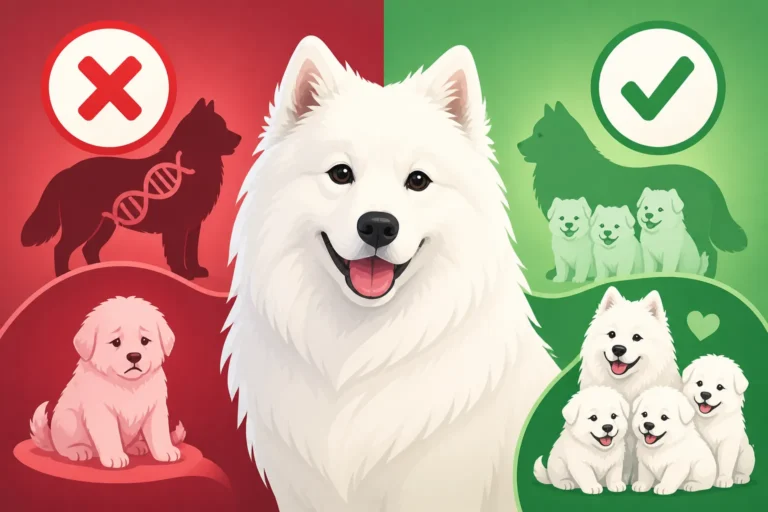
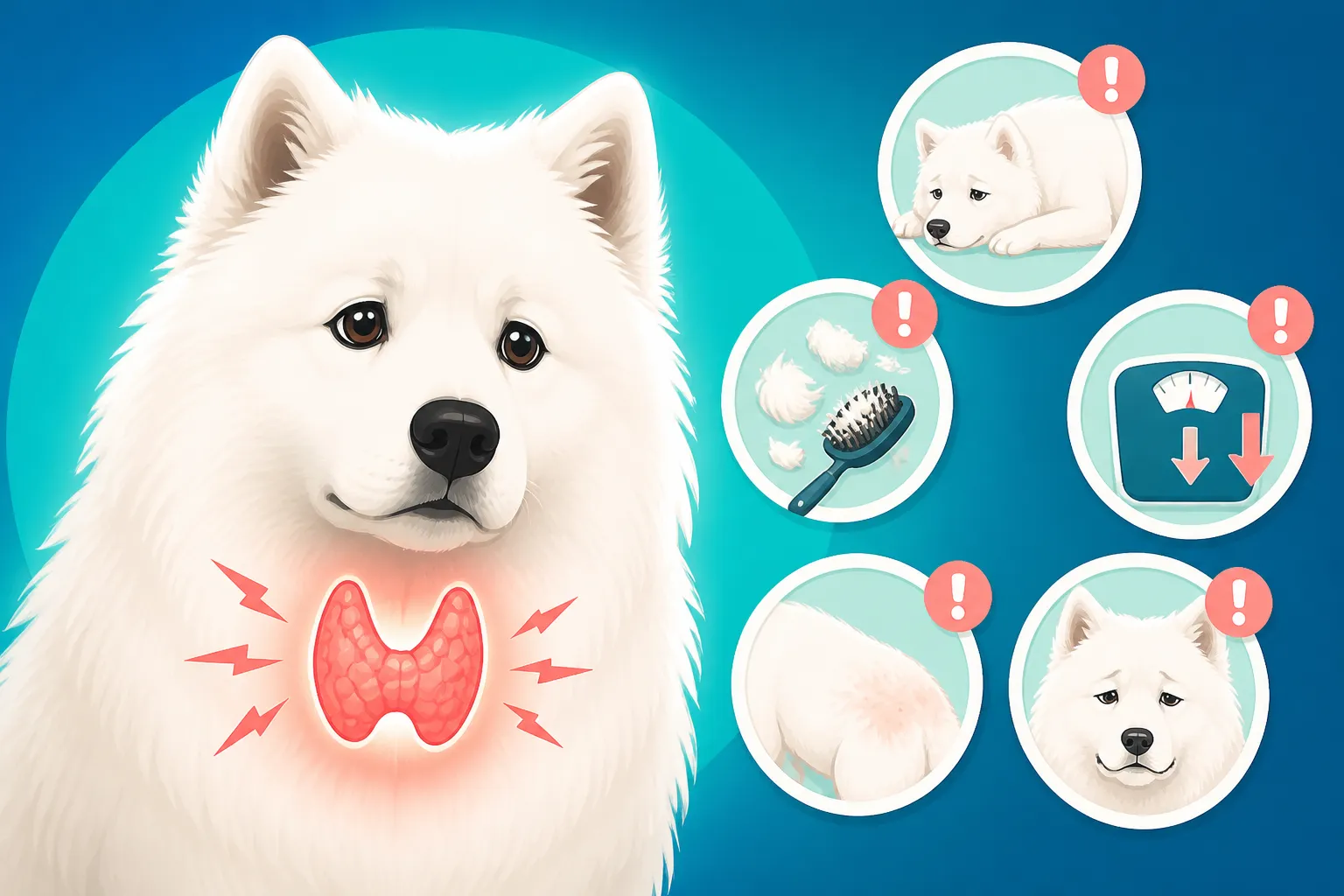
The thyroid gland itself is a small, butterfly-shaped organ located in your dog's neck, near the trachea. Its primary job is to produce two key hormones: thyroxine (T4) and triiodothyronine (T3). These hormones are responsible for everything from heart rate and body temperature regulation to skin health, hair growth, and even brain function. When their levels drop, it affects everything. In Samoyeds, as with many purebred dogs, there can be a genetic predisposition to autoimmune thyroiditis, where the dog's own immune system mistakenly attacks and destroys the thyroid gland. This is the most common cause of hypothyroidism in dogs, accounting for over 90% of cases. It's a progressive disease, meaning the gland degenerates over time, and symptoms gradually worsen as fewer and fewer hormones are produced.
It's important to remember that while hypothyroidism can occur at any age, it's most commonly diagnosed in middle-aged to older dogs, typically between four and ten years old. However, some Samoyeds can develop it earlier. Being aware of the signs early can make a huge difference in managing the condition and ensuring your beloved companion maintains a good quality of life. The average age a Samoyed starts to show signs of age, which can sometimes overlap with thyroid issues, is around seven or eight years old, as explored in our piece The Age a Samoyed Counts as a Senior.
Subtle Indicators of Thyroid Imbalance
Before the more overt signs begin to show, there are often subtle cues that something isn't quite right with your Samoyed's thyroid. These are the "blink and you'll miss it" changes that only a truly observant owner would notice, and it's easy to rationalize them away. Perhaps your normally energetic Samoyed seems a little less enthusiastic about their morning walk, or they're just not as quick to greet you at the door as they used to be. This decreased activity level and lethargy is one of the earliest and most common signs. They might sleep more, seem generally subdued, and just not have their usual sparkle. It's not a dramatic shift, but a gradual winding down.
Another subtle but significant change can be in their demeanor. While Samoyeds are generally happy-go-lucky dogs, a hypothyroid Samoyed might become a bit more withdrawn, less tolerant of other dogs or children, or even display a touch of aggression that is completely out of character. This isn't common, but behavioral changes, especially a shift towards irritability or anxiety, can sometimes be linked to hormonal imbalances. You might notice they seem less interested in play, or they just can't seem to focus during training sessions like they once did. Their "Sammy smile" might seem a little forced, or less frequent. These aren't usually the first things people think of when they hear "thyroid problem," but they're important pieces of the puzzle.
Lastly, you might notice very minor changes in their weight or coat quality. Perhaps they've gained a pound or two without any change in diet or exercise, or their luxurious double coat seems just a touch drier, not quite as soft to the touch. These aren't yet the dramatic changes that usually send owners to the vet, but they're hints. It's like watching a slow-motion movie where each frame is barely different, but the overall picture is steadily shifting. Keep an eye on your Samoyed's weight, especially as they get older, as it can be a silent harbinger of many issues, including thyroid dysfunction, as highlighted in our article Whether a Samoyed Gains Weight Easily.
Obvious Physical and Behavioral Changes
As hypothyroidism progresses, the signs become much more pronounced and difficult to ignore. These are often the symptoms that finally prompt a visit to the veterinarian. One of the most striking and common physical manifestations is a dull, dry, and thinning coat. Your Samoyed's normally thick, plush fur might start to feel coarse, brittle, and shed excessively, but often without new hair growing back in. You might notice bilateral (symmetrical) hair loss, especially over the flanks, tail ("rat tail"), and bridge of the nose, but their head and legs usually remain unaffected. It's heartbreaking to see that gorgeous white coat lose its luster. We delve deeper into this particular symptom in our piece, Whether a Samoyed's Coat Thins With Thyroid Disease. Beyond hair loss, their skin itself can become dry, flaky, and prone to infections, leading to hot spots or a greasy, scaly appearance. Some Samoyeds might even develop what's called "tragic face," where the skin on their face thickens, giving them a somber or puffy expression due to fluid retention.
Weight gain, despite no increase in food intake or even a decrease in appetite, is another very common and frustrating symptom. Their metabolism is so sluggish that they burn very few calories, making it nearly impossible for them to maintain a healthy weight. This can be incredibly baffling for owners who are already careful about their dog's diet. This weight gain, combined with general lethargy, can also exacerbate joint issues or make them seem even older than their years. Coupled with the reduced energy levels, your Samoyed might seem perpetually cold, even in comfortable indoor temperatures, seeking out warm spots or shivering more often.
Beyond physical signs, the behavioral changes can become more pronounced. That earlier subtle lethargy can progress to a profound lack of energy, where your Samoyed might seem genuinely depressed, uninterested in walks, playtime, or even their favorite treats. They might seem mentally dull, slow to respond, or generally "out of it." In some severe cases, they might develop neurological symptoms like head tilting, stumbling, or even seizures, though these are less common. This constellation of symptoms—the sad coat, the unexplained weight gain, the profound lethargy—should be a definite red flag.
Common Symptoms of Hypothyroidism in Samoyeds
| Symptom Category | Early/Subtle Signs | Advanced/Obvious Signs |
|---|---|---|
| Energy/Behavior | Mild lethargy, less enthusiasm | Profound lethargy, depression, mental dullness |
| Reduced play drive, slight irritability | Disinterest in activities, uncharacteristic aggression | |
| Coat/Skin | Slightly dry coat, minor shedding | Dull, brittle, thinning coat, bilateral hair loss |
| "Rat tail," flaky skin, recurrent skin infections | ||
| Weight/Metabolism | Slight unexplained weight gain | Significant weight gain, difficulty losing weight |
| Reduced appetite (sometimes) | Intolerance to cold, seeking warm places | |
| Other | Slow heart rate, "tragic face" (puffy face), anemia |
Diagnosing and Managing a Samoyed's Thyroid Condition
If you're noticing any of these signs, especially a combination of them, the very first and most crucial step is to get your Samoyed to the vet for a thorough check-up. Don't wait, because early diagnosis can prevent further complications and improve your dog's quality of life dramatically. Your veterinarian will likely start with a complete physical examination, looking for those tell-tale symptoms like coat quality, skin health, and body condition. They’ll also ask you a lot of questions about your Samoyed’s history, recent changes, and diet.
The definitive diagnosis of hypothyroidism requires specific blood tests. The most common and reliable tests are a full thyroid panel, which typically measures total T4 (TT4), free T4 (fT4), TSH (thyroid-stimulating hormone), and sometimes T3 and autoantibodies. It's not enough to just test TT4, as many non-thyroidal illnesses can temporarily suppress T4 levels, leading to a misdiagnosis. A high TSH level combined with low T4 and fT4 is generally indicative of primary hypothyroidism. Sometimes, a re-test is recommended a few weeks later to confirm the results. For Samoyeds, given their breed predisposition, some vets might suggest Whether a Samoyed Needs Yearly Thyroid Bloodwork, especially as they approach middle age, as a proactive measure.
Once diagnosed, the good news is that hypothyroidism is very manageable with daily medication. Your vet will prescribe synthetic thyroid hormone, levothyroxine, which is essentially replacing the hormones your Samoyed's body isn't producing. This medication is usually given once or twice a day, and it's something your Samoyed will need for the rest of their life. The dosage is carefully tailored to your dog's weight and individual needs, and regular blood tests will be necessary to monitor hormone levels and adjust the dosage as required. Typically, follow-up blood tests are done a few weeks after starting medication and then every six to twelve months, or as needed if symptoms reappear or change.
With proper medication, you should start to see improvements in your Samoyed's energy levels and demeanor within a few weeks. The coat and skin issues will take longer to resolve, usually several months, as it takes time for new, healthy hair to grow in. It's incredibly rewarding to see your dog regain their zest for life, their sparkling eyes, and that beautiful, full coat return. While the cost of ongoing care and medication is a consideration, most pet insurance providers, like Healthy Paws, will cover the costs of managing chronic conditions like hypothyroidism once the waiting period is over, provided it's not a pre-existing condition. It's always a good idea to understand What a Samoyed's Vet Bills Look Like for long-term health management. Proactive care and good breeding practices, which include health testing, can also make a significant difference in preventing such issues, as detailed in The Health Tests Both Samoyed Parents Should Have.
Disclaimer
This article is for general informational purposes only and does not constitute professional advice. Laws, prices and regulations vary by location and change over time. Consult a qualified professional for guidance on your specific situation.