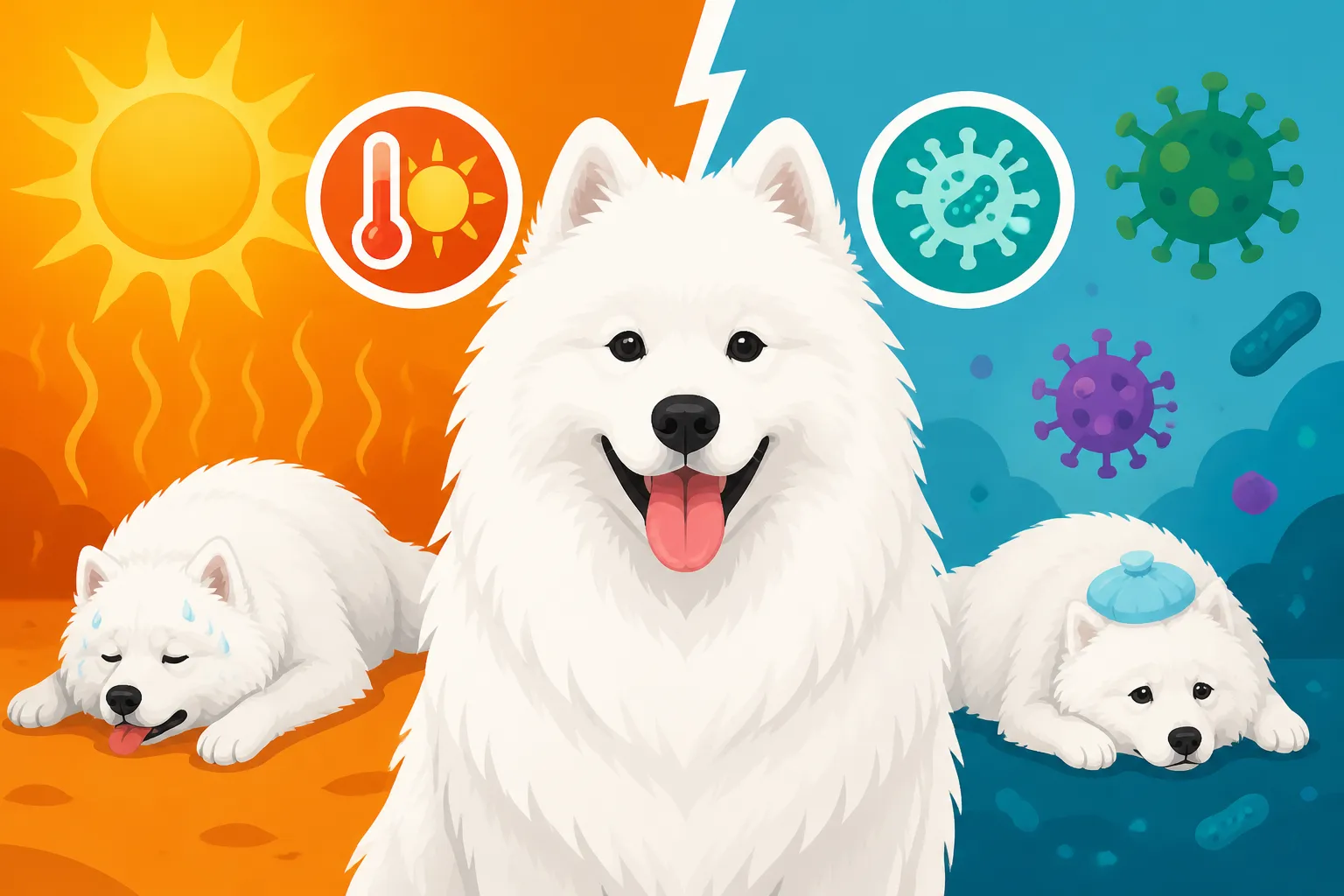
Whether Heat Kills More Samoyeds Than Disease
It's a heartbreaking thought for any Samoyed owner: wondering which threat is more likely to cut short the life of their beloved fluffy companion. Many of us grapple with the silent worry that the scorching summer months might pose a greater, more immediate danger than any genetic ailment. This guide dives deep into the realities of heat-related illness versus inherited diseases in Samoyeds, helping you understand the risks and how to best protect your smiling cloud.
The Unseen Battle: Why Heat is a Silent Threat for Samoyeds
The pure joy a Samoyed exhibits in the snow is legendary, but that same magnificent coat, designed for sub-zero temperatures, becomes a dangerous liability in warmer climates. For families living outside of perpetually cold regions like Siberia, understanding the profound impact of heat on these dogs is paramount. It’s not just uncomfortable; it can be fatal, and often, it happens with terrifying speed.
Samoyed Physiology: Built for the Arctic, Not the Tropics
Imagine wearing a heavy winter coat in the middle of a desert. That's essentially what a Samoyed experiences when summer temperatures soar. Their double coat, a marvel of natural engineering, consists of a harsh, long outer guard coat and a dense, woolly undercoat. This incredible insulation is perfect for trapping body heat and keeping them warm in conditions that would cause frostbite in other breeds. However, the exact same principle that keeps them warm also keeps them warm when it's hot outside. It doesn't magically reverse its function.
Unlike humans who sweat extensively through their skin, dogs primarily cool themselves by panting. Samoyeds, with their thick coats, have an even harder time dissipating heat this way. The air trapped within their dense fur, while insulating against cold, can also trap warm air around their bodies, making it difficult for the natural cooling process of panting to be effective. Their ancestral home on the Yamal Peninsula meant they were never subjected to prolonged periods of intense heat; their bodies simply didn't evolve for it. This makes them particularly vulnerable in places like the American South or even moderate climates during a heatwave. You really need to consider A Samoyed Built for Sixty Below in an American Summer and how that physiology translates to warm weather.
The Insidious Nature of Heatstroke
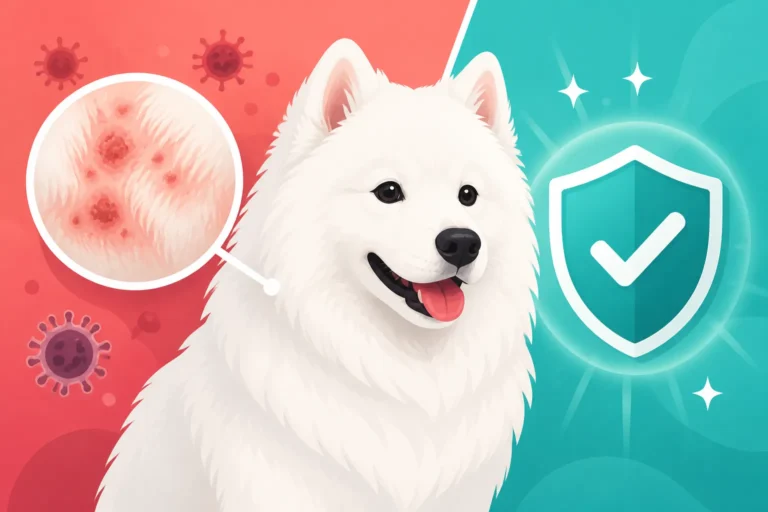
Heatstroke isn't just "getting too hot"; it's a medical emergency that can quickly spiral out of control. It often begins subtly, making it incredibly easy to miss the early warning signs, especially if your Samoyed is trying to hide its discomfort, which they are known to do. Initially, you might notice excessive panting, maybe a bit more than usual after a short walk, or they might seem unusually restless. Their gums might appear a brighter red than normal, indicating increased blood flow as their body tries desperately to cool itself.
As heatstroke progresses, the symptoms become more alarming. Your Samoyed might start drooling excessively, their breathing could become labored and noisy, and they might stagger or appear disoriented. Their body temperature will climb dangerously high, often exceeding 105 degrees Fahrenheit. At this point, cell damage starts to occur rapidly. Organs like the kidneys, liver, and brain can be severely affected. This is where it becomes truly insidious: internal damage can be happening even if your dog is still conscious. Without immediate intervention, heatstroke can lead to seizures, coma, kidney failure, and ultimately, death. The speed at which this can happen, sometimes within minutes of intense exposure or prolonged overheating, is what makes it such a terrifying and often more immediate killer than many chronic diseases. Early detection of Signs a Samoyed Is in Heat Distress is critical for their survival.
Comparing Heatstroke to Common Samoyed Diseases
While heatstroke is a swift, acute crisis, Samoyeds, like all purebreds, are susceptible to certain genetic and chronic health conditions that unfold over a longer period. Understanding the nature of these diseases helps us put the threat of heat into perspective.
Genetic Predispositions and Chronic Illnesses
Samoyeds are generally a healthy breed with a good lifespan of The Twelve to Fourteen Years a Samoyed Lives, but they do have specific genetic predispositions that owners need to be aware of. One of the most devastating is Samoyed Hereditary Glomerulopathy (SHG), often referred to as Samoyed kidney disease. This X-linked genetic condition primarily affects males, causing progressive kidney failure that can tragically shorten their lives, often before they even reach fifteen months of age. While carriers (females) might show mild signs, it’s the males who suffer the severe, fatal form of The Kidney Disease That Kills Samoyed Males Before Fifteen Months. The progression can be relatively slow, with signs like increased thirst and urination developing over months, before leading to full-blown kidney failure.
Other chronic conditions seen in Samoyeds include hip dysplasia, which can lead to debilitating arthritis later in life, and certain eye conditions like Progressive Retinal Atrophy. Diabetes mellitus, while not always genetic, can also affect Samoyeds, particularly in middle age. Managing these conditions involves ongoing veterinary care, special diets, medications, and lifestyle adjustments. While they can significantly impact a Samoyed's quality of life and ultimately shorten it, they rarely present as the sudden, unexpected tragedy that heatstroke can. Owners often have time to react, to treat, and to manage the disease, allowing for a certain degree of preparedness that simply isn't possible with a rapid onset heatstroke event. Learning about What Samoyed Hereditary Glomerulopathy Does to the Kidneys can help owners understand a chronic disease's progression.
Acute Versus Chronic Risk Factors
The critical distinction here lies in the nature of the risk. Heatstroke is an acute, environmental catastrophe. It doesn't discriminate based on genetics or age as much as it does on immediate circumstances and an owner's preparedness. A perfectly healthy, young Samoyed can succumb to heatstroke within an hour if left in a hot car or over-exercised on a warm day. The external environment directly becomes the killer.
Chronic diseases, on the other hand, develop internally, often with a genetic component or age-related progression. They can be managed, mitigated, and sometimes even prevented through responsible breeding practices, regular veterinary check-ups, and appropriate lifestyle choices. For instance, reputable breeders conduct genetic testing to avoid passing on conditions like SHG, and early screening for The Health Tests Both Samoyed Parents Should Have can catch other predispositions. While the cost and emotional toll of managing chronic diseases can be immense, there's usually a diagnostic period and a treatment plan. With heatstroke, the window for intervention is incredibly narrow, and the outcome often depends on split-second decisions and whether you were aware of the danger in the first place. This immediate, unforgiving nature of heatstroke makes it a contender for causing more sudden deaths in otherwise healthy Samoyeds than many of the chronic diseases the breed faces.
Mitigation and Prevention: Protecting Your Samoyed from Both Threats
It's clear that both heat and disease pose significant threats, but the good news is that proactive measures can drastically reduce the risks associated with both.
Strategies for Heat Management
When it comes to heat, prevention is truly the only cure. The most crucial thing you can do is never, ever leave your Samoyed unattended in a car, even with windows cracked, on a warm day. The temperature inside a vehicle can skyrocket in minutes, turning deadly. I've heard too many heartbreaking stories of owners who thought "just five minutes" wouldn't hurt.
Here are essential strategies for heat management:
- Limit Outdoor Activity: During warmer months, walks and strenuous play should be restricted to the coolest parts of the day – early morning or late evening. Avoid midday sun completely.
- Provide Constant Access to Water and Shade: Always ensure your Samoyed has plenty of fresh, cool water, both indoors and out. Multiple bowls around the house and yard are a good idea. A sturdy, outdoor umbrella or a shaded spot under a tree is vital. Learn more about How Often a Samoyed's Water Bowl Needs Refilling.
- Air Conditioning is Non-Negotiable: For Samoyeds in warm climates, air conditioning is not a luxury; it's a necessity. Their double coats are simply not designed for anything above mild temperatures. If you don't have central AC, portable units or fans can help keep their core resting area cool.
- Cooling Aids: Cooling mats or elevated beds can help keep them off hot floors. Some owners find cooling vests or bandanas useful, but always ensure they are wet and not simply trapping heat. A kiddie pool with a few inches of water can be a wonderful, fun way for your Samoyed to cool off. Consider if a cooling mat (Whether a Cooling Mat Helps a Samoyed) is right for your home.
- Grooming: Regular grooming, especially during coat blows, helps remove dead undercoat, allowing for better air circulation. However, never shave your Samoyed. Their coat, even in heat, provides a layer of insulation against the sun's rays and helps regulate their temperature. Shaving can actually make them more susceptible to sunburn and heatstroke.
Proactive Health Management
While heatstroke demands immediate environmental intervention, managing disease requires a consistent, long-term approach to veterinary care.
- Regular Veterinary Check-ups: Annual wellness exams are crucial. Your vet can catch subtle signs of illness that you might miss, especially since How a Samoyed Hides Illness Behind a Smile. Bloodwork and urinalysis can detect issues like early kidney disease or signs of Diabetes in a Middle Aged Samoyed before they become critical.
- Genetic Testing: For prospective owners, choosing a breeder who performs comprehensive genetic testing for conditions like Samoyed Hereditary Glomerulopathy and hip and elbow dysplasia is paramount. This can significantly reduce the risk of inheriting debilitating diseases. If you're considering breeding, or even if you just want to know your dog's genetic health profile, exploring The COL4A5 Test Every Samoyed Buyer Should Ask About is a smart move.
- Balanced Diet and Exercise: Maintaining a healthy weight and providing appropriate, consistent exercise (always mindful of the temperature!) supports overall health and can help prevent conditions like obesity-related diabetes or excessive strain on joints for dogs predisposed to Hip Dysplasia in a Samoyed.
- Pet Insurance: Having pet insurance can alleviate the financial burden if your Samoyed does develop a chronic illness or requires emergency care, whether from an acute issue like heatstroke or a long-term condition. Companies like Healthy Paws offer various plans that can help cover unexpected veterinary costs, ensuring you can make decisions based on your Samoyed's health needs, not just your wallet. It’s a sad reality that vet bills can become astronomical, and a good insurance plan from Healthy Paws can be a lifesaver. This allows you to focus on Caring for a Samoyed Past Nine without constant financial stress. Many owners find that investing in a plan from a reputable provider like Healthy Paws gives them immense peace of mind.
| Risk Factor | Nature of Threat | Onset | Prevention/Mitigation | Typical Outcome (Untreated) |
|---|---|---|---|---|
| Heatstroke | Acute, environmental | Rapid | Strict heat avoidance, cooling aids | Organ failure, rapid death |
| Kidney Disease | Chronic, often genetic | Gradual | Genetic testing, diet, medication | Progressive organ failure, shortened lifespan |
| Diabetes | Chronic, metabolic/genetic | Gradual | Diet, exercise, insulin, vet care | Organ damage, metabolic crisis, death |
| Hip Dysplasia | Chronic, genetic/developmental | Gradual | Responsible breeding, weight management, joint supplements | Arthritis, pain, reduced mobility, euthanasia (in severe cases) |
Understanding the Statistics: What the Data Says
Trying to definitively declare whether heat kills more Samoyeds than disease is complex. Statistics on causes of death in specific breeds can be hard to pin down with absolute certainty, as data collection varies widely.
The Challenge of Data Collection
Official registries and veterinary databases track a vast array of diseases and conditions, but the exact cause of death is not always standardized or thoroughly investigated, especially if a pet dies suddenly at home. For instance, a Samoyed that collapses and dies during a summer walk might be attributed to "cardiac arrest" on a death certificate, even if the underlying trigger was severe heatstroke. It's rare for every pet death to undergo a full necropsy to determine the precise cascade of events.
What we do know is that certain diseases, like SHG, are well-documented within the breed, with a clear understanding of their genetic basis and progression. Organizations like the Samoyed Club of America and various breed health foundations compile data on these conditions. However, heatstroke, while tragically common, doesn't always get categorized with the same statistical precision across all records. It often falls under broader categories of "environmental causes" or "acute emergencies." This makes a direct, apples-to-apples comparison numerically challenging.
Anecdotal Evidence and Real-World Scenarios
Despite the statistical nuances, the anecdotal evidence from Samoyed owners and veterinarians strongly suggests that heatstroke is a shockingly frequent and sudden killer, especially in regions with hot summers. Almost every Samoyed owner can recount a personal close call, or knows someone who lost a beloved "Sammy" to the heat. It’s the sheer immediacy and preventable nature of these deaths that makes them so poignant and often, so enraging.
Consider a healthy, active two-year-old Samoyed. They may never develop kidney disease or hip dysplasia, or perhaps only in old age. But that same dog, if left outside during a sudden heat spike or taken for an ill-advised mid-afternoon jog, could be gone within hours. The rapid progression from normal behavior to critical emergency is a terrifying reality. In contrast, while diseases like diabetes or severe hip dysplasia can lead to euthanasia, these are often planned decisions made after extensive veterinary consultation and a period of decline. The shock and suddenness of heatstroke often leave owners with immense guilt and regret, feeling like they could have done something more. This is why, in many ways, the fear of heat-related death looms larger for many Samoyed owners than the more gradual, if equally devastating, progression of a chronic illness.
Disclaimer
The information provided in this article is for general educational purposes only and is not a substitute for professional veterinary advice. Always consult with a qualified veterinarian for any health concerns or before making any decisions related to your Samoyed's health and treatment.