Whether a Samoyed’s Swollen Belly Means Kidney Failure
Few things are as alarming to a Samoyed owner as noticing your fluffy companion's belly looking distended or swollen. Your heart sinks a little, questions race through your mind, and often, one of the first terrifying thoughts is, "Could this be something serious, like kidney failure?" It's a valid and deeply worrying concern, especially given how stoic Samoyeds can be about pain. This guide is here to unravel the mystery behind a swollen belly in your beloved Samoyed, exploring kidney failure and other serious possibilities, and most importantly, what steps you need to take.
Understanding Your Samoyed's Abdomen: More Than Just a "Full" Tummy
A Samoyed's glorious double coat can be a wonderful insulator against the cold, but it can also be a master of disguise, making it incredibly difficult to spot subtle changes in their body condition. You might think their belly looks a bit rounder after a big meal, or perhaps you've even joked about their "fluffy tummy," but when that fullness turns into an undeniable swelling, it demands immediate attention.
The Many Reasons for a Swollen Belly in Samoyeds
Let's start with the less terrifying possibilities, because sometimes, a swollen belly isn't a catastrophic event, even if it feels like one in the moment. Your Samoyed might simply have overeaten, indulged in too many treats, or perhaps raided the garbage can for a forbidden feast. This can lead to an uncomfortable, temporary distension. Similarly, trapped gas can cause a noticeable bulge and discomfort, often accompanied by burping or flatulence.
Constipation is another common culprit. If your Samoyed hasn't had a bowel movement in a while, or if their stools are unusually hard, the accumulation of waste can cause their abdomen to feel firm and swollen. Parasites, particularly roundworms, can also lead to a pot-bellied appearance, especially in younger dogs, as the worms can cause inflammation and a build-up of fluid or gas. Even a sudden change in diet can upset their digestive system and result in temporary bloating and discomfort. It's easy to miss these initial signs under all that fur, leading to a sudden realization that something just isn't right.
Then there's simple weight gain. Samoyeds, with their thick coats, can pack on a few extra pounds without it being immediately obvious until you really get your hands on them. A sedentary lifestyle coupled with an indulgent diet can lead to fat accumulation around the abdomen, making it appear swollen. While not an immediate emergency like some other causes, obesity in Samoyeds brings its own host of health risks, including a higher propensity for conditions like Diabetes Mellitus in a Samoyed. The difficulty in palpating their ribs and spine through their dense coat makes it a real challenge for owners to accurately assess their dog's ideal weight, often requiring a vet's experienced hands to confirm.
When Bloat Becomes a Serious Concern
While some causes of a swollen belly are relatively benign, there are others that represent dire emergencies. Among the most frightening is Gastric Dilatation-Volvulus (GDV), commonly known as bloat. This isn't just a belly full of gas; it's a life-threatening condition where the stomach fills with gas and fluid (dilatation) and then twists upon itself (volvulus), trapping everything inside. When the stomach twists, it cuts off blood supply to vital organs and can send your dog into shock very quickly.
Samoyeds, like many deep-chested breeds such as Great Danes, Boxers, and German Shepherds, are at a higher risk for bloat. The rapid onset is what makes it so terrifying. One moment your dog might seem fine, and the next, they're showing severe signs. Look for a rapidly expanding, hard abdomen, non-productive retching or attempts to vomit, excessive drooling, restlessness, pacing, an arched back from pain, and labored breathing. Their gums might become pale, and they could collapse.
If you suspect bloat, this is not a "wait and see" situation. It's an immediate, lights-and-sirens emergency that requires veterinary intervention within minutes, not hours. Every second counts. If you’re ever unsure, it’s always better to rush to the emergency vet. Companies like Healthy Paws pet insurance can provide immense relief in such terrifying situations, helping manage the often astronomical costs associated with emergency surgeries and intensive care for conditions like bloat.
Kidney Failure and Its Less Obvious Symptoms
When we talk about a swollen belly and kidney failure, it's important to understand the connection isn't always direct or immediate. Kidney disease, especially in its early stages, is notoriously sneaky. Samoyeds, with their inherent stoicism and tendency to mask discomfort with their famous "Sammy smile," can make detecting illness even harder. This is why you rarely see a swollen belly as the first sign of kidney trouble.
The Insidious Nature of Kidney Disease in Samoyeds
The kidneys are powerhouse organs, responsible for filtering waste products from the blood, maintaining electrolyte balance, and producing hormones. When they start to fail, their ability to perform these vital functions diminishes. Unfortunately, dogs are incredibly resilient, and they can lose a significant amount of kidney function (sometimes up to 75%) before showing any obvious clinical signs. This makes early detection incredibly challenging for even the most vigilant owner.
A specific concern within the Samoyed breed is The Kidney Disease That Kills Samoyed Males Before Fifteen Months, also known as Samoyed Hereditary Glomerulopathy. This genetic condition, an X-linked hereditary disease, primarily affects male Samoyeds, leading to progressive kidney failure. Affected males often show signs around 3-6 months of age and sadly succumb to the disease before 15 months. Carrier females can also show milder, later-onset signs. The underlying issue is a defect in the collagen in the kidney's filtering units, leading to protein leakage. Early signs are usually subtle, like increased thirst and urination, and protein in the urine, detected during routine screenings.
In the initial and even moderate stages of kidney disease, a swollen belly is generally not a prominent symptom. Instead, you might notice more subtle changes: increased thirst (polydipsia) and more frequent urination (polyuria), a decreased appetite, lethargy, weight loss, or changes in coat quality. The insidious progression means owners often don't realize there's a problem until the disease is quite advanced. This is why proactive health screening, including urine tests, is so vital.
How Advanced Kidney Failure Can Lead to Fluid Accumulation
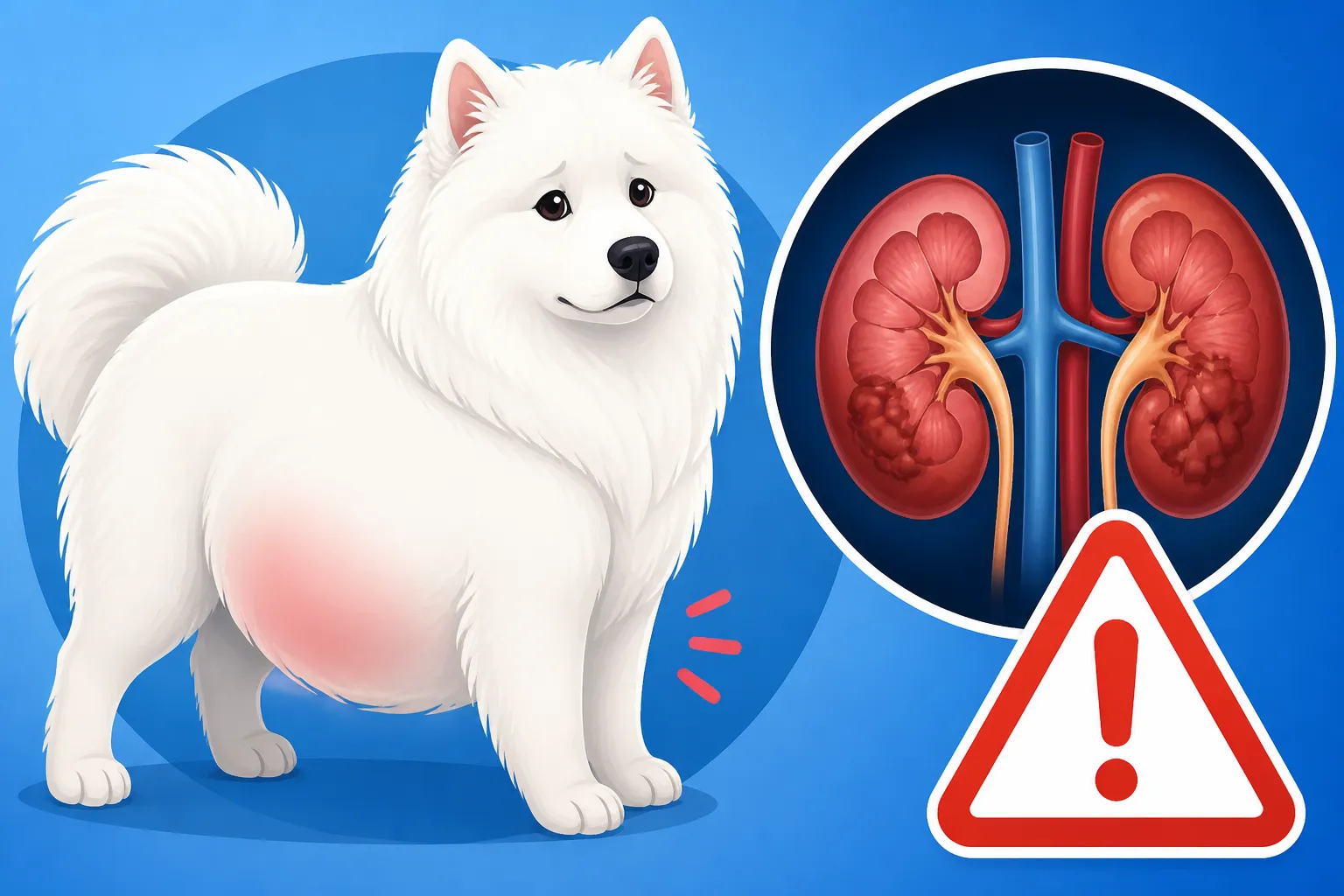
So, how does kidney failure eventually cause a swollen belly? The primary mechanism involves severe protein loss and subsequent fluid imbalance, leading to a condition called ascites – the accumulation of fluid in the abdominal cavity. When the kidneys are severely damaged, they may begin to leak essential proteins, particularly albumin, from the bloodstream into the urine. Albumin is crucial for maintaining oncotic pressure, which helps keep fluid within the blood vessels.
When albumin levels drop significantly (hypoalbuminemia) due to severe kidney disease, fluid starts to leak out of the blood vessels and accumulates in various body cavities, including the abdomen. This fluid accumulation can cause the belly to appear distended and feel boggy or "fluidy" rather than firm. This symptom usually indicates very advanced kidney disease, where the kidneys are barely functioning, and the dog is likely experiencing other severe signs such as extreme lethargy, nausea, vomiting, and severe dehydration despite increased drinking. It's a late-stage manifestation, often a grim indicator of the disease's progression.
It’s also possible that other complications arising from chronic kidney disease, such as concurrent heart issues (as the kidneys and heart are closely linked), could contribute to fluid retention. Therefore, if your Samoyed develops a swollen belly and has a history of or risk factors for kidney disease, it's a critical sign demanding immediate veterinary assessment. Early detection tests, such as Why a Samoyed's Urine Should Be Tested Young, which checks for protein in the urine, are far more effective at catching kidney issues before such severe symptoms appear.
Other Serious Conditions That Cause Abdominal Swelling
While kidney failure is a serious concern, it's important to remember that a swollen belly can be a symptom of various other life-threatening conditions. A comprehensive diagnostic approach is always necessary to pinpoint the exact cause.
Heart Disease and Liver Failure
Heart disease is another major culprit behind abdominal fluid accumulation. Specifically, right-sided congestive heart failure often leads to a swollen belly. When the right side of the heart struggles to pump blood effectively, blood can back up in the veins, increasing pressure in the capillaries. This elevated pressure forces fluid out of the blood vessels and into the abdominal cavity, resulting in ascites. If your Samoyed has a swollen belly due to heart disease, you might also notice other signs like coughing, difficulty breathing (especially at night or after exercise), lethargy, and reduced exercise tolerance. Conditions like Aortic Stenosis in a Samoyed, a congenital heart defect, can progress and eventually lead to such symptoms.
Liver failure also commonly causes a swollen abdomen. The liver is a central factory for producing many vital proteins, including albumin. Just like with severe kidney disease, if the liver isn't producing enough albumin, the oncotic pressure in the blood vessels drops, causing fluid to leak into the abdomen. Liver disease can also lead to portal hypertension, an increase in blood pressure within the portal vein system, which further exacerbates fluid leakage. Samoyeds with liver issues might also exhibit jaundice (yellowing of gums, skin, and eyes), vomiting, diarrhea, loss of appetite, and increased thirst. A swollen belly alongside these symptoms points strongly towards liver dysfunction.
Internal Bleeding, Tumors, and Infections
The abdomen can swell due to internal bleeding, which is a critical emergency. This can result from trauma, such as being hit by a car, or from the rupture of an internal organ or a tumor. For instance, a splenic hemangiosarcoma, a highly aggressive cancer, can rupture and bleed profusely into the abdomen, causing rapid and often painful swelling. A dog experiencing internal bleeding will likely show signs of shock, including pale gums, weakness, rapid heart rate, and collapse. This requires immediate, life-saving veterinary intervention.
Abdominal tumors, whether benign or malignant, can also cause a visibly swollen belly. These masses can grow quite large, displacing organs and filling the abdominal cavity. Depending on their location and size, they might be palpable. Some tumors, as mentioned, can also rupture and bleed, or obstruct digestive processes, leading to secondary swelling. Samoyeds are generally a healthy breed, but like all dogs, they are susceptible to various cancers. Familiarity with Which Cancers Samoyeds Get can help owners understand potential risks, but any new lump or swelling, especially one in the abdomen, should be checked by a veterinarian promptly.
Finally, infections within the abdominal cavity, such as peritonitis, can lead to significant swelling. Peritonitis is inflammation of the peritoneum, the membrane lining the inside of the abdomen and covering the abdominal organs. It can be caused by a ruptured organ (like the bladder or intestines), a penetrating wound, or even a severe infection originating elsewhere in the body. Dogs with peritonitis are usually in extreme pain, may have a fever, refuse to eat, and can quickly become septic and go into shock. Another specific infectious cause of abdominal swelling in intact female Samoyeds is pyometra, a severe uterine infection where the uterus fills with pus. This can cause abdominal distension, lethargy, fever, and discharge, and is also a critical emergency requiring immediate surgery.
What to Do If Your Samoyed's Belly Is Swollen
Discovering your Samoyed has a swollen belly is incredibly frightening, and it's natural to feel overwhelmed. However, panicking won't help your dog. Knowing what steps to take, and taking them quickly, can make all the difference.
Immediate Action and Emergency Care
The most crucial step is to seek immediate veterinary attention. Do not wait to see if it improves, and do not try home remedies. A swollen belly is rarely a symptom you can safely monitor, especially in a breed like the Samoyed where rapid onset conditions like bloat are a risk, and chronic conditions are often masked. Your first call should be to your regular veterinarian, or if it's after hours, to the nearest 24-hour emergency veterinary clinic. Describe your Samoyed's symptoms clearly: how long the swelling has been present, if it's painful to the touch, if they're trying to vomit, their energy level, and any other changes you've noticed.
While you're preparing to leave, observe your dog closely for signs of distress. Is their breathing labored? Are their gums pale or bluish? Are they restless or unable to get comfortable? Are they collapsing or acting disoriented? These are all signs that indicate a severe emergency. Even if your Samoyed seems relatively "fine" other than the swelling, it's always best to err on the side of caution. Remember, How a Samoyed Hides Illness Behind a Smile means they might be in more pain or distress than they let on. Having a pet insurance plan like Healthy Paws can significantly ease the financial burden of these unexpected emergency visits, allowing you to focus on getting your Samoyed the best possible care without delay.
Veterinary Diagnosis and Treatment Options
Once you arrive at the vet, they will perform a thorough physical examination, including palpating the abdomen. They'll likely recommend a series of diagnostic tests to determine the cause of the swelling. These typically include:
- X-rays (radiographs): These can show gas patterns in the stomach (crucial for diagnosing bloat), fluid accumulation, organ enlargement, or the presence of masses.
- Abdominal ultrasound: This provides a more detailed view of the internal organs, allowing the vet to assess their size, structure, and identify any tumors, fluid, or other abnormalities.
- Bloodwork: This usually includes a Complete Blood Count (CBC) to check for infection, anemia, or inflammation, and a chemistry panel to assess organ function (kidneys, liver, pancreas). For kidney concerns, the vet will specifically look at blood urea nitrogen (BUN) and creatinine levels.
- Urinalysis: A urine sample can reveal signs of infection, inflammation, or, critically, protein loss, which can be an early indicator of kidney disease.
- Fluid analysis: If ascites is present, the vet might perform an abdominocentesis (drawing fluid from the abdomen) to analyze its composition, which can help differentiate between causes like heart failure, liver disease, or infection.
The treatment will entirely depend on the diagnosis. For bloat, emergency surgery is often required to decompress and reposition the stomach. For severe ascites from heart or liver failure, diuretics and other medications might be prescribed, along with dietary changes. If kidney failure is the cause, treatment focuses on supportive care, managing symptoms, and slowing progression, which might include specific renal diets, medications to manage blood pressure or phosphorus, and fluids. Whether a Renal Diet Extends an Affected Samoyed's Life is a common question, and generally, such diets are vital for managing kidney disease. Tumors may require surgical removal, chemotherapy, or radiation, depending on their type and stage.
Proactive Care and Long-Term Management
The best defense against a sudden, scary swollen belly is proactive, consistent care. Regular veterinary check-ups are paramount, especially as your Samoyed ages. During these visits, your vet can perform comprehensive physical exams, monitor weight, and recommend routine screenings. This might include annual bloodwork and urinalysis, which can detect subtle changes in kidney function before they become apparent to you at home. For example, Whether a Samoyed Needs Yearly Kidney Bloodwork is a crucial discussion point with your vet, especially if your Samoyed is getting older or is from lines with known kidney issues.
Feeding a high-quality, balanced diet and ensuring your Samoyed gets appropriate exercise are fundamental for overall health. Be diligent about parasite prevention. And perhaps most importantly, be intimately familiar with your Samoyed's normal behavior, appetite, thirst, and energy levels. You are their best advocate. Any deviation from their norm, especially something as dramatic as a swollen belly, should trigger an immediate call to your vet.
Considering pet insurance from a reputable provider like Healthy Paws can also be a proactive step. While it won't prevent illness, it can provide invaluable peace of mind when unexpected, costly emergencies arise. Knowing that a significant portion of diagnostic tests, treatments, and even emergency surgeries could be covered allows you to make decisions based on your Samoyed's health needs, rather than solely on financial constraints. This truly enhances the long-term management of your Samoyed's health, ensuring they receive the care they deserve throughout their life.
Here's a quick comparison of potential causes for a swollen belly:
| Condition | Abdominal Appearance | Accompanying Symptoms | Urgency | Key Diagnostic Test (often initial) |
|---|---|---|---|---|
| Bloat (GDV) | Rapidly distended, hard | Non-productive retching, restlessness, drooling, pain, pale gums, collapse | EMERGENCY | X-ray (radiograph) |
| Advanced Kidney Failure | Distended, "fluidy" | Increased thirst/urination, lethargy, vomiting, weight loss, poor appetite, pale gums | High | Bloodwork, Urinalysis, Ultrasound |
| Heart Failure | Distended, "fluidy" | Coughing, difficulty breathing, lethargy, exercise intolerance, weakness, fainting | High | X-ray, Ultrasound (echocardiogram) |
| Liver Failure | Distended, "fluidy" | Jaundice, vomiting, diarrhea, lethargy, loss of appetite, increased thirst | High | Bloodwork, Ultrasound |
| Internal Bleeding | Rapidly distended, painful | Pale gums, weakness, collapse, rapid breathing/heart rate | EMERGENCY | Ultrasound |
| Abdominal Tumor | Variable (firm, localized) | Weight loss, poor appetite, lethargy, vomiting; or sudden rupture/bleeding if aggressive | High | Ultrasound, X-ray |
| Overeating/Gas | Mildly distended, soft/firm | Mild discomfort, burping, flatulence, recent large meal | Low | Physical Exam |
Disclaimer
The information provided in this article is for general educational purposes only and is not a substitute for professional veterinary advice. If your Samoyed is exhibiting a swollen belly or any other concerning symptoms, please consult with a qualified veterinarian immediately. They can provide an accurate diagnosis and recommend the appropriate course of treatment for your individual pet.