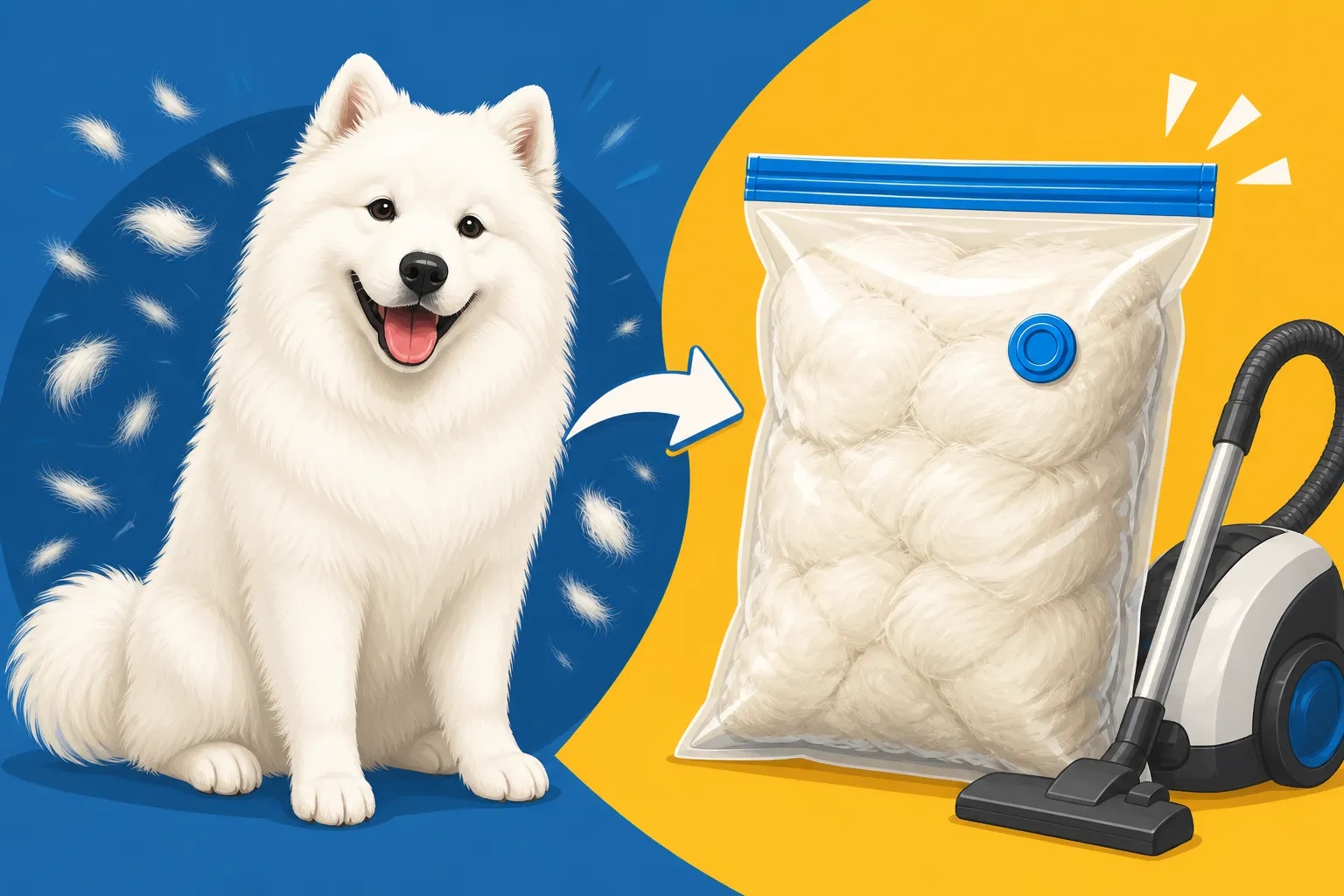
What a Samoyed’s Shedding Costs in Vacuum Bags
Ah, the majestic Samoyed! A living, breathing cloud of joy and, let's be honest, fluff. If you're a Samoyed owner, you know the struggle is real: that beautiful, luxurious coat sheds, and sheds, and then sheds some more. It’s not just about the hair tumbleweeds drifting across your hardwood floors; it's about the hidden costs that pile up, and one of the most overlooked is the constant replenishment of vacuum bags. This guide is here to shed some light (pun intended!) on exactly what that fluffy friend of yours can cost you in terms of keeping your home pristine.
The Avalanche of Fluff: Understanding Samoyed Shedding
Living with a Samoyed means you’re essentially cohabiting with a perpetually regenerating cloud. Their incredible double coat, while stunning and functional, is also a source of never-ending fur. It's not just a casual shedding; it's an event, a lifestyle, a constant reminder of the beautiful creature sharing your sofa.
When the Coat Blows: Seasonal Shedding Events
Every Samoyed owner knows the dread and anticipation of "the coat blow." This isn't just your everyday, run-of-the-mill shedding; it's a full-on seasonal event where your Samoyed decides it's time to completely refresh its undercoat. Typically, this happens twice a year, usually in spring to shed the thick winter coat and again in the fall to prepare for a new, denser one. However, some Samoyeds, especially those living in more consistent climates or spayed/neutered individuals, might have a less predictable, more continuous blow.
During a coat blow, the sheer volume of fur that comes off your dog is astonishing. You can brush and brush, filling entire grocery bags with soft undercoat, and still find more. This explosion of fur doesn't just stay on the dog; it drifts, it clings, and it settles into every nook and cranny of your home. It means daily vacuuming becomes a non-negotiable ritual, sometimes even multiple times a day, just to keep pace. Every pass of the vacuum sucks up an impressive, or perhaps depressing, amount of fur, rapidly filling up bags or canisters. It's during these times that the cost of vacuum bags, or the wear and tear on your bagless system, truly becomes apparent. You'll go through bags at a rate that would make a conventional dog owner gasp, sometimes needing a new one every few days or even daily, depending on the severity of the blow and the size of your vacuum's bag. For a more detailed look at these events, you might be interested in When a Samoyed Blows Its Coat.
The Double Coat's Density: Why Samoyed Fur is So Abundant
The Samoyed's glorious white coat isn't just for show; it's a marvel of natural engineering, perfectly adapted to the harsh Arctic environments from which they hail. This coat is a double layer: a soft, dense, woolly undercoat that provides exceptional insulation, and longer, coarser guard hairs that protect against snow, ice, and dirt. It’s this incredibly thick undercoat that is the primary culprit in your vacuum bag consumption.
Imagine wearing several sweaters under a thick winter coat; that's essentially what your Samoyed is sporting. When temperatures change, or simply as part of their natural cycle, that undercoat needs to be replaced. Unlike breeds with single coats that shed a more manageable amount of fine hair, the Samoyed's undercoat comes out in clumps, creating those iconic "Samoyed tumbleweeds." These soft, fluffy masses are incredibly voluminous but also quite light, meaning they compress easily but take up a lot of space in your vacuum bag before compressing. This density means that even when a Samoyed isn't in a full coat blow, there's a constant, steady stream of fur being released. You’ll find it on your clothes, embedded in carpets, and clinging to furniture. This continuous, though less dramatic, shedding between coat blows still contributes significantly to the demand on your vacuum and its consumables, slowly but surely adding to your household expenses. You can learn more about this incredible feature in What a Samoyed's Double Coat Is Made Of.
The Hidden Cost: Why Vacuum Bags Add Up
It's easy to overlook the recurring cost of something as mundane as vacuum bags when you're caught up in the joy of a Samoyed's fluffy presence. But for owners of these Arctic beauties, these aren't just minor purchases; they can become a significant, predictable line item in the household budget. The sheer volume and texture of Samoyed fur mean that standard vacuum bags fill up much faster than anticipated, leading to a constant need for replacements.
Bagged vs. Bagless Systems: The Financial Divide
When it comes to vacuuming a Samoyed home, the choice between a bagged and bagless system often comes down to personal preference, but the financial implications, especially concerning fur, are quite different.
With bagged vacuums, the cost is direct and undeniable: you have to buy bags, and for a Samoyed owner, you'll be buying a lot of them. These bags are designed to trap dirt, dust, and, yes, copious amounts of Samoyed fur, keeping allergens contained. The downside is that once they're full, they're full. Samoyed fur, being so fluffy and voluminous, can pack a bag quickly, even if it doesn't weigh much. This means you might find yourself replacing a bag every week, or even more frequently during a heavy coat blow. Imagine paying for a new set of bags every month, year after year – it really adds up. Some owners keep an eye out for bulk deals on sites like Chewy or their local big-box stores, but the expense remains a constant.
On the other hand, bagless vacuums seem like they offer a cost-saving solution upfront because there are no bags to buy. However, this isn't entirely true when you factor in Samoyed fur. Bagless vacuums rely heavily on filters to capture fine dust and dander. Samoyed fur, especially the fine undercoat, can quickly clog these filters, reducing suction power dramatically. To maintain efficiency, these filters need regular cleaning, and eventually, replacement. High-quality HEPA filters, often recommended for pet owners, can be surprisingly expensive to replace. If you don't clean or replace them frequently enough, the motor works harder, wears out faster, and your vacuum's lifespan is significantly shortened. So, while you're not buying bags, you're potentially facing higher filter replacement costs and a faster need for an entirely new vacuum. It's a trade-off, and both paths ultimately lead to an ongoing investment in keeping your home fur-free.
Here’s a quick comparison:
| Feature | Bagged Vacuum for Samoyed Owners | Bagless Vacuum for Samoyed Owners |
|---|---|---|
| Primary Cost | Frequent purchase of vacuum bags | Regular replacement of filters, potential earlier vacuum replacement |
| Fur Handling | Bags fill quickly with voluminous fur; excellent dust containment | Canister fills quickly, filters clog easily with fine undercoat |
| Maintenance | Replace bag, occasional filter cleaning | Frequent canister emptying, regular filter cleaning, periodic replacement |
| Allergy Impact | Excellent for allergy sufferers due to contained debris | Can release dust/dander during emptying; filter quality is key |
| Longevity | Potentially longer lifespan if filters are maintained | May have shorter lifespan if filters are neglected due to fur build-up |
Beyond the Bag: Other Vacuum-Related Expenses
The cost of vacuum bags or filters is just the tip of the iceberg when it comes to living with a high-shedding breed like a Samoyed. The sheer volume of fur has a domino effect on other household and appliance-related expenses.
First off, you're not going to get by with a flimsy, bargain-bin vacuum cleaner. A Samoyed requires a heavy-duty, powerful machine, often one specifically designed for pet hair, to stand any chance against the fluff. These specialized vacuums, whether from brands known for pet hair prowess, tend to have a higher upfront cost. Moreover, the constant battle against fur means your vacuum is working overtime. Brushes and belts wear out faster, hoses get clogged with compacted fur, and motors strain under the load. These components require more frequent maintenance, repair, and replacement than they would in a home without a Samoyed. A clogged hose isn't just an annoyance; it can reduce suction and stress the motor, leading to more serious issues.
Think about the filters in your HVAC system too. All that airborne Samoyed fur doesn't just settle on your floors; it gets drawn into your heating and cooling vents. You'll likely find yourself changing air filters much more frequently than the average homeowner, another small but persistent expense. On the bright side, keeping up with this can help maintain indoor air quality.
Then there's the inevitable question of longevity. Even the best pet hair vacuums have a finite lifespan, and a Samoyed will put that to the ultimate test. You might find yourself needing to replace your entire vacuum cleaner every few years, rather than every five to seven years as might be typical for other households. This means budgeting not just for bags or filters, but for the eventual replacement of the entire appliance. It’s definitely worth considering Whether a Samoyed Owner Needs a Better Vacuum and How Often a Samoyed Owner Replaces a Vacuum when planning your long-term budget. It's truly a testament to the Samoyed's glorious coat that it can single-handedly influence your home appliance replacement schedule!
Strategies to Mitigate the Fur Tax
While you can't stop a Samoyed from shedding (it's part of their charm, right?), you can certainly take proactive steps to manage the fur and reduce the impact on your vacuum bag budget and overall home cleanliness. It’s all about getting ahead of the fluff, rather than constantly reacting to it.
Proactive Grooming: Reducing Fur at the Source
The most effective way to cut down on vacuum bag consumption is to tackle the fur before it even hits your floors. This means a consistent and dedicated grooming routine.
Regular Brushing: This is your number one weapon. During non-shedding periods, aiming for a thorough brushing session 2-3 times a week can make a world of difference. When your Samoyed is blowing its coat, daily brushing is almost mandatory. Invest in high-quality grooming tools, particularly an undercoat rake, which is designed to reach deep into that dense fur and pull out loose undercoat without damaging the guard hairs. You'll be amazed at the amount of fur you can remove in a single session. Many owners will brush their Samoyed outside when weather permits, allowing the fur to scatter harmlessly in nature rather than congregating indoors. This directly translates to less fur for your vacuum to pick up. For more tips, check out How Often a Samoyed Needs Brushing.
Force Dryers: If you've never used a force dryer, prepare to be astonished. These powerful dryers, distinct from human hair dryers, use high-velocity, unheated air to literally "blast" the loose undercoat out of your dog's coat. A good session with a force dryer, especially after a bath, can remove an incredible amount of dead hair, often eliminating days or even weeks of shedding in one go. You'll want to do this outside, as the fur will fly like a snowstorm! While a force dryer is an investment, it can significantly reduce the amount of fur that would otherwise end up in your home and, consequently, your vacuum cleaner. Think of it as a preemptive strike against the fur tax. You can find out more about this tool in What a Force Dryer Costs a Samoyed Owner.
Professional Grooming: Sometimes, you just need to call in the experts. A professional groomer who understands double-coated breeds can perform a thorough deshedding treatment that goes beyond what most owners can achieve at home. They have industrial-grade force dryers, specialized tools, and the experience to get out every last bit of loose undercoat. While a professional groom comes with its own cost, it can be a valuable investment, especially during heavy coat blows. By removing a massive amount of fur at once, you’ll experience a noticeable reduction in shedding at home for weeks afterward, saving you vacuum bags and effort. This is definitely something to consider when you're looking at The Grooming Bill on Twenty Pounds of Samoyed Undercoat.
Smart Cleaning Habits: Optimizing Your Approach
Beyond proactive grooming, adopting smart cleaning habits throughout your home can also help manage the fur fallout and extend the life of your vacuum bags (or filters).
Daily Spot Cleaning: Instead of waiting for fur to accumulate into critical mass, a quick daily pass with a lightweight stick vacuum or a handheld model in high-traffic areas can prevent a large build-up. These smaller vacuums are often bagless, but the principle of frequent, smaller clean-ups still applies. Think of it as nibbling away at the fur problem rather than trying to swallow it whole.
Specialized Vacuum Cleaners: As mentioned before, a good quality vacuum designed for pet hair is almost essential. Look for models with strong suction, pet-specific attachments (like motorized brush tools for upholstery), and effective filtration. Brands like Dyson, Shark, and Bissell offer various models often touted for their pet-hair prowess. These machines are built to handle the challenge, although they will still fill bags rapidly with Samoyed fur.
Protective Covers and Easy-Clean Surfaces: Where possible, choose furniture with easy-to-clean fabrics or use washable slipcovers. Throw blankets can also act as fur magnets on your couch and are much easier to toss in the washing machine than to vacuum the entire sofa repeatedly. Hardwood, tile, or laminate floors are much simpler to clean than carpet, where fur can weave itself deep into the fibers, demanding more passes from your vacuum. Even in carpeted areas, consider washable area rugs that can be taken outside and shaken or regularly deep cleaned.
Air Purifiers: While they don't impact vacuum bags directly, air purifiers with HEPA filters can help reduce airborne fur and dander, contributing to a cleaner overall environment and potentially less fur settling on surfaces that your vacuum eventually has to tackle. Less fur floating around means less fur ending up everywhere else.
Embracing the Fluff: The Samoyed Owner's Reality
Owning a Samoyed is an exercise in unconditional love and, often, a slight adjustment to your expectations of a fur-free home. While the cost of vacuum bags and the constant battle against shedding can be a minor frustration, it's an intrinsic part of the Samoyed experience, and something every owner learns to live with.
It's More Than Just a Cost: The Lifestyle Impact
Let's be real, a Samoyed's shedding isn't just about the financial outlay for vacuum bags; it's a lifestyle. Your clothes will perpetually have a dusting of white fur, your car interior will look like a snowdrift, and you'll find Samoyed fluff in places you never thought possible. It can be exasperating, especially when you've just cleaned, and your fluffy companion decides it's time for another "contribution" to the household decor.
However, most Samoyed owners learn to embrace this reality. It becomes a humorous quirk of the breed, a small price to pay for the joy, companionship, and boundless love these dogs provide. The fur is a constant reminder of the beautiful, fluffy friend curled up at your feet or waiting excitedly at the door. It teaches you to perhaps not sweat the small stuff as much, to enjoy the moments, and to accept that perfection isn't always attainable, especially when you have a living cloud in your home. It’s part of the unique bond you form with your Samoyed.
Long-Term Budgeting for Samoyed Care
When you welcome a Samoyed into your life, you're signing up for a long-term commitment that extends far beyond the initial purchase price. The "fur tax" in vacuum bags is just one small piece of a much larger financial picture. Responsible Samoyed ownership means budgeting for a variety of ongoing expenses.
This includes high-quality food, which can be a significant monthly cost, especially if you opt for specialized diets. Regular veterinary check-ups, vaccinations, parasite prevention, and unexpected medical emergencies are also important considerations. Many owners choose pet insurance from providers like Healthy Paws to help manage these unpredictable costs. Training classes, toys, bedding, and specialized equipment for activities like sledding or hiking also add up.
And, of course, grooming supplies like undercoat rakes, force dryers, and shampoos are crucial investments to manage that incredible coat. Whether you pay for professional grooming or invest in tools to do it yourself, it’s a non-negotiable part of their care. You might even find yourself looking at convenient options for dog food and supplies, potentially from online retailers like Chewy, to help manage your overall budget and time.
Ultimately, the cost of vacuum bags, while real, is a small part of the beautiful journey of Samoyed ownership. It’s a recurring expense that highlights the unique needs of this wonderful breed. By understanding and anticipating these costs, and implementing proactive strategies, you can minimize the impact and focus on what truly matters: the health, happiness, and companionship of your smiling Samoyed. The overall commitment, as explored in The Full Cost of Thirteen Years With a Samoyed, includes many facets, and embracing the fur is definitely one of them!
Disclaimer
This article is for general informational purposes only and does not constitute professional advice. Laws, prices and regulations vary by location and change over time. Consult a qualified professional for guidance on your specific situation.