What Air Conditioning Adds to a Samoyed Household
Living with a Samoyed often means adapting your home environment to suit a dog bred for the Arctic, and perhaps the most significant challenge in warmer climates is keeping them cool. Owners frequently underestimate the financial implications of maintaining a comfortable, safe temperature for their furry, fluffy companions, leading to unexpected surges in utility bills, the cost of special equipment, and even potential emergency vet visits. This guide will walk you through the various financial and lifestyle adjustments you'll likely encounter when ensuring your Samoyed stays cool and happy, especially when relying on air conditioning.
Why Your Samoyed Absolutely Needs Air Conditioning
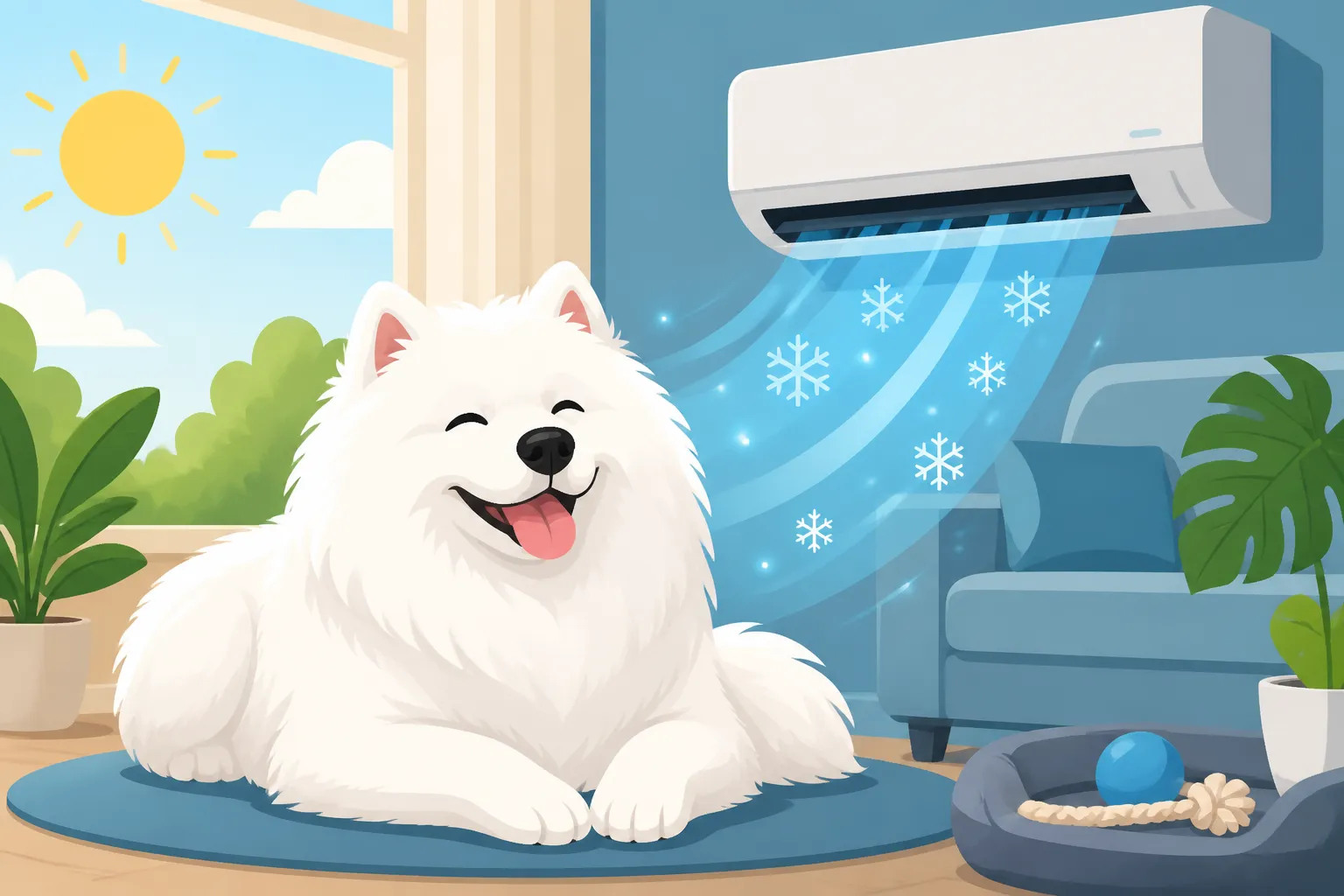
It’s easy to look at a Samoyed’s gorgeous, fluffy coat and think, "Oh, they're fine, it's just fur!" But for these magnificent dogs, their natural insulation, which is a blessing in the freezing North, becomes a major liability the moment temperatures climb. Their very biology dictates a need for a controlled environment, making air conditioning less of a luxury and more of a necessity in many parts of the world.
Their Arctic Heritage and the Double Coat Dilemma
Samoyeds hail from Siberia, a place where temperatures plummet to unfathomable lows. They were bred by the Nenets people to herd reindeer, pull sleds, and even sleep inside their chums (tents) with families for warmth. Their famous double coat is exquisitely designed for this purpose: a dense, woolly undercoat for warmth, and longer, harsher guard hairs that shed snow and moisture. It’s an incredibly efficient insulation system. However, this system works both ways. While it keeps warmth in when it's cold, it also traps heat in when it's hot. Trying to adapt a dog like this to even moderate summer temperatures in, say, Texas or Florida, without significant intervention, is a recipe for disaster. It's truly a case of A Samoyed Built for Sixty Below in an American Summer.
Recognizing and Preventing Heat Stress
Your Samoyed might be smiling, but that doesn't always mean they're comfortable. Samoyeds are stoic and often hide discomfort, so it's up to us to be vigilant. Heat stress can escalate quickly to life-threatening heatstroke. Early signs include excessive panting (more than usual, even at rest), seeking out cool spots (like tile floors or shady corners), decreased energy, dark red gums, and a lack of interest in food or play. As it worsens, you might see staggering, vomiting, diarrhea, or even collapse. It's absolutely critical to recognize these Signs a Samoyed Is in Heat Distress immediately. If you suspect heatstroke, contact your vet immediately; this isn't something to wait out. Prevention, therefore, is key, and keeping your home cool is your first line of defense.
The Myth of Shaving and Its Dangers
A common, yet incredibly dangerous, misconception among new Samoyed owners (and even some well-meaning groomers) is that shaving your Samoyed will make them cooler. It feels intuitive, right? Less fur, less heat. But for a double-coated breed, this couldn't be further from the truth. Shaving actually compromises their natural cooling system. The guard hairs and undercoat create an air-trapping layer that helps regulate body temperature. When shaved, this layer is gone, exposing their delicate skin to direct sunlight, which can lead to sunburn and increase their risk of overheating. It also can damage the coat permanently, leading to improper regrowth and potential skin issues. Please understand: Why Shaving a Samoyed Makes the Heat Worse. Their coat is insulation, not just decoration; it protects them. Regular, thorough grooming, especially during a coat blow, is far more effective than shaving.
The Direct Financial Burden of Air Conditioning
When you bring a Samoyed into your life, especially if you live in a climate where summers get warm, your electric bill is going to look different. Air conditioning isn't just a switch you flip; it's a significant ongoing expense that needs to be factored into your budget.
Skyrocketing Electricity Bills
The most obvious impact of keeping a Samoyed cool is the increase in your electricity consumption. To truly keep a Samoyed comfortable, especially during the hottest parts of the day, you'll likely need to maintain your home at a lower temperature than you might otherwise choose for yourself. We're talking about aiming for temperatures in the low to mid-70s Fahrenheit, or even cooler if your Samoyed seems particularly sensitive to heat. This means your AC unit will be running longer and more frequently, especially if you live in a house with poor insulation or older windows. You might find yourself setting the thermostat at 72°F instead of your usual 78°F, which can make a dramatic difference in energy usage. Think about the cumulative effect of running the AC for several extra hours a day, every day, for months on end. This isn't a minor tweak; it's a fundamental shift in your household energy consumption that you'll see reflected directly on your monthly statements.
AC System Maintenance and Potential Repairs
An air conditioning system isn't a set-it-and-forget-it appliance, especially when it's working overtime. Regular maintenance is crucial to ensure efficiency and prevent costly breakdowns. This includes routine filter changes (which you might need to do more frequently if you have a Samoyed, given their shedding), coil cleaning, and annual professional tune-ups. These service calls come with a cost, but they're investments that can save you money in the long run by improving efficiency and extending the life of your unit.
However, even with diligent maintenance, heavy usage can lead to wear and tear. Compressors can fail, refrigerant lines can leak, and electrical components can burn out. When your AC goes down in the middle of a heatwave, and you have a Samoyed relying on it, it's not just an inconvenience – it's an emergency. Repair costs can be significant, ranging from a few hundred dollars for minor fixes to several thousands for major component replacements. It’s wise to have an emergency fund specifically for these kinds of unexpected household repairs, or consider a home warranty that covers your HVAC system.
The Cost of Upgrading or Installing a New System
What if your current AC unit isn't up to the task? Perhaps it's an older, inefficient model struggling to keep your home cool, or maybe you live in a region where central air wasn't standard and you're relying on window units. For a Samoyed, consistent, reliable cooling across your living space is paramount. This might mean investing in a new, more energy-efficient central air conditioning system, installing ductless mini-splits for targeted cooling, or even upgrading your existing unit to handle a heavier load. The initial cost for such installations or upgrades can be substantial, often running into many thousands of dollars. While this is a one-time major expense, it's an unavoidable one for many Samoyed owners looking to provide a safe environment for their dog in warm climates. It's a long-term investment in your Samoyed's health and comfort, but it definitely hits the wallet hard upfront.
Indirect Costs and Critical Considerations
Beyond the obvious utility bills and maintenance, there are other financial and practical implications that arise from keeping a Samoyed cool, some of which can be far more devastating if not properly addressed.
Emergency Veterinary Care for Overheating
This is perhaps the most frightening and financially crippling indirect cost. Despite your best efforts, accidents happen, or a sudden, unexpected heatwave catches you off guard. A power outage, a faulty AC unit, or even just misjudging the outdoor temperature can lead to your Samoyed overheating. Heatstroke is a medical emergency that requires immediate, aggressive veterinary intervention. Treatment can involve intravenous fluids, cooling therapies, monitoring for organ damage, and sometimes even hospitalization. These emergency visits are incredibly expensive, easily running into hundreds or even thousands of dollars, depending on the severity and duration of care.
Considering Whether Heat Kills More Samoyeds Than Disease, this isn't a risk to take lightly. Pet insurance can be a lifesaver in such situations. Companies like Healthy Paws offer comprehensive accident and illness plans that can help mitigate the financial sting of emergency care. While they won't cover pre-existing conditions, getting a policy when your Samoyed is young and healthy can provide invaluable peace of mind for unexpected incidents like heatstroke.
Property Damage Due to Heat-Induced Stress or Boredom
A hot, uncomfortable Samoyed is often a stressed or bored Samoyed, and that can lead to destructive behaviors. If they're not adequately cooled or exercised during the cooler parts of the day, they might channel their frustration into chewing furniture, digging holes in the yard, or scratching at doors. We know The Digging a Samoyed Does Because It Is Hot is often an attempt to find cooler earth. Repairing damaged furniture, replacing carpets, or fixing landscaping can add up to unexpected costs. While AC helps alleviate the core issue of heat, remember that mental stimulation and appropriate exercise are still essential, albeit timed carefully for cooler hours.
Increased Water Consumption and Related Expenses
When a Samoyed is trying to stay cool, they will drink a lot more water than usual. This might seem like a minor point, but it means more frequent refilling of bowls, and potentially more water usage if you use filtered water or specialized hydration systems. For Samoyed owners, it's not just about offering water; it's about ensuring constant access to fresh, cool water. This could mean investing in larger water bowls, automatic water dispensers, or even adding ice cubes regularly. All these small things contribute to the overall daily cost and effort of keeping them hydrated. It's vital to track How Much Water a Samoyed Needs in Summer to ensure they don't become dehydrated, especially when their bodies are working hard to cool themselves.
Optimizing Your Home for Samoyed Comfort and AC Efficiency
Since air conditioning is such a critical component of Samoyed ownership in warmer climates, it makes sense to optimize its use. There are smart strategies and home improvements that can help you keep your fluffy friend cool without completely breaking the bank on your energy bills.
Smart Thermostats and Zoning Systems
One of the best investments you can make for both your Samoyed's comfort and your budget is a smart thermostat. These devices learn your schedule, can be controlled remotely via your phone, and often offer energy usage reports. This means you can keep the house at a slightly higher temperature when you're out, then cool it down before you arrive home, or program it to maintain a consistent cool temperature during the hottest parts of the day.
Even better are zoning systems, if your home allows for them. Zoning lets you control the temperature in different areas of your house independently. If your Samoyed tends to spend most of their time in the living room, you can ensure that zone is optimally cool while perhaps letting bedrooms or less-used areas be a bit warmer. This targeted cooling can lead to significant energy savings while ensuring your Samoyed's primary hangouts are always comfortable.
Insulation and Window Treatments
Your air conditioner can only work as hard as your home allows. If cool air is constantly escaping, or heat is radiating in through poorly insulated walls and windows, your AC will have to run almost non-stop. Investing in good insulation for your attic, walls, and crawl spaces can dramatically improve your home's thermal envelope, keeping cool air in and hot air out.
Similarly, upgrading to energy-efficient windows or adding effective window treatments can make a huge difference. Thermal curtains, blinds, or even window films can block a significant amount of solar heat gain. During the day, especially on south-facing windows, keeping these treatments closed can prevent your AC from having to work extra hard to combat the sun's direct rays. These are upfront costs, but they pay dividends over time in energy savings and a more consistently cool environment for your Samoyed.
Strategic Placement of Fans
While fans alone are not a substitute for air conditioning, they can certainly enhance its effectiveness and improve your Samoyed's comfort. Fans work by creating a wind-chill effect, making the air feel cooler on the skin. Placed strategically, fans can help circulate the cool air from your AC more effectively throughout the room or house. A ceiling fan in your Samoyed's favorite napping spot, or a floor fan directed at their bed, can provide a welcome breeze.
However, remember that fans cool people (and dogs) by evaporating moisture from their skin. For a Samoyed, whose coat is so dense, a fan primarily moves air around them, which can still be beneficial for comfort but doesn't cool their core body temperature in the same way AC does. Never rely on fans alone in truly hot conditions, but use them as a supplement to maximize the efficiency and impact of your air conditioning.
Beyond the AC: Other Cooling Strategies and Their Costs
While air conditioning is foundational for a Samoyed in a warm climate, it’s rarely the only tool in your cooling arsenal. A multi-pronged approach often works best, incorporating other methods that offer relief and contribute to your Samoyed's overall comfort, each with its own cost implications.
Cooling Mats and Elevated Beds
For localized cooling, especially when your Samoyed is resting, cooling mats and elevated beds can be invaluable. Cooling mats come in various forms: gel-filled pads that activate with pressure, or water-filled mats that absorb body heat. They provide a direct cool surface for your dog to lie on, offering immediate relief. You can find a wide range of these products on online retailers like Chewy, from basic options to more advanced models. The cost can vary, but they are generally a relatively affordable one-time purchase.
Elevated beds, often made with breathable mesh fabric, lift your Samoyed off the hot floor, allowing air to circulate underneath their body. This simple principle prevents heat from accumulating and provides a much cooler resting spot. While they don't actively cool, they prevent overheating during rest. Both cooling mats and elevated beds are great supplemental tools, especially for dogs who love to sprawl out and enjoy a cool surface.
Kiddie Pools and Water Play
For outdoor fun and cooling, a simple kiddie pool can be a game-changer. Filling a shallow pool with cool water allows your Samoyed to splash, wade, or even lie down to cool their belly and paws. Many Samoyeds, surprisingly for a northern breed, enjoy water, especially when it's hot. This can provide immense relief and much-needed entertainment during the warmer months, allowing them to expend some energy without overheating. The initial cost for a sturdy plastic kiddie pool is minimal. However, consider the cost of water to fill it, plus the time and effort for cleaning and maintaining the pool. For more details on this, you might find What a Kiddie Pool for a Samoyed Costs helpful. Always ensure fresh water and supervise your Samoyed during water play.
Professional Grooming for Undercoat Management
Even with the best air conditioning, a thick, poorly maintained coat will trap heat. Regular professional grooming, especially during seasonal coat blows, is essential. During a coat blow, Samoyeds shed their dense undercoat in massive quantities. If this dead undercoat isn't removed, it creates a thick, matted barrier that prevents air circulation close to the skin, essentially acting like a heavy blanket.
Professional groomers have specialized tools and high-velocity dryers that can effectively "blow out" the undercoat, dramatically improving airflow and your Samoyed's ability to regulate their temperature. This service is not cheap, as it's time-consuming and labor-intensive due to the sheer volume of fur. The cost of a professional deshedding treatment, which often comes on top of a standard bath and brush, can be significant. It's important to understand What a Coat Blow Costs at a Samoyed Groomer and budget for regular appointments, perhaps every 6-8 weeks, especially leading up to and during the warmer season. This isn't just about aesthetics; it's a critical part of their heat management strategy. It’s also important to commit to How Often a Samoyed Needs Brushing at home.
Dietary Considerations
While not a direct cooling method, a healthy diet plays an indirect role in your Samoyed's ability to cope with heat. An overweight dog will struggle more in the heat because fat acts as an insulator and they have to work harder to move. Feeding a balanced, high-quality diet helps maintain an ideal body weight, which in turn supports better heat regulation. Some owners opt for fresh food diets, such as those offered by Ollie, believing they contribute to overall health and vitality, which could potentially improve a dog's resilience to environmental stressors like heat. Regardless of the brand, ensuring your Samoyed is fed appropriate portions to maintain a lean body condition is key. Discuss your Samoyed's diet with your vet to ensure they're getting the right nutrition for their activity level and age.
Long-Term Financial Planning for a Samoyed in a Warm Climate
Owning a Samoyed in an environment that naturally works against their physiology requires foresight and a dedicated financial plan. It’s not just about one-off purchases; it’s about a lifestyle and budget adjustment that will last for their entire lifespan.
Budgeting for Increased Utilities
The most consistent cost you'll face is your higher utility bills. You need to factor this into your monthly budget from the moment you consider bringing a Samoyed home. Look at your typical summer electricity bills before you adjust for a Samoyed's needs, and then anticipate a significant increase. This isn't just a bump; it can be a substantial percentage increase to your overall household expenses. Research average utility costs in your area and project how much more you'll need to spend to keep your home comfortably cool for several months out of the year. This long-term, ongoing expense is often overlooked, but it's a fundamental part of Samoyed ownership in warmer climates.
Building an Emergency Fund for Vet Bills
We’ve already touched upon the severe cost of emergency vet visits for heatstroke. This risk alone warrants a robust emergency fund. Many pet experts recommend having at least a few thousand dollars set aside specifically for unexpected veterinary care. This fund acts as a safety net, allowing you to make critical decisions for your Samoyed's health based on medical need, rather than financial constraints. Beyond heatstroke, Samoyeds can face other health issues like hip dysplasia or hereditary kidney disease, so a comprehensive fund is always a good idea. Having these funds available means you're prepared for the worst and can give your Samoyed the best chance if they do encounter a heat-related emergency.
The Role of Pet Insurance in Cost Mitigation
Pet insurance is another crucial component of a responsible Samoyed owner's financial plan. While it won't cover your monthly AC bill, it can be invaluable for those unexpected, high-cost veterinary emergencies, including heatstroke. Companies like Healthy Paws, for example, offer policies that cover accidents and illnesses, which would include conditions like heatstroke or related organ damage. Understanding What Insuring a Samoyed Costs Monthly and what different plans cover is essential.
It’s important to enroll your Samoyed when they are young and healthy, as policies typically won't cover pre-existing conditions. While an annual premium is an added expense, it provides peace of mind that a sudden emergency won't bankrupt you or force heartbreaking decisions. Think of it as an investment in your Samoyed's future health and your financial stability, much like you might consider Whether Pet Insurance Covers Samoyed Insulin for a different, chronic condition.
The Real Impact on Your Lifestyle
Owning a Samoyed in a warm climate isn't just about financial costs; it fundamentally changes your daily routine, your travel plans, and your overall approach to life with your dog. These are non-monetary costs that nevertheless impact your quality of life.
Restricted Outdoor Activities and Timing
Forget spontaneous midday walks or long afternoon play sessions in the park during the summer months. For a Samoyed, outdoor activities must be carefully planned around the coolest parts of the day – typically early morning before the sun gets too intense, and late evening after it has set. This often means waking up at the crack of dawn or venturing out after dark, even when you might prefer to relax. Whether a Samoyed Should Walk in Summer isn't a simple yes or no; it's a matter of meticulous timing and constant vigilance regarding temperature and humidity. Pavement can get scorching hot, burning paw pads, and even grassy areas can radiate heat. Your personal exercise routine, your social plans, and even your dog's mental enrichment are all dictated by the weather forecast and the efficiency of your AC.
Limitations on Travel and Boarding
Travel with a Samoyed during warm weather becomes a logistical nightmare, if not outright impossible for certain destinations. Leaving a Samoyed in a parked car, even for a few minutes with windows cracked, is a death sentence in many climates, as the interior temperature can skyrocket rapidly. This is why Whether a Samoyed Can Be Left in a Car for Any Time is a resounding no. Road trips require meticulous planning for frequent cool-down breaks in air-conditioned spaces.
If you need to board your Samoyed, you must ensure the kennel provides a consistently climate-controlled environment, especially in their outdoor runs or resting areas. Not all boarding facilities are equipped to safely house a northern breed during summer. This might limit your choices, increase boarding costs, or even necessitate hiring a professional pet sitter who can manage their indoor cooling needs and specialized schedule. Your vacation plans, business trips, and even day trips will always have your Samoyed's thermal comfort as a primary consideration.
The Constant Vigilance and Mental Load
Perhaps the most understated cost is the constant mental load of monitoring your Samoyed's comfort and health. You're always checking the thermostat, assessing their panting, feeling their ears for warmth, and watching for any signs of discomfort. You can't just enjoy a beautiful summer day without a small part of your brain being dedicated to your dog's well-being. This vigilance extends to visitors (who might accidentally leave a door open, letting cool air out) and even power outages, which can induce immediate panic. This level of responsibility is immense, and it shapes your entire relationship with your home and environment. It's a testament to the love Samoyed owners have for their dogs, but it's undoubtedly a significant, ongoing investment of mental energy.
Comparative Table of Cooling Strategies
| Cooling Method | Initial Cost (Estimate) | Running/Ongoing Cost (Estimate) | Effectiveness for Samoyed | Pros | Cons |
|---|---|---|---|---|---|
| Central AC | High (New Install/Upgrade) | High (Electricity) | Excellent | Whole-house cooling, consistent temperature | High running costs, maintenance, power outages are critical risk |
| Window/Portable AC | Medium | Medium-High (Electricity) | Good (Targeted) | Targeted cooling, easier install | Less efficient, noisy, not whole-house, potential security issue |
| Smart Thermostat | Medium | Low (Energy Savings) | Improves AC efficiency | Remote control, energy tracking, scheduling | Requires existing AC, only optimizes, doesn't cool on its own |
| Cooling Mat | Low | None (Re-usable) | Good (Localized) | Portable, no power, immediate cool surface | Only cools contact area, can be chewed, limited lifespan |
| Elevated Bed | Low-Medium | None (Durable) | Good (Passive) | Promotes airflow, durable, easy to clean | No active cooling, only for resting, can be chewed |
| Kiddie Pool | Low | Low (Water) | Excellent (Outdoor) | Fun, effective for quick cool-downs | Outdoor use only, messy, water consumption, supervision needed |
| Fans (Supplement) | Low | Low (Electricity) | Moderate (Circulation) | Circulates air, enhances AC, low power | Doesn't lower ambient temp, limited effect on dense coat |
| Professional Grooming | N/A (Service) | Medium (Per Visit) | Excellent (Coat Health) | Improves natural insulation, prevents matting | Costly, regular appointments, not a cooling method itself |
Disclaimer
This article is for general informational purposes only and does not constitute professional advice. Laws, prices and regulations vary by location and change over time. Consult a qualified professional for guidance on your specific situation.