Whether an Affected Samoyed Male Can Be Neutered Safely
Finding out your beloved Samoyed boy has Samoyed Hereditary Glomerulopathy (SHG) can feel like a punch to the gut. The thought of adding any more stress to his system, especially something as routine as neutering, can be incredibly daunting and leave you wondering if it's even safe. This guide is here to walk you through the complex considerations, potential risks, and careful planning required if you're faced with the decision of neutering an SHG-affected male Samoyed.
Understanding Samoyed Hereditary Glomerulopathy (SHG) and Its Impact
Samoyed Hereditary Glomerulopathy, or SHG, is a serious genetic kidney disease that predominantly affects male Samoyeds. It's not just a minor issue; it's a progressive condition that can severely impact a dog's health and lifespan, making any major medical decision, like surgery, a much more delicate matter.
The Progression of SHG in Male Samoyeds
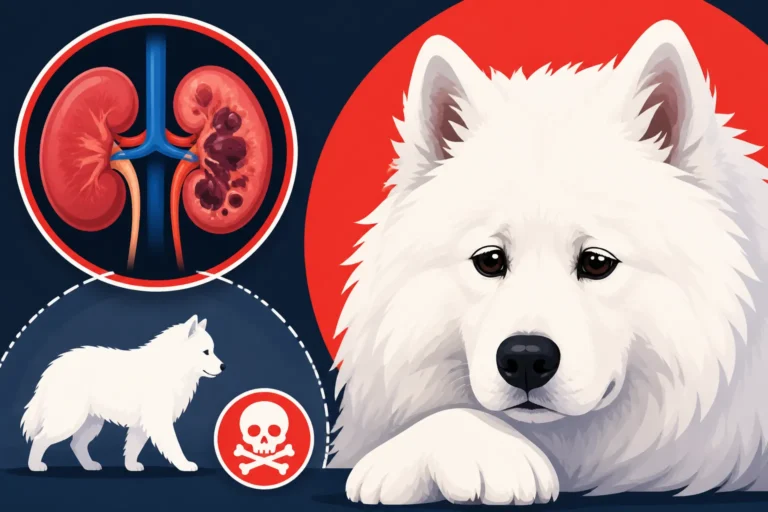
At its core, SHG is a defect in the collagen of the kidney's filtering units, called glomeruli. Imagine these filters as tiny sieves responsible for keeping important proteins in the blood while allowing waste products to pass into the urine. In an SHG-affected male, these sieves don't work correctly, leading to a leakage of protein from the blood into the urine. This loss of protein is often the earliest sign, even before outward symptoms appear. You can learn more about What Samoyed Hereditary Glomerulopathy Does to the Kidneys and why it's such a significant concern for the breed.
The disease often progresses silently in its early stages. Many male Samoyeds appear perfectly healthy, full of their usual goofy charm, even as their kidneys are slowly deteriorating. Owners might not notice anything is wrong until the disease is quite advanced, which is why early testing, like The COL4A5 Test Every Samoyed Buyer Should Ask About, is so crucial. Unfortunately, without intervention, the continuous protein loss and damage eventually lead to full-blown kidney failure, which is a life-threatening condition that tends to show up before a male Samoyed even reaches his second birthday. This explains The Kidney Disease That Kills Samoyed Males Before Fifteen Months and why it's such a devastating diagnosis.
As the disease progresses, the kidneys' ability to filter waste becomes increasingly impaired. Toxins build up in the body, and the dog starts to show symptoms like increased thirst, increased urination, lethargy, and sometimes a decrease in appetite. It's a sad reality that male Samoyeds with two copies of the affected gene face a grim prognosis without significant medical management. Understanding the insidious nature of this disease is the first step in making informed decisions about your boy's care.
Why an SHG Diagnosis Changes Medical Decisions
Receiving an SHG diagnosis fundamentally alters how you approach your Samoyed's overall health and any potential medical procedures. This isn't just about managing a chronic illness; it's about navigating a condition that directly affects one of the most vital organ systems responsible for processing medications and recovering from stress. A dog with kidney disease, even if subclinical, has less reserve to handle the metabolic demands of surgery and anesthesia.
Knowing your Samoyed's SHG status means that routine veterinary care suddenly requires a much higher level of scrutiny. Before any elective procedure, like neutering, your veterinarian will need to perform a much more comprehensive pre-surgical assessment, focusing intently on kidney function. This isn't just about checking a box; it's about evaluating the potential risks against the benefits, given the compromised state of his kidneys. It's a situation where a "routine" procedure is anything but.
This diagnosis means a proactive approach is paramount. You and your vet become partners in carefully monitoring his kidney health, looking for early indicators like Signs a Samoyed Is Losing Protein in Its Urine, which might necessitate adjusting diet or lifestyle. Every medication, every supplement, and certainly every surgical plan needs to be considered through the lens of protecting his already vulnerable kidneys. The stakes are simply higher when his body is already working overtime to compensate for a failing system.
Anesthesia Risks for Samoyeds with Kidney Disease
Anesthesia is a necessary component of surgical neutering, but for a Samoyed already battling kidney disease, it introduces a layer of significant risk that needs to be thoroughly understood and mitigated. It's not just about putting them to sleep; it's about how their body handles the drugs involved.
How Anesthesia Affects Compromised Kidneys
The kidneys play a critical role in filtering waste products from the blood and metabolizing many drugs, including those used for anesthesia. When a dog is under general anesthesia, there's often a temporary reduction in blood flow to vital organs, including the kidneys. For a healthy dog, the kidneys can usually bounce back from this temporary stress without a problem. However, for a Samoyed whose kidneys are already compromised by SHG, this reduction in blood flow can be devastating.
The decreased blood flow during anesthesia can further exacerbate existing kidney damage, potentially pushing a dog from early kidney disease into a more advanced stage, or even causing acute kidney injury. This is because the cells within the kidneys, already struggling to function, become even more vulnerable to oxygen deprivation and the stress of metabolizing anesthetic agents. It's a fine line, and an affected kidney has far less capacity to absorb any additional strain.
Furthermore, many anesthetic drugs and pain medications are processed and eliminated by the kidneys. If the kidneys are not functioning efficiently, these drugs can stay in the system longer, leading to prolonged recovery times and a higher risk of adverse reactions or toxicity. It's a delicate balance to ensure adequate anesthesia and pain control without overwhelming an already fragile system, making careful drug selection and dosage critical for these special boys.
Pre-Surgical Screening and Risk Mitigation Strategies
Given the heightened risks, pre-surgical screening for an SHG-affected Samoyed needs to be exceptionally thorough. This isn't just a standard vet visit; it's a deep dive into his current kidney function. Essential blood work will include tests like Blood Urea Nitrogen (BUN) and creatinine, which are indicators of kidney filtration, and Symmetric Dimethylarginine (SDMA), a more sensitive early marker of kidney disease. Electrolyte levels are also crucial, as kidney disease can disrupt the body's balance of essential minerals.
In addition to blood tests, a comprehensive urinalysis is absolutely non-negotiable. This isn't just to rule out a urinary tract infection; it's to assess urine concentration and, most critically, to check for protein. A high protein-to-creatinine ratio in the urine is a hallmark of SHG and indicates ongoing kidney damage. Your vet might also want to do an ultrasound of the kidneys to get a visual assessment of their structure. The more information gathered beforehand, the better equipped your veterinary team will be to tailor an anesthetic plan specifically for your boy.
To mitigate risks, several strategies can be employed. Intravenous (IV) fluids are almost always administered before, during, and after surgery to help maintain hydration and blood pressure, thereby supporting kidney blood flow. Anesthetic protocols will be carefully selected, avoiding drugs known to be nephrotoxic (harmful to the kidneys) and opting for those that are primarily metabolized by the liver or have a very short duration of action. Monitoring during anesthesia will be intense, with continuous tracking of heart rate, blood pressure, oxygen saturation, and temperature. This proactive and careful approach is designed to give your precious Samoyed the best possible chance of a safe procedure, but it's important to understand that no procedure is entirely without risk, especially for a compromised individual. Many pet insurance plans, like Healthy Paws, emphasize the importance of comprehensive pre-surgical bloodwork to ensure the best care.
The Surgical Procedure: Considerations for Affected Males
Deciding whether to neuter an SHG-affected Samoyed male involves navigating a complex landscape of benefits, risks, and ethical considerations. It’s not a simple choice, and it requires a deep understanding of your dog’s specific health status.
Weighing the Benefits vs. Risks of Neutering
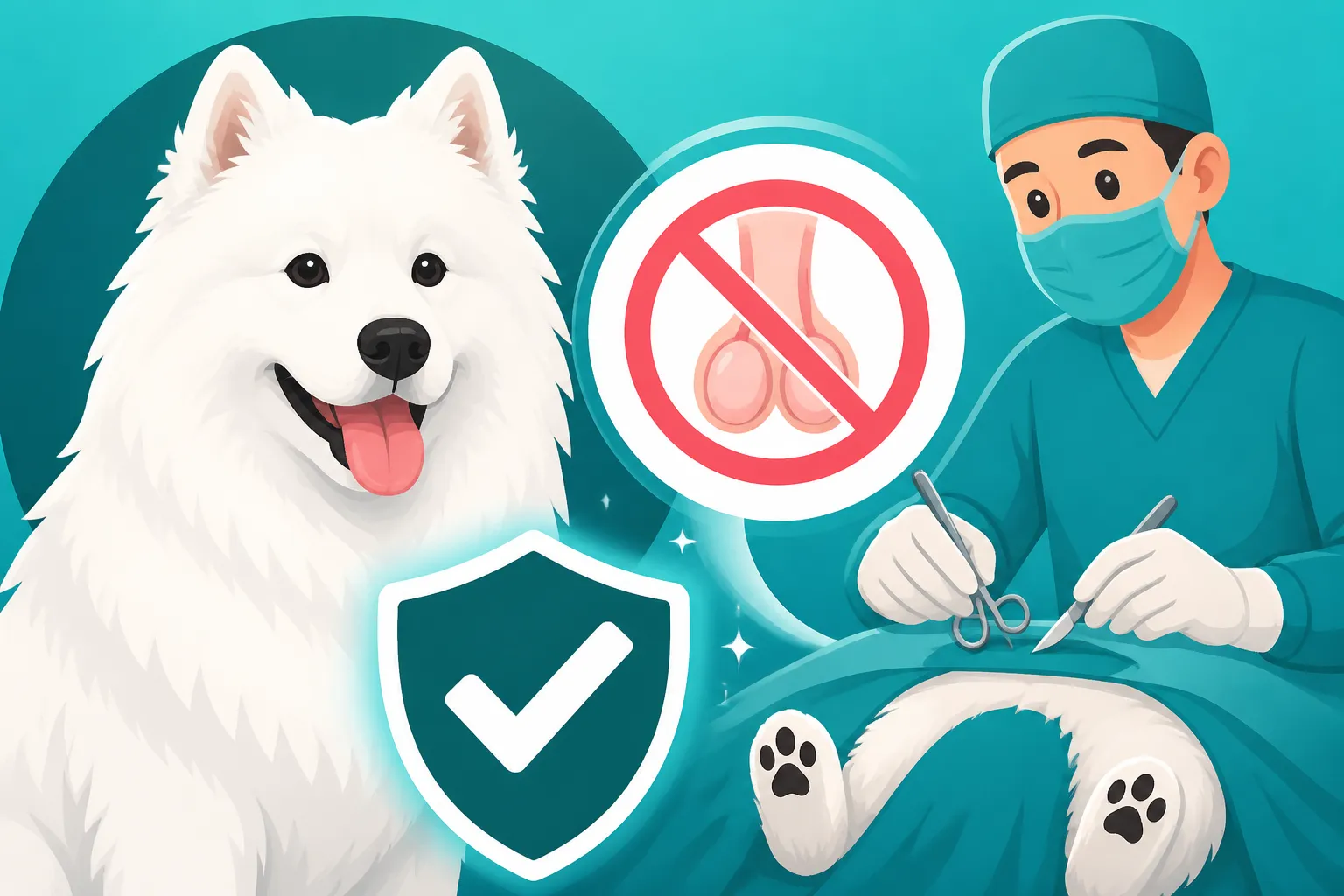
For a healthy male Samoyed, neutering offers several well-documented benefits. It eliminates the risk of testicular cancer, reduces the likelihood of certain prostate issues, and can help mitigate undesirable behaviors like roaming, marking, or aggression towards other males. From a public health perspective, it's also a crucial tool for population control, preventing unwanted litters. These are valid and important reasons for a typical, healthy dog.
However, when you introduce the factor of SHG, the risk-benefit analysis shifts dramatically. The potential for exacerbating kidney disease, leading to a more rapid decline in health, or even causing an acute crisis during or after surgery, weighs heavily. The risks associated with anesthesia and the stress of surgery on already compromised kidneys are not minor. For a dog whose life expectancy is already potentially shortened by his genetic condition, adding a significant medical risk for an elective procedure requires very careful thought. It's a personal and often heart-wrenching decision, recognizing that while you want the best for your boy, the "best" might look different for him than for a fully healthy Samoyed. You may find yourself struggling with questions like Whether an Affected Samoyed Male Feels Pain and whether adding more potential stress is truly beneficial.
Post-Operative Care and Monitoring
If, after careful consultation with your veterinarian, the decision is made to proceed with neutering, the post-operative care and monitoring for an SHG-affected Samoyed will be even more critical than for a healthy dog. The immediate period after surgery is crucial for ensuring he recovers without significant complications. Vigilant monitoring for hydration status, consistent urination, and appetite is paramount. Any signs of lethargy, decreased urine output, or refusal to eat should be immediately reported to your vet, as these could indicate kidney distress.
Pain management will also need careful consideration. While pain relief is essential for comfort and recovery, certain common pain medications, particularly non-steroidal anti-inflammatory drugs (NSAIDs), can be hard on the kidneys. Your veterinarian will need to select pain control options that are kidney-friendly, often opting for different classes of analgesics or adjusting dosages very carefully. Your role as an owner will be to ensure he takes all prescribed medications and rests appropriately, minimizing any additional stress on his recovering body.
Furthermore, follow-up veterinary visits to assess kidney function are absolutely essential. Your vet will likely want to recheck blood work and urinalysis in the weeks and months following surgery to ensure that his kidney values have not worsened and that he is recovering well. This dedicated post-operative care, combined with a robust long-term management plan, is key to giving your SHG-affected Samoyed the best possible quality of life after such a significant event.
Alternatives and Long-Term Management for SHG Affected Males
Given the inherent risks of neutering an SHG-affected male Samoyed, it's natural to explore alternatives and focus on comprehensive long-term care that prioritizes kidney health above all else. Sometimes, the safest path doesn't involve surgery at all.
Exploring Non-Surgical Options for Undesirable Behaviors
If the primary reason for considering neutering is to address common intact male behaviors like roaming, excessive marking, or certain types of aggression, it's worth exploring non-surgical avenues first. Many "undesirable" behaviors can be managed effectively through consistent training, management, and enrichment. For instance, addressing vocalizations like The Samoyed Scream and Why It Is Not Barking or working on Why a Samoyed's Recall Cannot Be Trusted are behavioral issues that neutering may or may not fully resolve. A certified professional dog trainer can offer strategies tailored to your Samoyed's unique personality and the specific behaviors you're hoping to change.
One promising non-surgical option is chemical castration. This involves an implant that temporarily suppresses testosterone production, effectively mimicking the effects of surgical neutering without the need for anesthesia or irreversible surgery. This allows you and your vet to assess whether neutering would actually resolve the behavioral issues you're concerned about, without putting your dog through a risky operation. If the behavioral benefits are minimal, or if the implant causes adverse effects, it's reversible, giving you more flexibility and safety in decision-making for your kidney-compromised boy. Discussing this option with your vet can provide valuable insight without the irreversible step of surgery.
A Lifetime of Kidney Support and Care
Regardless of the neutering decision, if your Samoyed has been diagnosed with SHG, he will require a lifetime of dedicated kidney support and care. This is where your focus should really lie, ensuring his kidneys are as healthy as they can be for as long as possible. One of the cornerstones of this management is dietary modification. A prescription renal diet is specifically formulated to be lower in protein, phosphorus, and sodium, which helps reduce the workload on the kidneys and slow the progression of the disease. You can learn more about Whether a Renal Diet Extends an Affected Samoyed's Life and its crucial role in his health.
Beyond diet, your veterinarian might prescribe medications such as ACE inhibitors. These drugs help reduce protein loss in the urine and can slow the progression of kidney disease. Regular monitoring of blood pressure is also common, as kidney disease can often lead to hypertension, which further damages the kidneys. Many owners have seen success with Whether an ACE Inhibitor Slows a Samoyed's Kidney Loss in their affected Samoyeds. This proactive medical management is critical.
Finally, consistent veterinary oversight is non-negotiable. Regular check-ups, often every 3-6 months, will be necessary to monitor his kidney values through blood work and urinalysis. This allows your vet to track the progression of the disease and make timely adjustments to his treatment plan. Remember, conditions like SHG can have significant ongoing costs, so exploring pet insurance options like Healthy Paws, ideally before any diagnosis, can be a huge relief in managing the financial burden of specialized care. Staying on top of Whether a Samoyed Needs Yearly Kidney Bloodwork and other diagnostic tests will be a critical part of his ongoing care.
| Consideration | Healthy Samoyed Male | SHG-Affected Samoyed Male |
|---|---|---|
| Reason for Neutering | Routine, behavioral, population control | Behavioral concerns, but with significant health risk analysis |
| Anesthesia Risk | Generally low to moderate | Elevated, due to compromised kidney function |
| Pre-Surgical Tests | Basic blood work, physical exam | Extensive blood work (BUN, Creatinine, SDMA, electrolytes), urinalysis, potentially ultrasound, blood pressure |
| Anesthesia Protocol | Standard, broad-spectrum choices | Kidney-friendly drugs, meticulous monitoring, IV fluids critical |
| Recovery Period | Typically straightforward, minor discomfort | Close monitoring for kidney distress, hydration, appetite, urination; specific pain management |
| Long-term Impact | Typically positive (behavior, cancer risk) | Potential exacerbation of kidney disease, requires lifetime renal management |
| Alternatives | Less often considered for primary care | Chemical castration, intensive behavioral training, environmental management |
Disclaimer
This article is for general informational purposes only and does not constitute professional advice. Laws, prices and regulations vary by location and change over time. Consult a qualified professional for guidance on your specific situation.