What Samoyed Hereditary Glomerulopathy Does to the Kidneys
Discovering your beloved Samoyed might be facing a serious health challenge, particularly one targeting their kidneys, can feel utterly devastating. The sheer joy and vivacity of these beautiful dogs often mask underlying issues until they've progressed significantly. This guide aims to shed light on Samoyed Hereditary Glomerulopathy (SHG), meticulously detailing precisely what this insidious disease does to your Samoyed's kidneys, helping you understand the changes happening within and how to recognize them.
Understanding Samoyed Hereditary Glomerulopathy (SHG)
It’s truly heart-wrenching when a condition like Samoyed Hereditary Glomerulopathy (SHG) surfaces, especially in such a vibrant and typically healthy-looking breed. Many Samoyed owners might only hear the term "kidney disease" and immediately think of older dogs or general wear and tear, but SHG is a beast of a different color. It’s a genetically inherited condition that strikes early, often with devastating consequences, particularly for male Samoyeds. This isn't just "bad luck"; it's a specific, microscopic flaw that unravels the very fabric of healthy kidney function.
The Genetic Basis of SHG
The root cause of Samoyed Hereditary Glomerulopathy lies deep within the genetic code, specifically a mutation in the COL4A5 gene. This gene is responsible for producing a crucial type of collagen, known as type IV collagen, which acts as a foundational scaffolding in various parts of the body, including the delicate filtering units of the kidneys. When this gene is faulty, the collagen it produces is malformed, weak, and unable to perform its structural duties properly. It's like building a house with faulty rebar; eventually, the structure will crumble.
This genetic flaw is passed down in an X-linked recessive pattern. What does that mean for your fluffy companion? It means males, who only have one X chromosome, are severely affected if they inherit the mutated gene from their mothers. Females, having two X chromosomes, tend to be carriers and usually experience a much milder form of the disease, if any symptoms at all. This explains Why Samoyed Hereditary Glomerulopathy Only Devastates the Boys. Understanding this inheritance pattern is absolutely critical for breeders and prospective puppy buyers alike, emphasizing why The COL4A5 Test Every Samoyed Buyer Should Ask About is so vital.
What Makes SHG Unique Among Kidney Diseases
SHG isn't your average, run-of-the-mill kidney failure that might manifest in an older dog due to diet, age, or infection. What sets SHG apart is its specific target and its progressive nature from a very early age. Most kidney diseases can affect various parts of the kidney, but SHG zeroes in on the glomeruli – the tiny, intricate filters – with pinpoint accuracy, causing a specific type of damage called glomerulopathy. This isn't something a Samoyed develops later in life; they are born with the genetic predisposition, and the disease process begins almost immediately, often unnoticed for months.
Unlike conditions that might respond to diet changes or antibiotics early on, SHG is a structural defect. The filters themselves are flawed from the outset, leading to a relentless and irreversible breakdown. It's not a matter of if the damage will occur, but when it will become clinically apparent and how rapidly it will progress. This fundamental difference means prevention through genetic testing is the only real "cure," as symptomatic treatment can only aim to slow the inevitable decline once the disease takes hold.
Early Signs and Symptoms
One of the most insidious aspects of SHG is how subtly it can begin, often masked by a Samoyed's inherently stoic nature and their famous "Sammy smile." You might not see dramatic symptoms right away, which makes early detection a challenge. Typically, the first observable sign, especially in young males, is an increased thirst and urination. Your usually well-behaved puppy might start having accidents in the house, or you might find yourself refilling their water bowl more often than usual. It's easy to dismiss these as puppy quirks or training issues, but for a Samoyed, they can be a red flag.
As the disease progresses, other, more concerning signs emerge. A noticeable decrease in appetite, lethargy that isn't typical for an energetic Samoyed, and even weight loss can start to appear. However, these are often non-specific symptoms that can be attributed to many things, further delaying a correct diagnosis. The key is to be vigilant, especially with male Samoyed puppies, and to recognize that even subtle changes in behavior or habits warrant a conversation with your veterinarian. This proactive approach can make all the difference in understanding The Age a Samoyed Male First Shows Kidney Signs.
The Glomerulus: Kidney's Tiny Filtration Powerhouse
To truly grasp the devastation wrought by Samoyed Hereditary Glomerulopathy, we need to zoom in on the specific part of the kidney it attacks: the glomerulus. Imagine the kidneys as incredibly sophisticated purification plants for your dog's body, tirelessly working to maintain balance. Within these complex organs, the glomeruli are the initial, critical screening stations, vital for separating the good from the bad and maintaining health. When these tiny powerhouses falter, the entire system is in jeopardy.
How Healthy Glomeruli Work
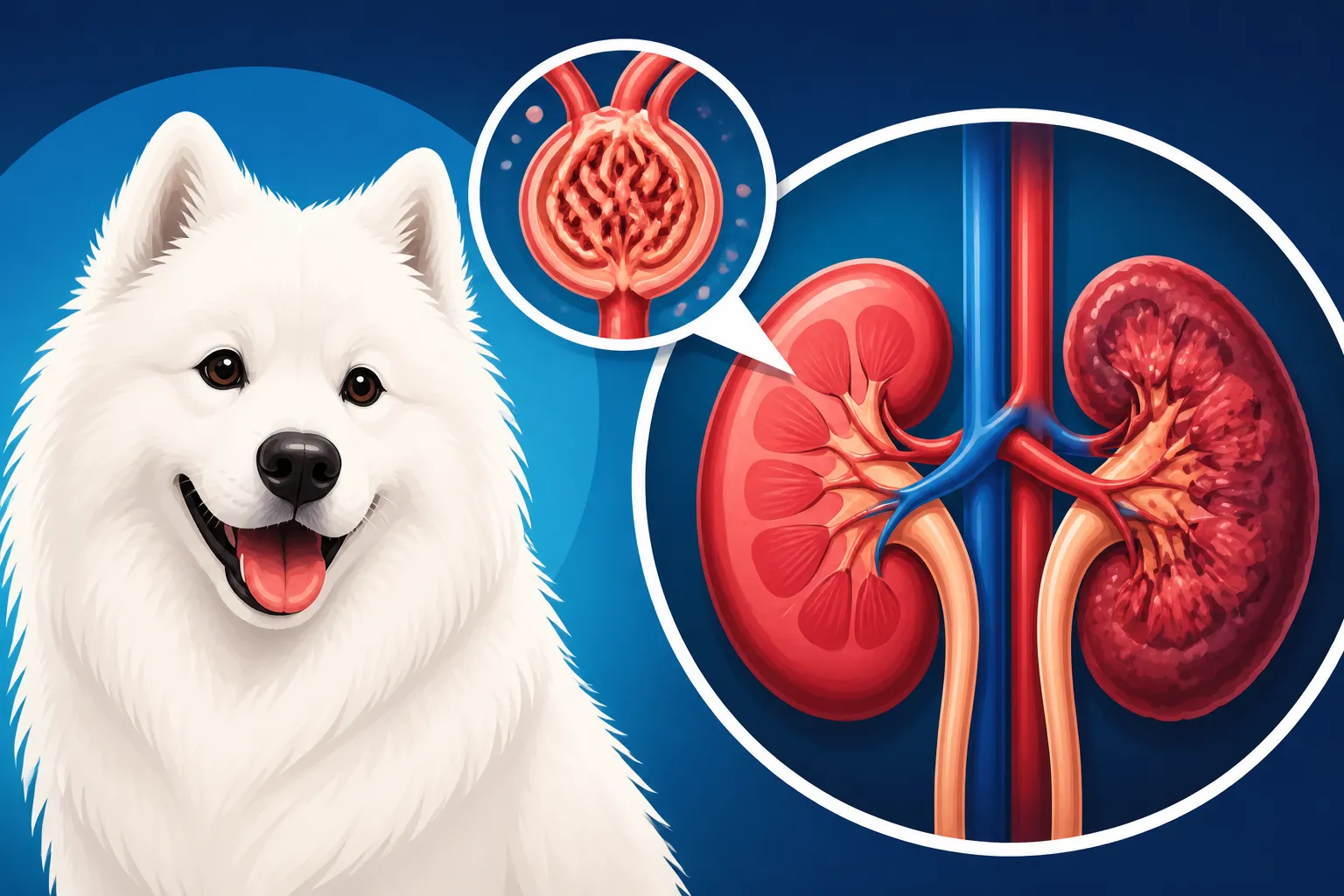
In a healthy Samoyed, each kidney contains hundreds of thousands of microscopic filtering units called nephrons, and at the heart of each nephron is a glomerulus. Think of a glomerulus as a tightly coiled ball of capillaries, encased in a structure called Bowman's capsule. Blood flows into this capillary tuft under pressure, and the glomerulus acts like a very fine sieve. Its job is to filter waste products, toxins, and excess water out of the blood, while carefully retaining essential proteins, red blood cells, and other vital components the body needs.
The process is remarkably efficient. The glomerular filtration barrier, composed of endothelial cells, the glomerular basement membrane, and podocytes, selectively allows small molecules to pass into the renal tubules, where further processing occurs. This selective permeability is crucial; it ensures that valuable substances like albumin, a vital blood protein, are kept in the bloodstream where they belong, while harmful substances are routed for excretion. It's a marvel of biological engineering, maintaining the delicate balance of fluids and chemistry within your Samoyed's body.
The Role of Collagen in Glomerular Function
Now, let's talk about collagen. Specifically, type IV collagen. This isn't just some generic protein; it's a specialized, structural protein that forms a major component of the glomerular basement membrane (GBM). The GBM is essentially the "mesh" of that very fine sieve we just talked about. It provides structural integrity and plays a critical role in the filtration process, acting as a selective barrier that determines what passes through and what stays in the blood.
In Samoyeds with SHG, the COL4A5 gene mutation means this particular type IV collagen is flawed. Instead of forming a strong, properly structured mesh, it's defective. This structural weakness compromises the integrity of the glomerular basement membrane. Without a sound foundation, the filter begins to fray and weaken, much like a worn-out fishing net. This faulty collagen is the tragic core of Why Collagen Failure Destroys a Samoyed's Kidney.
Initial Damage: When Collagen Fails
When the type IV collagen in the glomerular basement membrane is defective, the initial damage is insidious and progressive. The filtration barrier, which is supposed to be selectively permeable, starts to become too permeable. Imagine that fine sieve suddenly developing microscopic holes. The most significant and earliest consequence is the leakage of protein from the bloodstream into the urine, a condition known as proteinuria.
This protein leakage is significant because protein molecules, especially larger ones like albumin, should not pass through a healthy glomerular filter. Their presence in the urine is a direct indicator that the glomeruli are failing. Over time, these microscopic holes widen, and more and more vital proteins are lost from the body. This continuous loss of protein isn't just a symptom; it directly contributes to further kidney damage and can lead to a host of other systemic health problems. This makes understanding Signs a Samoyed Is Losing Protein in Its Urine incredibly important for early intervention.
Progressive Deterioration: What Happens Inside the Kidneys
Once the initial damage to the glomeruli begins due to the faulty collagen, it's unfortunately a downhill slide if not managed. The kidney, an organ designed for resilience, starts a cascade of compensatory mechanisms and, ultimately, deterioration. It’s a relentless process where the body tries its best to cope, but the underlying structural defect prevents true recovery, especially in affected males. Watching this progression can be one of the most agonizing experiences for a Samoyed owner, highlighting the urgency of understanding what's happening internally.
Protein Leakage and Its Consequences
The hallmark of SHG is persistent and significant proteinuria. As we've discussed, the compromised glomerular basement membrane allows vital blood proteins, particularly albumin, to escape into the urine. This isn't just a minor leak; it's a steady drain of essential building blocks from your Samoyed's system. Albumin plays a crucial role in maintaining osmotic pressure in the blood, essentially keeping fluid within the blood vessels. When albumin levels drop significantly (hypoalbuminemia), fluid can leak out of the vessels and accumulate in various body cavities, leading to swelling.
You might notice generalized swelling (edema), particularly in the legs, belly (ascites), or even around the face. This loss of protein also depletes the body's reserves, contributing to muscle wasting, weakness, and a general decline in body condition. The kidneys, in a desperate attempt to compensate, may work even harder, which ironically can accelerate the damage to the remaining healthy nephrons. Furthermore, chronic protein loss can lead to imbalances in other electrolytes and nutrients, further compounding your Samoyed's health struggles. Regular monitoring of urine protein levels is vital, and thankfully, advancements in veterinary care and pet insurance plans like those offered by Healthy Paws can assist with the costs of frequent testing and management.
Scarring and Fibrosis: Irreversible Damage
As the glomeruli continue to leak protein and are subjected to ongoing stress from the faulty filtration, the kidney's delicate tissues begin to react. This reaction is one of inflammation, which ultimately leads to scarring, or fibrosis. Imagine repeated injury to a tissue; eventually, it doesn't heal with healthy, functional cells but rather with stiff, non-functional scar tissue. This is precisely what happens in the kidneys affected by SHG. The scarred glomeruli lose all ability to filter blood, essentially becoming dead ends within the kidney's elaborate network.
This scarring process isn't limited to the glomeruli; it can extend to the surrounding tubules and interstitial tissue. As more and more nephrons become fibrotic, the overall functional capacity of the kidneys diminishes irreversibly. This means fewer working filters are left to handle the body's waste products, pushing the remaining healthy nephrons into overdrive. It's a vicious cycle where inflammation leads to scarring, and scarring leads to further loss of function, progressively moving towards end-stage renal disease. There is unfortunately no reversal for this fibrotic process once it has set in.
The Cascade of Kidney Failure Symptoms
The chronic loss of kidney function, especially in affected male Samoyeds, culminates in a cascade of symptoms that signal full-blown kidney failure. Beyond the initial signs of increased thirst and urination, and the later appearance of protein-related swelling, toxins begin to build up in the bloodstream. Normally, the kidneys would efficiently remove urea, creatinine, and other metabolic waste products. When they can't, these toxins accumulate, leading to a condition called uremia.
Uremia manifests in a variety of debilitating ways. Your Samoyed might experience severe nausea, vomiting, and a complete loss of appetite, leading to rapid weight loss. Their breath may develop a chemical odor, and they can become extremely lethargic, weak, and disoriented. Muscle tremors, mouth ulcers, and even seizures can occur in advanced stages. The once-vibrant Samoyed becomes visibly ill and debilitated. This rapid decline is often seen in affected males, underscoring How Fast a Samoyed Male Declines and the severity of this condition. At this point, the aim of treatment shifts entirely to supportive care, attempting to mitigate symptoms and preserve whatever quality of life remains.
Diagnosing SHG and Monitoring Progression
The key to managing Samoyed Hereditary Glomerulopathy, even though it's incurable, lies in early and accurate diagnosis, followed by vigilant monitoring. Because the early signs are so subtle and non-specific, it's imperative for Samoyed owners and veterinarians to be proactive, especially if there's any family history of kidney disease or if you have a young male puppy. Catching this disease early, before extensive irreversible damage occurs, can potentially allow for treatments to slow its progression and improve quality of life.
Key Diagnostic Tests for Proteinuria
The absolute cornerstone of diagnosing SHG, especially in its early stages, is detecting proteinuria. The first step is typically a routine urinalysis. This simple test can reveal the presence of protein in the urine. However, a single positive test isn't definitive, as temporary proteinuria can occur due to fever, stress, or strenuous exercise. Therefore, further, more specific tests are crucial.
The most important follow-up test is the Urine Protein:Creatinine (UPC) ratio. This test measures the amount of protein in the urine relative to creatinine, a waste product excreted at a constant rate. A high UPC ratio indicates significant protein loss and is a strong indicator of glomerular disease. Repeated UPC measurements over time are essential to confirm persistent proteinuria and to monitor the disease's progression. Veterinarians often recommend screening young male Samoyeds with this test, as Why a Samoyed's Urine Should Be Tested Young cannot be overstated. A consistently elevated UPC ratio, particularly in a young, otherwise seemingly healthy male Samoyed, should immediately raise suspicion for SHG.
Imaging and Biopsy: Unveiling the Damage
While a UPC ratio can strongly suggest glomerular disease, more advanced diagnostics might be needed to fully characterize the kidney damage and, in some cases, definitively diagnose SHG. Kidney imaging, such as an ultrasound, can provide valuable information about the size, shape, and internal architecture of the kidneys. In early SHG, kidneys might appear relatively normal, but as fibrosis sets in, they may become smaller and irregular. This imaging can also rule out other causes of kidney issues.
The gold standard for a definitive diagnosis of SHG, and to understand the exact nature of the kidney damage, is a kidney biopsy. During this procedure, a small piece of kidney tissue is removed and examined under a microscope by a veterinary pathologist. This allows for direct visualization of the glomerular basement membrane and can confirm the characteristic lesions associated with SHG, such as thickening and splitting of the GBM. While a biopsy is an invasive procedure, it provides invaluable information for confirming the diagnosis and prognosis, especially when differentiating SHG from other forms of glomerulonephritis. Given the specialized nature of this disease, obtaining a biopsy can be a significant expense, making a robust pet insurance plan from companies like Healthy Paws a valuable asset.
Interpreting Bloodwork in SHG Cases
Beyond urine tests, regular bloodwork is vital for monitoring a Samoyed with SHG, especially as the disease progresses. In the early stages of SHG, blood tests for kidney function, such as creatinine and blood urea nitrogen (BUN), may actually appear completely normal. This is because the kidneys have a vast reserve capacity, and significant damage can occur before these values become elevated. This is why relying solely on bloodwork for early detection is insufficient; the proteinuria must be detected first.
As the disease progresses and kidney function truly declines, creatinine and BUN levels will start to rise, indicating that the kidneys are no longer effectively clearing waste products from the blood. Additionally, blood tests will show the low albumin levels (hypoalbuminemia) resulting from protein loss in the urine. Other parameters to watch include phosphorus levels, which can become elevated in advanced kidney disease, and packed cell volume (PCV) for signs of anemia, a common complication of chronic kidney failure. A comprehensive metabolic panel and complete blood count (CBC) provide a complete picture of your Samoyed's systemic health and how their body is coping with the kidney damage.
| Diagnostic Test | What It Measures | What It Indicates in SHG | Importance for SHG |
|---|---|---|---|
| Urinalysis | Presence of protein, blood, glucose, specific gravity | Proteinuria (early sign), low specific gravity (later sign) | Screening, initial detection |
| Urine Protein:Creatinine (UPC) Ratio | Ratio of protein to creatinine in urine | Quantifies protein loss, severity of glomerular damage | Confirmatory, monitoring progression |
| Blood Urea Nitrogen (BUN) | Nitrogen content of urea in blood | Elevated in later stages of kidney failure | Monitoring, assessing overall kidney function |
| Creatinine | Waste product from muscle metabolism | Elevated in later stages of kidney failure, more specific | Monitoring, assessing overall kidney function |
| Albumin | Major protein in blood plasma | Low levels (hypoalbuminemia) due to protein loss | Indicates systemic impact of proteinuria |
| Phosphorus | Mineral in blood | Elevated in later stages of kidney disease | Monitoring, managing complications |
| Kidney Ultrasound | Size, shape, structure of kidneys | Can reveal smaller, irregular kidneys in advanced fibrosis | Assessing structural changes |
| Kidney Biopsy | Microscopic examination of kidney tissue | Definitive diagnosis, reveals characteristic GBM lesions | Confirmatory, prognostic |
Impact on Overall Health and Lifespan
The impact of Samoyed Hereditary Glomerulopathy extends far beyond just the kidneys. It's a systemic challenge that profoundly affects a Samoyed's overall health, quality of life, and tragically, their lifespan. For male Samoyeds, this disease is particularly aggressive and unforgiving, often cutting their lives heartbreakingly short. Understanding these broader implications is crucial for owners facing this diagnosis and underscores the importance of ongoing support and care.
Systemic Effects Beyond the Kidneys
While SHG originates in the kidneys, its consequences ripple throughout the entire body. The chronic loss of protein, particularly albumin, leads to low protein levels in the blood, which can manifest as fluid accumulation in the abdomen (ascites) and limbs (edema). This makes your Samoyed uncomfortable and further stresses their system. Beyond fluid imbalances, the constant protein loss can also lead to muscle wasting, as the body struggles to maintain its protein reserves.
Furthermore, chronic kidney disease, whether from SHG or other causes, leads to imbalances in hormones and minerals. Elevated phosphorus levels, for instance, can occur because the kidneys can no longer excrete it efficiently, leading to issues with bone metabolism. The kidneys also produce erythropoietin, a hormone that stimulates red blood cell production. As kidney function declines, less erythropoietin is produced, often resulting in anemia, which causes weakness, lethargy, and a pale appearance. This complex interplay of systemic issues makes managing SHG incredibly challenging and highlights How a Samoyed Hides Illness Behind a Smile even when battling severe internal problems.
The Progression in Males Versus Females
One of the most defining and heartbreaking characteristics of Samoyed Hereditary Glomerulopathy is its vastly different progression in male versus female Samoyeds. As an X-linked recessive condition, males inherit only one X chromosome. If that X chromosome carries the COL4A5 mutation, they are severely affected because they lack a healthy counterpart. This means the disease progresses rapidly and aggressively in males, often leading to end-stage kidney failure and death before they reach two years of age. Tragically, The Kidney Disease That Kills Samoyed Males Before Fifteen Months is a stark reality for many.
Females, on the other hand, inherit two X chromosomes. Even if one X chromosome carries the mutated gene, the presence of a healthy COL4A5 gene on the other X chromosome often provides enough functional collagen to mitigate the disease's severity. These females are typically carriers, and while they may develop a milder, later-onset form of kidney disease with proteinuria, they rarely progress to full kidney failure. Many carrier females live a normal lifespan, though they should be monitored. This distinction is critical for breeding decisions and explaining Why a Carrier Female Samoyed Stays Mild.
Quality of Life Considerations
When dealing with a progressive and ultimately fatal disease like SHG, especially in affected males, maintaining your Samoyed's quality of life becomes the paramount concern. In the early stages, with careful management including specialized diets, medications to reduce proteinuria (like ACE inhibitors or angiotensin receptor blockers), and supportive therapies, you might be able to slow the progression and maintain a good quality of life for a period. Regular vet visits and adherence to medication schedules are crucial. Pet insurance, such as plans from Healthy Paws, can be invaluable here, helping to cover the ongoing costs of these specialized treatments and diagnostics.
However, as the disease advances and uremia sets in, the challenge of maintaining comfort and dignity grows. At this stage, your Samoyed may experience persistent nausea, vomiting, profound weakness, and a general malaise that steals their joy. Decisions regarding palliative care and, eventually, euthanasia, become agonizing but necessary considerations. It's a heavy burden, but ensuring your Samoyed doesn't suffer unnecessarily is the ultimate act of love. Understanding the full scope of SHG's impact helps owners navigate these difficult choices with knowledge and compassion.
Disclaimer
The information provided in this article is for educational and informational purposes only and does not constitute veterinary medical advice. Always consult with a qualified veterinarian for any health concerns or before making any decisions about your pet's health or treatment.